What a Carbon Steel Conveyor Bracket Does
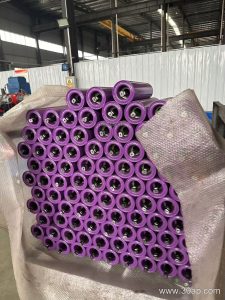
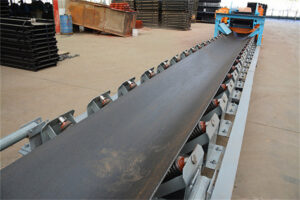
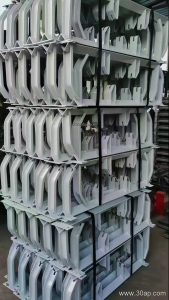
A carbon steel conveyor bracket is the structural component that holds idler rollers in the correct position along a belt conveyor. It connects the rollers to the conveyor frame and maintains the trough shape that keeps bulk material centered on the belt. In quarry and aggregate operations, these brackets are often the first parts inspected after a season of heavy loading, because a bent or corroded bracket can throw an entire idler station out of alignment.
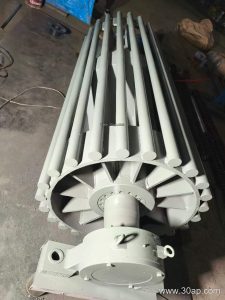
The bracket works together with the conveyor belt, idler roller, and conveyor pulley to form a complete support system. While the belt carries the load and the pulleys drive and redirect it, the bracket ensures the rollers stay at the designed angle and spacing. Without a rigid bracket, the belt would sag, track poorly, and spill material at transfer points.
Construction and Materials
Most carbon steel conveyor brackets are fabricated from angle steel, channel steel, or folded steel plate. The choice of material profile affects stiffness and how the bracket handles impact from large lumps. For a primary crusher discharge or a rocky quarry line, a heavier channel section is common; for lighter duty such as a cement plant additive line, a folded plate design may be sufficient.
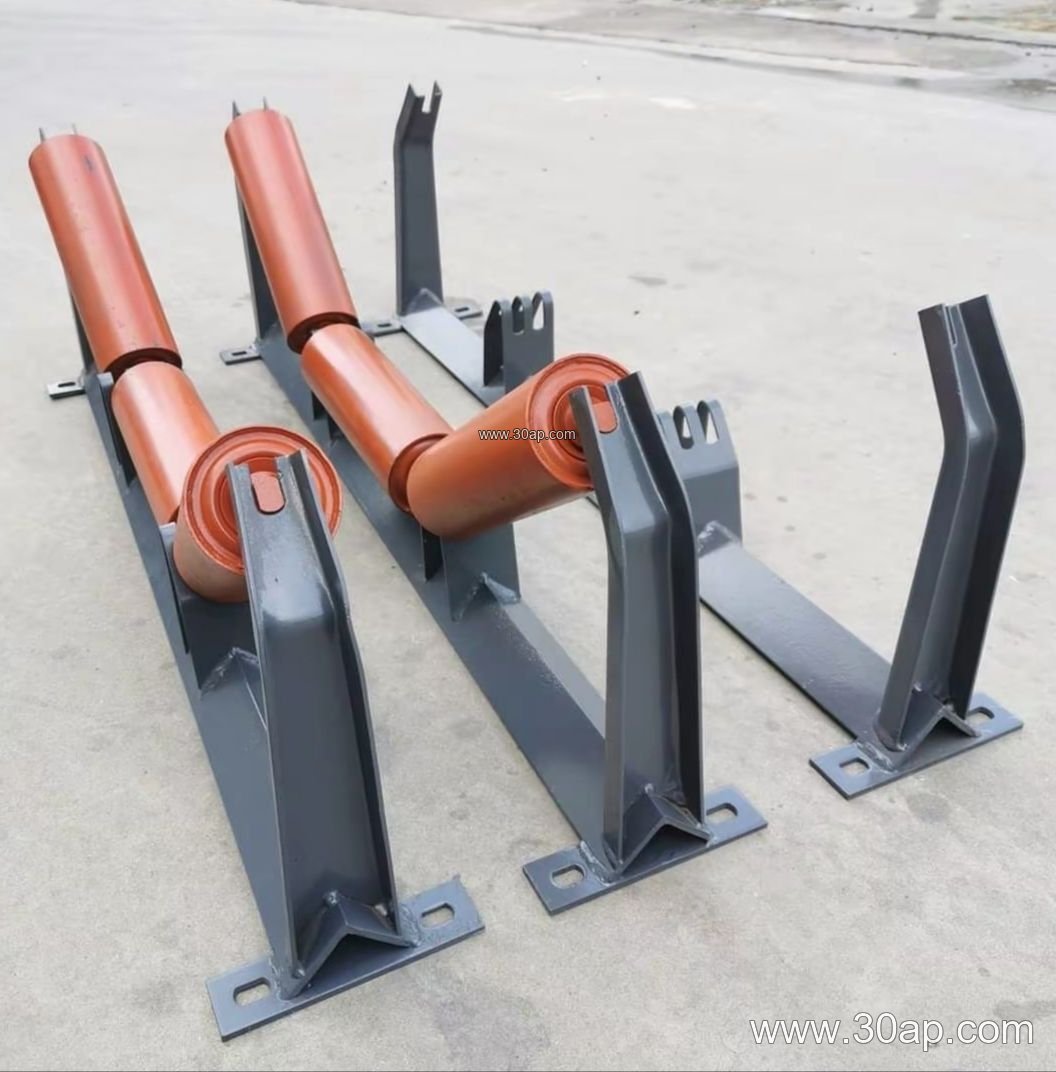
The bracket is typically drilled or slotted to accept standard idler shaft sizes. Common roller diameters include Ø89, Ø108, Ø133, Ø159, and Ø194 mm, and the bracket mounting holes are positioned to suit the selected roller. Belt widths from B500 to B2200 are supported by different bracket lengths; the crossbeam length and hole spacing are determined by the belt width and trough angle rather than a single fixed dimension.
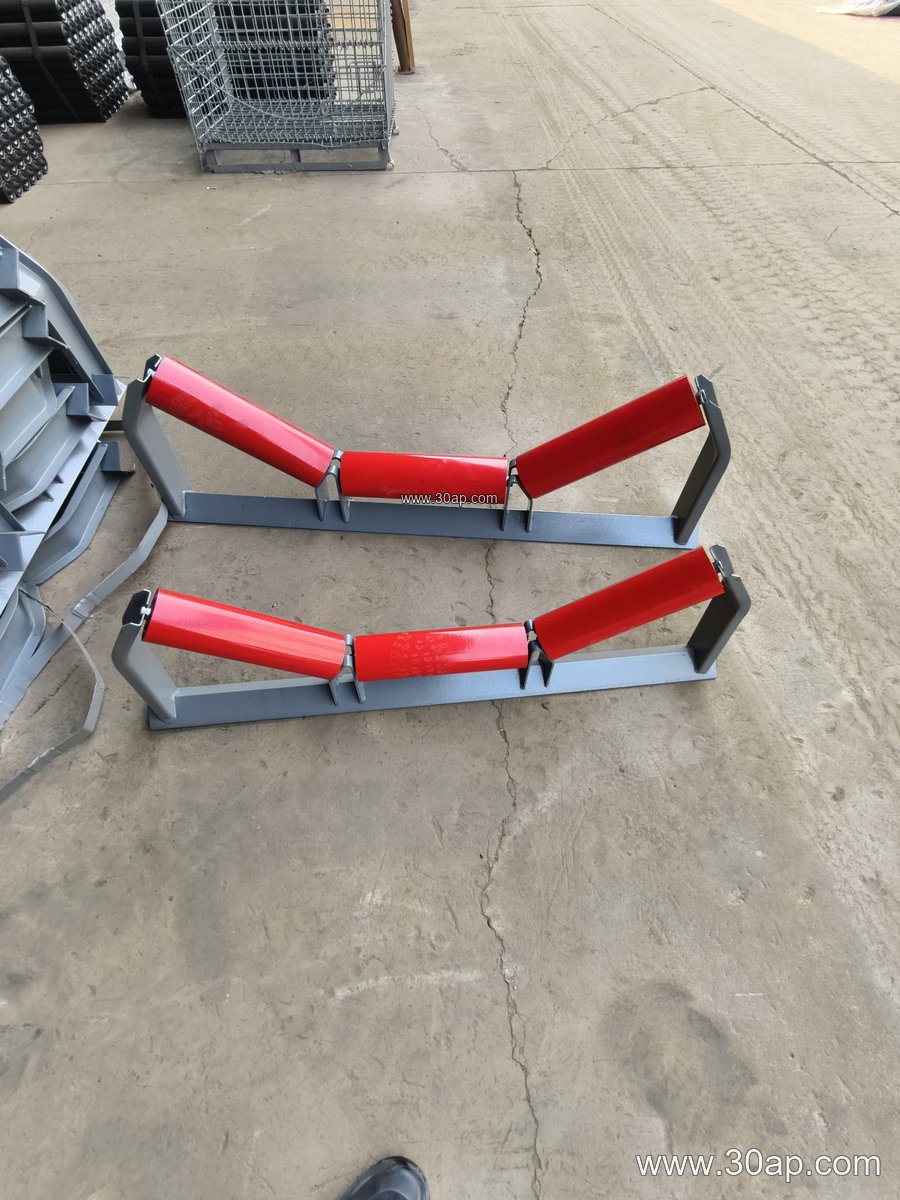
Surface treatment matters in wet or dusty environments. A painted or galvanized finish helps resist corrosion in coal handling and port applications, though the base material remains carbon steel.
Types and Trough Angles
Brackets are available in several configurations to match the conveyor’s profile. Troughing brackets carry the top run and set the trough angle, commonly 20, 30, 35, or 45 degrees. Adjustable brackets allow the angle to be changed on site within that range, which is useful when a conveyor handles materials with varying flow characteristics. Return brackets support the empty belt, and V-return or flat-return designs are selected based on belt training needs.
Impact brackets, often fitted with cushion rollers, are used below loading points in stone crushing and ore handling. Transition brackets help guide the belt from a flat pulley to a troughed section without stressing the belt edges. Self-aligning brackets are another option for long conveyors where belt tracking is critical.
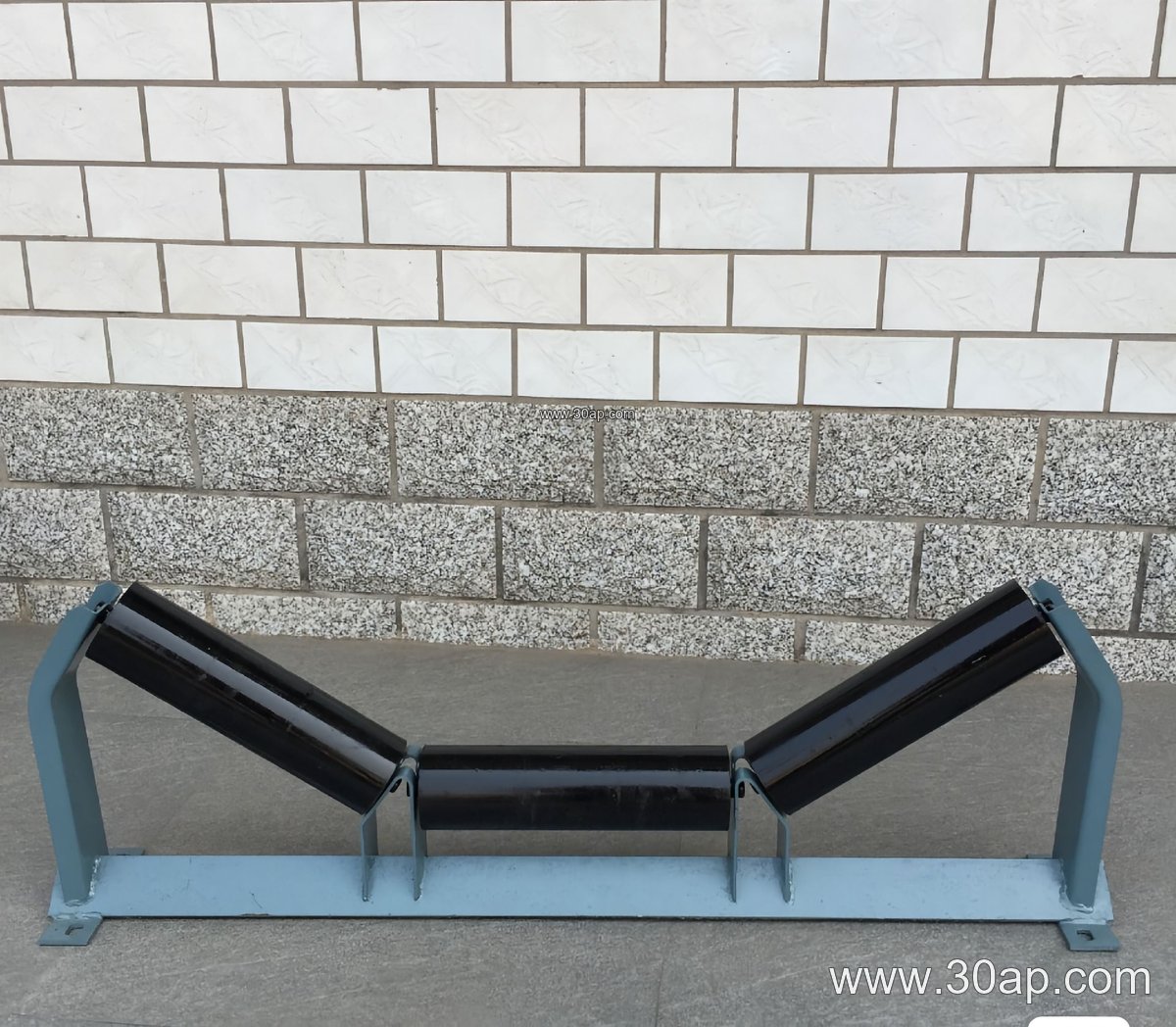
For reference, a typical bracket selection might combine B800 belt width with a 35-degree trough angle and Ø108 rollers, or B1200 with a 45-degree angle and Ø133 rollers. These are examples only; the final match depends on the conveyor design and the material being carried.
Where These Brackets Are Used
In a sand and gravel plant, carbon steel conveyor brackets support the belts that move material between crushers, screens, and stockpiles. The abrasive nature of the product means brackets must hold rollers firmly so the belt does not wander. In a coal preparation plant, flame retardant conveyor belts are common, and the brackets must be sturdy enough to handle surge loads without permanent deformation.
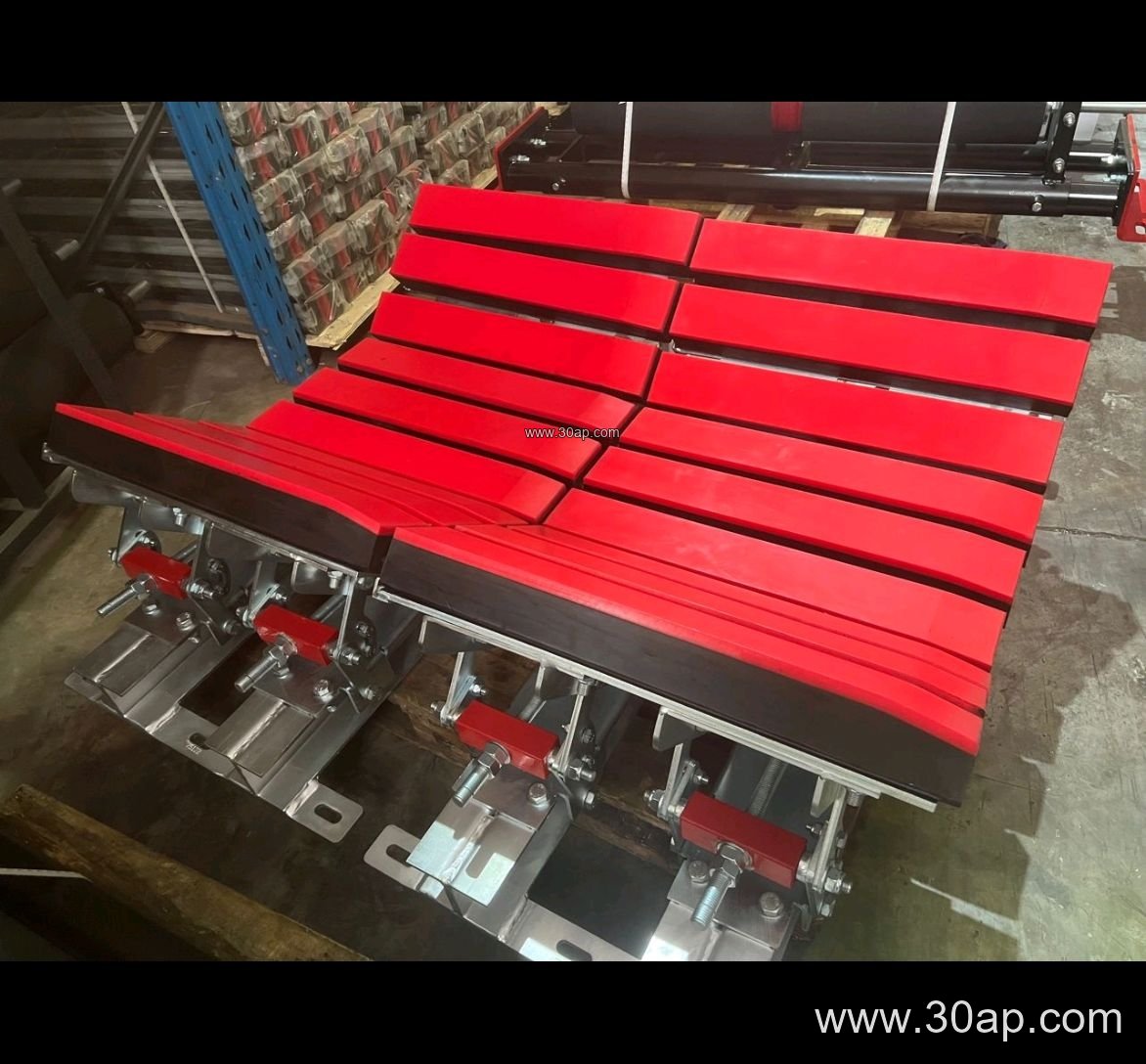
Other applications include cement plants, power plant coal yards, and iron ore terminals. In each case, the bracket is a relatively low-cost part that has a large effect on belt life and downtime. A worn bracket that lets a roller drop can quickly damage an expensive EP conveyor belt or a steel cord conveyor belt.
Selection and Maintenance Notes
Buyers should confirm the belt width, trough angle, roller diameter, and mounting hole pattern before ordering. It is also worth checking whether the bracket is fixed or adjustable, and whether the design allows for future changes in trough angle. For high-impact positions, specify a reinforced bracket rather than a standard troughing type.
During maintenance, inspect brackets for bending, loose bolts, and corrosion. Replace any bracket that no longer holds the roller at the correct height or angle. Keeping brackets and idler rollers in good condition protects the conveyor pulley and extends the service life of the entire conveyor system.
Quick Reference Table
| Parameter | Common Options |
|---|---|
| Belt width | B500, B650, B800, B1000, B1200, B1400, B1600 |
| Trough angle | 20°, 30°, 35°, 45° (adjustable types cover a range) |
| Roller diameter | Ø89, Ø108, Ø133, Ø159, Ø194 |
| Material | Angle steel, channel steel, folded steel plate |
| Bracket type | Troughing, return, impact, transition, self-aligning |
For more information on compatible conveyor components, visit our conveyor bracket and idler roller pages.