What the ST1250 Conveyor Belt Is
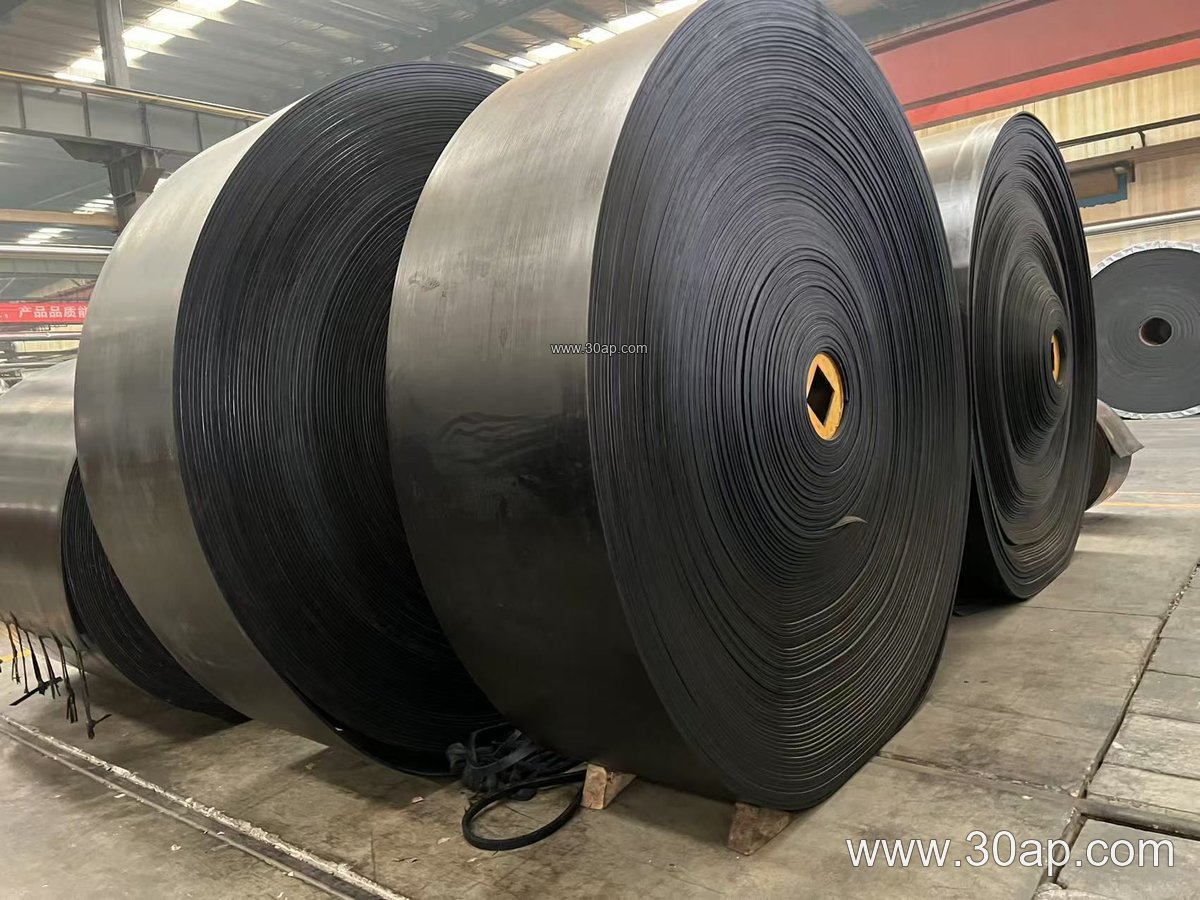
The ST1250 Conveyor Belt is a steel cord conveyor belt with a nominal tensile strength of 1250 N/mm. It belongs to the steel cord family, where high-carbon steel cords run longitudinally through the rubber carcass instead of fabric plies. That construction gives the belt a combination of high strength, low elongation, and good troughability that suits long conveying lines and demanding bulk material duty.
In practice, buyers often call this product an ST1250 steel cord belt or a high strength conveyor belt. It is the same product under a shorter name. It should not be confused with fabric-reinforced belts such as an EP Conveyor Belt or an NN belt, which use woven plies and reach their strength in a different way.
How the Belt Is Built
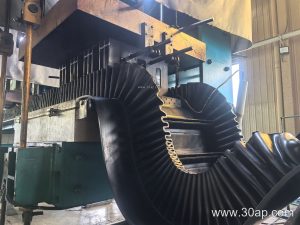
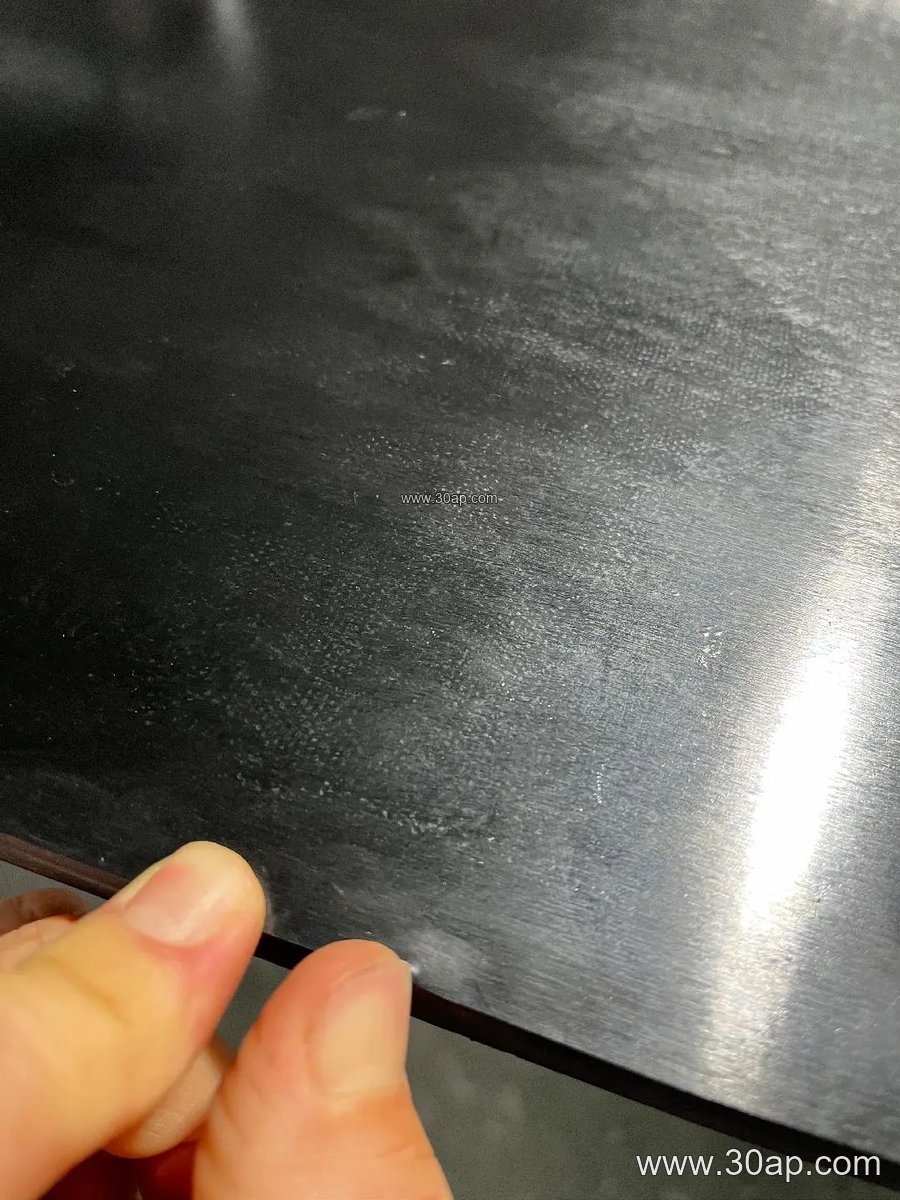
The core is a set of parallel steel cords, usually brass-plated to bond with the rubber. A thin core rubber layer separates and cushions the cords, and top and bottom cover rubber protect the carcass from abrasion, impact, and moisture. The belt edges are cut and sealed to keep the cords protected.
Cover thickness is specified by the application rather than by the strength grade alone. Common cover combinations include 4+2 mm, 5+2 mm, 6+2 mm, and 8+3 mm, with the first figure being the top cover and the second the bottom cover. A thick top cover helps in high abrasion service, while the pulley side cover is often kept thinner to allow good flexibility around pulleys.
Typical Specifications
The table below shows reference values for the ST1250 grade and common belt dimensions. These are typical ranges, not fixed supply promises, and final values are confirmed by the manufacturer for each order.
| Parameter | Reference Value |
|---|---|
| Belt type | Steel cord conveyor belt, ST1250 grade |
| Nominal tensile strength | 1250 N/mm |
| Common belt widths | B800, B1000, B1200, B1400, B1600, B1800, B2000 |
| Cover thickness examples | 4+2 mm, 5+2 mm, 6+2 mm, 8+3 mm |
| Typical cord pitch | Determined by the manufacturer and belt width |
| Belt mass | Calculated from carcass and cover thickness |
Belt width and pulley diameter are matched through conveyor design, not by a single fixed rule. A wider belt does not automatically require one specific pulley size, and shaft diameter is calculated from the loads on the conveyor pulley, not from belt width alone.
Where It Fits in the Plant
Steel cord belts are common in mines, coal preparation plants, cement works, power stations, ports, and large quarry and aggregate operations. The ST1250 grade is often chosen for main haulage lines, long overland conveyors, and transfer points where a fabric belt would need many plies or would stretch too much.
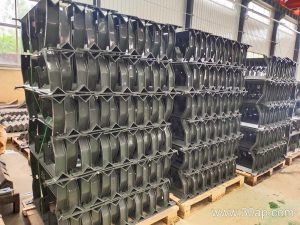
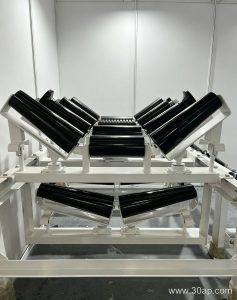
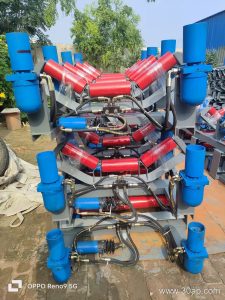
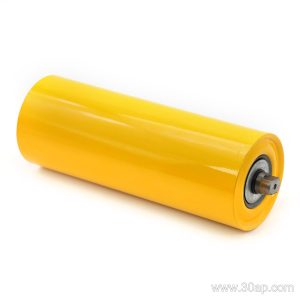
In a typical conveyor, the belt runs over idler rollers on the carrying side and return rollers underneath, wraps the drive pulley and tail pulley, and is supported by a conveyor bracket and frame. The belt itself is the load-bearing element; the pulleys transmit drive force, and the idlers support the belt and material. Each of these parts is selected separately.
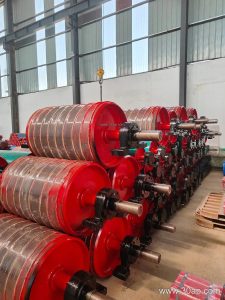
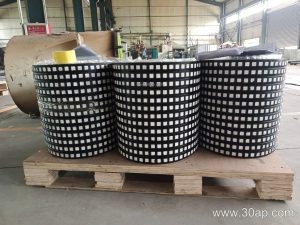
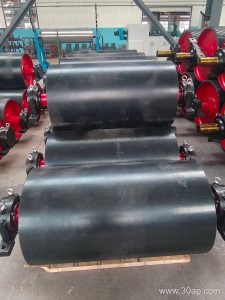
Related equipment names appear naturally in this context: the conveyor pulley at the head end, the idler roller sets along the line, and the conveyor bracket that holds the idlers in alignment. None of these replaces the belt, and the belt grade does not dictate their dimensions.
Cover Grades and Service Conditions
The ST1250 carcass can be combined with different cover compounds. A high abrasion resistant cover suits crushed rock, ore, and sand. A heat resistant conveyor belt cover is used where material arrives hot, such as in cement and steel plants. A flame retardant conveyor belt or fire resistant conveyor belt cover is specified for underground coal mining and other enclosed areas. Oil resistant and cold resistant covers are available for special duties.
For underground coal work, PVG conveyor belts are also widely used, and PVC conveyor belts appear in lighter duties. These are different product types and are mentioned only for comparison; they do not replace the ST1250 steel cord belt where high strength and low stretch are required.
What a Buyer Should Check
- Confirm the required tensile grade and belt width against the conveyor design, not against a catalogue default.
- State the material, lump size, and drop height so the cover thickness and impact resistance can be set.
- Describe the environment: temperature, oil exposure, fire risk, and whether the line is underground.
- Provide the pulley diameters and take-up arrangement so the belt can be checked for flex fatigue.
- Ask for the splice method and whether an endless conveyor belt is preferred for the installation.
- Check that the idler roller spacing and conveyor pulley lagging match the belt tension and load.
With the right cover grade and a properly designed conveyor, the ST1250 Conveyor Belt delivers reliable service in heavy-duty mining and bulk material handling. For related products such as the Steel Cord Conveyor Belt range, abrasion resistant covers, or Heat Resistant Conveyor Belt options, compare the full specification before ordering.