What the Head Pulley Does on a Belt Conveyor
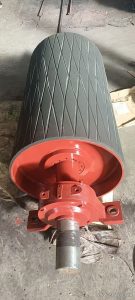
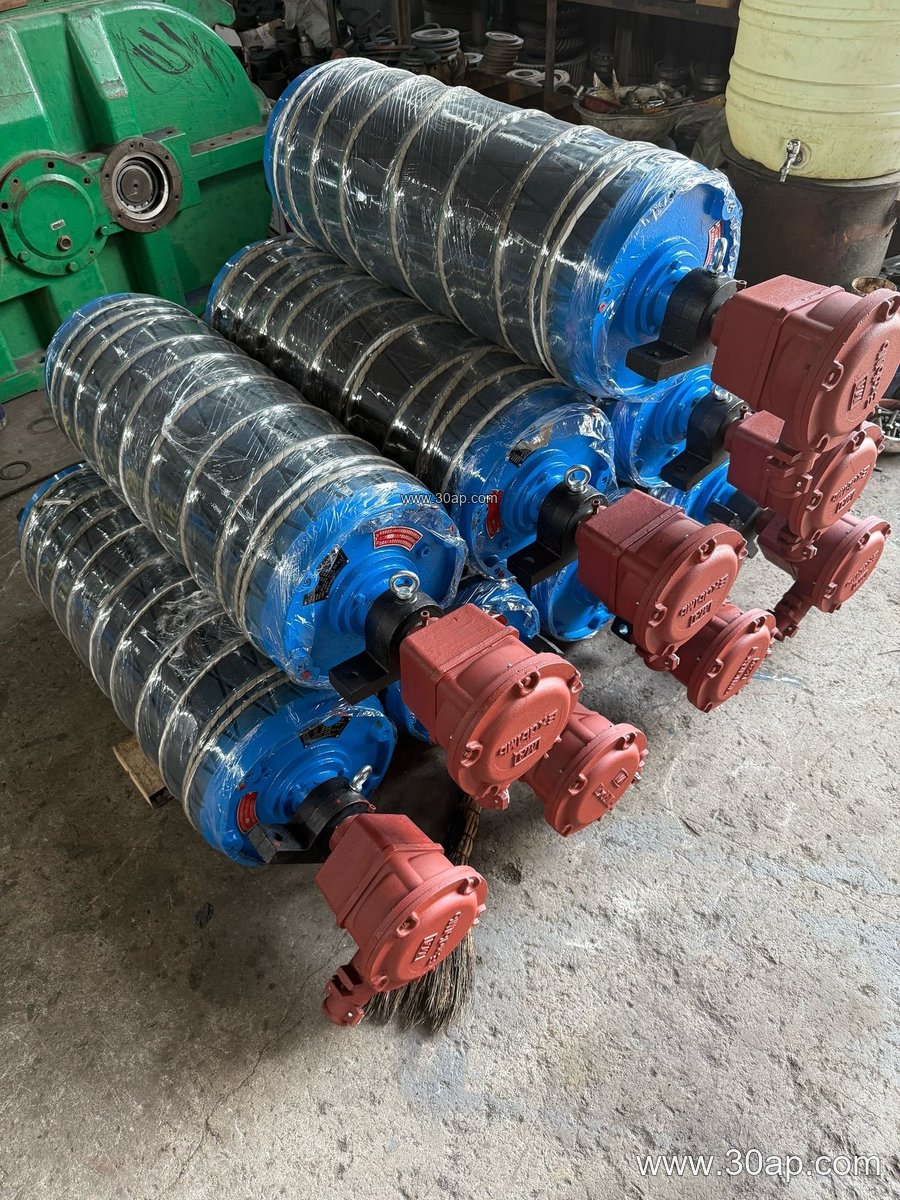
The belt conveyor head pulley is the driven pulley at the discharge end of the conveyor. It transmits torque from the drive unit to the conveyor belt, creating the friction that moves the loaded belt forward. Because it also sets the belt path as material leaves the conveyor, its diameter, face width, lagging and shaft design all influence belt tracking, wear and throughput. In many layouts the head pulley and the drive pulley are the same component; in others, a separate drive pulley may be used, but the head pulley remains the unloading point.
Core Duties
- Transfer drive torque to the belt through friction.
- Support the belt at the discharge point.
- Help maintain belt alignment as the belt leaves the terminal.
- Work with the take-up system to keep adequate belt tension.
It is not a tail pulley, a bend pulley or a tension pulley. Those perform different duties and should not be substituted for the head pulley when specifying a replacement.
Construction and Main Components
A typical head pulley is built around a steel shell, welded to end discs and a hub, with a shaft running through the centre. The shaft is supported by bearings mounted in conveyor brackets or pillow blocks on the conveyor frame. The shell surface may be plain or covered with lagging to improve grip. Common lagging options include hot vulcanised rubber, cold-bonded rubber, diamond grooved rubber, herringbone rubber and ceramic lagging. Lagging thickness is often 8, 10, 12, 15 or 20 mm, selected according to duty and belt tension.
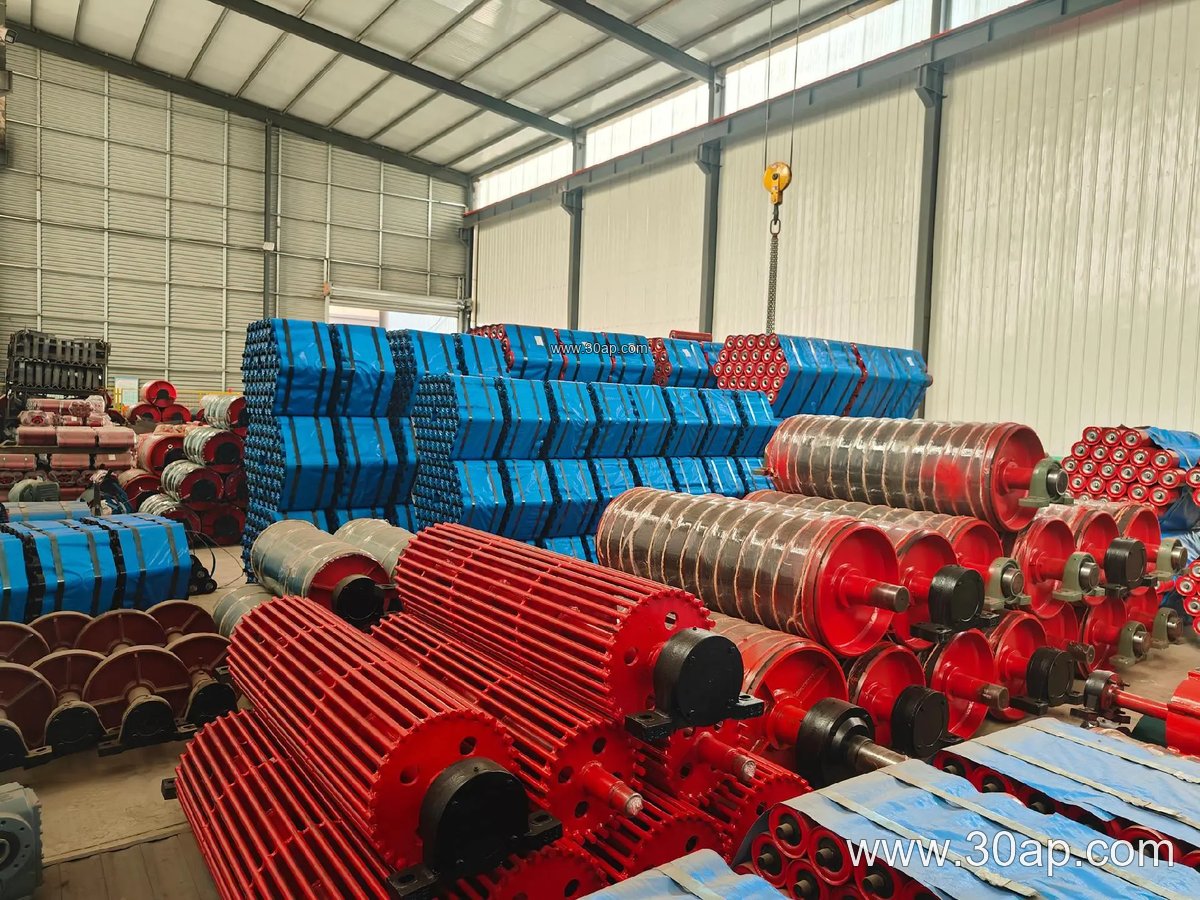
Typical Construction Elements
- Steel shell with machined face.
- Shaft sized by torque and load, not by belt width alone.
- Bearing housings and conveyor brackets.
- Lagging in plain, diamond or herringbone pattern.
- Optional ceramic tiles for high-wear discharge points.
Matching Diameter and Face Width to the Belt
Belt width and pulley diameter are related through belt tension, wrap angle, belt stiffness and the required discharge trajectory, but there is no single fixed pairing. A B800 conveyor may use a Ø500 head pulley in one plant and a larger diameter in another. Face width is usually wider than the belt; for example, B400 may use about 500 mm face, B650 about 750 mm, B1000 about 1150 mm, B1200 about 1400 mm and B1400 about 1600 mm. Shaft diameter is determined by the torque and bearing load, with common sizes including Ø80, Ø100, Ø120, Ø140 and Ø160, but the final value should come from the conveyor design.
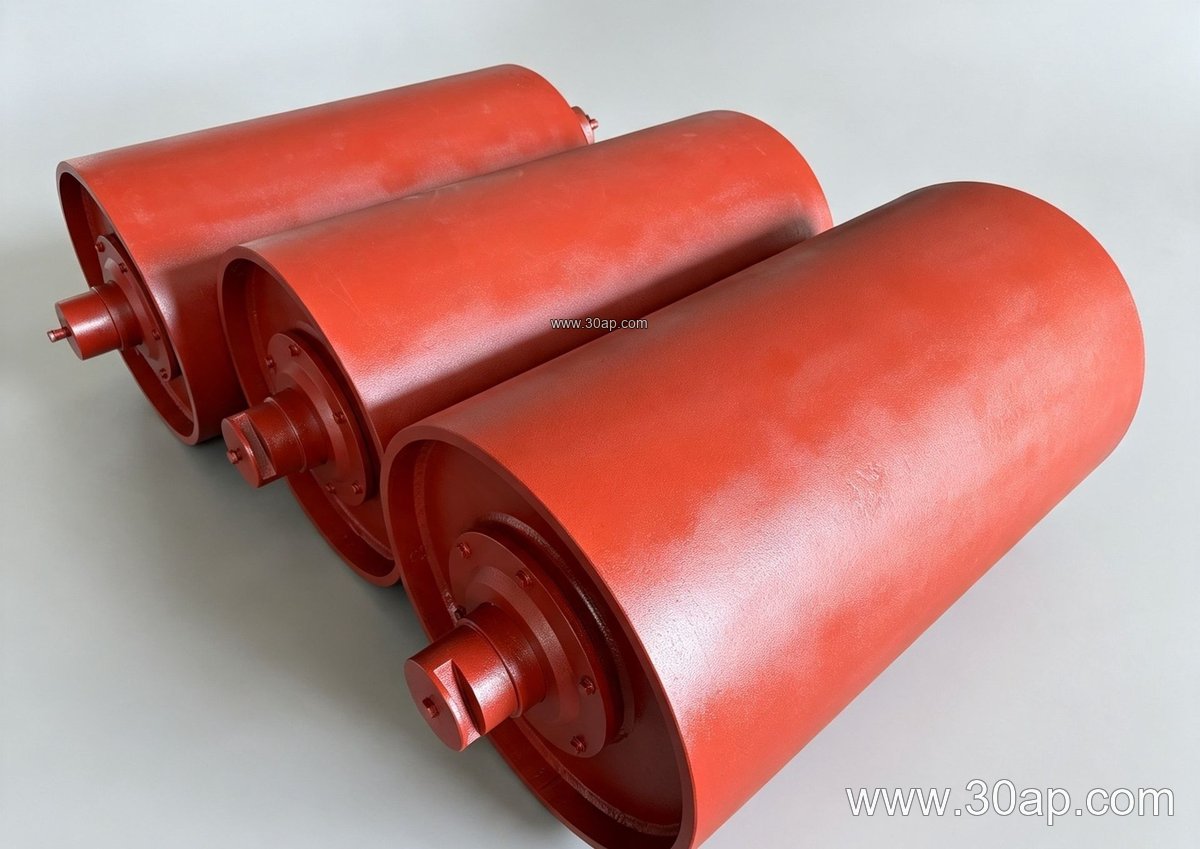
Reference Combinations
| Belt width | Typical face width | Example head pulley diameter |
|---|---|---|
| B500 | about 600 mm | Ø400 |
| B800 | about 950 mm | Ø500 |
| B1000 | about 1150 mm | Ø630 or Ø800 |
| B1200 | about 1400 mm | Ø800 or Ø1000 |
| B1400 | about 1600 mm | Ø800 or Ø1000 |
| B1600 | about 1800 mm | Ø1000 or Ø1250 |
These are reference values only. Final selection depends on the conveyor profile, belt type and operating tension.
Where Head Pulleys Are Used
Head pulleys appear across bulk handling operations. In a quarry or aggregate line, a head pulley discharges crushed stone onto a stockpile or transfer chute. In a coal handling system at a power plant, the head pulley works with a flame retardant conveyor belt and a set of idler rollers to move coal from the stockyard to the boiler feed system. In cement plants, head pulleys handle clinker and limestone on heavy-duty conveyors. Similar arrangements are found in iron ore and copper ore concentrators, fertiliser plants and port bulk terminals.
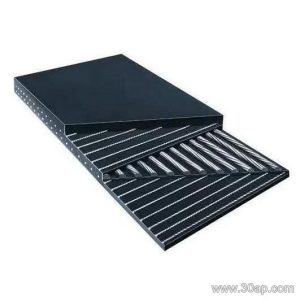
The belt itself may be a rubber conveyor belt, an EP conveyor belt or a steel cord conveyor belt, depending on tension and impact. A skirted conveyor belt or corrugated sidewall conveyor belt may need a wider face and careful clearance at the head pulley. In underground mining, a flame retardant or fire resistant conveyor belt is common, and the head pulley must be specified for the same duty class.
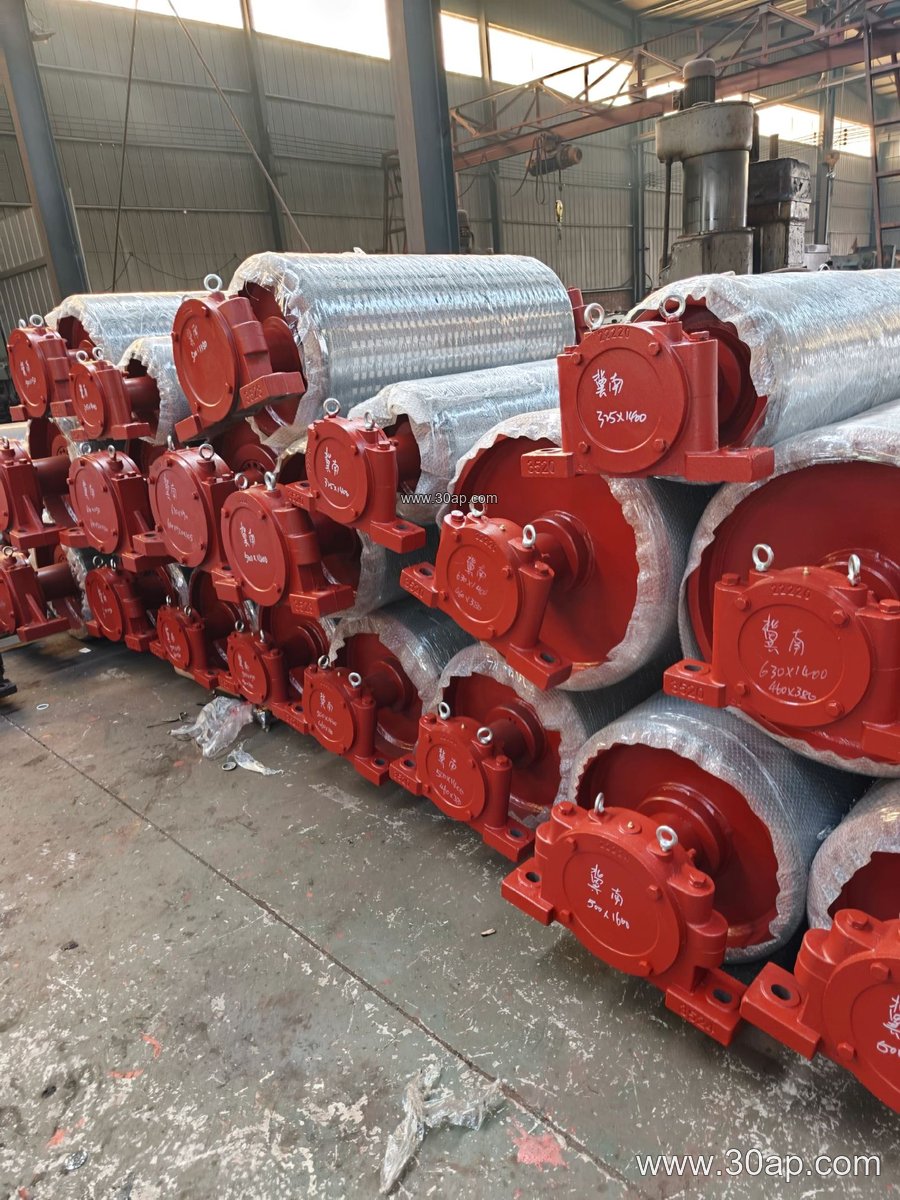
Buyer Checklist
Before ordering a replacement, confirm the belt width, the required face width, the pulley diameter, the shaft diameter and the bearing centres. Check the lagging type and thickness, and whether the surface should be plain, diamond or herringbone. Confirm the mounting arrangement and the conveyor bracket dimensions. Ask for the balance grade and the runout tolerance if high speed is involved. For abrasive service, consider ceramic lagging; for wet or oily conditions, check the rubber compound. Do not assume that a pulley from one belt width will fit another conveyor.
Maintenance Notes
- Inspect lagging for wear, glazing or missing tiles.
- Check belt tracking at the discharge point.
- Monitor bearing temperature and lubrication.
- Verify that the take-up system maintains correct tension.
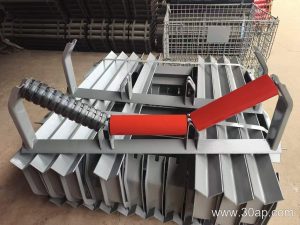
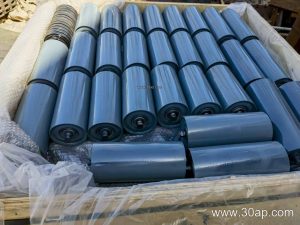
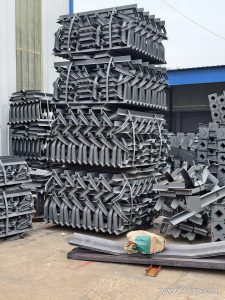
For related components, see conveyor pulley, idler roller and conveyor bracket options, and match them to the same duty class as the head pulley.