What a Copper Ore Conveyor Belt Has to Handle
Copper ore is heavy, sharp and unpredictable. Run-of-mine material arrives in lumps that can exceed 300 mm, mixed with fines, moisture and sometimes acidic residue from oxidation. The belt that carries this load has to absorb impact at the transfer point, resist cutting and gouging along the full length, and keep tracking through a loaded structure. In practice, a copper ore conveyor belt is specified around three demands: tensile strength, abrasion resistance and impact tolerance. Everything else — heat, oil, flame rating — depends on the specific section of the flowsheet.
Copper concentrators, heap leach operations, smelters and port loading terminals all use different belt constructions. A primary crushing station feeding a stockpile is not the same duty as a fine ore belt feeding a ball mill. Buyers who understand this distinction avoid both under-specifying and overspending.
Construction of a Copper Ore Conveyor Belt
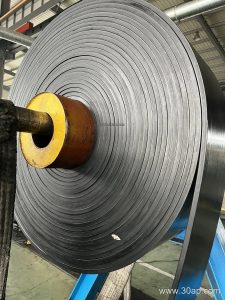
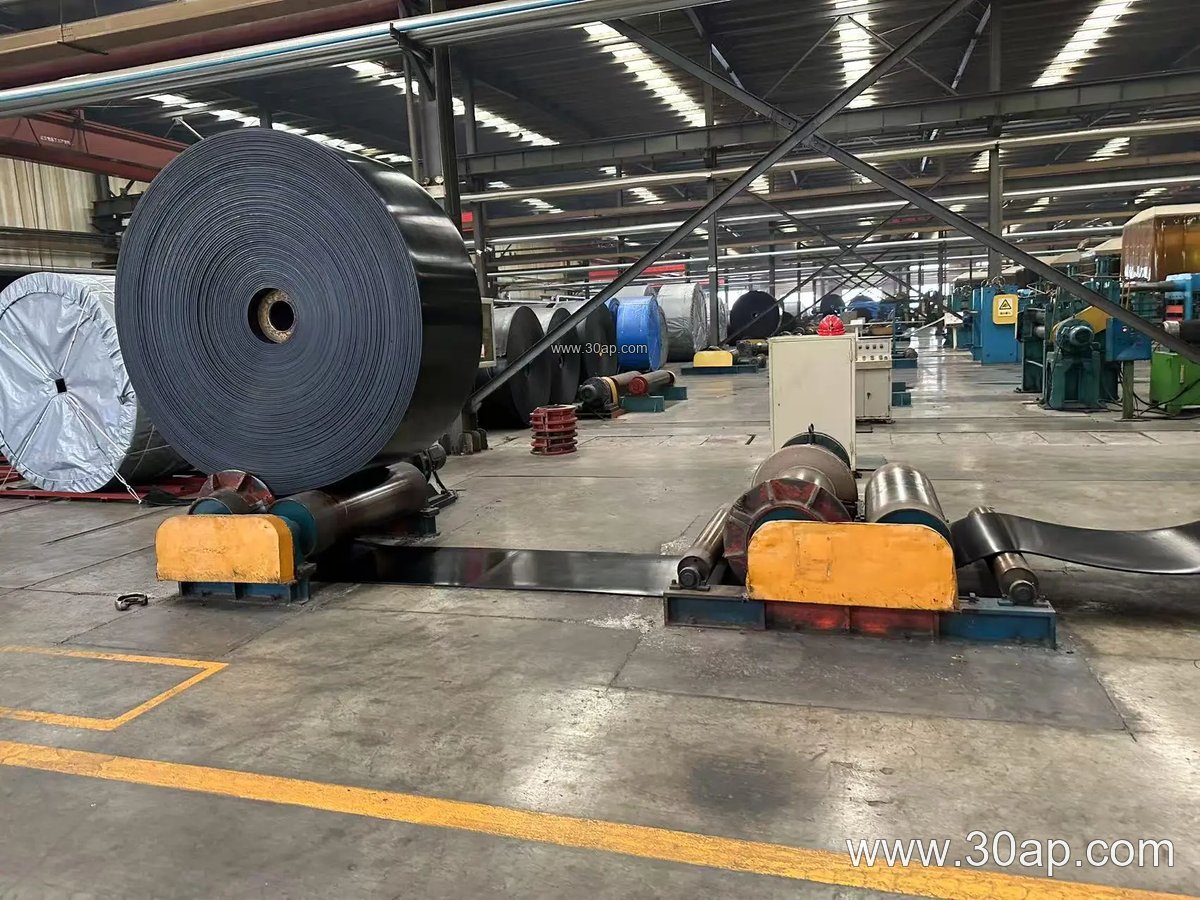
The carcass does most of the structural work. For main haulage lines, a Steel Cord Conveyor Belt is a common choice because a single layer of steel cords carries very high tension with low elongation. For shorter runs, inclined sections and secondary conveyors, fabric carcasses are typical. EP fabric (polyester warp, polyamide weft) offers good fatigue life and low stretch, while NN nylon carcasses absorb shock better and suit impact-heavy loading points. A Multi-Ply Fabric Core Conveyor Belt with four to six plies is still found on older installations and heavy-duty transfer belts.
Cover compounds are where copper ore does its damage. Top covers usually range from 5+2 to 8+3 mm for high-abrasion duty, with harder rubber grades resisting cutting by sharp rock. Bottom covers are thinner but must still protect the carcass from idler contact. Edge construction matters too — cut edges are normal on fabric belts, while steel cord belts are usually moulded.
Typical Specifications and Reference Data
The table below shows common configurations. These are reference ranges, not fixed pairings; final selection follows conveyor design, tonnage and lump size.
- Belt width: B500 to B2000 mm (B650, B800, B1000, B1200, B1400 and B1600 are the most frequent in copper plants)
- Fabric strength grades: EP200, EP315, EP400, EP500, EP630, EP800, EP1000, EP1250
- Steel cord grades: ST1000, ST1250, ST1600, ST2000, ST2500, ST3150
- Cover thickness: 3+1.5, 4+2, 5+2, 6+2, 8+3 mm
- Ply count: 2 to 6 layers in fabric cores
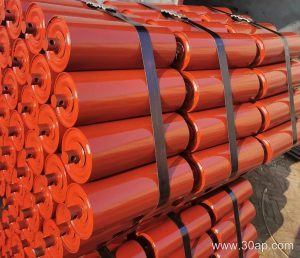
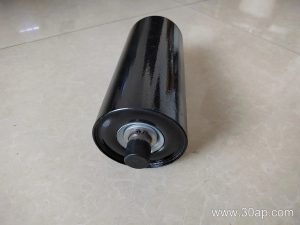
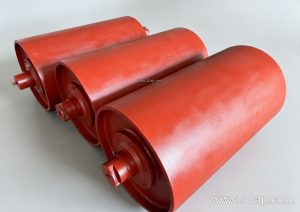
Do not assume a given belt width locks you into one pulley diameter or shaft size. Pulley dimensions depend on belt tension, wrap angle and carcass stiffness, and are calculated per conveyor. The drive pulley, tail pulley and bend pulley each perform different roles and are sized separately. Likewise, idler roller spacing and trough angle are set by load and belt sag, not by belt width alone.
Matching the Belt to the Duty
Different sections of a copper operation call for different belt behaviour:
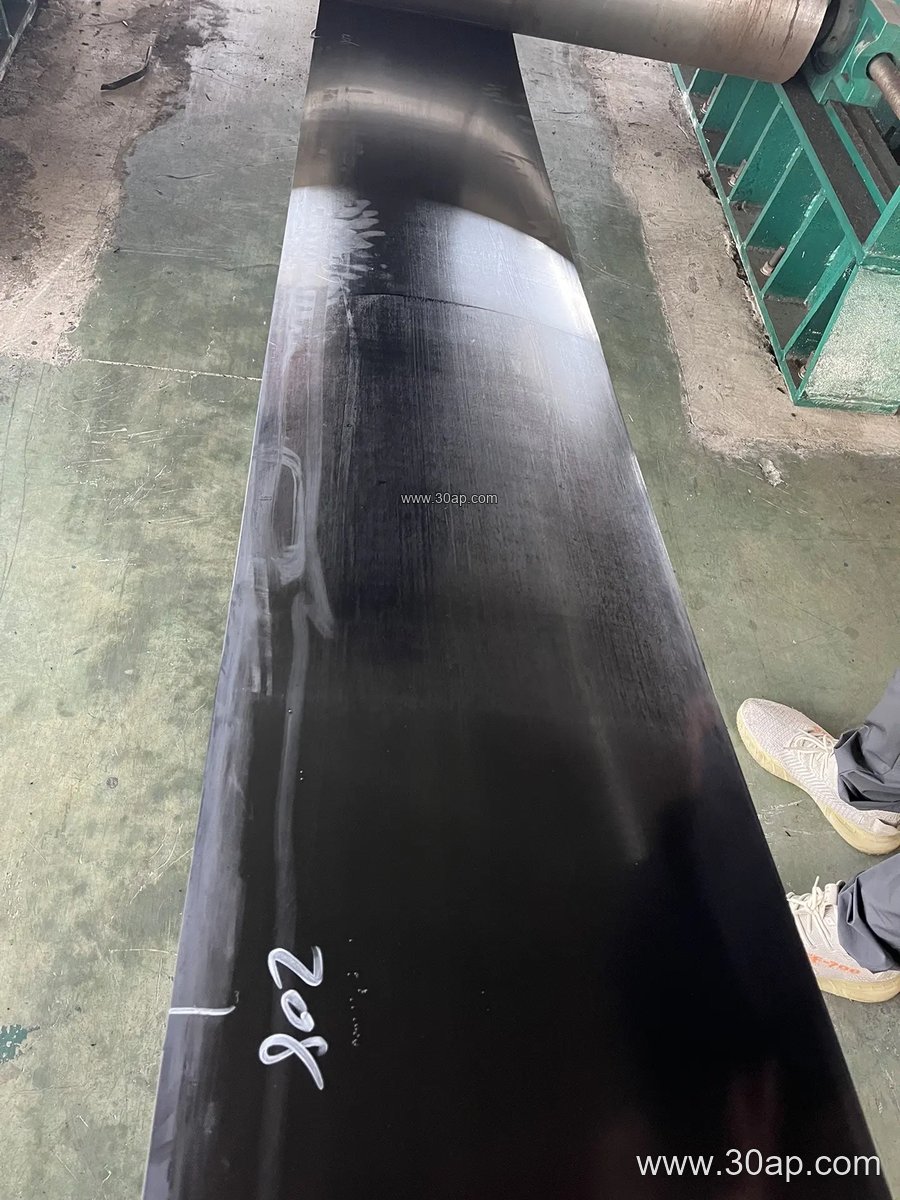
- Primary crushing and transfer points: high impact resistance, thick top cover, sometimes a cushion of fines.
- Long overland haulage: steel cord carcass for low elongation and fewer splices.
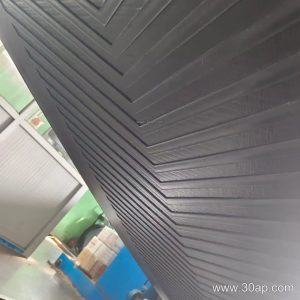
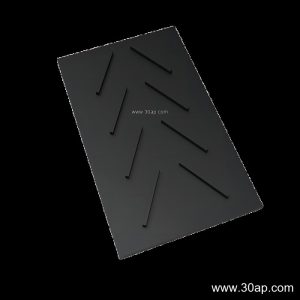
- Inclined stockpile feed: a Chevron Conveyor Belt or a Corrugated Sidewall Conveyor Belt prevents rollback on steep angles.
- Concentrator and thickener areas: chemical resistance where acidic slurry is present.
- Enclosed or covered galleries: a Flame Retardant Conveyor Belt and anti-static construction are often requested for safety.
Where the route must bend or contain dust, a Pipe Conveyor Belt can replace a conventional troughed line, though it changes the pulley and idler arrangement entirely. For comparison, a Heat Resistant Conveyor Belt is used near dryers and kilns rather than on ore haulage, and an Oil Resistant Conveyor Belt belongs in workshops and machinery areas, not on raw ore lines.
What Buyers Should Check Before Ordering
Start with a duty description: material size distribution, bulk density, moisture, throughput in tonnes per hour, conveyor length, incline angle, and ambient temperature. Then confirm the carcass grade and cover compound. Ask how the belt will be joined — vulcanised splice or mechanical fastener — because splice efficiency affects the required safety factor. Verify pulley diameters against the selected carcass, since an undersized drive pulley can over-flex a stiff belt and shorten its life.
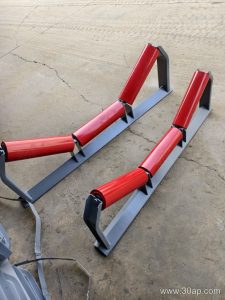
Also review the supporting hardware: idler roller type and spacing, conveyor pulley lagging, and conveyor bracket condition. A premium belt on worn, misaligned idlers will fail early. Spare parts planning matters too — keeping a spare Abrasion Resistant Conveyor Belt roll or a section of the same specification shortens downtime during a splice.
Maintenance and Service Life
Inspect covers for cuts and exposed carcass, check splice integrity, and watch for edge damage caused by misalignment. Clean return-side carryback at the discharge point; trapped fines under the belt grind the bottom cover and press into idlers. Track belt tension and re-tension as needed. Most copper ore belt failures trace back to loading point abuse or poor tracking rather than the carcass itself, so impact beds, skirt rubber and chute design deserve as much attention as the belt specification.