What a 315mm Diameter Conveyor Pulley Is
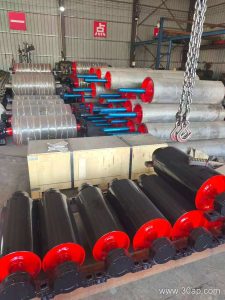
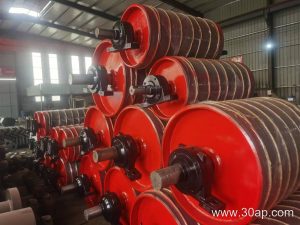
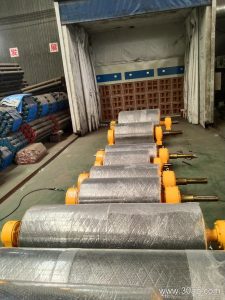
A 315mm diameter conveyor pulley is a drum-shaped rotating component with an outside diameter of Ø315 mm, used to support and guide the conveyor belt in a bulk material handling line. It is often supplied as a bend pulley or snub pulley in medium-width conveyors, where the belt needs a controlled change of direction without a large wrap angle. In a quarry, a limestone mine, or a sand and gravel plant, this size sits between the smaller snub rollers and the larger head drums, so it fits well in return-side routing and take-up arrangements.
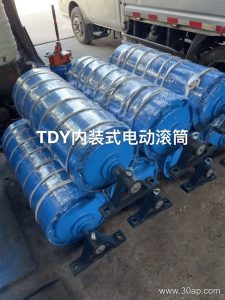
The same component may be described as a Ø315 conveyor drum or a 315 mm belt conveyor pulley. These are equivalent names for the same product. Drive pulleys, tail pulleys, and bend pulleys are different positions in the system and are not interchangeable; a 315mm drum is most often chosen for a bend or take-up duty, though the final role depends on the conveyor design.
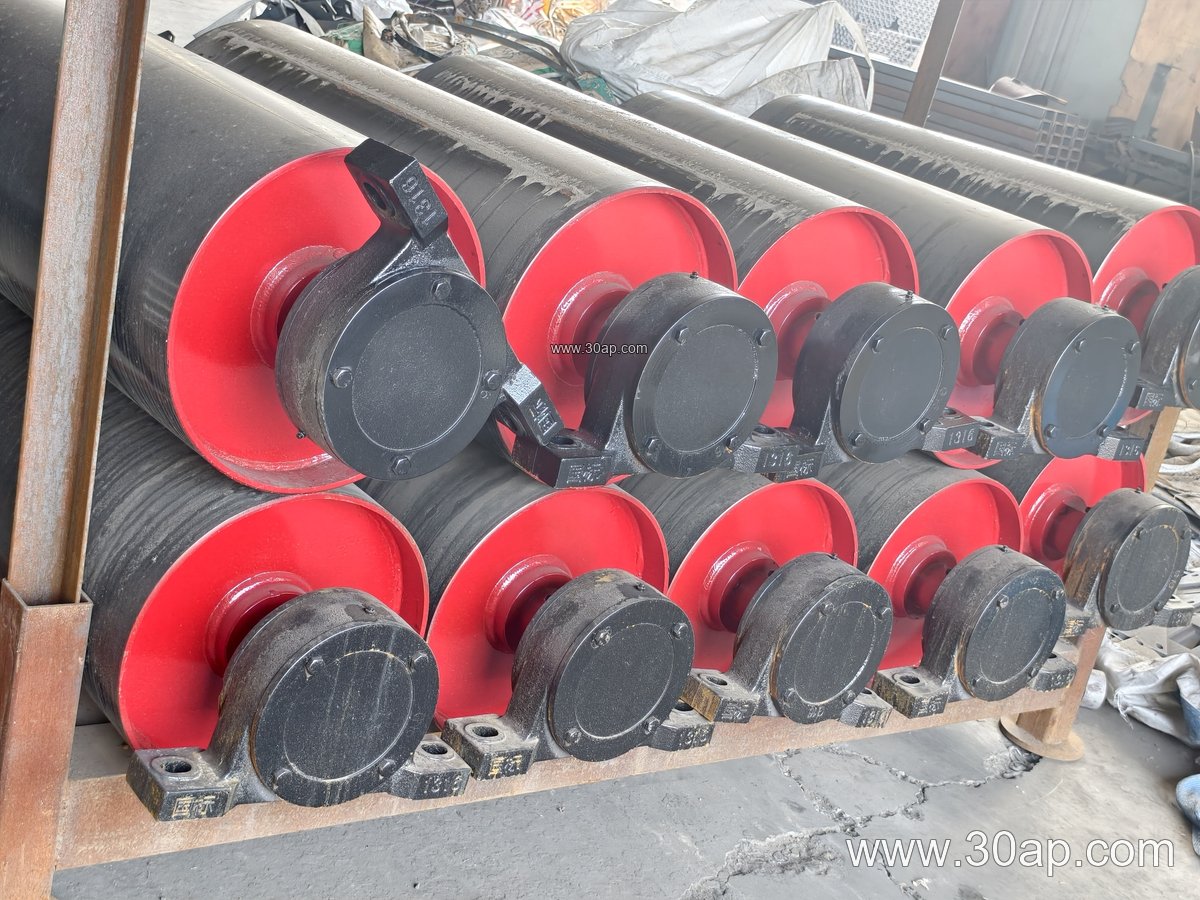
Construction and Surface Options
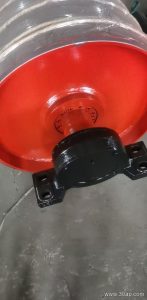
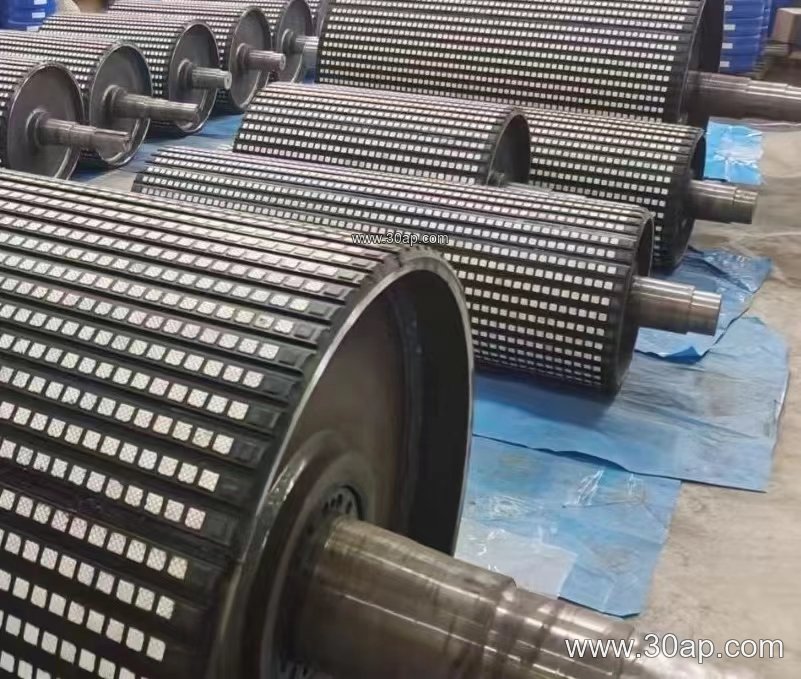
The pulley body is usually a welded steel shell with end discs and a shaft, machined for concentricity and balanced for the belt speed. Common surface forms include plain, rubber lagged, diamond lagged, and ceramic lagged. Lagging thickness is commonly 8, 10, 12, 15, or 20 mm, selected according to belt tension and grip requirements.
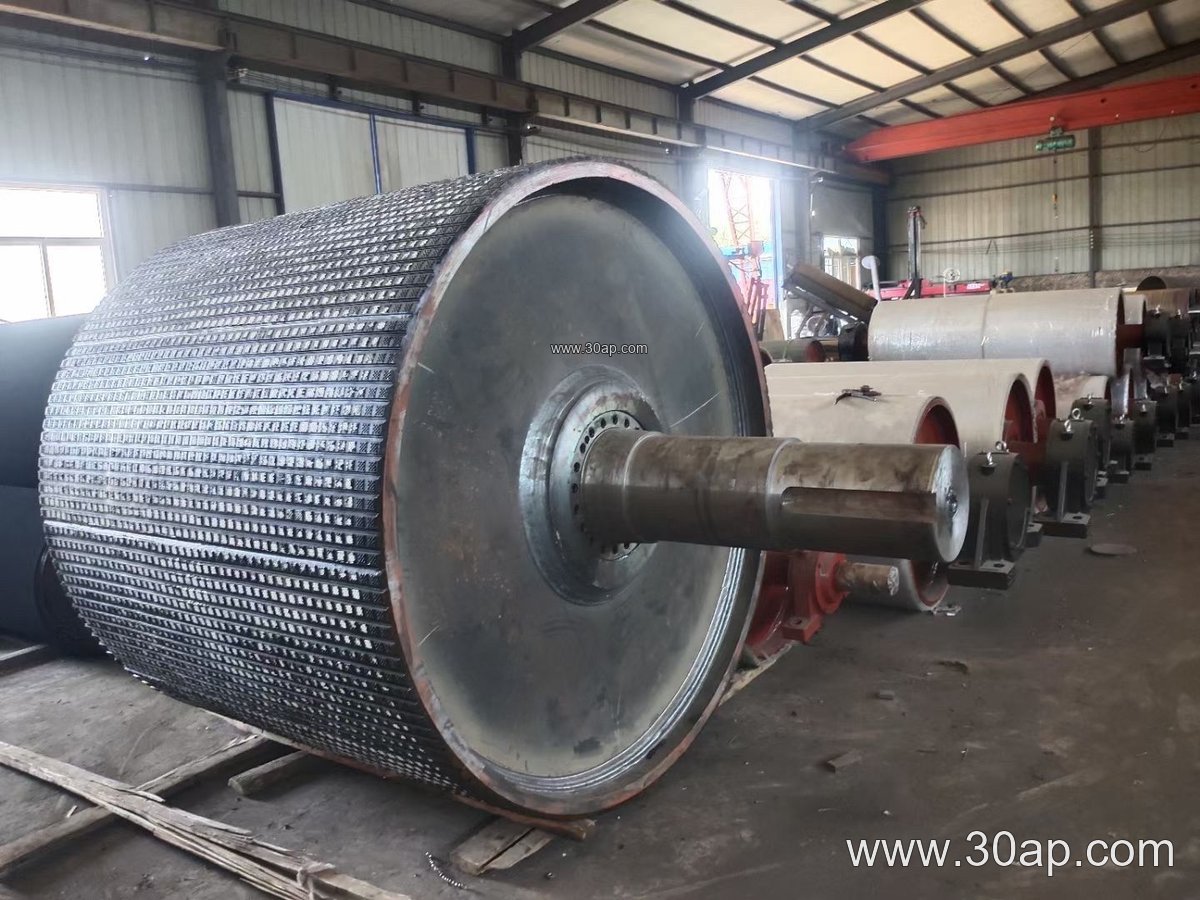
- Shell: rolled and welded steel, machined outside diameter
- Lagging: plain, cold-bonded rubber, hot-vulcanized rubber, diamond, or ceramic
- Shaft: diameter determined by torque and load, not by belt width alone
- Bearings and housing: matched to the duty and shaft size
For a 315mm diameter drum, the face width is normally wider than the belt. A B650 belt may run on a pulley face of about 750 mm, while a B800 belt may use about 950 mm. These are typical references, not fixed pairings, and the actual face width is set by the conveyor designer.
Where It Fits in a Conveyor
This drum size appears in cement plants, power plant coal handling, and crushing and screening lines. On the return side, a Ø315 bend pulley can lift the belt clear of structure or guide it into a take-up frame. In a coal preparation plant it may work with a flame retardant conveyor belt, while in an iron ore or copper ore circuit it may run with an abrasion resistant conveyor belt. The pulley should match the belt construction, whether that is an EP conveyor belt, an NN conveyor belt, or a steel cord conveyor belt.
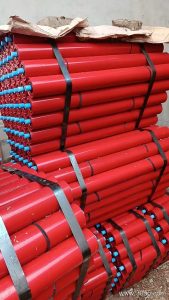
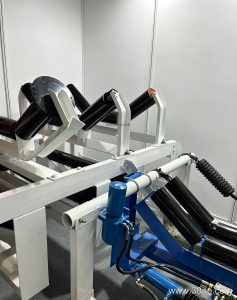
When the layout needs a larger wrap or higher torque, a drive pulley of Ø500 or Ø630 may be used instead; the 315mm drum is not a substitute for those positions. Matching equipment such as the idler roller, conveyor bracket, and conveyor pulley frame should be checked together so the belt tracks correctly.
Ordering Checks for Buyers
Before ordering a 315mm diameter conveyor pulley, confirm the belt width, the pulley face width, the shaft diameter, the bearing type, and the lagging style. A common arrangement is B800 × Ø315 or B1000 × Ø315, but the diameter is not fixed by belt width. Shaft sizes such as Ø80, Ø100, or Ø120 mm are common, yet the correct value comes from torque and load calculations.
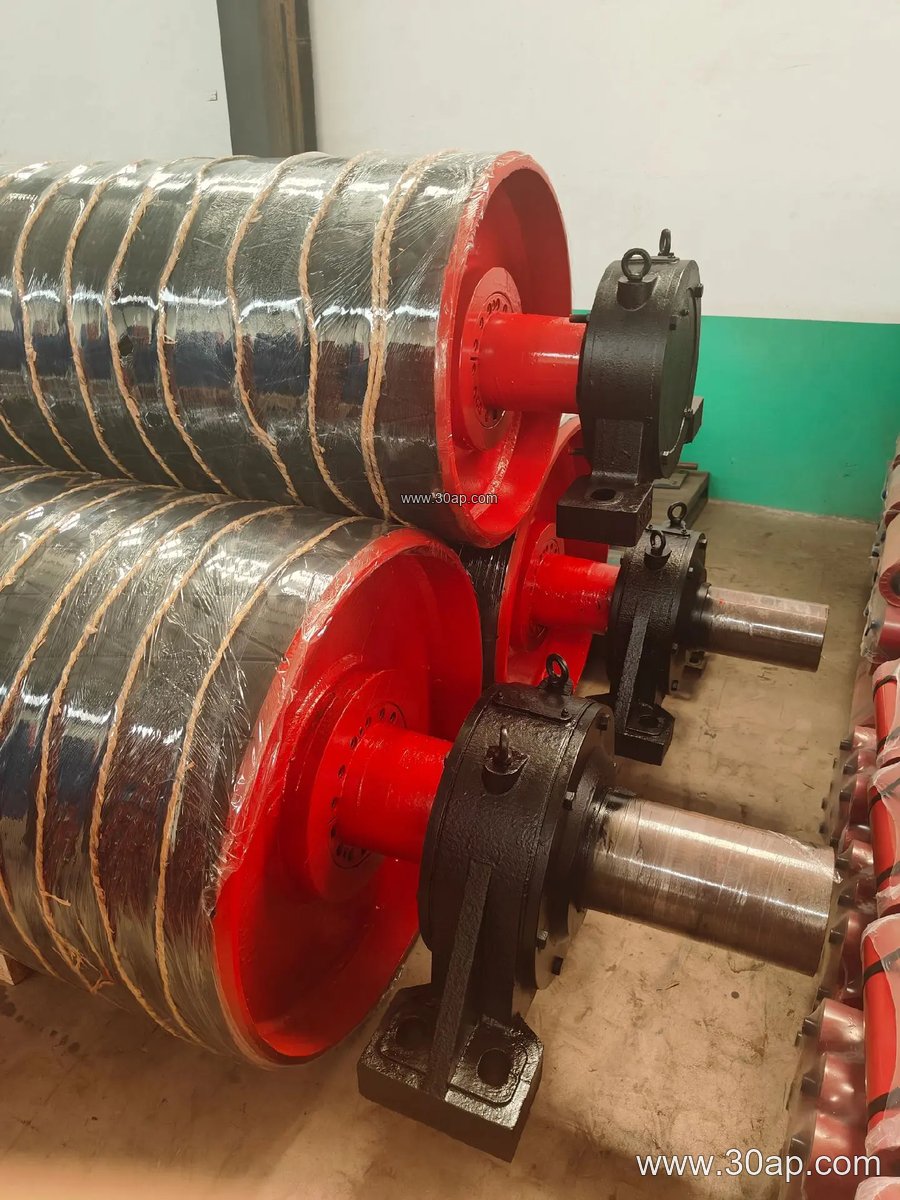
Also state the working environment: a dusty quarry, a wet coal wash, or a hot cement line each calls for different lagging and bearing protection. Buyers should ask for a drawing showing the shell, shaft, keyway, and lagging thickness so the unit fits the existing conveyor bracket and take-up frame.
Maintenance Notes
Check lagging wear, shaft alignment, and bearing temperature at regular intervals. A worn diamond lagging on a bend pulley can allow belt slip and misalignment, so replacement lagging should be planned before the surface becomes smooth. Keep the pulley clean and confirm that the belt and idler roller are running freely, since a dragging idler can overload the drum.