What a Head Bend Pulley Does
A head bend pulley is a redirecting conveyor pulley placed near the head drive of a belt conveyor. Its job is to change the direction of the conveyor belt as it leaves the head pulley or approaches it from the return side, so the belt can wrap the drive pulley with enough contact angle and then travel back along the return strand without interference. It does not pull the belt and it does not set belt tension; those tasks belong to the drive pulley and the take-up arrangement.
Because it steers rather than drives, the head bend pulley is often grouped with other bend or snub pulleys in the conveyor pulley family. It is not a drive pulley, not a tail pulley, and not a tension pulley, even when it sits close to one of them. Buying the right item starts with naming its position and duty correctly.
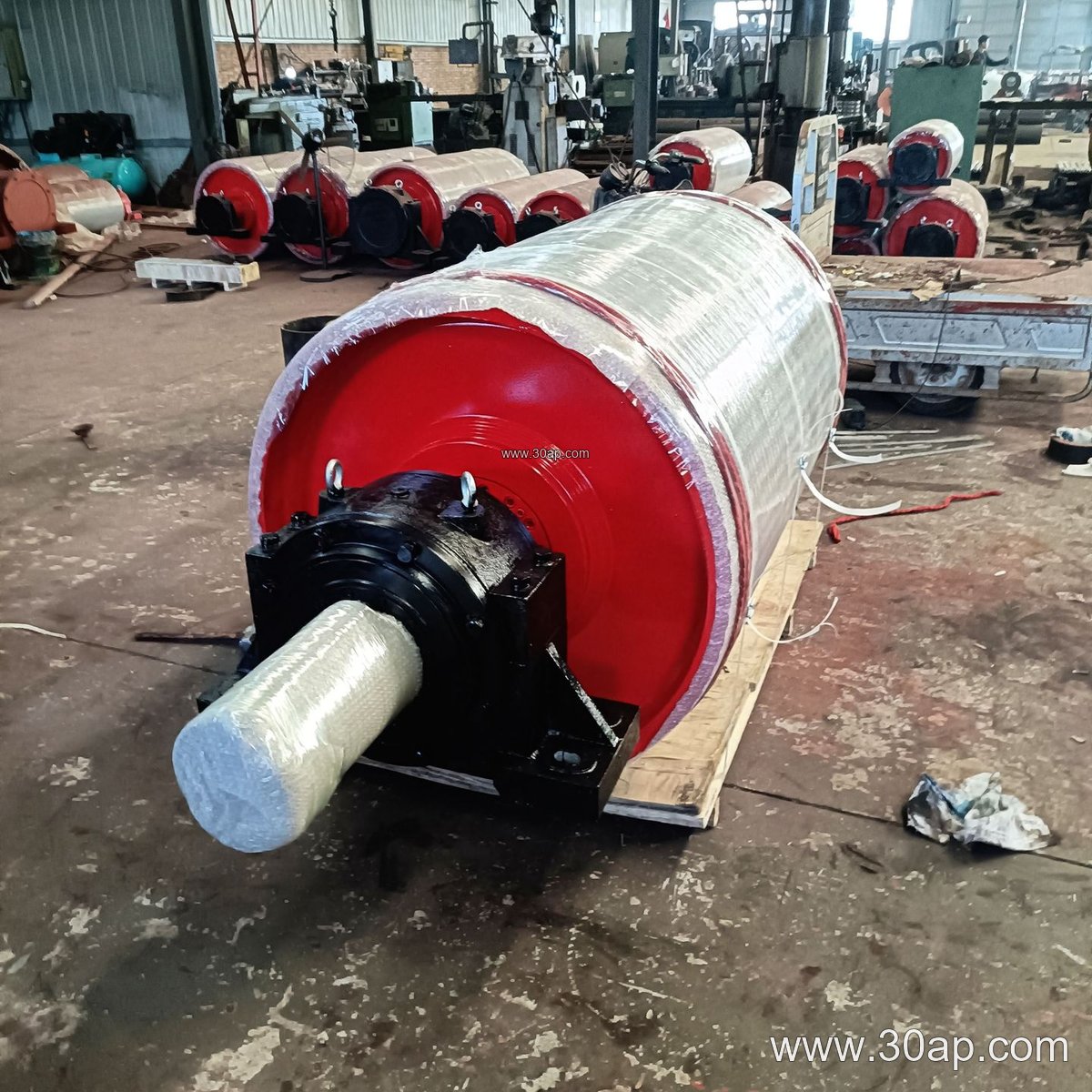
Construction and Surface Options
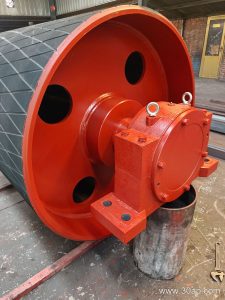
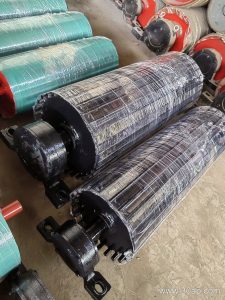
The pulley is normally built around a welded steel shell with end discs, a shaft, and bearing housings mounted in conveyor brackets on the conveyor frame. Common shell diameters include Ø315, Ø400, Ø500, Ø630 and Ø800, with larger sizes such as Ø1000 or Ø1250 used on high-capacity lines. Face width usually runs a little wider than the belt, for example about 1150 mm for a B1000 conveyor or about 1600 mm for a B1400 belt, but the exact figure follows the design.
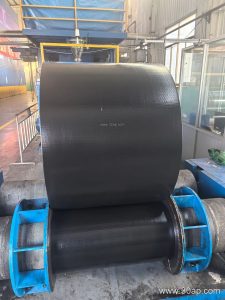
Surface treatment depends on the belt and the environment. Plain finish is common where the pulley only needs to guide a clean return strand. Rubber lagging, applied by cold bonding or hot vulcanizing, improves grip on the belt and protects the shell. Diamond or herringbone grooving helps shed water and fines. Ceramic lagging is chosen where slip and abrasive dust are both problems. Lagging thickness commonly ranges from 8 mm to 20 mm, with 10 mm and 12 mm being frequent choices for bend positions.
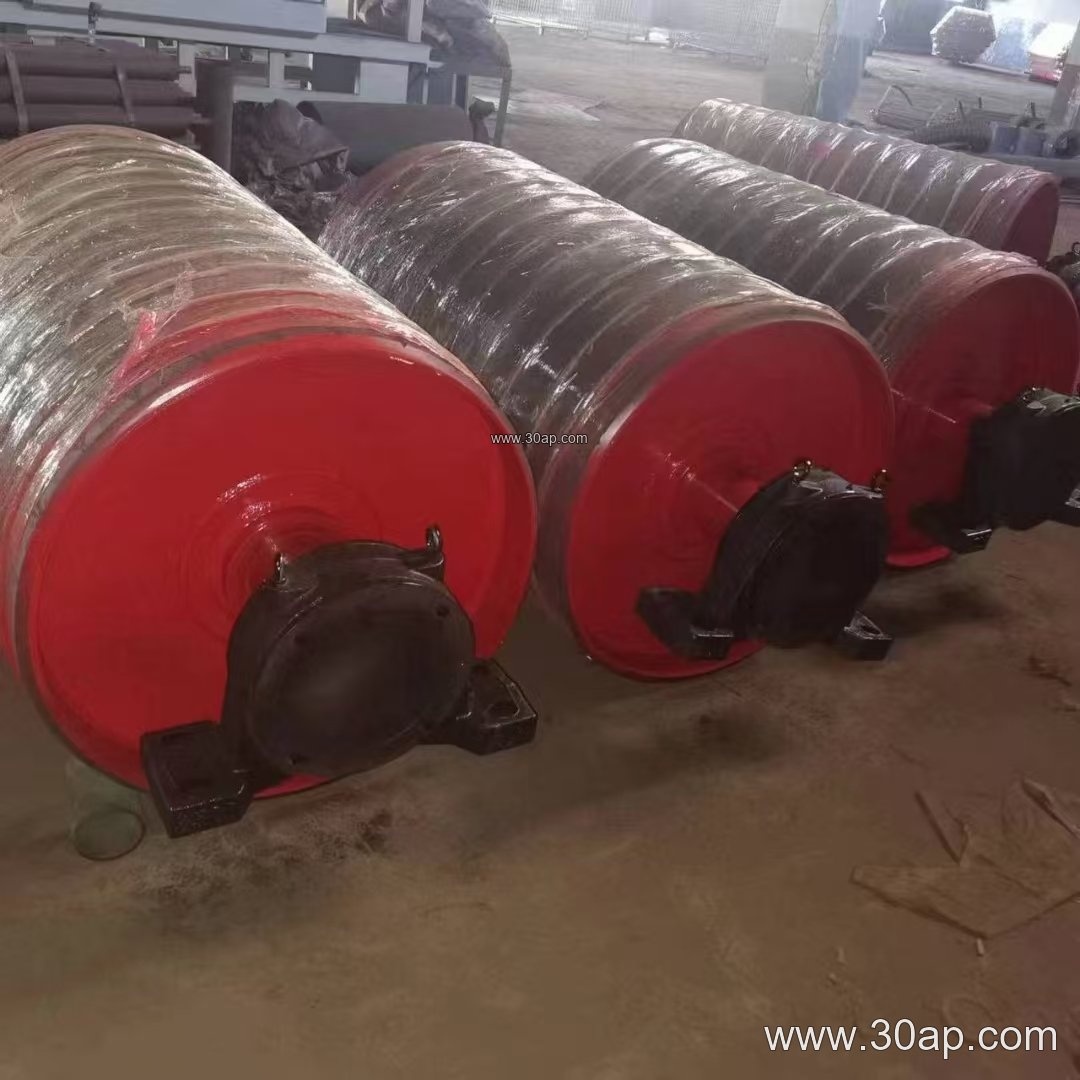
Shaft diameter is set by torque and bearing load, not by belt width alone. Typical shaft sizes run from Ø50 to Ø200, and a B800 head bend pulley might use Ø80 or Ø100 shafting depending on the calculated load. The pulley is balanced and, on wider conveyors, may be supplied with a slightly crowned face to help the belt track.
Typical Installations
In a quarry or aggregate plant, a head bend pulley is often used to route the belt around the drive station so the return strand clears the chute and the structure. In a coal handling system or power plant coal yard, the same pulley may work behind a flame retardant conveyor belt where space at the head end is tight. Cement plants use them on clinker and raw material lines, and they also appear in iron ore and copper ore concentrators where heavy-duty belts run at high tension.
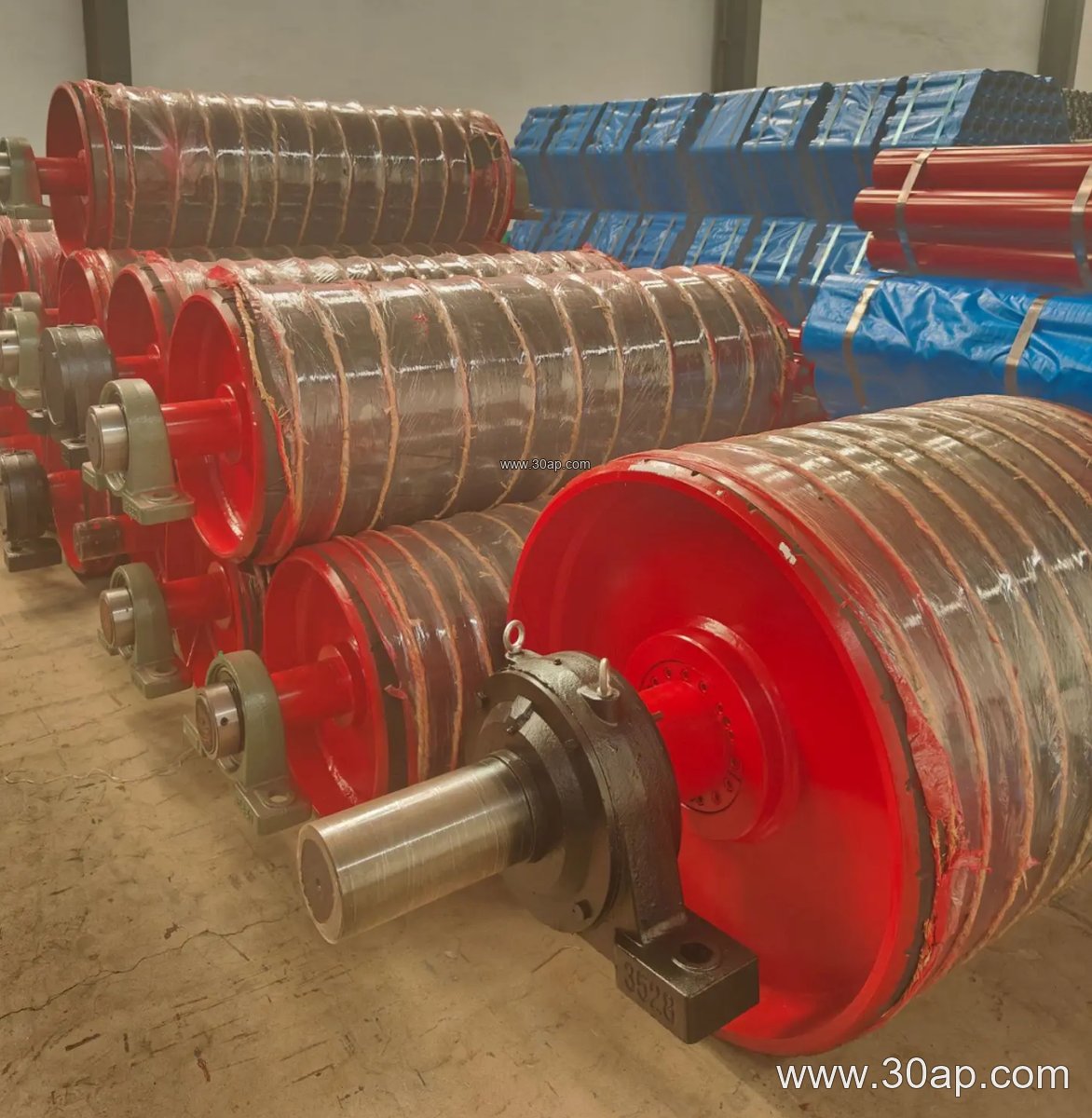
The pulley should be matched to the belt it guides. A multi-ply fabric core belt such as an EP conveyor belt or NN conveyor belt behaves differently from a steel cord conveyor belt, and the bend radius and pulley diameter must suit the belt construction. On a long overland line with a steel cord conveyor belt, the bend pulley diameter is usually generous to limit bending stress in the cords. On a short in-plant conveyor with a rubber conveyor belt, a smaller shell may be acceptable.
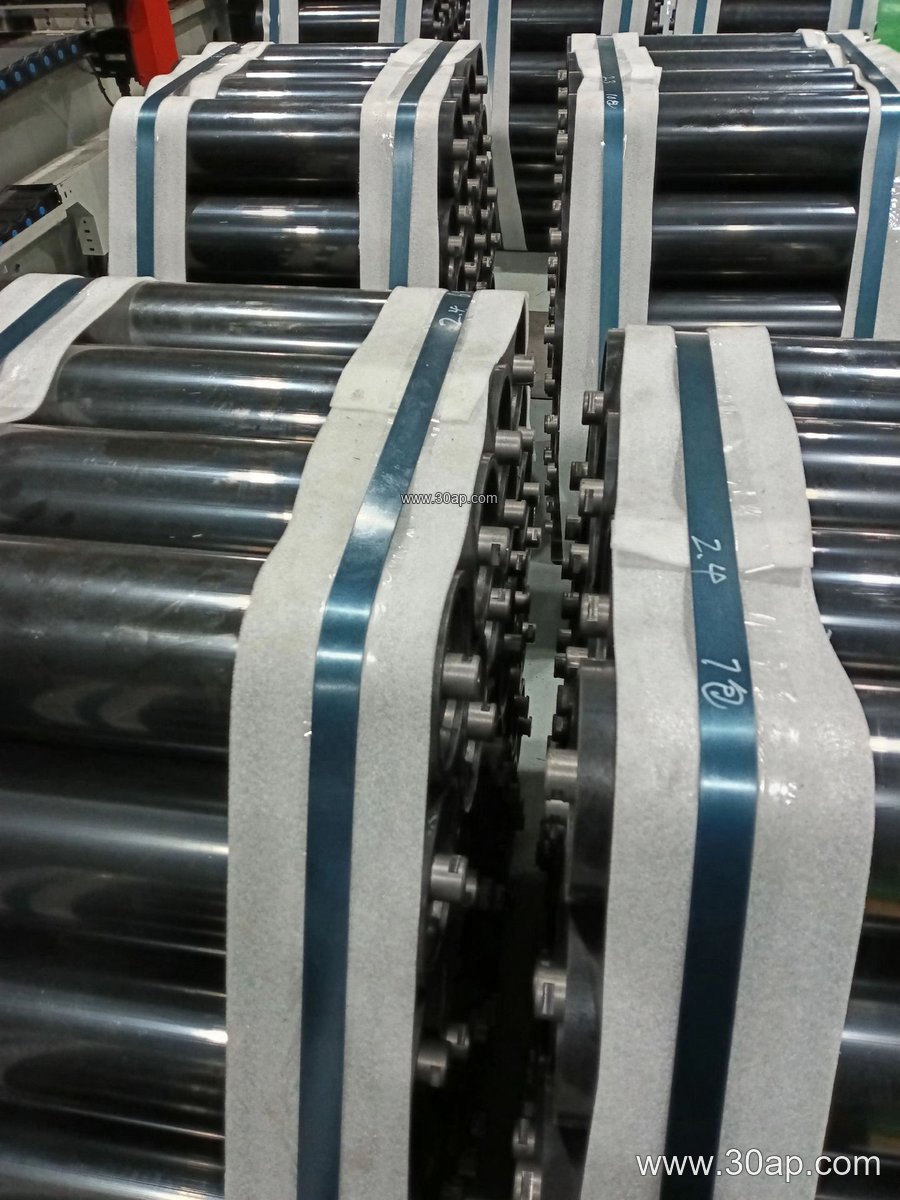
Selection Points for Buyers
Give the supplier the belt width, belt type, belt speed, wrap angle, and the load the pulley will see. State whether the position is a head bend, a snub before the drive, or a return-side redirect, because the bearing arrangement and lagging choice change with the duty. Confirm the shaft diameter against the calculated torque rather than copying a value from another conveyor.
- Face width and shell diameter, e.g. B1200 × Ø1000 or B800 × Ø500 as a starting reference
- Lagging type and thickness, such as 10 mm diamond rubber or ceramic
- Bearing type, housing style, and mounting centres for the conveyor bracket
- Balancing class and shaft material for high-speed or heavy-duty service
- Whether the pulley is supplied with the shaft, bearings, and fasteners
Consider the whole station: the drive pulley, the idler roller set on the return strand, and the belt itself all interact with the bend pulley. A pulley that is too small or poorly lagged can cause belt slip, edge damage, or tracking problems that are often blamed on the belt.
Maintenance and Belt Compatibility
Check lagging wear at each shutdown. Worn or glazed lagging reduces friction and can let the belt drift. Inspect bearings for temperature rise and listen for noise, and confirm that the pulley turns freely by hand when the belt is stopped. Keep the area around the pulley clear of spilled material, which can build up on the shell and disturb tracking.
When replacing a head bend pulley, record the existing dimensions and the belt type before ordering. A line running a chevron conveyor belt, a corrugated sidewall conveyor belt, or a pipe conveyor belt may need a different approach at the bend position than a flat belt line, and the supplier should know which belt is fitted. Matching the pulley to the belt, the load, and the frame is what keeps the head end of the conveyor running smoothly.