What a Cement Conveyor Belt Has to Handle
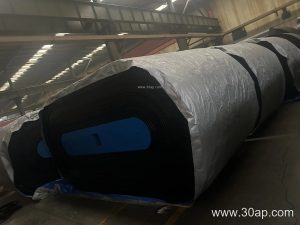
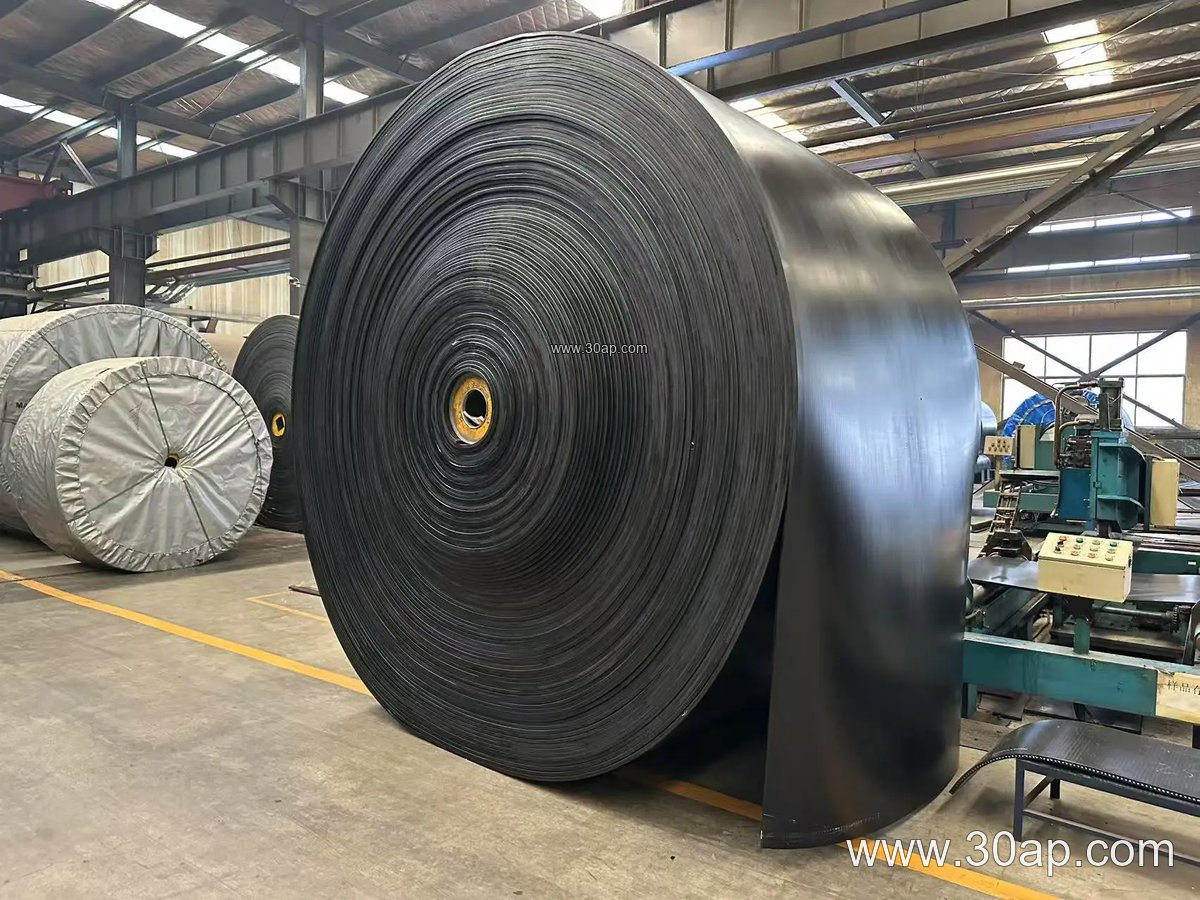
A cement conveyor belt is the carrying surface that moves limestone, clay, clinker, gypsum, raw meal and packed bags between crushers, silos, kiln feed systems and loading points. In a cement plant the belt often works in a dusty, abrasive and sometimes hot environment, so the rubber compound and the carcass have to be chosen for the duty rather than picked from a single catalogue line. The same product family is also used in quarries, power plants, steel works and port terminals where similar bulk materials are handled.
Because cement lines combine sharp clinker, fine dust and occasional hot material, buyers usually look at three things together: the fabric or steel reinforcement, the cover rubber grade, and the belt width that matches the existing conveyor pulley and idler roller arrangement.
Construction and Common Types
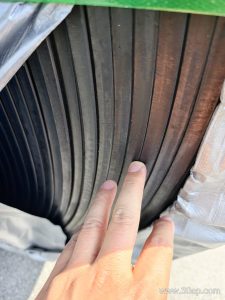
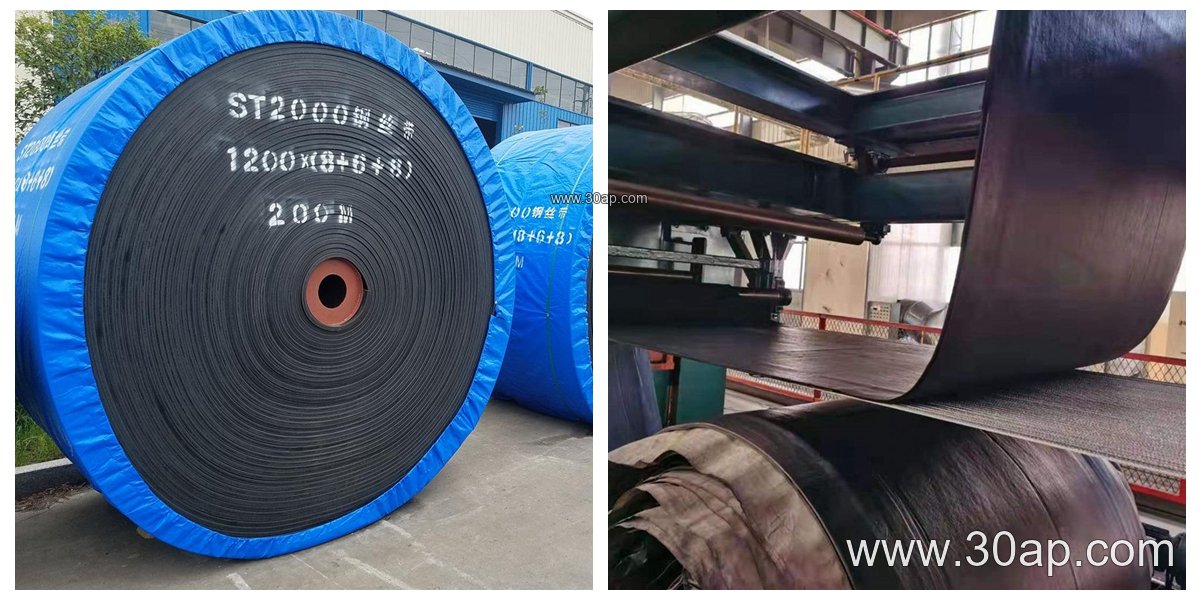
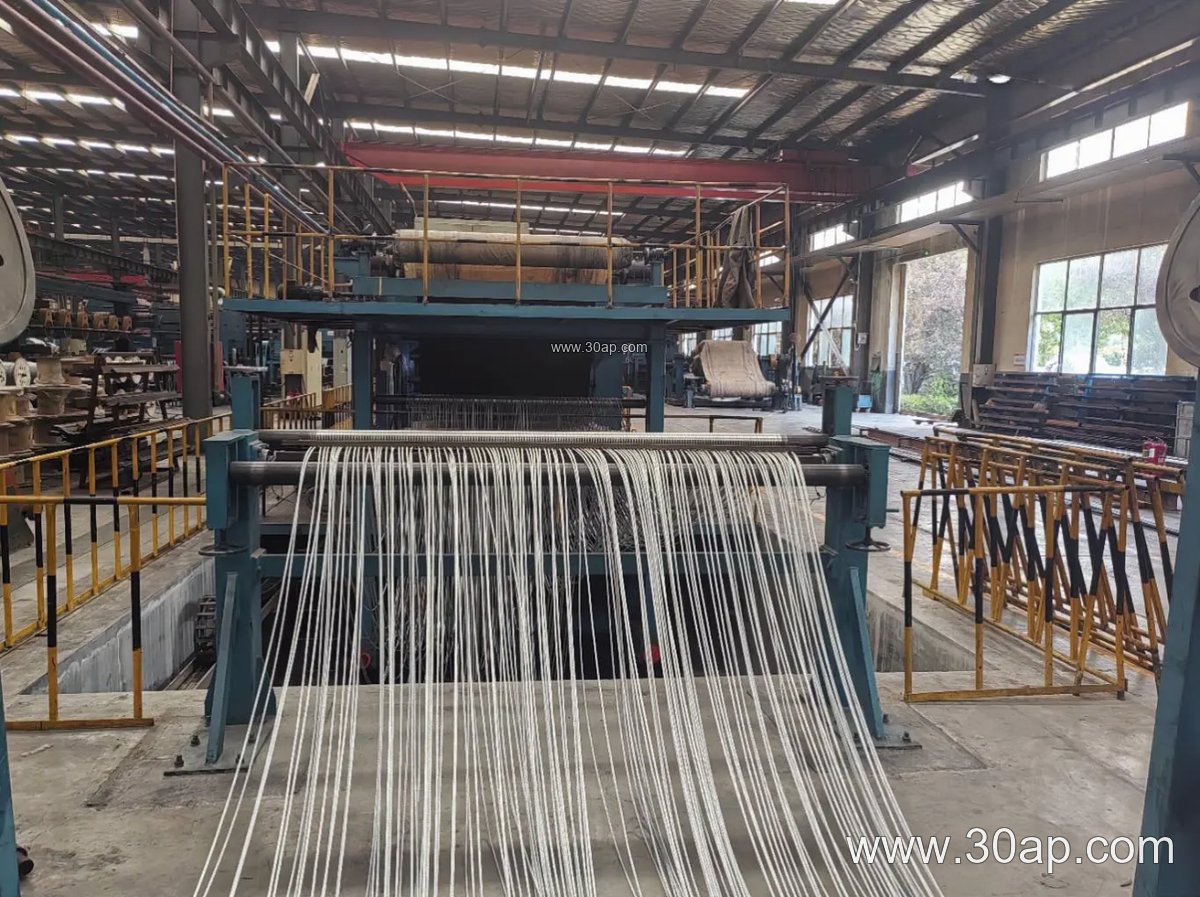
Most belts for this duty are built with a fabric core or a steel cord core. A multi-ply fabric core conveyor belt uses several layers of EP or NN fabric, while a steel cord conveyor belt relies on steel cables for long, high-tension runs such as main plant-to-silo lines. Cover rubber is usually applied in a top and bottom layer, for example 4+2 mm or 6+2 mm, and the compound can be abrasion resistant, heat resistant, oil resistant, flame retardant or anti-static depending on the area of the plant.
- EP conveyor belt: polyester/nylon carcass, widely used for raw material and clinker transport.
- NN conveyor belt: nylon/nylon carcass, useful where flexibility around pulleys matters.
- Steel cord conveyor belt: preferred for long centre distances and high strength demands.
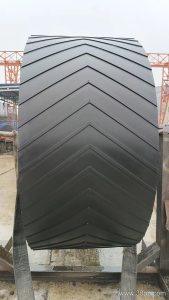
- Chevron or skirted designs: used on inclines or where material spillage must be controlled.
- Heat resistant and abrasion resistant grades: common near clinker coolers and transfer chutes.
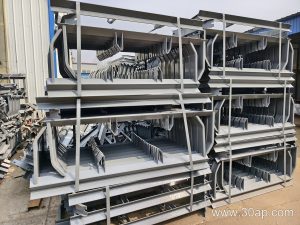
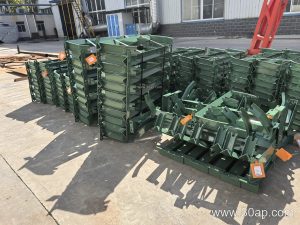
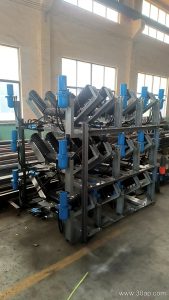
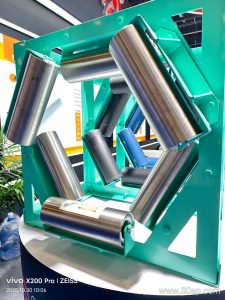
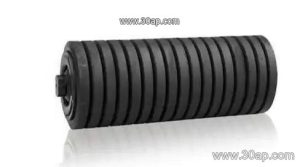
The belt does not work alone. A conveyor pulley at the drive and tail end, idler rollers along the carrying side, and conveyor brackets holding the structure all affect belt life. Drive, tail and bend pulleys are separate components with different functions and are not interchangeable.
Typical Sizes and Reference Data
The table below shows common reference values; actual selection depends on the conveyor design, material lump size and required tension.
| Parameter | Common reference values |
|---|---|
| Carcass type | EP, NN, steel cord |
| Strength grade | EP200, EP315, EP400, EP500, EP630, EP800, EP1000, EP1250, EP1600 |
| Belt width | B500, B650, B800, B1000, B1200, B1400, B1600, B1800, B2000 |
| Cover thickness | 3+1.5, 4+2, 5+2, 6+2, 8+3 mm |
| Fabric plies | Usually 2 to 6 layers |
Width and pulley diameter are matched by engineering calculation, not by a fixed rule. A wider belt does not automatically require one specific pulley size, and shaft diameter should be confirmed from the conveyor design rather than guessed from belt width.
Where It Is Used
Cement plants use these belts from the quarry crusher through raw mill feed, clinker transport and cement packing. Similar belts appear in coal mining, underground mining, ore handling, aggregate plants and ship loading terminals. In dusty cement areas an anti-static or flame retardant grade may be specified, while clinker lines often call for high abrasion resistance and heat resistance. For inclined sections, a chevron conveyor belt or corrugated sidewall belt can reduce rollback and spillage.
Buyer Checklist
- Confirm the material, lump size and temperature range before choosing the cover grade.
- Check the existing conveyor pulley, idler roller and bracket dimensions so the new belt fits the frame.
- Match the strength grade to the calculated tension, not to a neighbouring line.
- Ask for the cover thickness and ply count in writing, for example EP1000 with 6+2 mm covers.
- Plan splicing, storage and tracking checks to protect the belt during installation.
For a cement plant, a correctly specified cement conveyor belt reduces downtime at transfer points and keeps clinker, gypsum and raw meal moving reliably. More details on related rubber conveyor belt options, idler roller sizes and conveyor pulley choices can be reviewed before finalising the order.