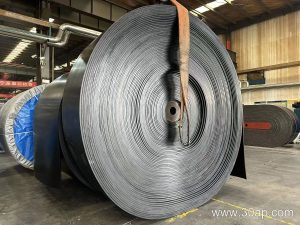
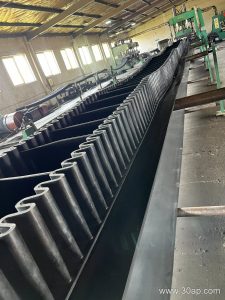
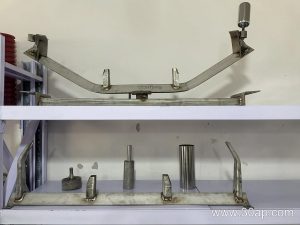
Head Pulley Assembly Overview
The head pulley assembly is the power-driven component at the discharge end of a belt conveyor. Often called the drive pulley assembly, it transmits torque from the drive unit to the conveyor belt, pulling the loaded belt forward and discharging material at the head. This assembly is critical for conveyor performance in industries such as mining, coal preparation, cement, power generation, and quarrying, where continuous bulk material handling demands reliable power transmission.
Construction and Key Components
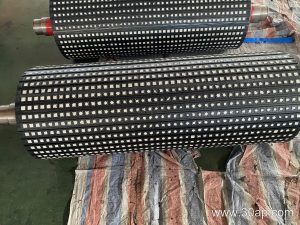
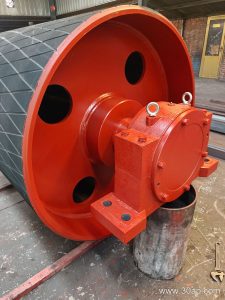
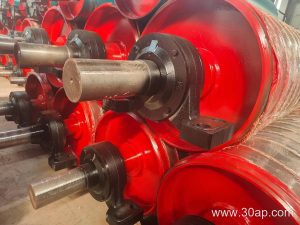
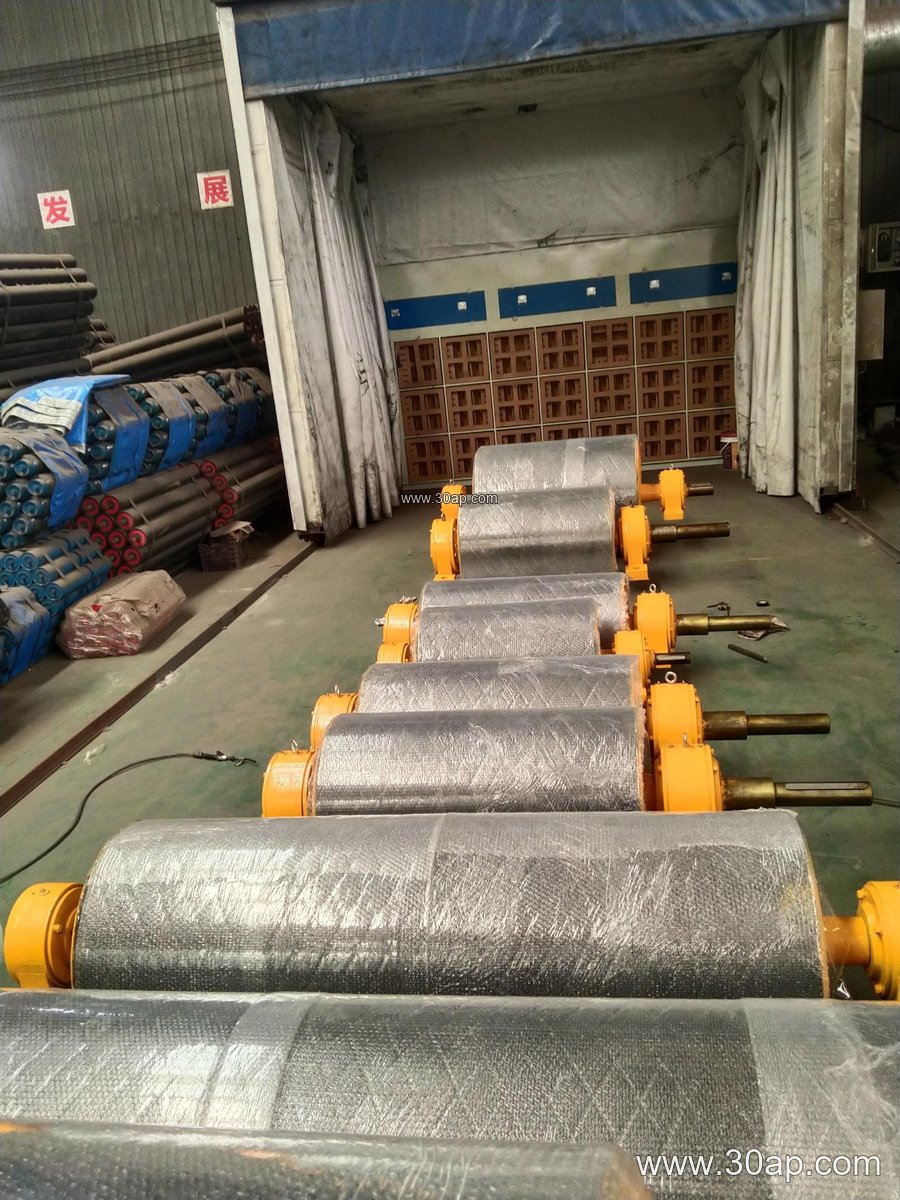
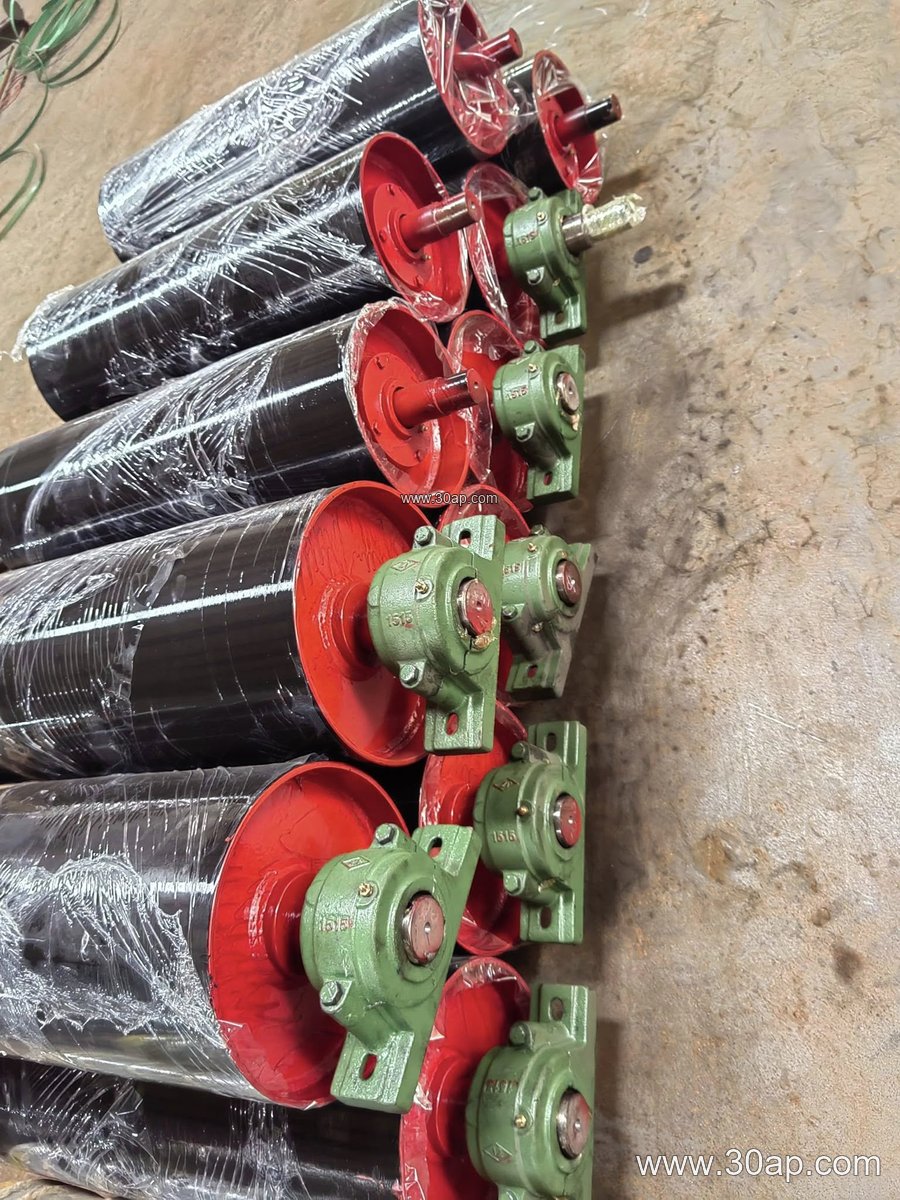
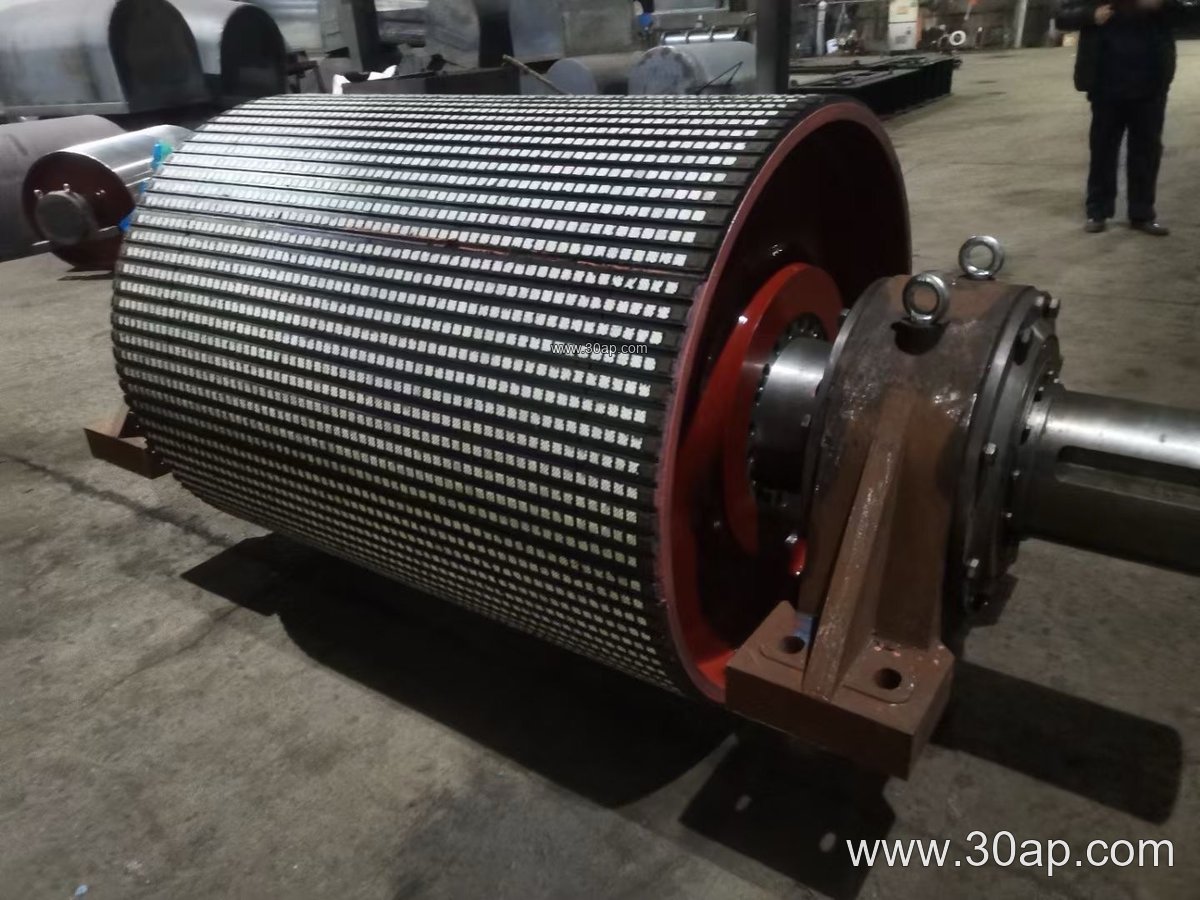
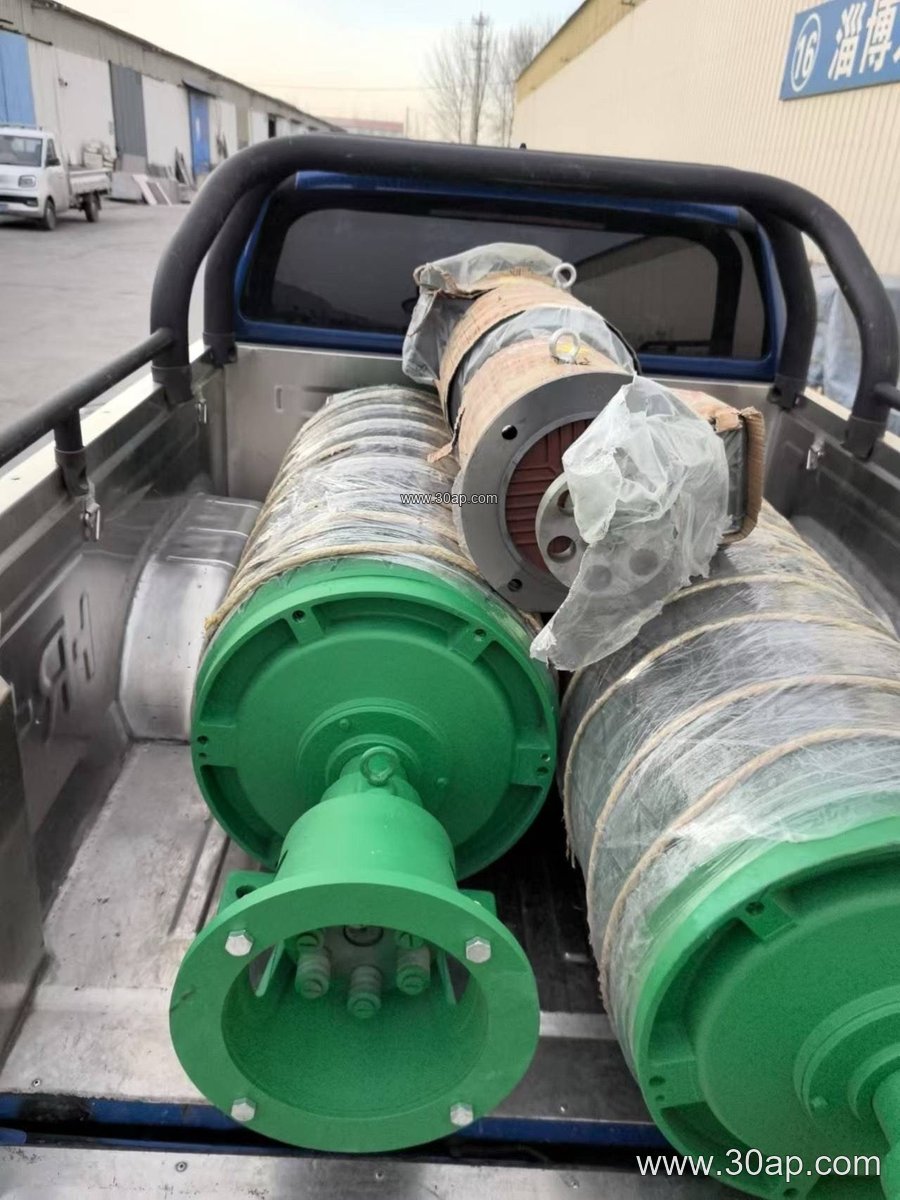
A typical head pulley assembly includes the pulley shell, shaft, bearings, bearing housings, and a lagging surface. The shell is usually fabricated from steel and may be machined for balance. The shaft is sized to transmit torque and support radial loads, with common diameters ranging from Ø50 to Ø200 mm depending on design requirements. Bearings are selected for the load and speed, and are mounted in housings that bolt to the conveyor frame or conveyor bracket. Lagging, applied as plain rubber, diamond pattern, or ceramic, improves grip between the pulley and belt. The assembly may also incorporate a coupling or gearbox interface to connect to the drive motor.
Where It Fits in a Conveyor
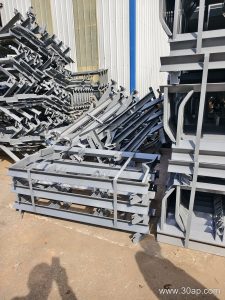
The head pulley assembly sits at the head station, where the belt unloads. It works in concert with the conveyor pulley at the tail and bend points, but these are distinct components: tail pulleys tension and redirect the return belt, while bend pulleys change belt direction without driving. In a typical system, the head pulley is the only powered pulley, although dual-drive arrangements exist. The assembly must align precisely with the idler roller train to prevent belt mistracking and ensure smooth material discharge into chutes or stockpiles.
Common Applications
Head pulley assemblies are found in abrasive and demanding environments. In a limestone quarry, they drive quarry conveyor belt systems that transport crushed stone. At a coal-fired power plant, they handle coal mining conveyor belt carrying fuel to bunkers. Cement plants use them on clinker and raw meal conveyors, while iron ore operations rely on heavy-duty assemblies for iron ore conveyor belt lines. The assembly must match the belt width and load: for instance, a B1200 belt might pair with a Ø1000 pulley, but the exact combination depends on tension and torque calculations.
Specifications and Sizing Considerations
When specifying a head pulley assembly, several parameters interact. Belt width influences pulley face width, which is usually slightly wider than the belt—for example, B800 belts often use a 950 mm face. Diameter is selected based on belt tension, speed, and lagging requirements; common diameters include Ø500, Ø630, Ø800, and Ø1000. Lagging thickness typically ranges from 8 to 20 mm, with 10 mm or 12 mm common for general duty. Shaft diameter is determined by torque and bending loads, not by belt width alone. The table below lists reference dimensions for typical combinations, but final sizing must follow engineering calculations.
| Belt Width (mm) | Pulley Face Width (approx. mm) | Common Pulley Diameter (mm) | Typical Lagging Thickness (mm) |
|---|---|---|---|
| B400 | 500 | Ø200–Ø400 | 8–10 |
| B650 | 750 | Ø315–Ø500 | 10–12 |
| B800 | 950 | Ø400–Ø630 | 10–15 |
| B1000 | 1150 | Ø500–Ø800 | 12–15 |
| B1200 | 1400 | Ø630–Ø1000 | 12–20 |
| B1400 | 1600 | Ø800–Ø1250 | 15–20 |
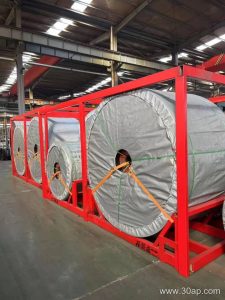
Surface options include plain, diamond, chevron, and ceramic lagging. Diamond pattern is common for general bulk handling, while ceramic lagging suits high-tension, wet conditions. The assembly must also be compatible with the belt type: for example, a steel cord conveyor belt requires high grip and precise alignment to avoid edge damage.
Selection and Maintenance Tips
Buyers should consider the duty cycle, material abrasiveness, and environmental factors. In a coal mine, flame retardant conveyor belt may be used, and the head pulley assembly should be designed for easy lagging replacement. Regular inspection of lagging wear, bearing condition, and shaft alignment prevents unplanned downtime. Lubrication schedules and belt tension checks are essential. When replacing a pulley, verify shaft diameter and keyway dimensions match the drive coupling. Avoid mixing pulley types: a drive pulley cannot substitute for a tail or bend pulley without redesigning the conveyor drive system.
For assistance in matching a head pulley assembly to your conveyor belt and idler roller setup, contact our engineering team.