What an NN200 Conveyor Belt Is
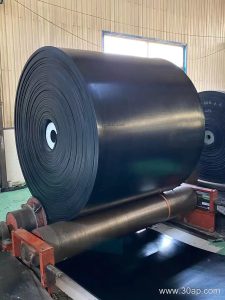
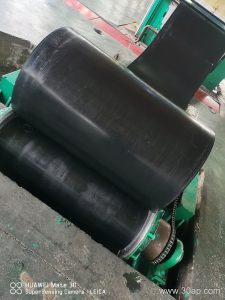
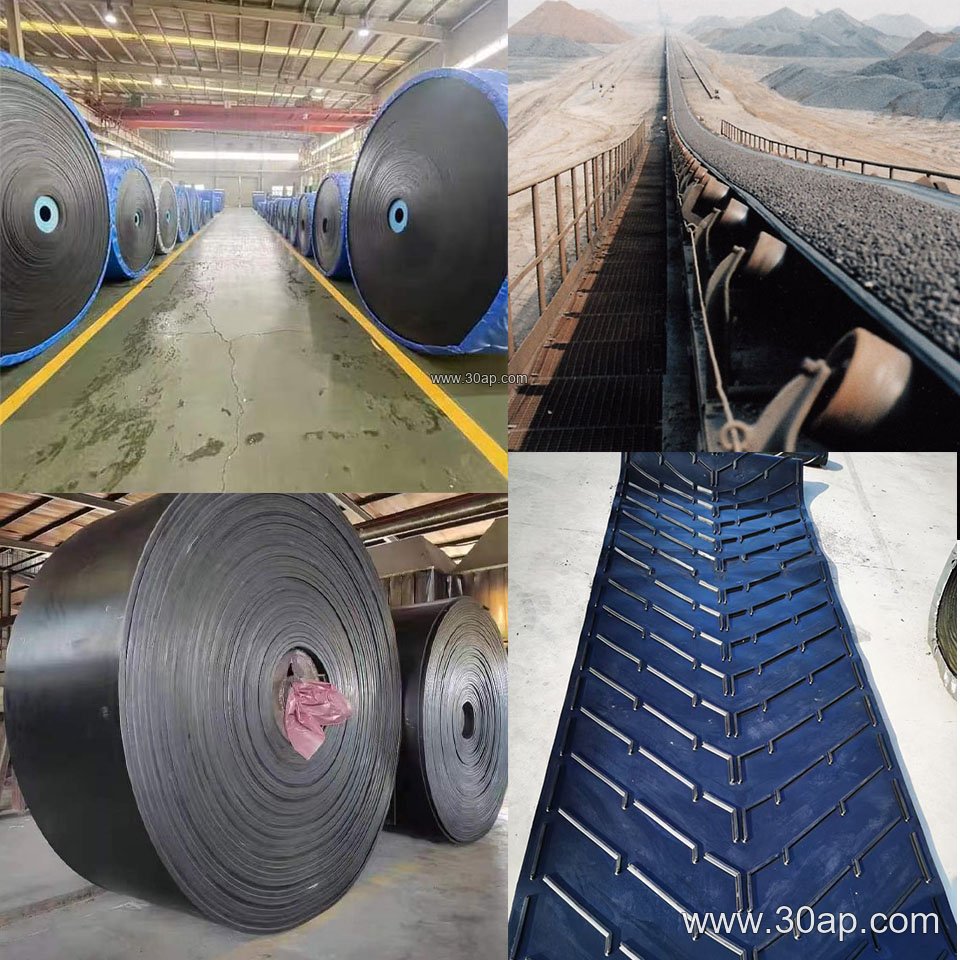
An NN200 Conveyor Belt is a fabric-core rubber belt built on nylon (polyamide) warp and weft cords. In the NN naming system, the number refers to the nominal tensile strength of the carcass, so NN200 sits in the middle of the nylon belt family, above NN100 and below NN300 and NN400. Buyers browsing catalogues will also see it described as a nylon conveyor belt or a Fabric Core Conveyor Belt, which is the accurate equivalent name for the same product. It is not a steel cord belt and it is not an EP belt, although both are legitimate alternatives when the duty calls for them.
How the Belt Is Built
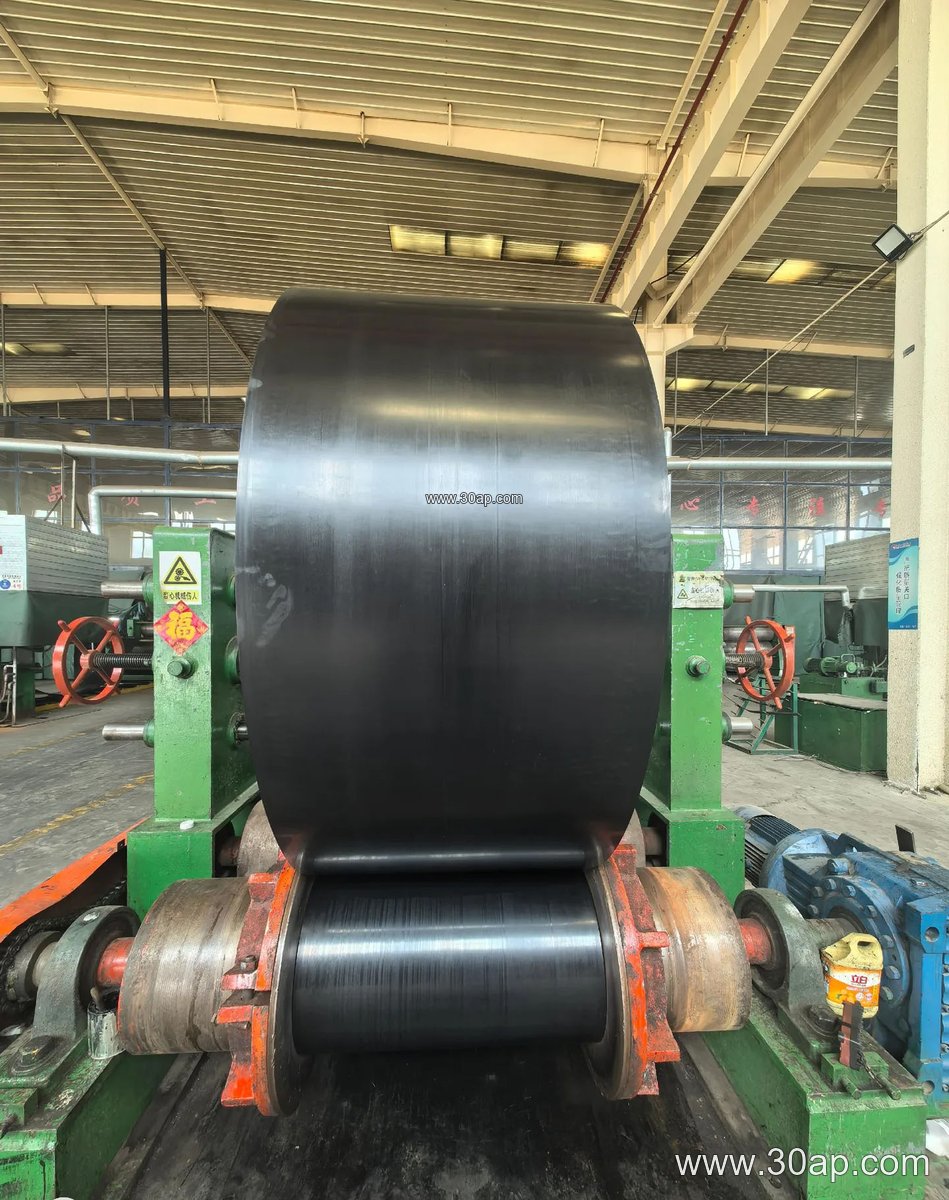
The carcass is the load-bearing part. Nylon fabric plies are laminated with rubber skim between layers, and the number of plies usually falls between two and six depending on the required strength and the pulley geometry. Nylon stretches more than polyester under the same load, which is why an NN belt generally needs a slightly longer take-up travel and careful initial tensioning.
Top and bottom cover rubber protect the carcass from abrasion, impact, moisture and in some cases oil or heat. Common cover combinations include 3+1.5 mm, 4+2 mm, 5+2 mm, 6+2 mm and 8+3 mm, expressed as top cover plus bottom cover. The right figure depends on lump size, drop height, material temperature and how much sliding wear the belt sees at the chute.
Where It Fits in a Conveyor Line
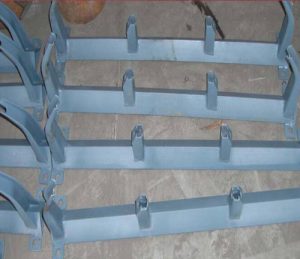
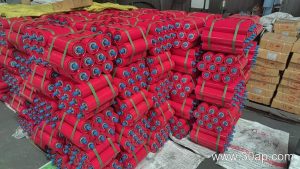
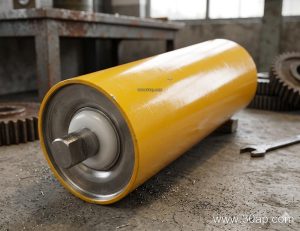
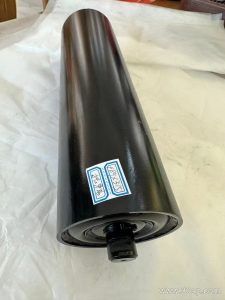
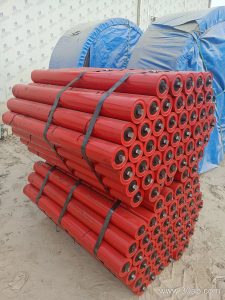
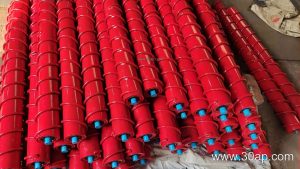
The belt runs over a conveyor pulley at the drive end, a tail pulley at the loading end, and bend pulleys where the route changes direction. Between them, idler roller sets support the loaded strand and keep the belt tracking. Frames and conveyor bracket assemblies hold the whole arrangement in line. Drive, tail and bend pulleys have different jobs and are not interchangeable, and the belt specification should be checked against each one.
Typical duty for an NN200 belt includes:
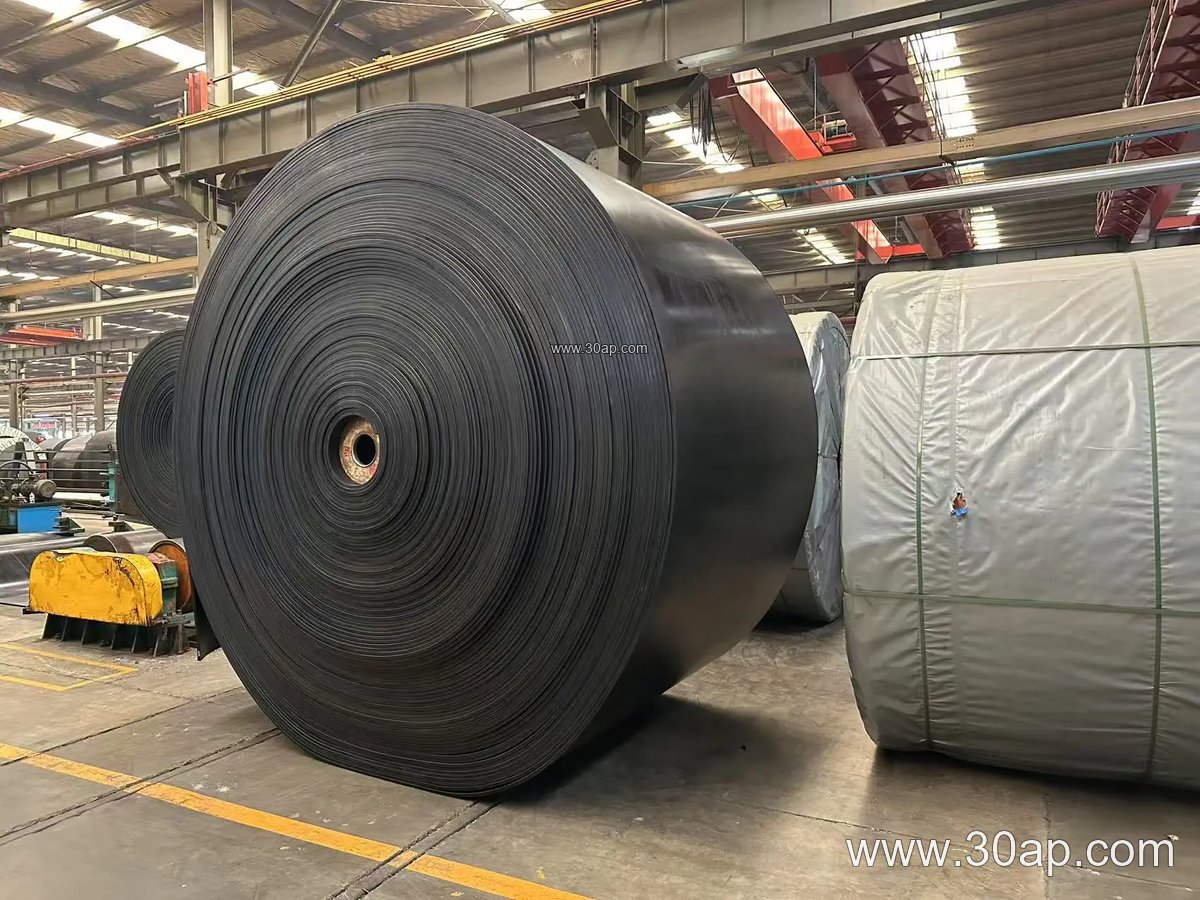
- Sand, gravel and crushed stone in a quarry or aggregate plant
- Ore and waste rock in mining and mineral processing
- Clinker, limestone and cement in a cement plant
- Coal handling in a power plant or coal preparation facility
- General bulk material transfer in ports and construction sites
For abrasive stone or sintered clinker, an abrasion resistant grade of the same carcass is often specified. Where the belt passes through a bunker or a dusty transfer point in a coal yard, a flame retardant and anti-static cover may be required by the site’s own safety rules. Those are cover-compound choices, not a change of carcass type.
Common Reference Dimensions
The figures below are reference ranges, not universal specifications. Actual values are confirmed by the manufacturer against the conveyor design.
| Parameter | Reference values |
|---|---|
| Carcass type | NN nylon fabric, 2 to 6 plies |
| Nominal strength | NN200 (family also covers NN100, NN300, NN400) |
| Belt width | B500, B650, B800, B1000, B1200, B1400, B1600, B1800, B2000 |
| Cover thickness | 3+1.5, 4+2, 5+2, 6+2, 8+3 mm |
| Cover grades | Abrasion resistant, heat resistant, oil resistant, flame retardant, cold resistant |
Belt width and pulley diameter are matched by calculation, not by a fixed rule. A 1000 mm belt may run on a relatively small tail pulley in a tight transfer, while a narrower belt on a long incline could need a larger drive pulley for grip and carcass fatigue. The belt supplier and the conveyor designer should agree the pulley diameters, the number of plies and the cover grade together.
Selection Notes for Buyers
Start with the duty: tonnage per hour, material density, lump size, incline angle and the length of the run. These decide the required tensile strength and whether NN200 is enough or whether the next grade up is safer. A Multi-Ply Fabric Core Conveyor Belt in nylon is a good general-purpose choice, but a very long, high-tension route may point toward a Steel Cord Conveyor Belt instead, and a steep incline may call for a chevron or corrugated sidewall profile.
Check the environment as well. Hot material from a kiln discharge, oily scrap, sub-zero winter operation and dusty coal galleries each push the cover compound in a different direction. Impact at the loading point is another factor: a thick top cover and closely spaced impact idlers reduce the chance of carcass damage from large lumps.
Finally, plan the splice. Nylon belts are commonly joined with a stepped hot splice, and the splice strength depends on ply count and splice length. Keep spare belt, splicing materials and a pulley lagging inspection routine on the maintenance schedule so the belt reaches its expected service life.