What a Lower Self-Aligning Idler Does
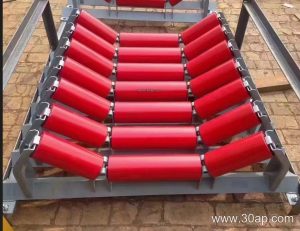
A lower self-aligning idler is a return-side component that actively corrects belt misalignment. Unlike a plain flat return idler, it carries the empty belt on two or more rolls set at an angle, and the assembly can pivot slightly around a central axis. When the belt drifts to one side, the angled rolls generate a restoring force that guides it back toward the center. In a quarry, cement plant, or coal handling system, this self-correcting action reduces edge damage and spillage without constant manual adjustment.
The same product is often called a self-aligning return roller or self-training return idler. These are accurate equivalent names for the same lower self-aligning idler. It should not be confused with a drive pulley, tail pulley, or bend pulley, which are different components with different functions.
Construction and Key Parts
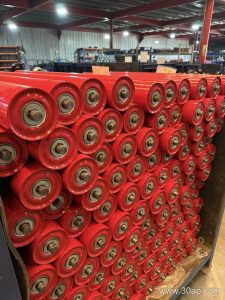
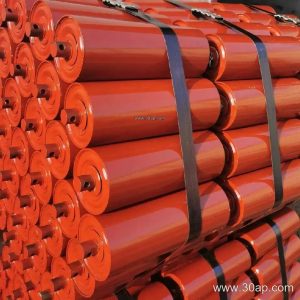
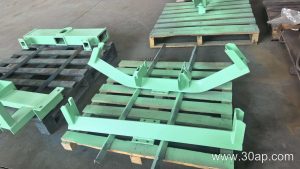
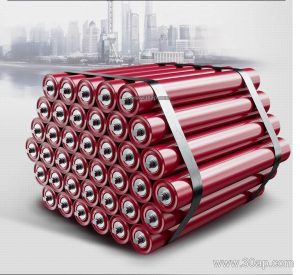
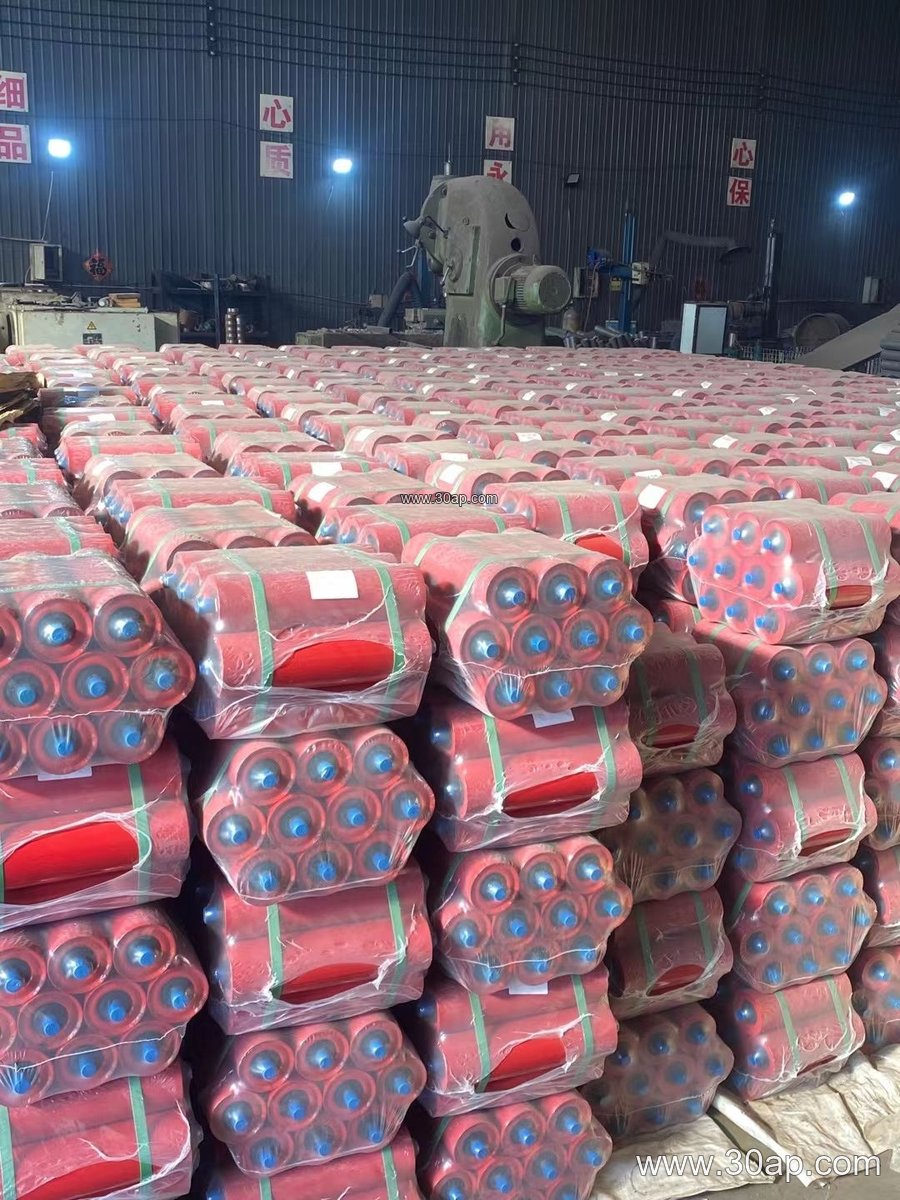
A typical unit consists of two angled rolls mounted on a common frame that rests on a pivot base. The rolls may be steel, nylon, or rubber-covered depending on the duty. Bearings are usually sealed for dusty environments; common sizes include 6205, 6305, and 6308, though the bearing is selected to match the roll diameter and load, not a single fixed pairing. The pivot mechanism is the defining feature: it allows the idler frame to rotate slightly so the rolls can steer the belt.
- Roll diameter options commonly include Ø89, Ø108, Ø127, Ø133, and Ø159 mm.
- Belt width ranges often span B500 to B2000, with roll lengths adjusted accordingly.
- Surface options include plain steel, nylon, and rubber rings for different wear conditions.
Where It Fits on the Conveyor
The lower self-aligning idler is installed on the return strand, usually after the belt leaves the tail pulley and before it enters the bend or drive area. It is especially useful on long conveyors where the belt has room to wander. In a limestone mine or aggregate plant, a few self-aligning return idlers placed at intervals can prevent the belt from rubbing the structure. In a power plant coal yard, they help keep the return belt centered through curves and transitions.
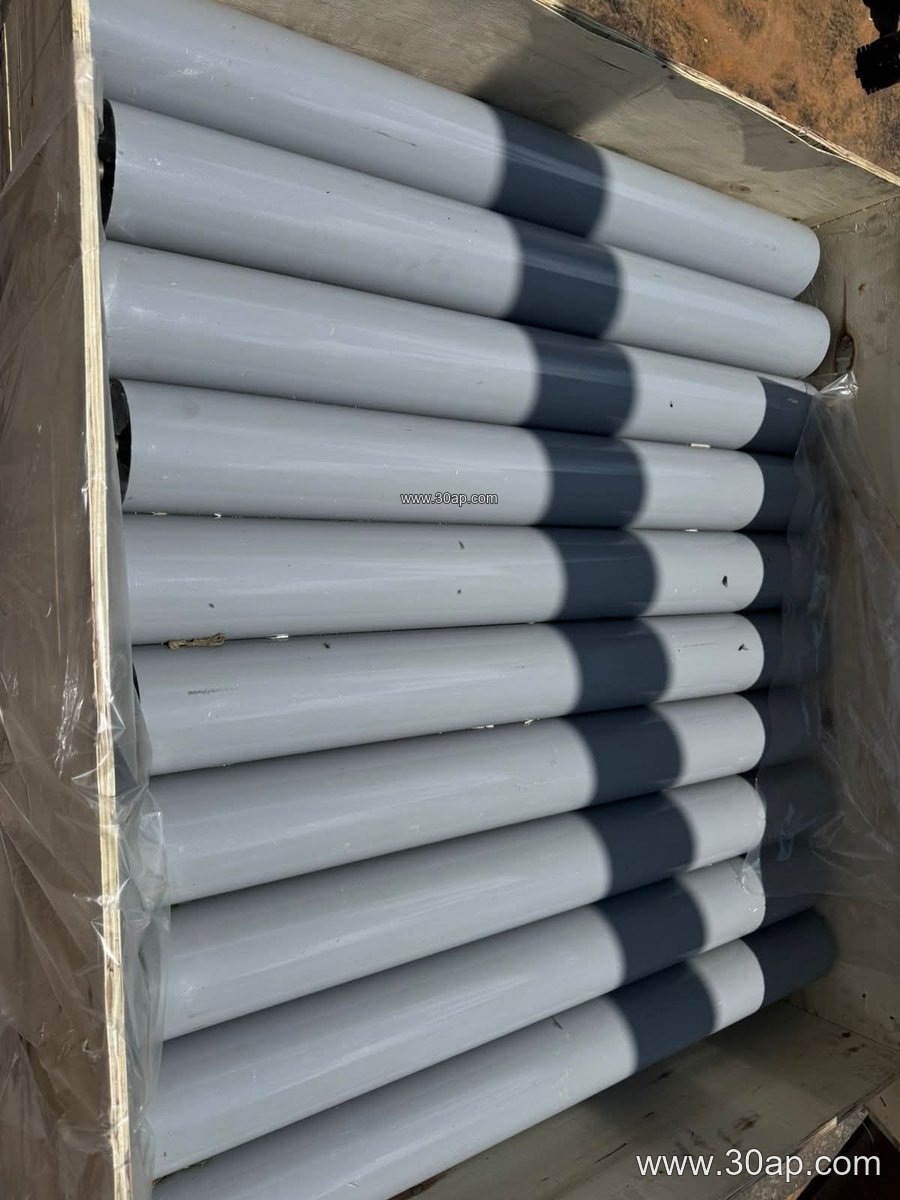
For comparison, a V-type return idler also supports the empty belt but does not pivot to correct tracking. A lower self-aligning idler adds that active steering function, which is why it is chosen where misalignment is a recurring issue.
Choosing the Right Unit
Selection starts with belt width and the expected return-side load. A B800 belt may use a roll length around 315 mm per roll in a two-roll assembly, while a B1200 belt might use roughly 465 mm rolls. These are common examples, not fixed rules. The roll diameter should suit the belt speed and the space available. Bearing size and seal type should match the dust and moisture level at the site.
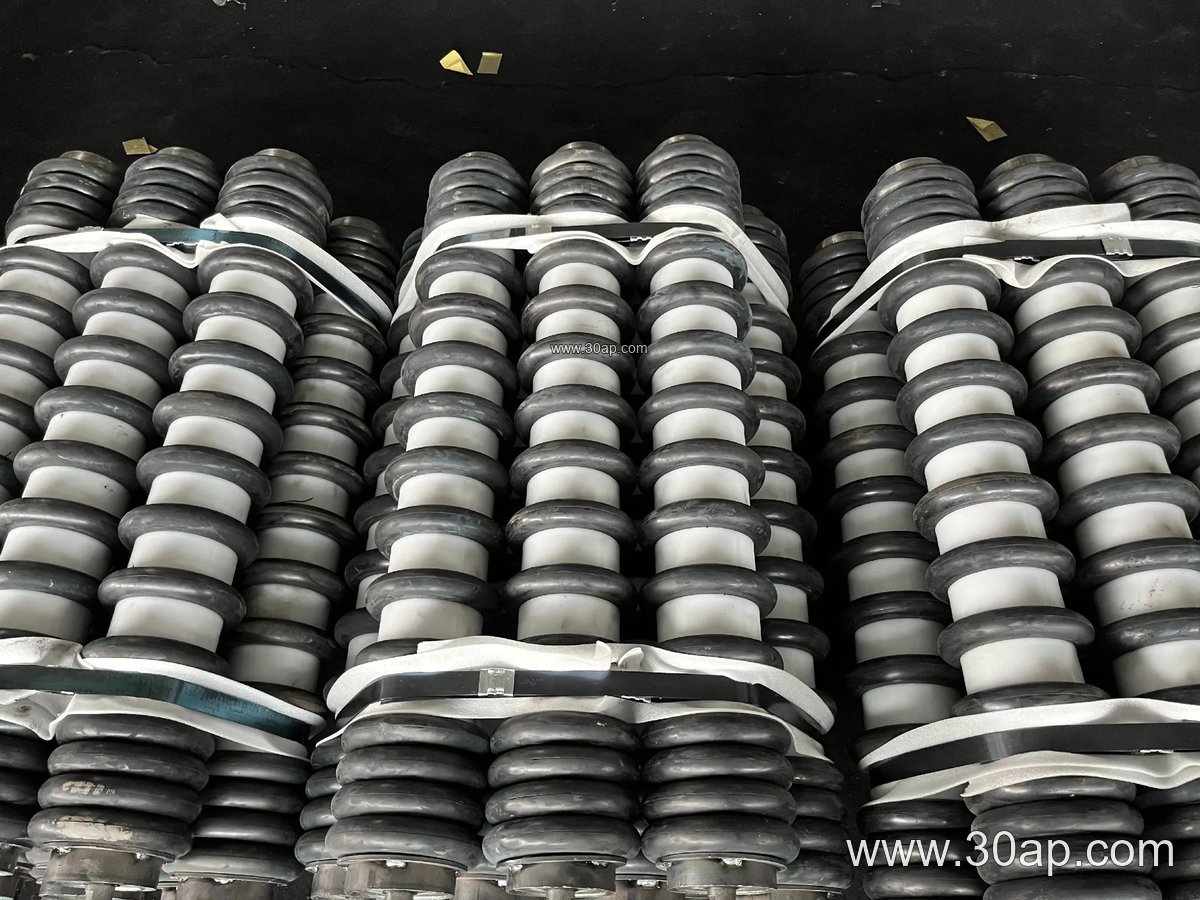
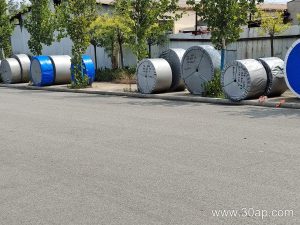
Buyers should also confirm the mounting dimensions and the pivot clearance. The idler must fit the existing conveyor bracket without interference. In a cement plant or sand and gravel line, fine dust can clog a poor pivot, so a protected pivot design is worth specifying. The conveyor belt itself, whether a heavy-duty mining conveyor belt or a flame retardant conveyor belt, does not change the idler’s basic function, but belt stiffness and splices can affect how well self-alignment works.
Maintenance Notes
Inspect the pivot for free movement and check the rolls for build-up. A lower self-aligning idler that cannot pivot is no better than a fixed return roller. Lubricate only where the design allows, and replace sealed bearings as a unit. Keep the return strand clean, since material carryback can jam the steering mechanism.
Related Components
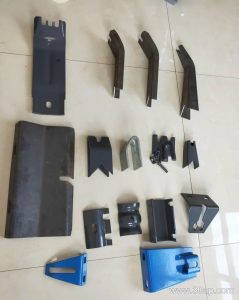
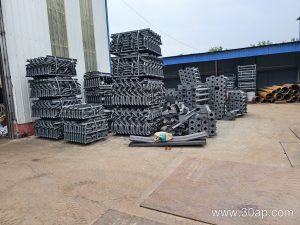
A complete conveyor system also includes the conveyor pulley, idler roller, and conveyor bracket. The lower self-aligning idler works alongside these parts, but it remains a distinct return-side tracking device. For sites handling abrasive bulk material, pairing it with an abrasion resistant conveyor belt can extend the life of both belt and idler.