What the Ø108 Self-Aligning Idler Does
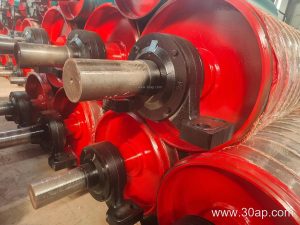
A Ø108 self-aligning idler is a training roller with a 108 mm outside diameter, built into a special bracket that pivots or swings so the roller can steer a drifting conveyor belt back toward the centerline. In a quarry, a coal handling plant or a cement kiln feed line, belt misalignment is one of the most common causes of edge damage and spillage. The Ø108 self-aligning idler addresses this by reacting to the belt itself, correcting the path without an operator touching the frame. It is a distinct product from the drive pulley, tail pulley or bend pulley, which transmit power and change belt direction rather than guide the belt in the carry or return run.
How the Roller Is Built
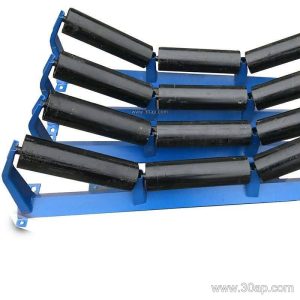
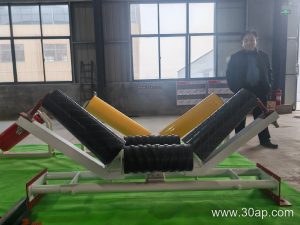
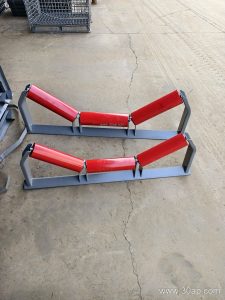
The basic construction follows a standard idler roller: a steel tube shell, welded end discs, a through shaft, and sealed bearing housings at each end. What makes the self-aligning version different is the mounting. The roller sits in a pivoting frame that is usually linked to a vertical pivot or a pair of side rollers, so any lateral force from the belt rotates the assembly and produces a corrective steering angle. Common bearing sizes for this diameter include 6205, 6305 and 6306, though the correct bearing is matched to the shaft and load by the designer, not fixed by the 108 mm shell alone.
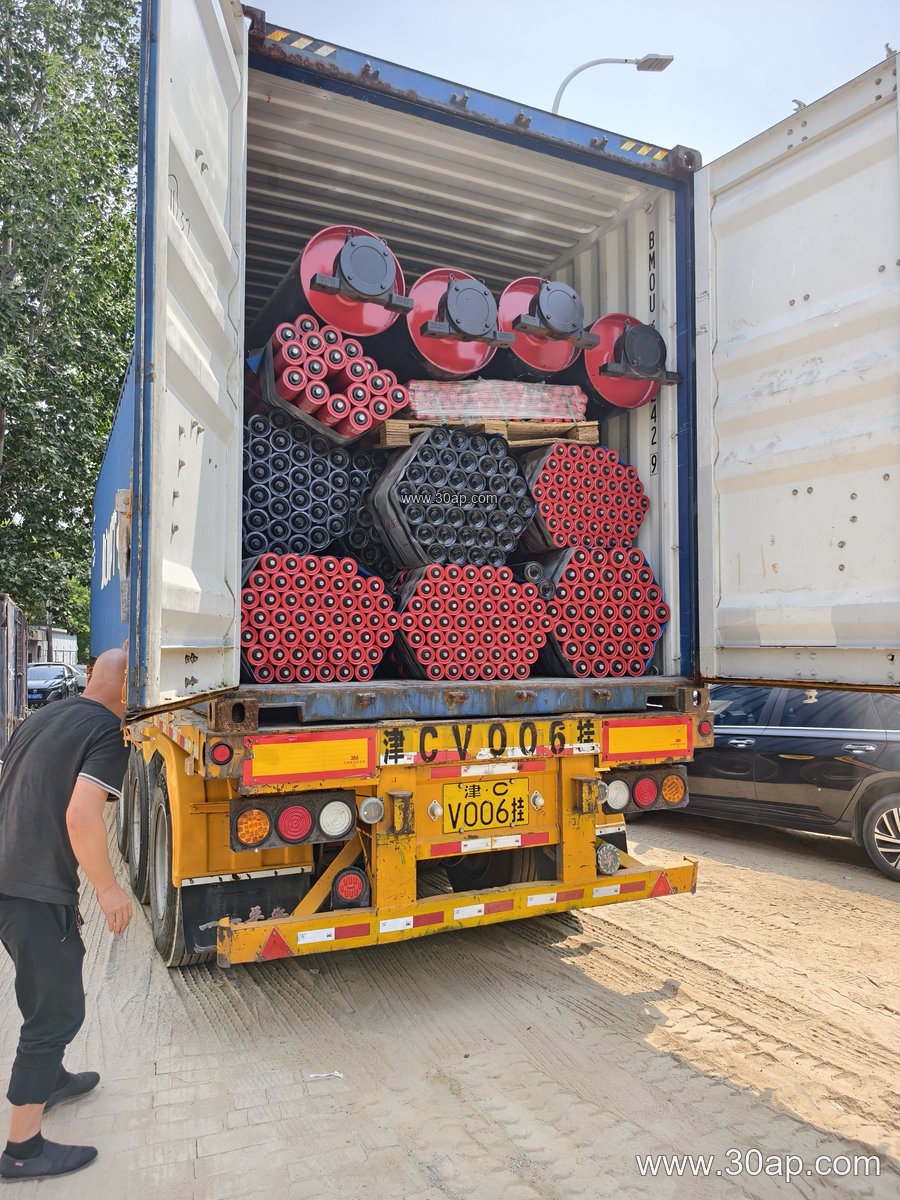
- Shell: steel tube, typically with painted or galvanized finish
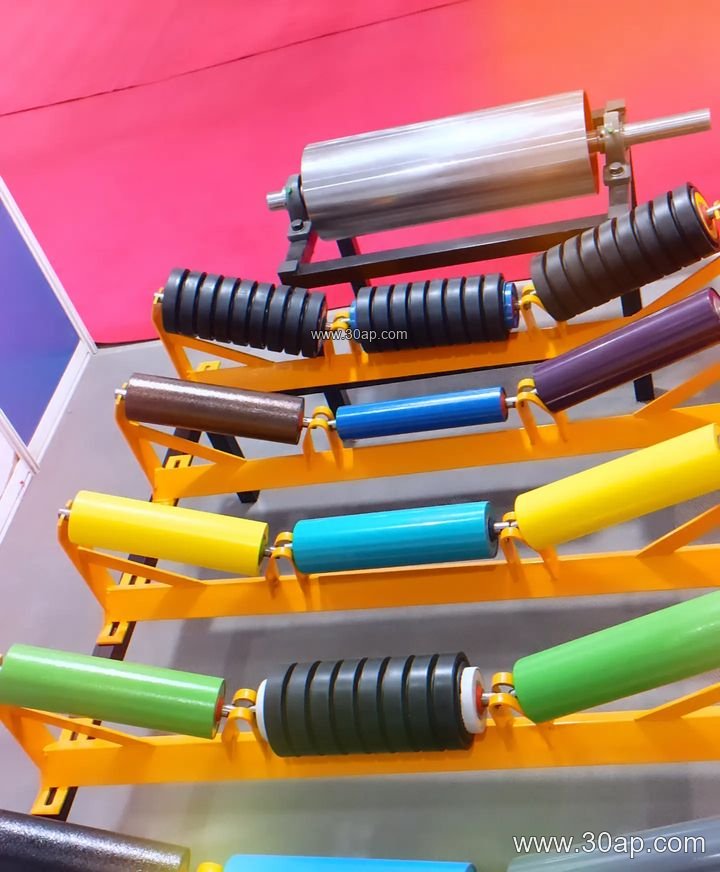
- Roll surface: plain steel, rubber rings for cushioning, or nylon/ceramic where build-up is a concern
- Sealing: labyrinth or contact seal to keep dust and water out of the bearing
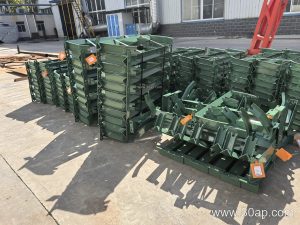
- Mounting: pivoting bracket with a vertical pivot pin and stops
Where It Fits in the Conveyor
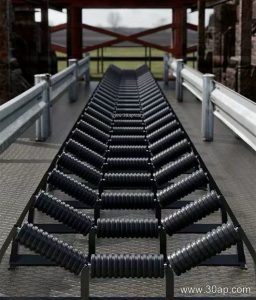
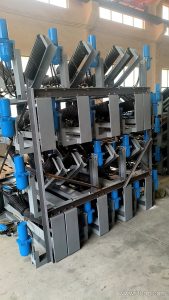
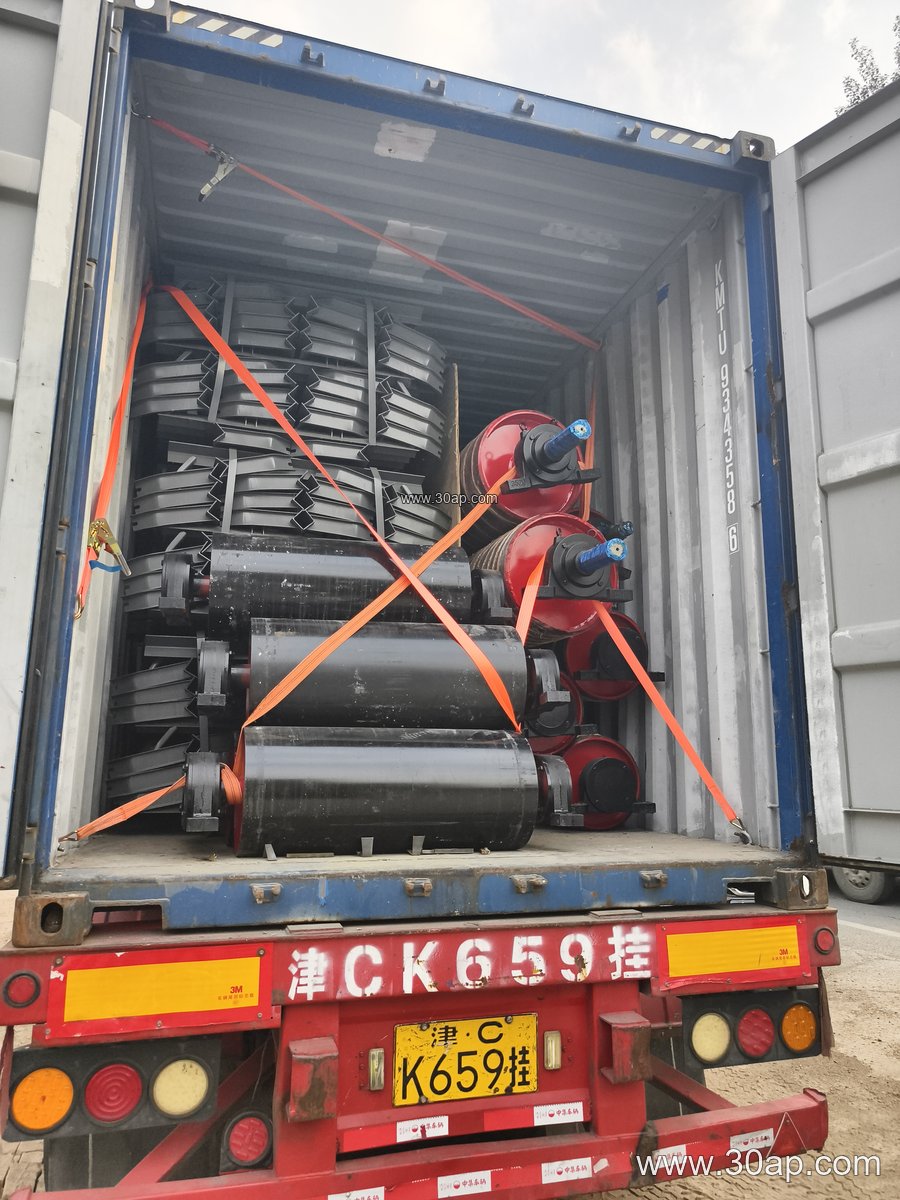
The Ø108 self-aligning idler is normally installed in the carry run, often as a two-roller or three-roller training set, and sometimes in the return run as a V-type training set. On the head and tail sections, the idler works alongside the conveyor pulley, while the conveyor bracket and stringer carry the load. In a limestone mine or an ore conveyor, a few training sets placed after the loading point and before the head end are usually enough to keep the belt tracking. The 108 mm diameter suits medium belt widths and moderate loads, and it is often seen on B650, B800 and B1000 belts, though the final choice depends on belt speed, capacity and trough angle.
Sizes and Selection Data
The following values are typical reference figures for selection discussion, not a fixed supply list. The roller length changes with belt width, trough angle and the number of rollers in the set.
| Belt width | Typical roller length (three-roll trough) | Common trough angle |
|---|---|---|
| B650 | about 250 mm | 20°, 30°, 35° |
| B800 | about 315 mm | 30°, 35°, 45° |
| B1000 | about 380 mm | 30°, 35°, 45° |
| B1200 | about 465 mm | 30°, 35° |
Roller diameter options in the same family include Ø89, Ø102, Ø108, Ø127 and Ø133, so the 108 mm unit sits in the middle of the range. The forward tilt on training idlers is often about 1.5° to 2°, which helps the roller push the belt back to center. A buyer should confirm shaft diameter, bearing type, mounting hole spacing and bracket height against the actual conveyor frame, because these are not decided by belt width alone.
Buyer Notes and Maintenance
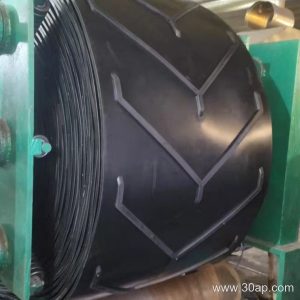
When specifying a Ø108 self-aligning idler, check the belt width, the belt speed, the material being carried and the environment. A dusty coal yard, a hot clinker line or a wet sand plant each put different demands on the seal and the roller surface. On a belt carrying abrasive rock, a rubber-ring or ceramic-covered roller can last longer, and pairing the training idler with a good abrasion resistant conveyor belt reduces edge wear. Matching the idler to the belt also means matching it to the belt construction, whether that is an EP conveyor belt, an NN conveyor belt, a steel cord conveyor belt or a flame retardant conveyor belt for underground work.
Inspection is simple: watch for a belt that keeps drifting despite a correctly set training idler, listen for a seized bearing, and check that the pivot moves freely. A stuck pivot turns a self-aligning idler into a plain roller and the belt will drift again. Replacing a worn roller early is cheaper than repairing a damaged belt edge or a bent conveyor bracket.