What a PVC Conveyor Belt Is
A PVC conveyor belt is a light-duty to medium-duty conveyor belt whose carcass is impregnated and coated with polyvinyl chloride. The product is also commonly called a PVC belt or PVC conveyor belting. Unlike heavy rubber belts built around thick fabric plies or steel cords, this belt is normally thinner, more flexible, and easier to clean. That combination makes it a practical choice for conveying packaged goods, parts, food items, and light bulk materials where a rubber conveyor belt would be heavier than necessary.
The belt is not a replacement for heavy-duty mining belting. In a quarry or an underground coal mine, an EP conveyor belt or a steel cord conveyor belt usually carries the load. The PVC belt serves a different role, often on smaller conveyors, sorting lines, and processing equipment where hygiene, tracking, or low weight matters more than extreme tensile strength.
How the Belt Is Built
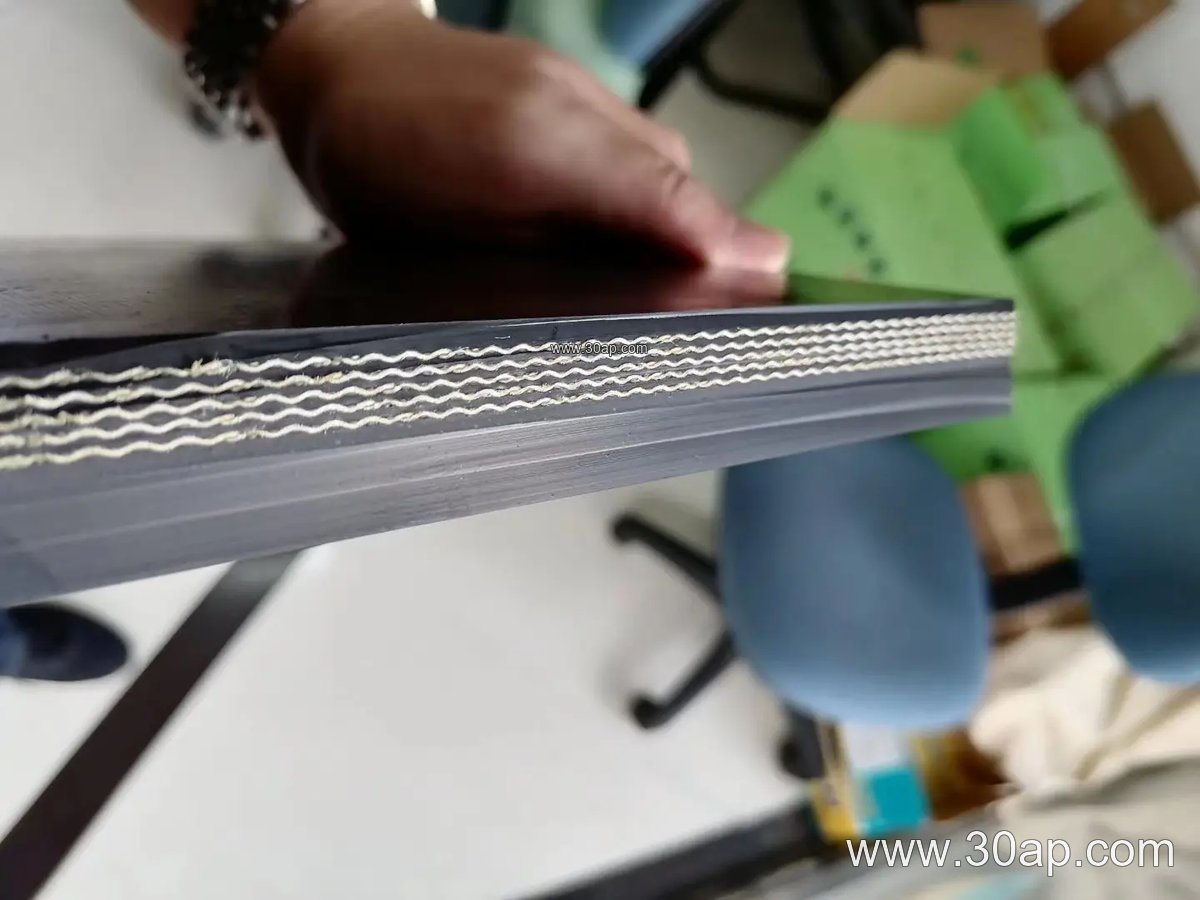
Most PVC belts start with a woven fabric core, usually polyester or a polyester-cotton blend. The fabric gives the belt its tensile strength and resistance to stretching. The core is then coated and impregnated with PVC compound, and the surfaces may be finished with different textures. Common constructions include two-ply and three-ply fabrics, with total thickness typically in the range of 2 mm to 6 mm, depending on the application.
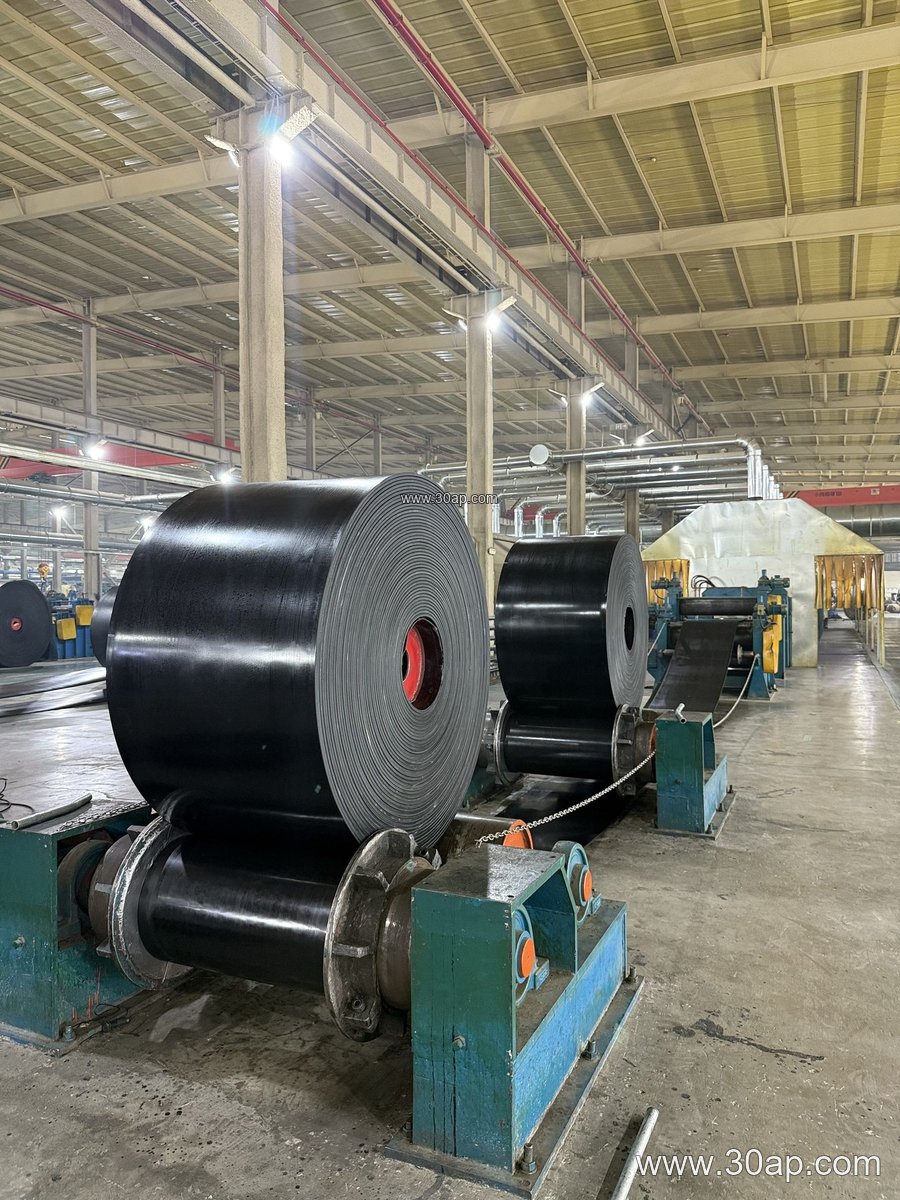
Surface forms vary. A smooth cover suits general conveying and easy cleaning. A textured or patterned surface helps grip inclined loads. Some belts are made endless at the factory, with the ends joined so there is no visible splice. Others are supplied open and joined on site. Buyers should confirm the joint method, because a poorly made splice is a common cause of tracking problems and short belt life.
Where It Fits in the Plant
PVC belting appears across many industries. In a cement plant it may handle bags and small components rather than clinker. In a power plant it can serve packaging and light transfer lines. Food processing, recycling, logistics, and assembly operations use it heavily because the surface resists moisture and cleans up easily. It also appears in sand making plants and stone crushing plants on small auxiliary conveyors, though the main haulage there is usually handled by abrasion resistant rubber belting.
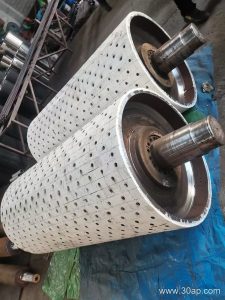
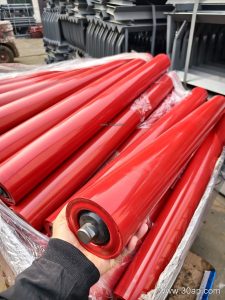
Related hardware matters as much as the belt. A conveyor pulley at the head and tail, idler rollers supporting the carrying run, and a conveyor bracket holding the frame all affect how the belt runs. A lightweight PVC belt needs properly aligned pulleys and free-turning idlers; misalignment shows up quickly as edge wear.
Common Reference Data
The table below gives typical reference values. These are not fixed rules, and actual specifications should be confirmed with the belt supplier for each conveyor design.
| Parameter | Typical reference range |
|---|---|
| Fabric plies | 2 to 3 plies (some light belts use 1) |
| Total thickness | 2 mm to 6 mm |
| Belt width | B500, B650, B800, B1000, B1200 |
| Surface | Smooth, textured, or patterned |
| Joint | Endless or open with field splice |
| Color | Green, white, black, and others |
Width and pulley diameter are separate design decisions. A 500 mm belt and an 800 mm belt may both run on the same conveyor frame if the pulleys and supports are sized for the load; there is no one-to-one match between belt width and pulley diameter.
Selection and Maintenance Notes
Start with the material being carried. Weight, temperature, oil content, and sharp edges all influence the choice. For cold rooms, a cold resistant grade may be needed. For oily parts, an oil resistant cover helps. Where static build-up is a concern, an anti-static belt is worth discussing. Food contact requires a food grade conveyor belt with suitable documentation.
- Check that the pulley and idler surfaces are clean and free of build-up.
- Confirm the belt tension after the first few days of running, then recheck periodically.
- Inspect the splice for cracking or separation, especially on belts that run at higher speed.
- Keep the belt centered; edge wear usually points to misalignment rather than a belt defect.
- Store spare belts flat and away from direct sunlight and sharp objects.
For heavy abrasive duty in a mine or a large aggregate operation, compare the PVC option with an abrasion resistant conveyor belt or a heavy-duty mining conveyor belt before deciding. The right answer depends on load, distance, and operating environment, not on a single product label.