What an Endless Conveyor Belt Really Is
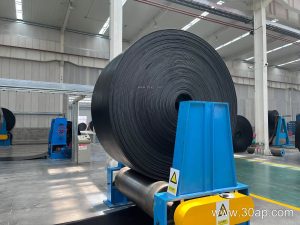
An Endless Conveyor Belt is a conveyor belt that is manufactured or joined into a continuous loop, so it has no open ends to thread through a machine. Instead of being connected on site with mechanical fasteners, the belt arrives as a closed ring and is fitted around the conveyor pulleys. This construction is often chosen where a smooth, uninterrupted carrying surface matters and where stopping production to re-splice a belt is costly. In a quarry, a cement plant or a coal handling system, that difference can be felt in uptime and in the quality of the belt tracking.
The term describes a finished belt form, not a rubber compound. The same loop can be built from an EP Conveyor Belt carcass, an NN fabric core, or a Steel Cord Conveyor Belt, and it can carry a wear-resistant, heat-resistant or flame-retardant cover. Buyers should treat “endless” as a description of the joint and the delivery form, then specify the carcass and cover separately.
How the Loop Is Built
There are two common routes to an endless belt. In one, the fabric plies are woven and assembled as a closed loop during manufacture, then the cover rubber is applied and vulcanized. In the other, an open belt is cut to length and the ends are spliced by vulcanization to form a stepped, finger or overlap joint. A well-made vulcanized splice is usually intended to be as strong as the belt body, but the actual joint efficiency depends on the builder and should be confirmed in writing.
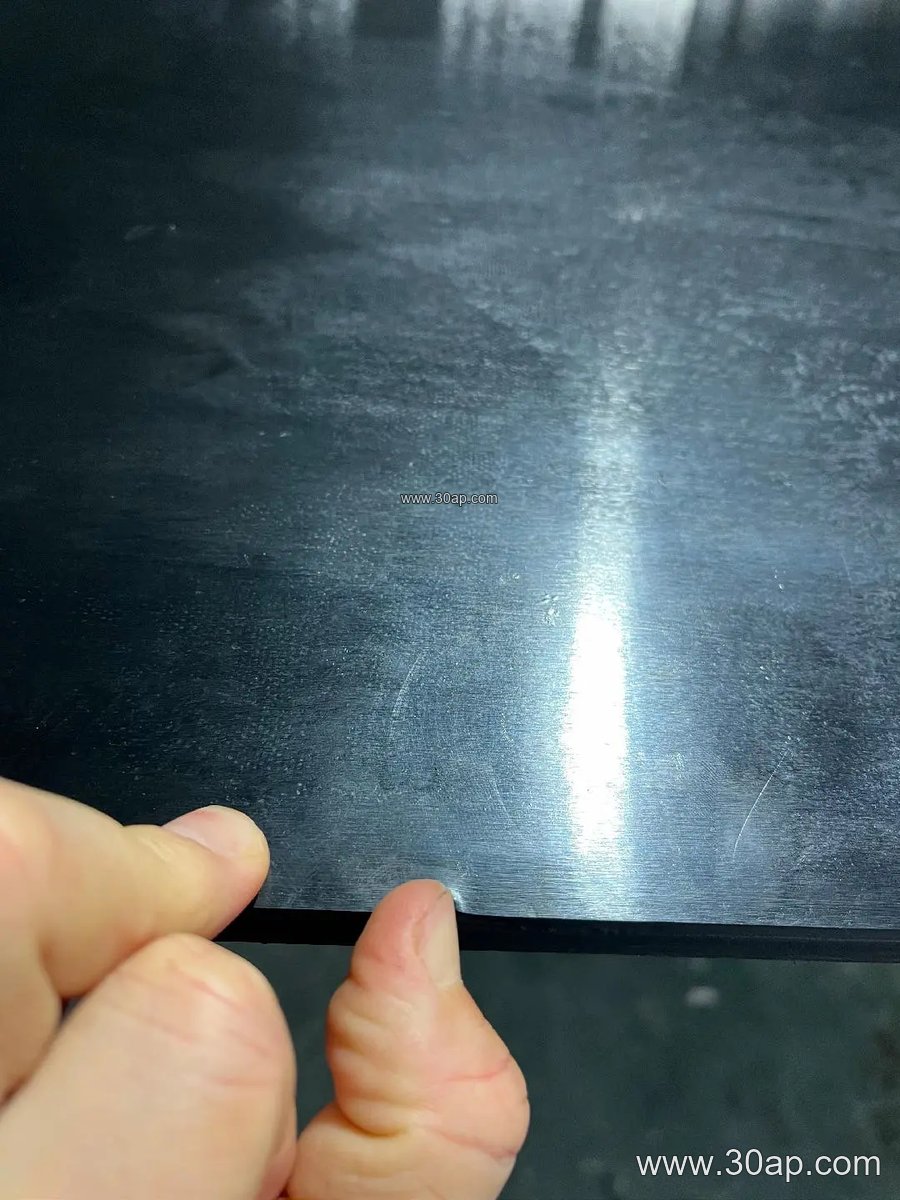
For heavy duty work, a steel cord carcass is sometimes spliced on site because the loop is too large to ship. In that case the belt is endless in service, even though it was not endless when it left the factory. This distinction matters when comparing quotations, because a factory-made loop and a field-spliced loop are not the same product even when both are called endless.
Where Endless Belts Fit
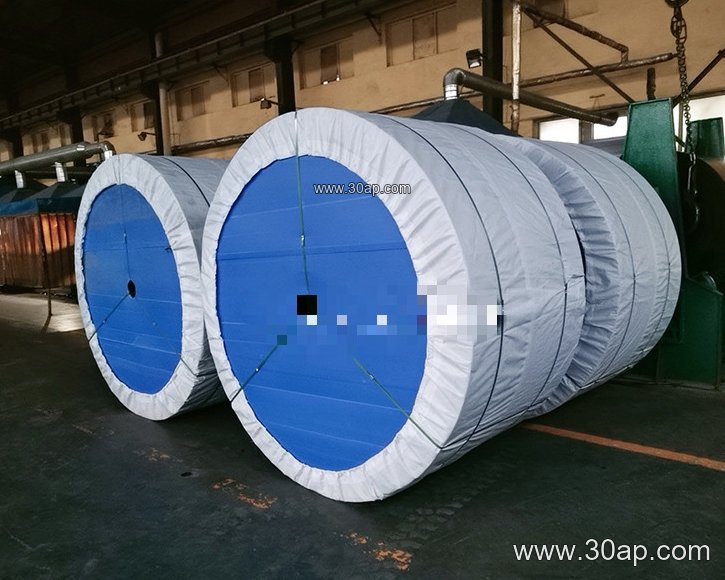
Continuous loops are common on short and medium center conveyors, on shuttle and tripper belts, and on machines where the belt must run on small pulleys. Typical industries include mining and coal preparation, cement and clinker lines, power plant coal yards, sand and aggregate plants, ports and ship loading, and recycling facilities. A Mining Conveyor Belt or a Cement Conveyor Belt in a loop form can reduce the number of joints exposed to dust and water.
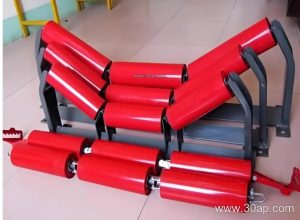
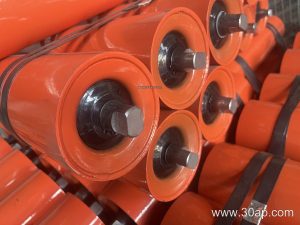
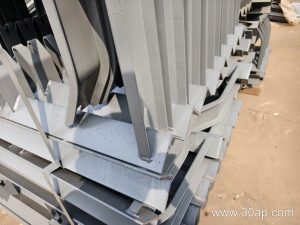
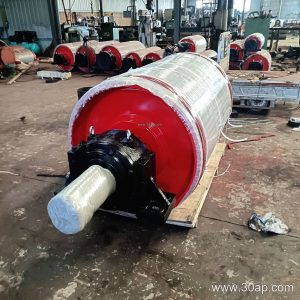
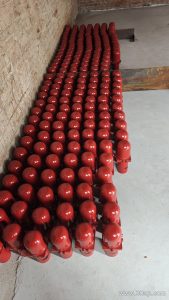
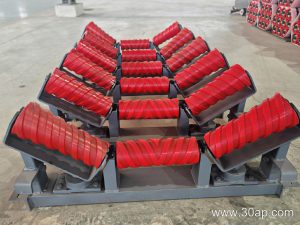
The loop format does not remove the need for good components. A conveyor pulley at the drive and tail, idler roller sets along the carry and return sides, and a sturdy conveyor bracket all affect how the belt runs. A poor pulley alignment or a seized idler can damage even a perfectly spliced loop, so mechanical checks belong on the same maintenance schedule as belt inspection.
Specifications Buyers Should Compare
Most endless belts are ordered by carcass type, strength grade, width, cover thickness and special properties. The table below shows common reference ranges; final values are set by the conveyor design and should be confirmed with the supplier.
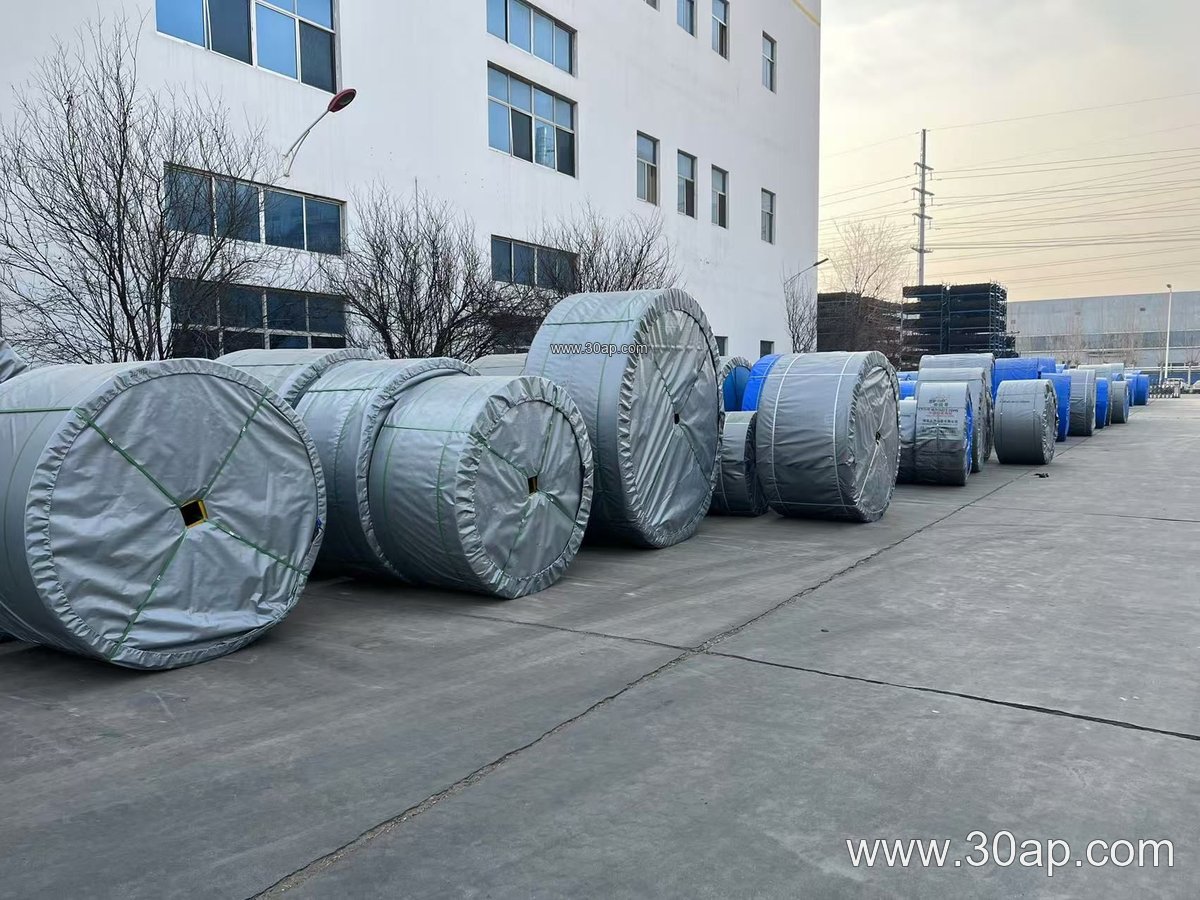
- Carcass: EP fabric, NN fabric, multi-ply fabric, steel cord, or solid woven PVC/PVG for underground work
- Strength grades (EP): EP200, EP315, EP400, EP500, EP630, EP800, EP1000, EP1250, EP1600
- Belt widths: B500, B650, B800, B1000, B1200, B1400, B1600, B1800, B2000
- Cover thickness: 3+1.5, 4+2, 5+2, 6+2, 8+3 mm
- Ply count: usually 2 to 6 layers in fabric construction
A user handling abrasive rock may prefer a High Abrasion Resistant Conveyor Belt, while a coke or clinker line may need a Heat Resistant Conveyor Belt. Underground coal work often calls for a Flame Retardant Conveyor Belt or a PVG800S belt, and a port terminal may specify an Oil Resistant Conveyor Belt for cargo contact. These properties are cover and compound choices, and they can be combined with the endless format.
Selection and Maintenance Notes
When specifying an endless belt, give the center distance, pulley diameters, belt speed, material size and tonnage, and the ambient conditions. Avoid assuming that one belt width fixes one pulley diameter; the drive, tail and bend pulleys are sized from tension and wrap angle, and they are not interchangeable. The same is true of carrying idlers, impact idlers and return rollers, which serve different positions on the frame.
On the maintenance side, check splice edges for separation, watch for cover gouges and edge wear, and keep pulleys and idlers clean. Store spare loops flat and away from sunlight and ozone. With correct installation and routine checks, an endless belt can deliver long, quiet service in demanding plants.