What an Aggregate Conveyor Belt Does
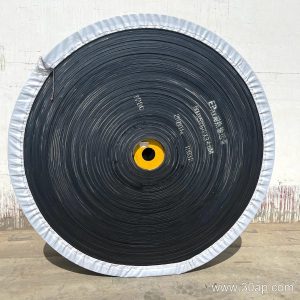
An aggregate conveyor belt is the carrying surface that moves crushed stone, sand, gravel and screened rock between the crusher, the screen deck and the stockpile. In a quarry or sand and gravel pit the belt is exposed to sharp edges, abrasive dust, impact at the loading point and weather, so the rubber compound and the carcass matter more than the belt’s appearance. The same product is often called a quarry conveyor belt or a rock conveyor belt, and in a crushing circuit it may simply be known as the crusher conveyor belt.
Aggregate handling is not the same duty as coal or cement. Rock fragments are heavy and angular, feed rates vary, and belts often run on inclined structures where material must not roll back. That is why most aggregate belts are built around an abrasion resistant cover and a fabric carcass rather than a smooth, thin general-purpose belt.
Construction of the Belt
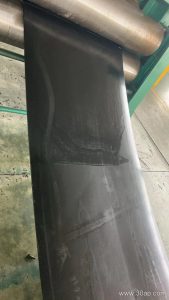
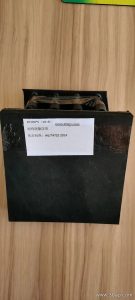
A typical aggregate belt has three working parts. The top cover takes the wear and impact, the bottom cover protects the pulley side, and the carcass carries the tension. Fabric carcasses are common in this duty: an EP conveyor belt (polyester warp, nylon weft) or an NN conveyor belt (nylon warp and weft) gives good flexibility and resistance to repeated flexing over pulleys.
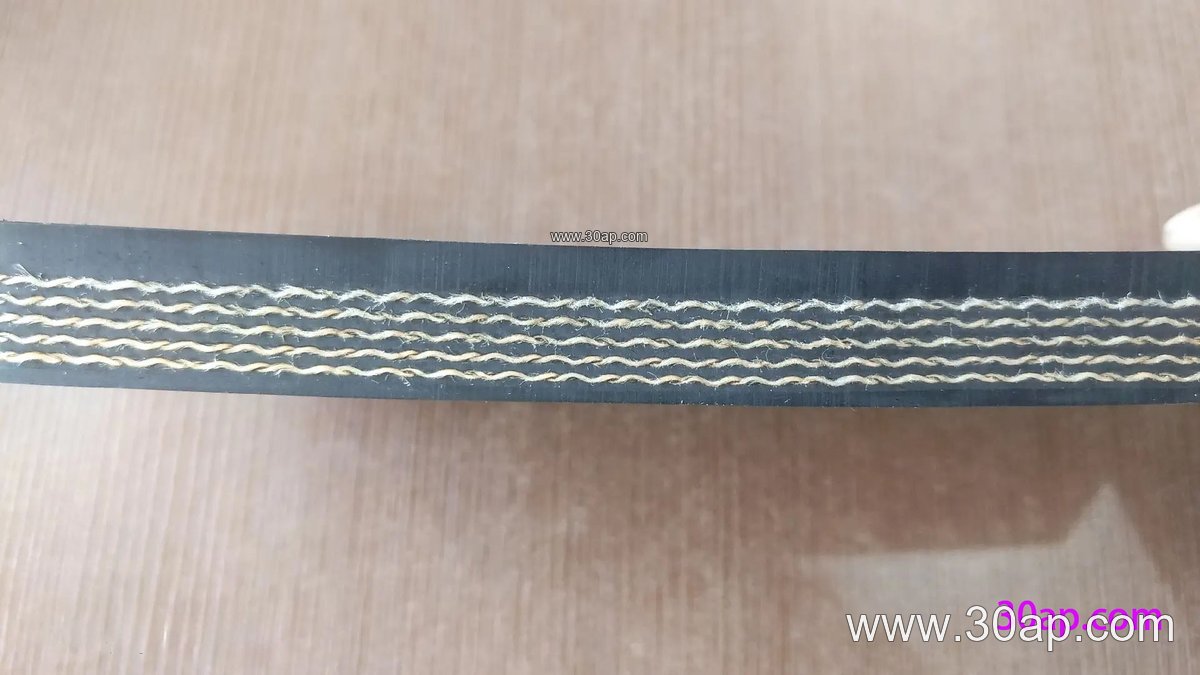
Multi-ply fabric core conveyor belts are widely used because the number of plies can be matched to the conveyor length and the required strength. Heavier circuits, long overland runs and high-tonnage primary crushing stations may use a steel cord conveyor belt instead, where very high strength and low elongation are needed.
Cover compounds that suit aggregate duty
- Abrasion resistant rubber for chute loading and screened stone.
- Impact resistant covers under crusher discharge points.
- Heat resistant grades where hot asphalt or clinker is nearby.
- Flame retardant and anti-static grades for enclosed or dusty plants.
- Oil resistant covers where equipment leaks are likely.
Cover thickness is usually written as top plus bottom, for example 4+2 mm, 5+2 mm or 6+2 mm. Thicker covers last longer at impact points but add weight and cost.
Common Sizes and Strength Grades
Belt width is set by the required capacity and the largest lump size. Common widths in aggregate plants include 500 mm, 650 mm, 800 mm, 1000 mm and 1200 mm, with wider belts such as 1400 mm or 1600 mm on main line conveyors. Strength grades for fabric belts are often quoted as EP200, EP400, EP630, EP800 or EP1000, depending on the duty.
| Parameter | Typical reference range | Note |
|---|---|---|
| Belt width | B500 to B2000 mm | Selected from capacity and lump size |
| Fabric strength | EP200 to EP1000 | Higher grades for long or loaded runs |
| Number of plies | 2 to 6 | Matched to tension demand |
| Top and bottom cover | 3+1.5, 4+2, 5+2, 6+2, 8+3 mm | Thicker top cover at impact zones |
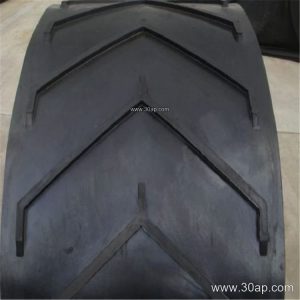
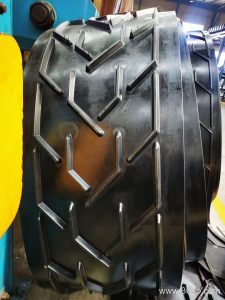
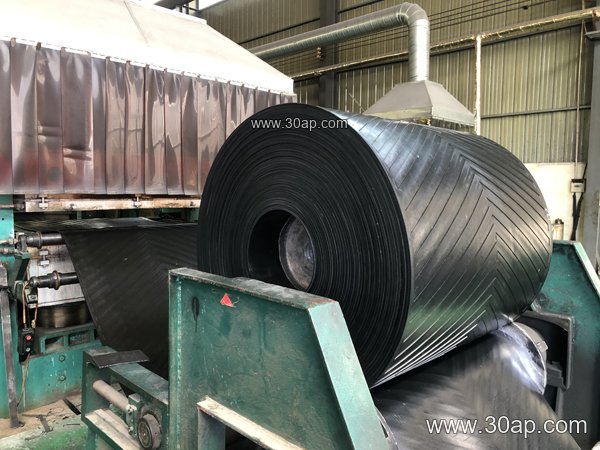
| Surface form | Smooth, chevron, skirted, corrugated sidewall | Chevron or sidewall belts suit steep inclines |
These figures are reference values only. Final specifications are confirmed by the conveyor design, and different manufacturers offer different combinations.
Where Aggregate Belts Are Used
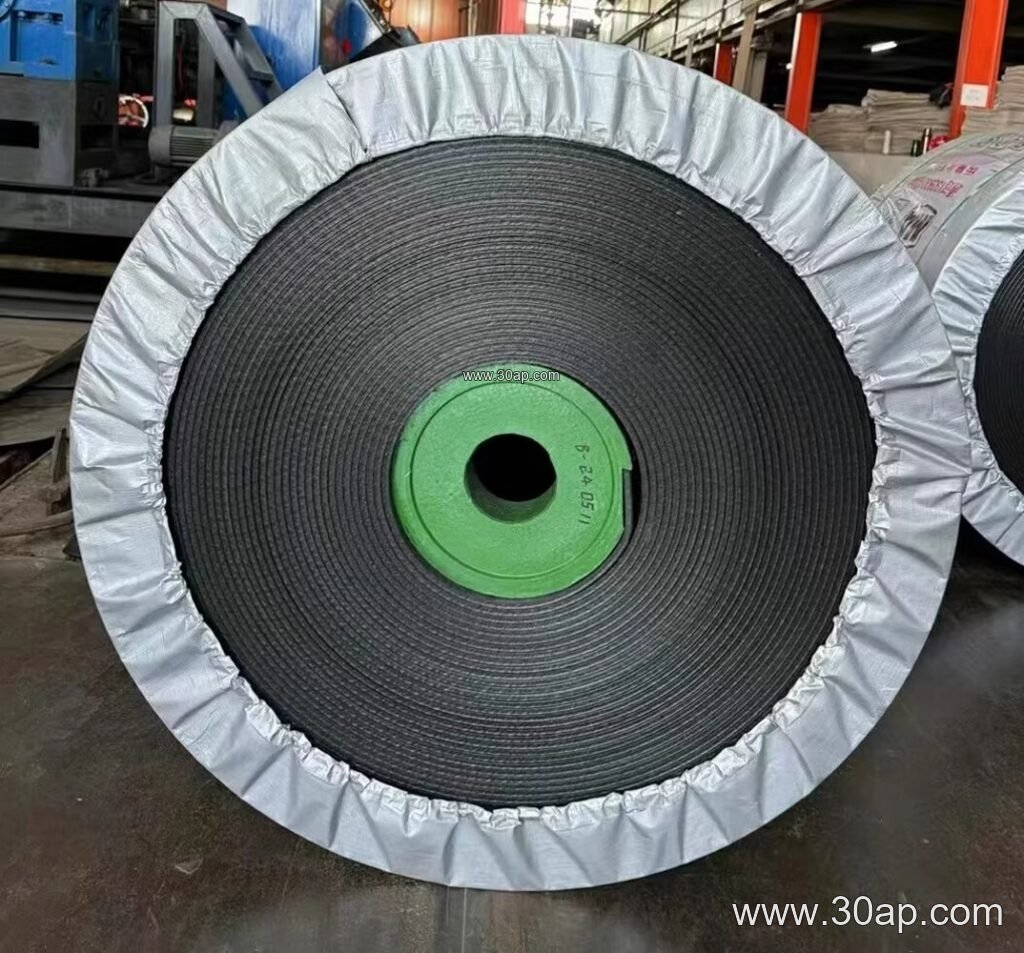
The main applications are stone crushing plants, sand making plants, screening stations, concrete aggregate yards and port stockyards. Belts also appear in cement plants feeding raw material, in power plant yards, and in recycling lines handling demolition rubble. A chevron conveyor belt or a corrugated sidewall belt is often chosen where the incline is too steep for a smooth belt, while a skirted belt helps contain material at transfer points.
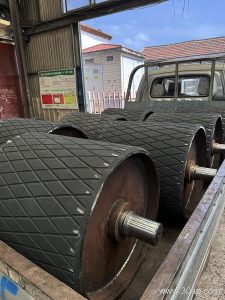
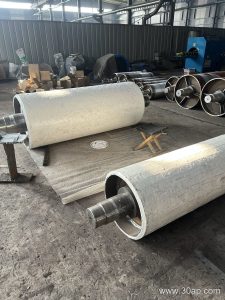
The belt does not work alone. It runs on a conveyor pulley at the drive and tail ends, is supported by idler rollers, and is held in line by conveyor brackets and frames. Drive, tail and bend pulleys each have a different role and should not be treated as interchangeable parts when ordering spares.
What Buyers Should Check
- State the material, lump size, capacity and incline, not just the belt width.
- Ask for the cover grade and thickness, and the carcass type and ply count.
- Confirm the pulley diameters on the existing conveyor, since a stiff belt may not flex well on small pulleys.
- Check whether the plant needs flame retardant or anti-static properties for dusty or enclosed areas.
- Plan splicing: an endless conveyor belt made on site or a factory-jointed belt reduces downtime.
- Review stock of idler roller and pulley parts alongside belt purchases.
Inspect covers for cuts and edge wear regularly, keep the belt tracking straight, and check that material is loaded centrally. A well-matched aggregate conveyor belt, correctly tensioned and supported, keeps a quarry or crushing plant running with fewer stoppages.