What a 2200mm Conveyor Belt Is
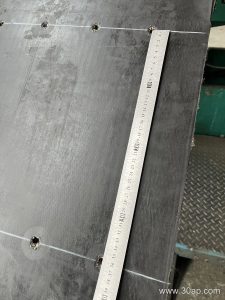
A 2200mm conveyor belt is a wide-format belt built for conveyor lines that must move large tonnages or handle bulky, poorly distributed material across a broad carrying surface. At this width, the belt is usually classed as an extra-wide conveyor belt, and it is normally engineered together with the pulley, idler roller and conveyor bracket arrangement rather than selected as a stand-alone item. The 2200mm figure refers to the cut width of the belt, not to its thickness, strength grade or cover quality.
Wide belts of this kind appear in mines, coal preparation plants, cement works, power stations, quarries, sand and gravel yards, ports and heavy bulk handling terminals. Whether the duty is ore, clinker, crushed rock or coal, the belt has to match the load, the support structure and the environment.
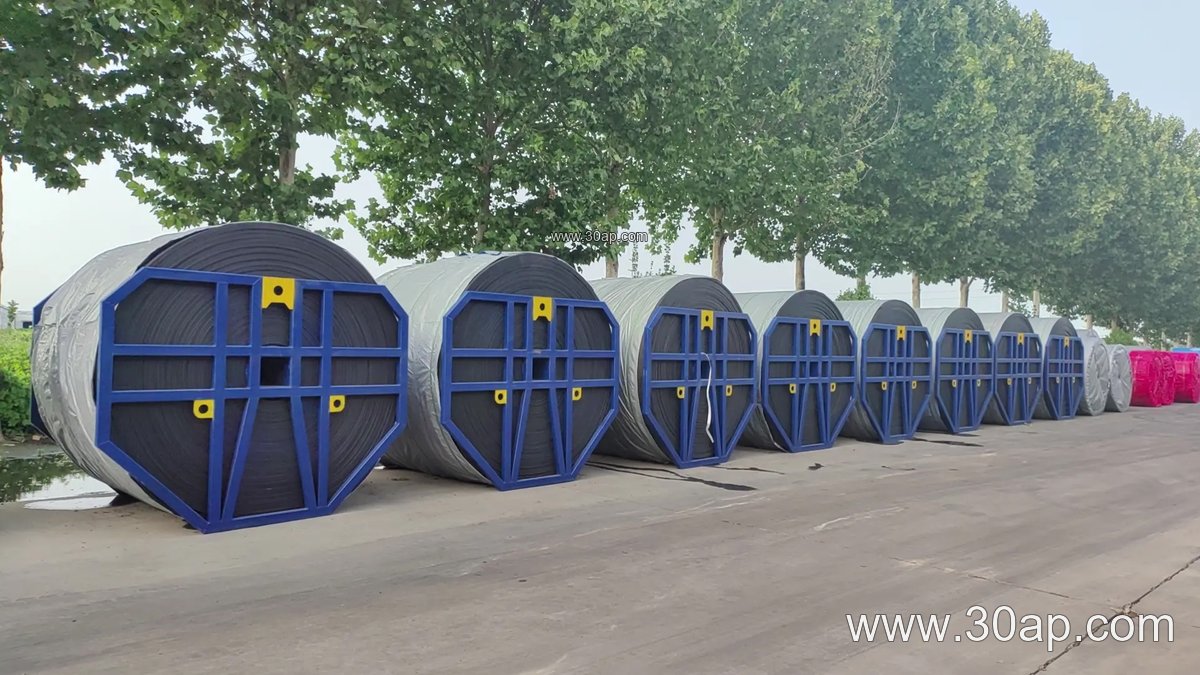
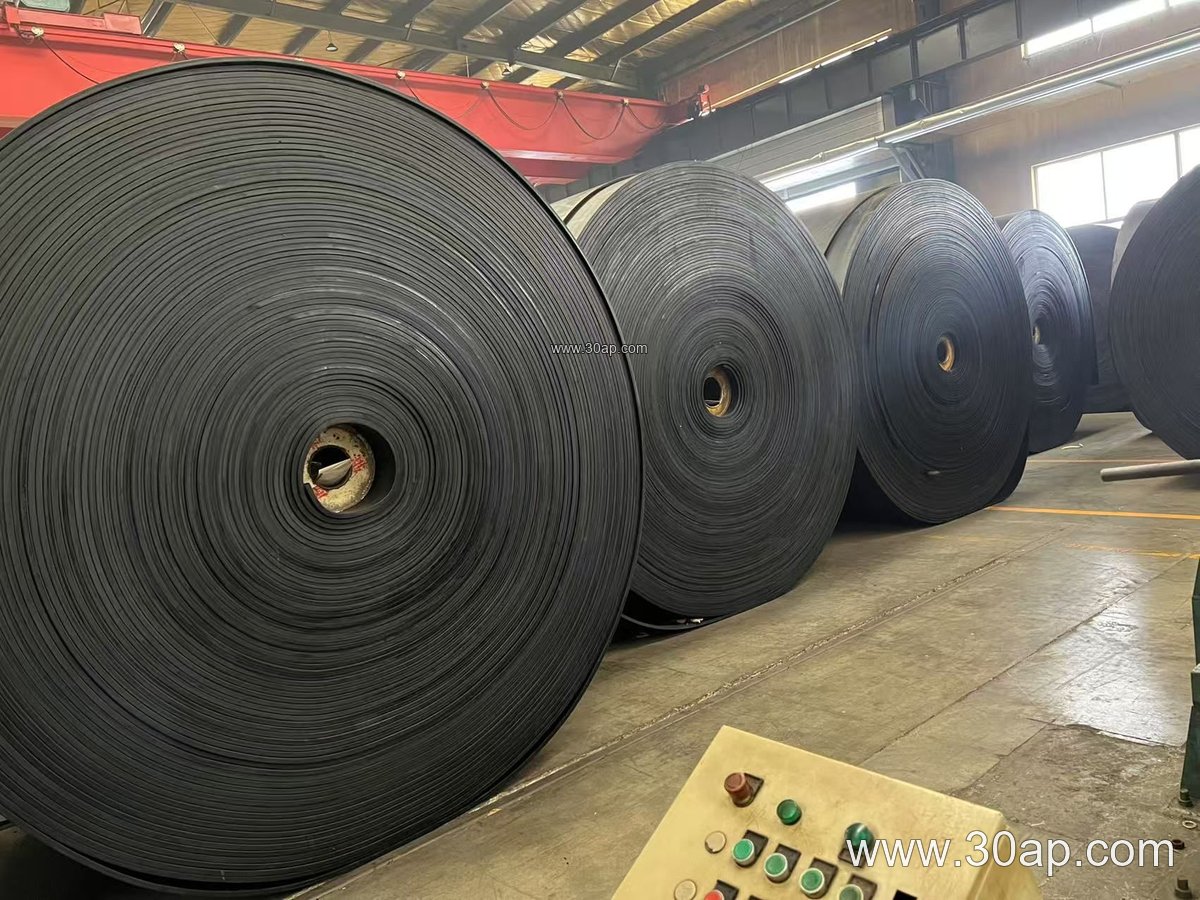
Construction and Material Options
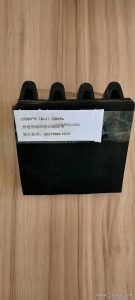
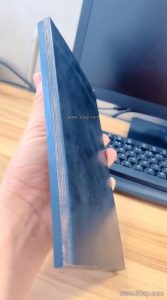
The carcass and the covers are the two decisions that shape performance. A fabric core conveyor belt is common at this width, with EP or NN fabric plies carrying the tension. EP conveyor belt constructions, including grades such as EP200, EP315, EP400, EP500, EP630, EP800, EP1000 and EP1250, are frequently considered, while a steel cord conveyor belt may be chosen when the line is long and the tension demand is high. Multi-ply fabric core conveyor belt builds with 2 to 6 plies are typical, with the exact number set by the duty.
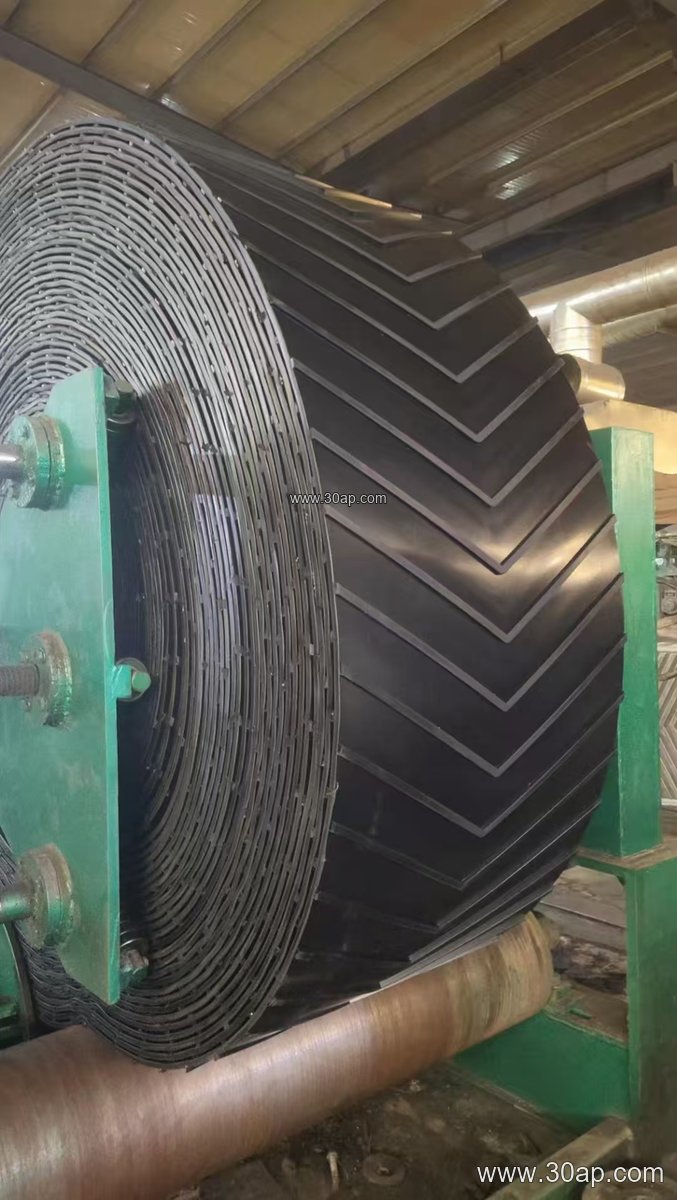
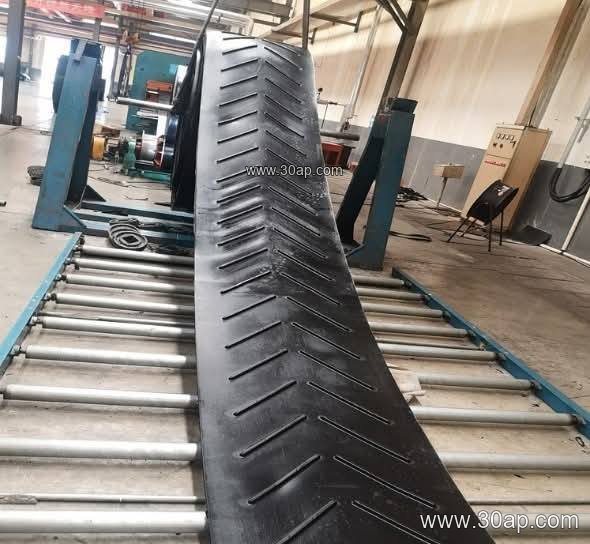
Cover compounds are selected for the material and the climate. Abrasion resistant conveyor belt grades suit crushed stone and sand, heat resistant conveyor belt covers suit clinker and sinter, flame retardant and fire resistant conveyor belt compounds are used in coal mining and underground coal mining conveyor belt duties, and oil resistant, cold resistant, anti-static or acid and chemical resistant covers are available where conditions call for them. Chevron conveyor belt, skirted conveyor belt, corrugated sidewall conveyor belt and pipe conveyor belt designs are separate constructions and are mentioned here only to show the range of belt forms that exist; they do not replace the plain 2200mm belt.
Reference Dimensions and Strength Grades
The values below are common reference points only. Actual specifications are confirmed by design, and different manufacturers will vary. The table is not a supply promise, and no single belt width dictates one pulley diameter or one shaft size.
| Parameter | Common reference values |
|---|---|
| Belt width | 2200 mm (also written B2200) |
| Related widths in the range | B1800, B2000, B2200, B2400 |
| Fabric core grades | EP200, EP315, EP400, EP500, EP630, EP800, EP1000, EP1250 |
| Steel cord grades | ST1000, ST1250, ST1600, ST2000, ST2500 |
| Cover thickness examples | 4+2 mm, 5+2 mm, 6+2 mm, 8+3 mm |
| Ply count | Usually 2 to 6, set by design |
Where It Fits in a Conveyor Line
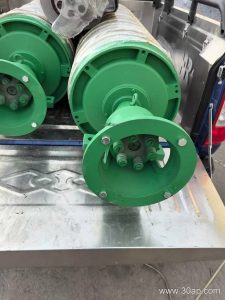
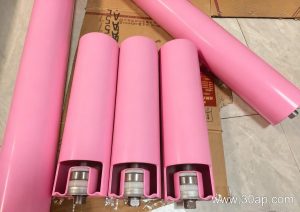
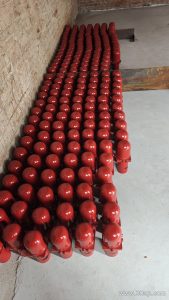
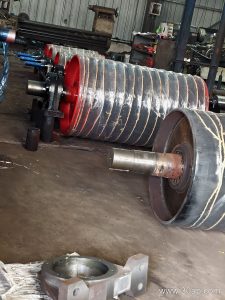
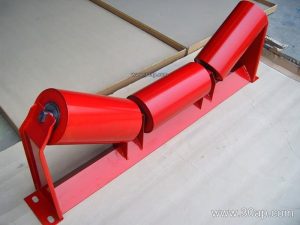
On a wide line, the belt runs over a series of idler rollers carried by a conveyor bracket frame, and it wraps the head and tail pulleys plus any bend pulley in the return path. Drive pulley, tail pulley and bend pulley each perform a distinct job, and the belt specification must be checked against all of them. A 2200mm conveyor belt is often paired with a heavy-duty conveyor pulley and robust troughing idlers so the wide span keeps its shape under load.
Typical duties include primary crushing discharge in a quarry conveyor belt circuit, cement plant conveyor belt runs carrying clinker, coal conveyor belt lines in power plants, and ore conveyor belt systems in iron ore or copper ore operations. Port conveyor belt and ship loading conveyor belt installations also use wide belts where high throughput matters.
Buyer Checklist
- Confirm the material, lump size, capacity and loading method before fixing the width.
- State the required tension grade, ply count and cover thickness in millimetres.
- Match the cover compound to the environment: abrasion, heat, oil, flame or cold.
- Check pulley face width, idler trough angle and bracket dimensions together with the belt.
- Ask for the jointing method and confirm it suits the site and the belt construction.
- Plan inspection of edges, covers and splices, since wide belts are costly to replace.
A 2200mm conveyor belt is a serious capital item. Get the duty data right, keep the specification consistent with the pulleys, idlers and frame, and the belt will deliver the capacity the line was designed for.