What a Carbon Steel Idler Is
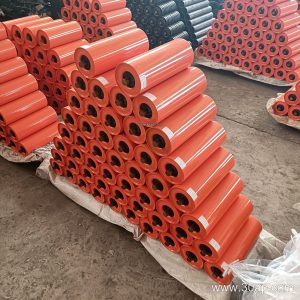
A carbon steel idler is the rotating roller that supports and guides a conveyor belt along its carrying and return runs. The tube, shaft and end caps are typically made from carbon steel, which gives the roller a good balance of strength, stiffness and cost. In a quarry, a coal washing plant or a power station coal yard, these rollers are usually the most numerous wear parts on the whole conveyor, so their quality has a direct effect on belt life and downtime.
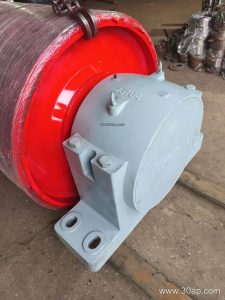
People often shorten the name to steel idler or carbon steel roller. Both refer to the same product. It is not a drive pulley, a tail pulley or a bend pulley. Those are conveyor pulleys that transmit power or change belt direction, while the carbon steel idler only carries the belt and the material on it.
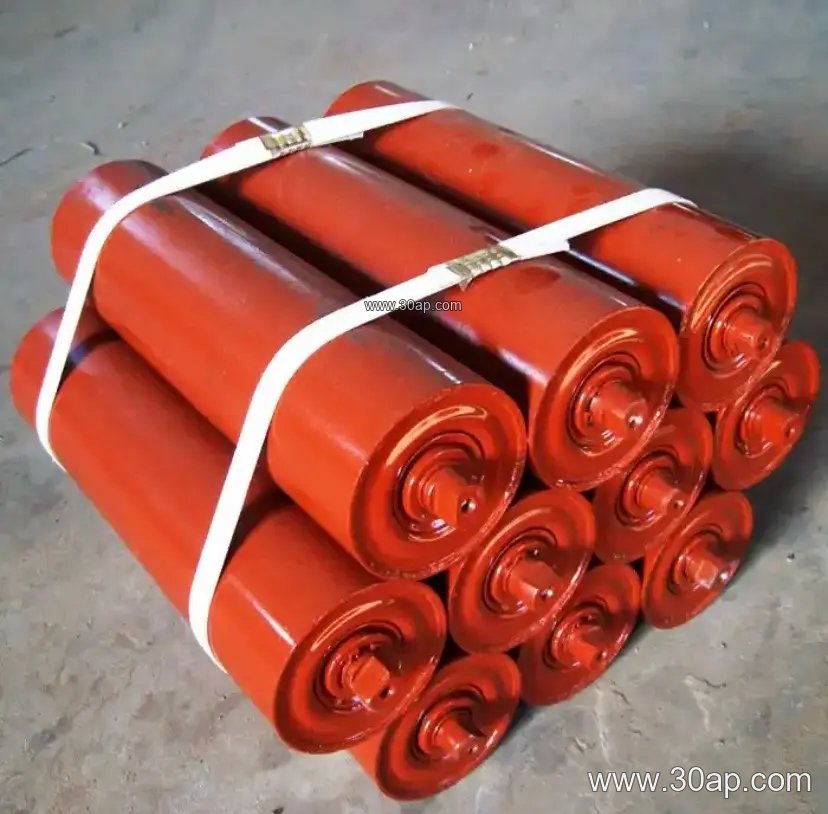
How the Roller Is Built
A typical unit has four main parts:
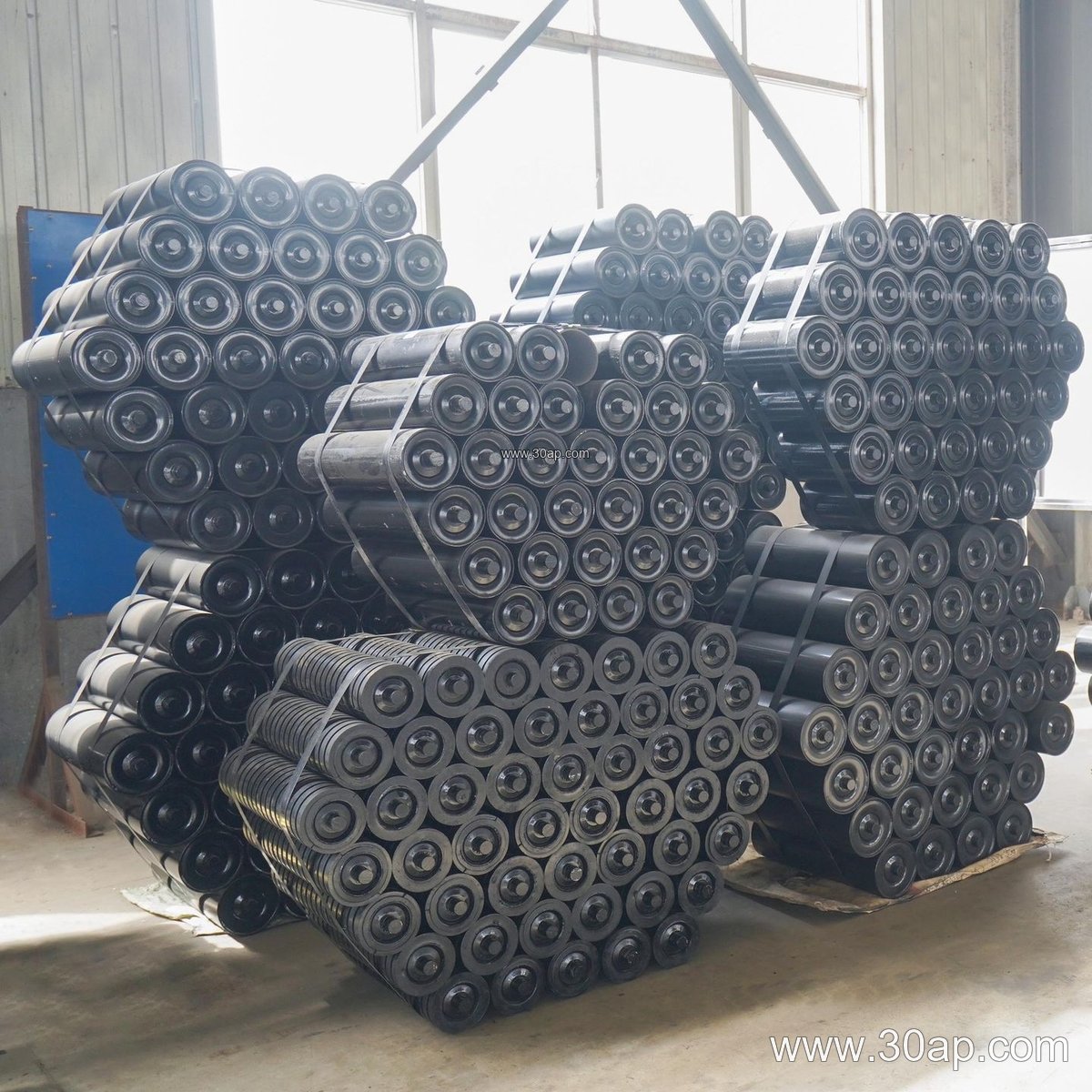
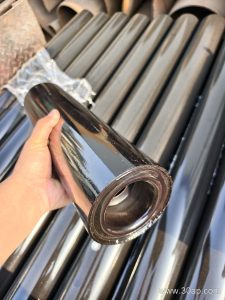
- Steel tube, often a seamless or welded pipe, machined at both ends
- Through shaft with machined journals
- Bearings, commonly 6204, 6205, 6305, 6306, 6308 or 6310 depending on load
- Seals and end caps to keep out dust and water
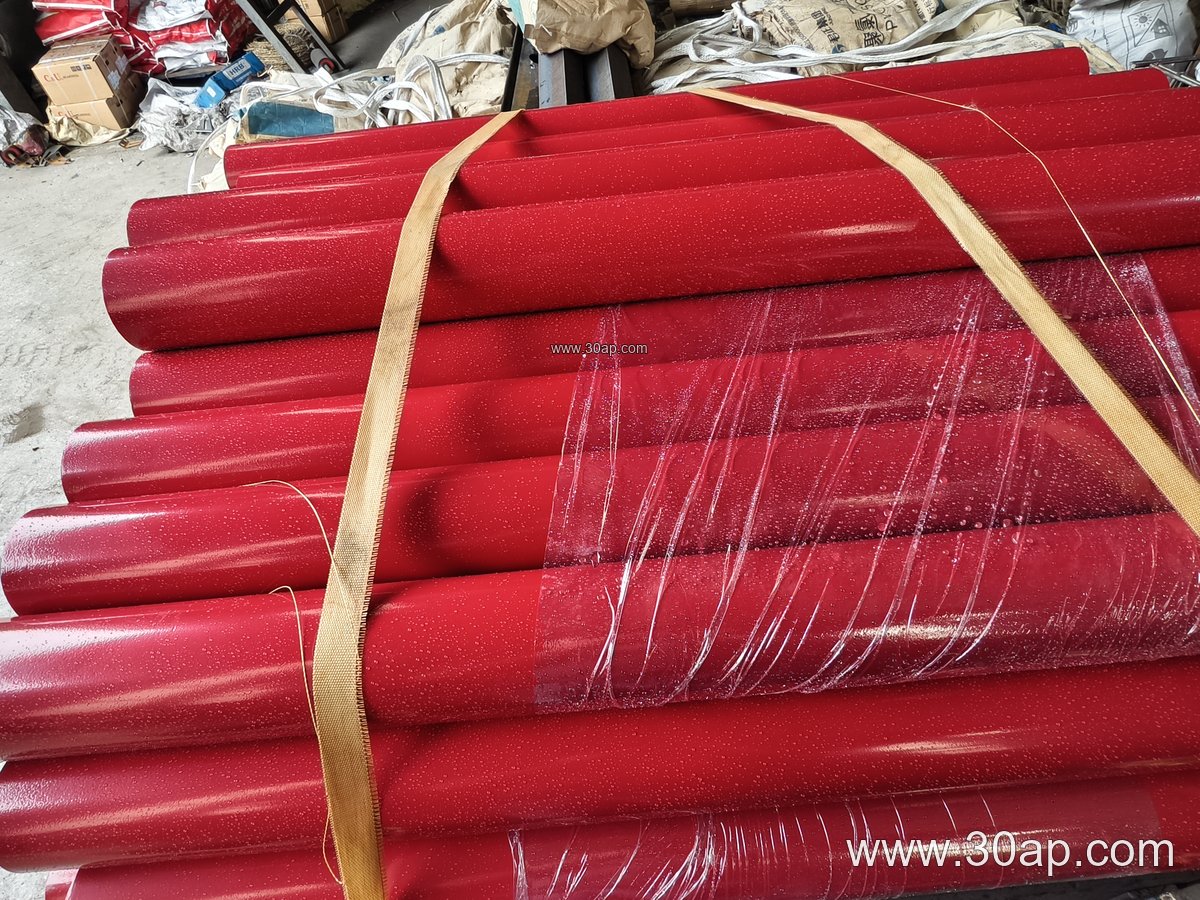
The tube surface can be plain steel, nylon coated, ceramic coated or fitted with rubber rings. Rubber ring versions are useful at transfer points where impact is heavy. Bearing selection is not fixed by roller diameter alone, so the same shell size may be offered with different bearing classes for different load demands.
Common Arrangements on the Belt Line
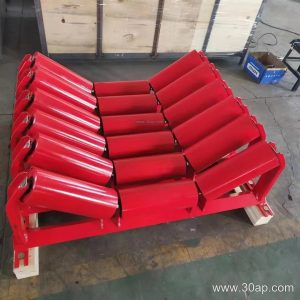
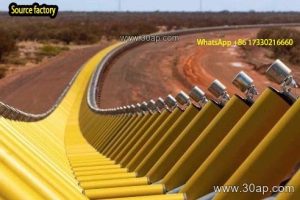
Troughing idlers are set at a trough angle, usually 20, 30, 35 or 45 degrees, and are arranged as single, two-roll or three-roll sets. Return idlers run under the belt, often as a flat roller or a V-shaped return set. Impact idlers with rubber rings sit below the loading point. Self-aligning types with a small forward tilt of about 1.5 to 2 degrees help correct belt tracking. Transition idlers ease the belt from flat to troughed profile near the pulleys.
Roller length follows belt width and trough form. Common examples for three-roll troughing sets are about 200 mm roll length at B500, 250 mm at B650, 315 mm at B800, 380 mm at B1000, 465 mm at B1200, 530 mm at B1400, 600 mm at B1600 and 670 mm at B1800. These are reference values only; side rolls and centre rolls can differ, and final dimensions are set by design.
| Parameter | Common Options |
|---|---|
| Roller diameter | Ø63, Ø76, Ø89, Ø102, Ø108, Ø127, Ø133, Ø159, Ø178, Ø194, Ø219 mm |
| Belt width | B400 to B2400 mm |
| Trough angle | 20°, 30°, 35°, 45° |
| Bearing | 6204, 6205, 6305, 6306, 6308, 6310 |
| Surface | Steel, nylon, ceramic, rubber ring |
Where It Fits in the Plant
In a stone crushing line, carbon steel idlers support an Abrasion Resistant Conveyor Belt carrying crushed rock from the primary crusher to the screen. In a coal preparation plant, they carry a Flame Retardant Conveyor Belt through dusty, sometimes wet conditions, so seal quality matters as much as shell thickness. A cement plant uses them under a Heat Resistant Conveyor Belt on clinker lines, where high temperature and fine dust both stress bearings. Port terminals handling iron ore or coal rely on heavy-duty rollers under a Steel Cord Conveyor Belt running at high tension.
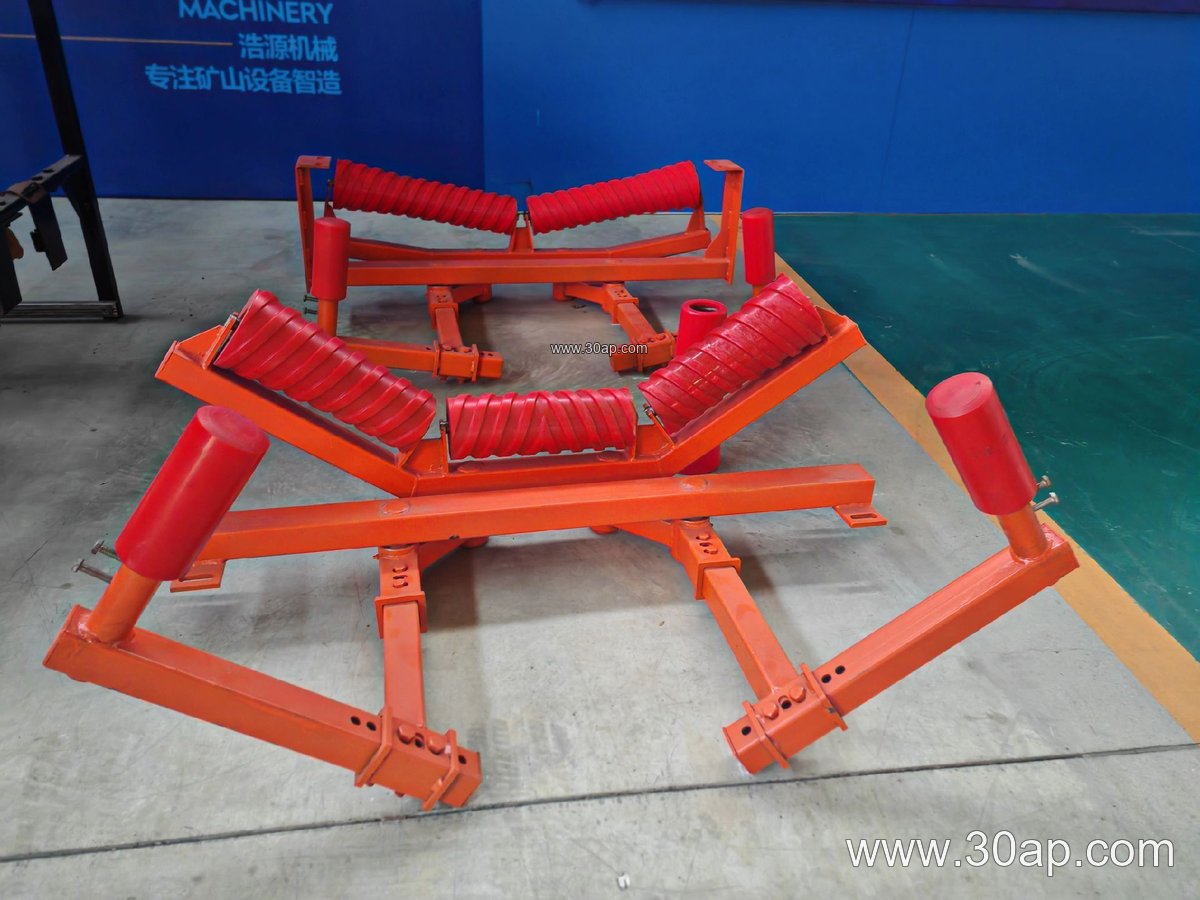
The roller does not work alone. It sits in a conveyor bracket or frame, and the whole set must match the belt width, the load and the belt speed. A mismatched set can cause belt edge wear, spillage or tracking problems.
What a Buyer Should Check
- Confirm the roller diameter, shell length and bearing size against the conveyor drawing, not just the belt width.
- Ask about seal design and grease retention for dusty or wet sites.
- Check tube wall thickness and shaft material for the actual load.
- Match the roller type to its position: troughing, return, impact or self-aligning.
- Keep spare rollers in the most used sizes to reduce stoppage time.
A carbon steel idler is a simple part, but choosing the right diameter, bearing and surface for each position keeps the belt running straight and the plant running longer.