What the EP500 Conveyor Belt Is
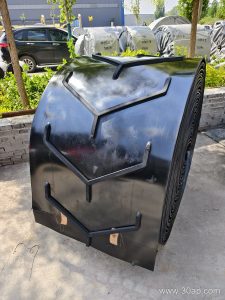
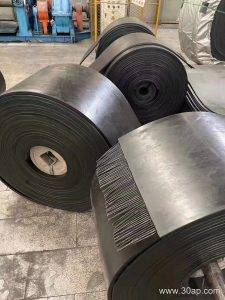
The EP500 Conveyor Belt is a fabric-core belt built around polyester (EP) warp and nylon weft cords. The “500” indicates a nominal tensile strength of 500 N/mm per ply, placing it in the mid-to-high range of EP constructions. It is a workhorse choice for moving abrasive, heavy bulk materials over long distances where both strength and troughability matter. As a subtype of EP Conveyor Belt, it belongs to the broader family of Fabric Core Conveyor Belt products used across mining, cement, and aggregate operations.
Construction and Build
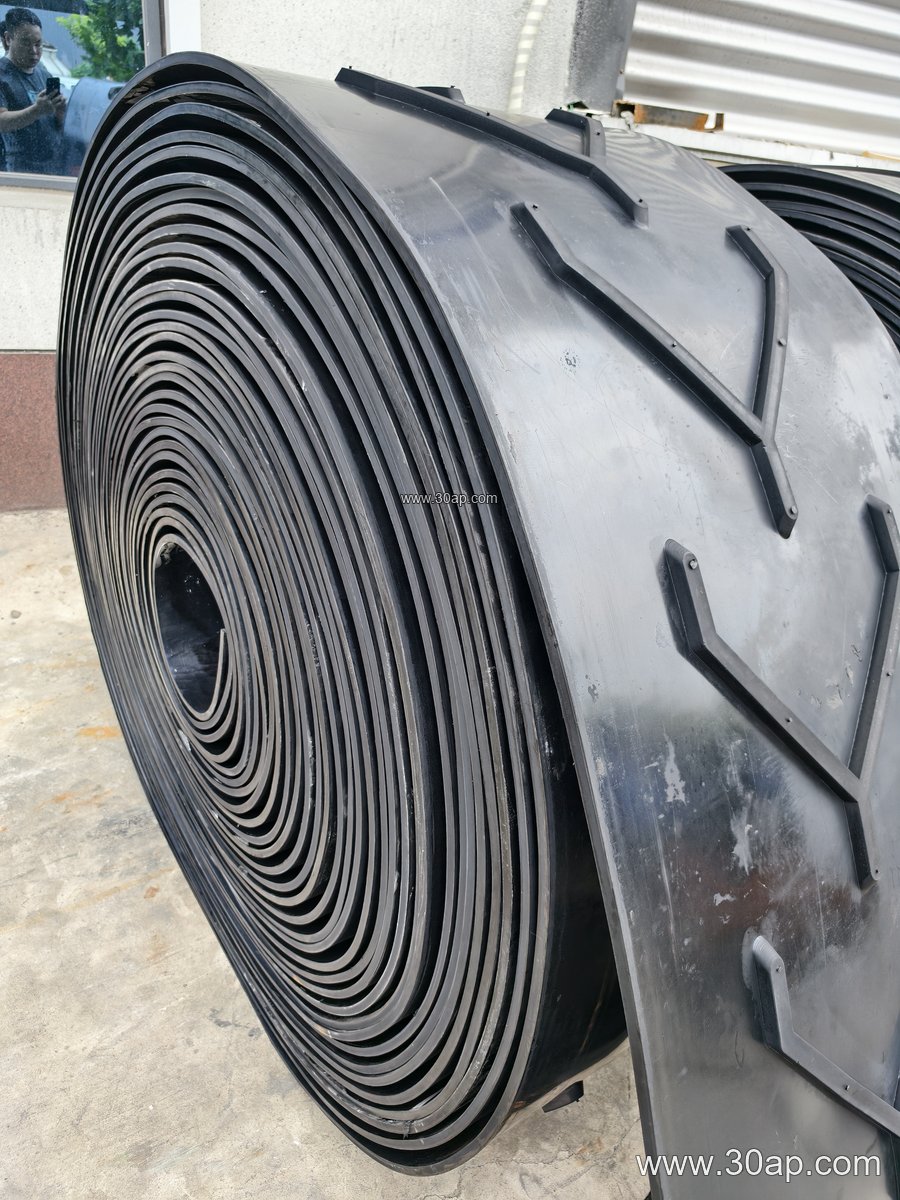
An EP500 belt is typically supplied with two to five plies, depending on the required safety factor and the conveyor’s design. The carcass is protected by rubber covers on both sides; common cover gauges include 4+2 mm, 5+2 mm, and 6+2 mm, with thicker top covers where impact and abrasion are severe. The rubber grade can be selected for the duty: an Abrasion Resistant Conveyor Belt compound for crusher feed, a Heat Resistant Conveyor Belt grade near clinker or sinter, or a Flame Retardant Conveyor Belt version for underground coal mining. Edge construction is usually cut-edge or moulded-edge; the latter offers better resistance to edge wear in coarse rock service.
Typical Duty and Applications
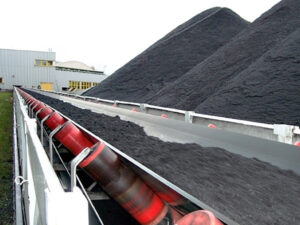
The EP500 Conveyor Belt is often found in primary and secondary crushing circuits, stockyard conveyors, and overland sections in sand and gravel plants. It handles limestone, gypsum, coal, and ore at moderate to high tonnages. Because the EP carcass absorbs impact and resists flex fatigue, it suits both Mining Conveyor Belt duty and Quarry Conveyor Belt service. In cement plants it may feed raw mills or transport clinker, while in power plants it can carry coal from stockpile to boiler bunker. For very high tension or long single-flight conveyors, a Steel Cord Conveyor Belt is the usual alternative; EP500 remains the practical choice where moderate tension, smaller pulleys, and easier splicing are priorities.
Reference Data for Preliminary Selection
The figures below are common reference values, not fixed universal specifications. Actual construction is confirmed by the belt manufacturer and the conveyor design.
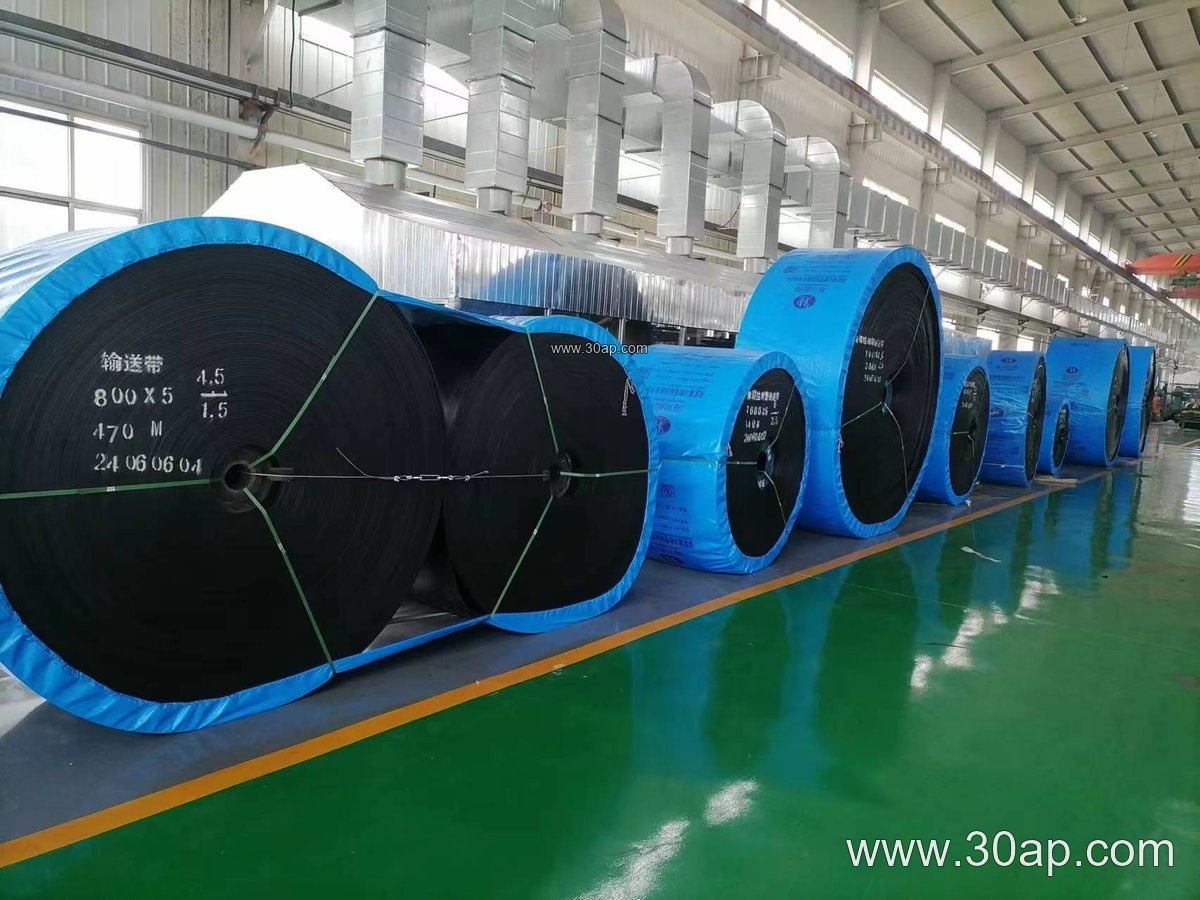
- Strength grade: EP500 (nominal 500 N/mm per ply)
- Ply range: 2 to 5 plies typical
- Cover gauges: 4+2 mm, 5+2 mm, 6+2 mm common
- Belt widths: B650, B800, B1000, B1200, B1400, B1600
- Rubber grades: abrasion resistant, heat resistant, flame retardant, oil resistant
Belt width and pulley diameter are matched by the conveyor designer using tension, troughing angle, and material lump size. A wider belt does not automatically require a larger pulley, and shaft diameters are calculated from load and torque, never inferred from belt width alone.
Buyer Checklist
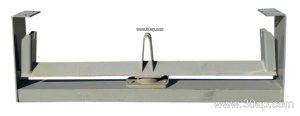
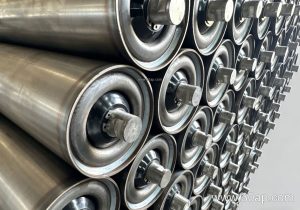
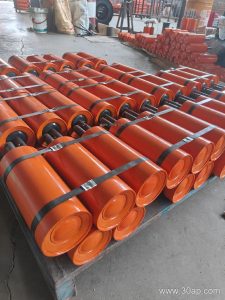
Before ordering, confirm the material type, lump size, moisture, and temperature range. Check whether the belt must meet fire safety rules for underground coal mining; in that case a flame retardant grade or a PVG belt may be specified instead. Verify the pulley diameters on the drive, tail, and bend positions so the belt’s minimum pulley requirement is respected. Ask for the splice method (hot, cold, or mechanical) and whether an Endless Conveyor Belt is preferred to reduce joint fatigue. Also review the conveyor pulley and idler roller condition, as worn rollers accelerate cover wear. Finally, confirm cover grade and thickness against the abrasion and impact profile of the duty.
Maintenance Notes
Track belt wear at the edges and at the load point. Keep the conveyor bracket alignment true and maintain idler rotation to avoid belt mistracking. Store spare EP500 belts in a dry, shaded area and rotate stock. When splicing, follow the manufacturer’s step length and cure schedule; a poorly made joint shortens belt life more than cover wear in many installations.