What an Impact Resistant Conveyor Belt Is
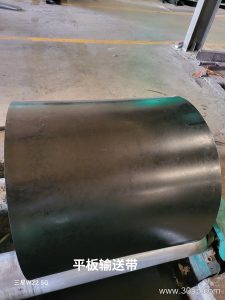
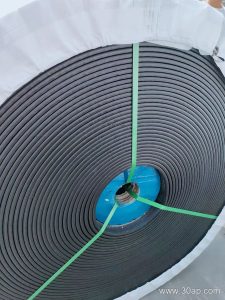
An impact resistant conveyor belt is a heavy-duty rubber belt built to absorb the shock of large, sharp or heavy lumps dropping onto the carrying surface. In mines, quarries, cement plants and power stations, material often lands from a height at the loading point, and a standard belt can suffer cuts, gouges and ply separation. The impact resistant design places extra protection exactly where the load hits hardest, so the belt keeps running through repetitive shock loading instead of failing early.
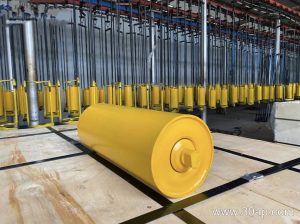
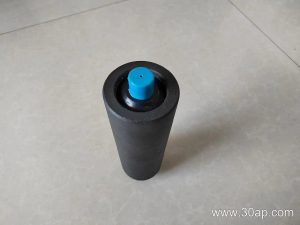
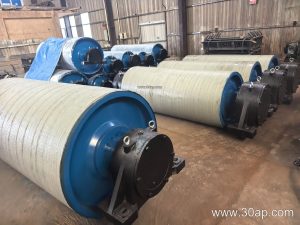
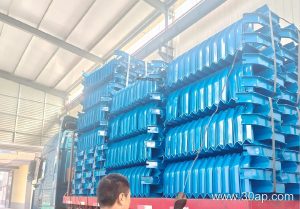
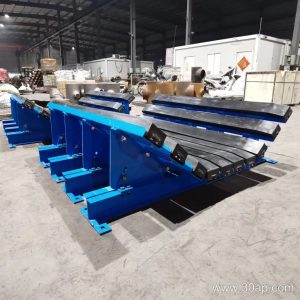
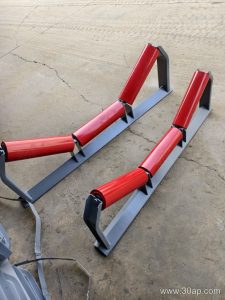
This belt is part of the wider conveyor belt family, and it works together with the idler roller, conveyor pulley and conveyor bracket that make up the conveyor structure. It is not a replacement for a heat resistant or flame retardant belt; those are separate subtypes chosen for different risks.
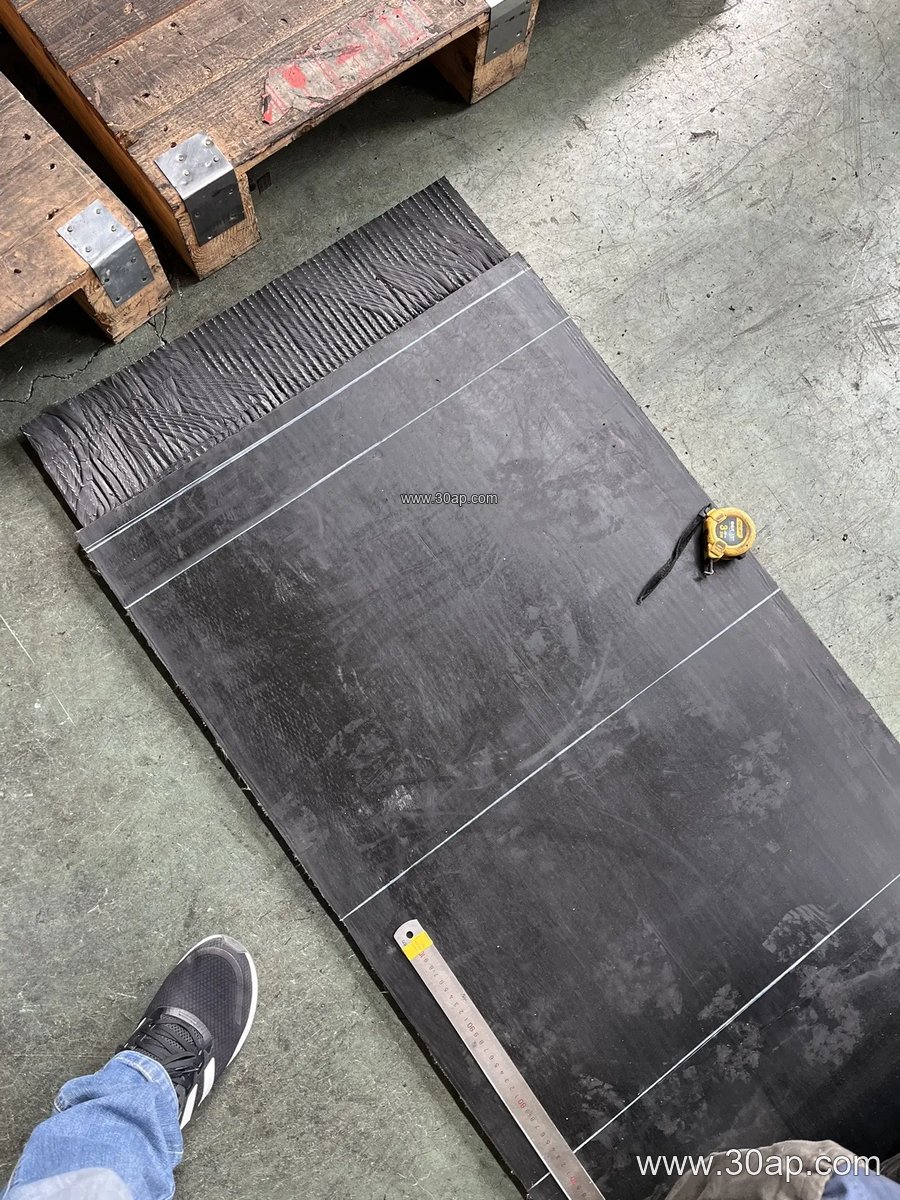
How the Belt Is Built
The impact resistance comes mainly from the construction of the top cover and the carcass beneath it.
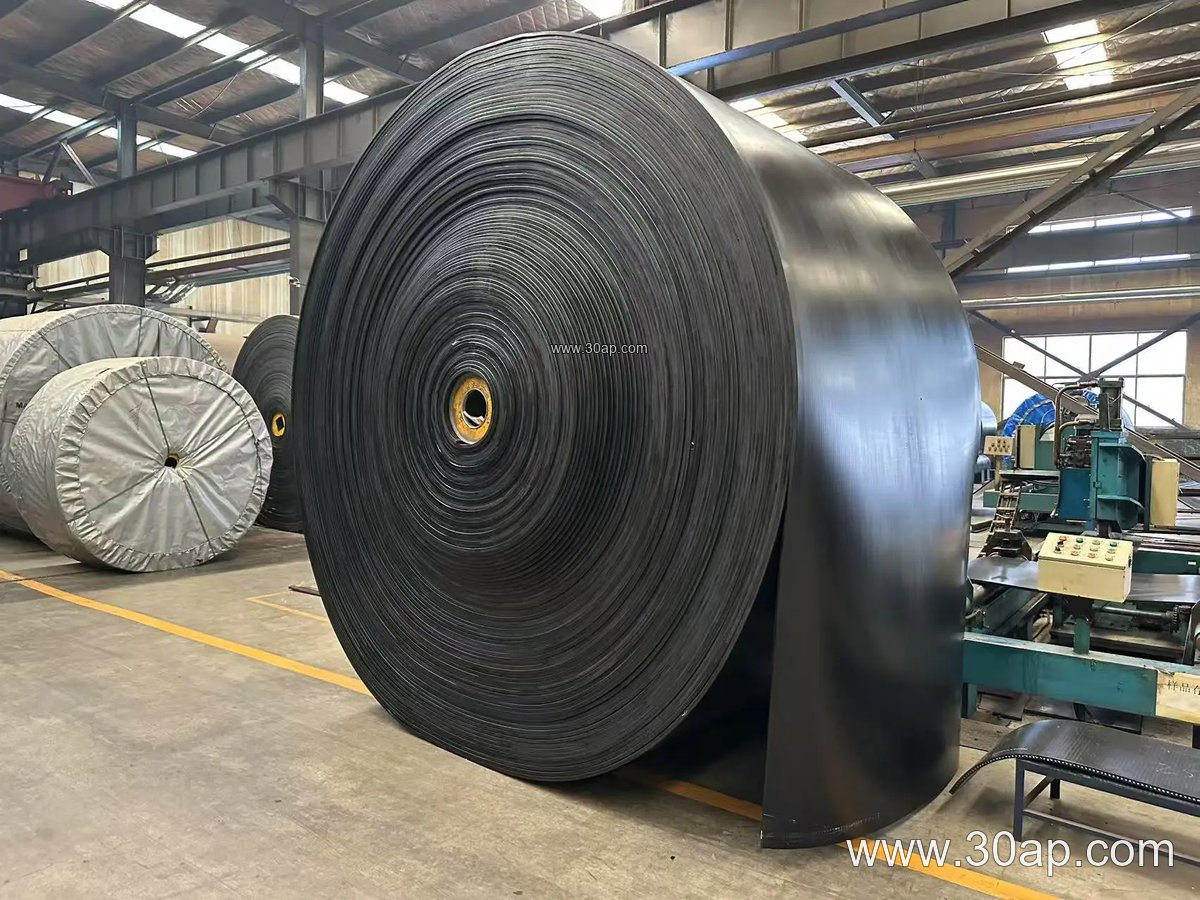
- Thick, tough top cover: impact grades usually carry a thicker cover than general-purpose belting, often with high abrasion resistance to survive sharp rock and ore.
- Reinforced carcass: an EP or NN fabric core with multiple plies spreads the point load across the belt width, while a steel cord carcass is used for very high tension and long runs.
- Breaker layer: some designs add a special fabric or cord layer under the cover to stop cuts from propagating into the load-bearing plies.
- Edge protection: sturdy edges resist tearing when lumpy material shifts against the belt sides.
Typical carcass grades include EP200 up to EP2000 or NN100 up to NN400, and steel cord grades such as ST1000 to ST3150 for demanding duties. Cover thickness is often quoted as 6+2, 8+3 mm or heavier, depending on the drop height and lump size. These are common reference values; the final specification is set by the conveyor design and the material being handled.
Where It Fits in the Plant
The belt is common at transfer points and primary crushing stations. You will see it in:
- Open-pit and underground mining operations handling run-of-mine rock and ore
- Quarries and aggregate plants feeding crushers and screens
- Cement plants moving clinker and limestone
- Coal handling systems and power plant fuel yards
- Ports and ship loading terminals where material falls from grabs or chutes
At these points the belt meets the conveyor pulley, runs over the idler roller and is held in line by the conveyor bracket and frame. A well-supported loading zone with impact idlers and skirt rubber reduces wear and keeps the belt centred.
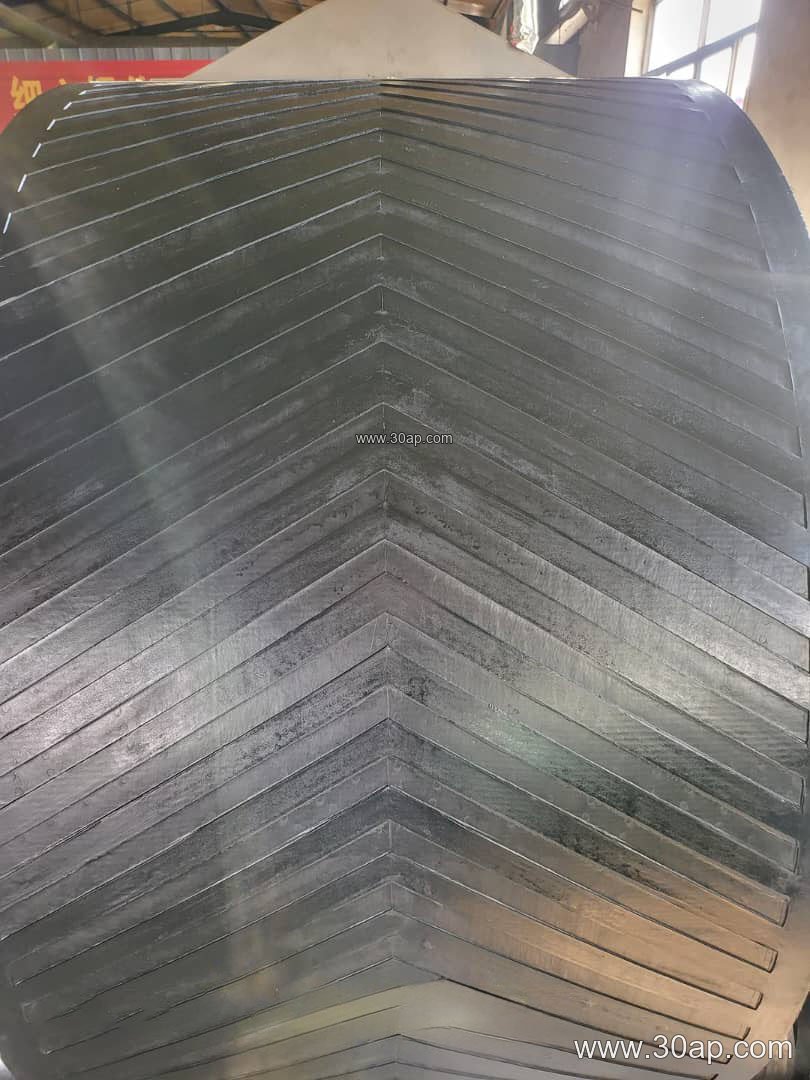
Specification Reference
Buyers often compare belts by carcass grade, width and cover thickness. The table below shows common ranges only; actual values depend on the manufacturer and the duty.
| Parameter | Common Range | Notes |
|---|---|---|
| Carcass type | EP fabric, NN fabric, steel cord | Multi-ply fabric for moderate tension, steel cord for long high-tension runs |
| Strength grade | EP200 to EP2000; NN100 to NN400; ST1000 to ST3150 | Selected by calculated belt tension |
| Belt width | B500, B650, B800, B1000, B1200, B1400, B1600, B1800, B2000 | Wider belts suit high tonnage and large lumps |
| Cover thickness | 6+2, 8+3 mm and heavier | Top cover thickness drives impact and abrasion life |
| Ply count | 2 to 6 plies | More plies raise tensile strength |
What a Buyer Should Check
Start with the loading conditions. Drop height, maximum lump size, material density and throughput decide how much impact protection is needed. A belt that is too light for the drop will cut and delaminate, while an oversized belt adds weight and cost without benefit.
Confirm the carcass grade against the conveyor’s tension calculation, and check that the pulley diameters and idler roller spacing suit the belt thickness. Impact idlers at the loading point are usually worth the investment, since they cushion the belt before the load reaches the main run. Also confirm cover grade: a high abrasion resistant cover is common in quarries, while a flame retardant or fire resistant grade may be required in coal mining and underground coal mining conveyors.
Finally, ask for the belt’s edge and splice details. A properly vulcanised endless joint keeps the impact resistant belt running smoothly around the drive and tail pulleys, and matching the belt to the conveyor frame and bracket layout avoids tracking problems from the first day of operation.