What a Carbon Steel Pulley Is
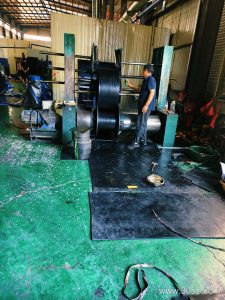
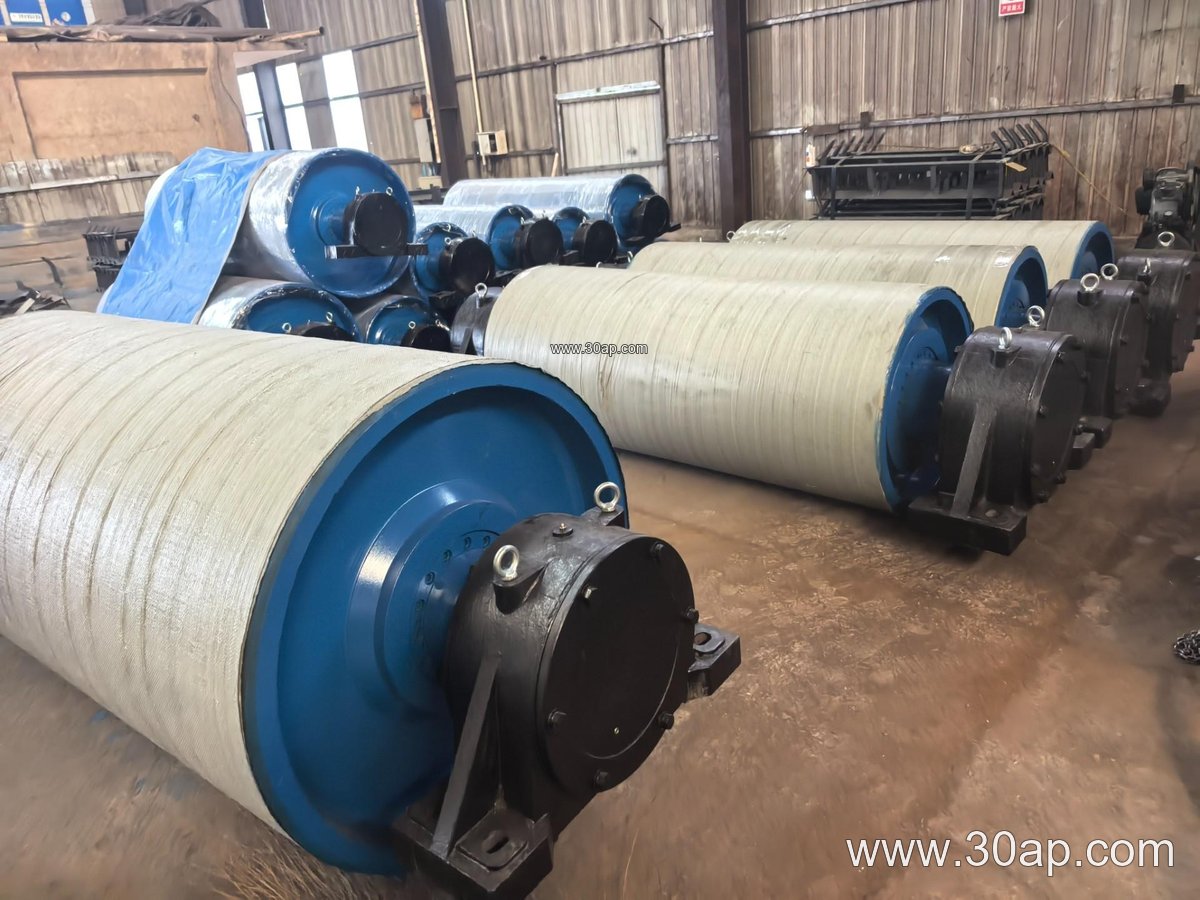
A carbon steel pulley is the rotating drum at the heart of a belt conveyor. It is made from carbon steel, typically rolled and welded into a cylindrical shell, then machined and fitted with shafts, bearings, and end discs. The pulley transmits motion to the conveyor belt and supports the belt along its path. In mining, coal preparation, cement plants, power stations, and aggregate yards, this component keeps material moving reliably. While often called a conveyor pulley, it is distinct from an idler roller, which supports the belt without driving it.
Construction and Surface Options
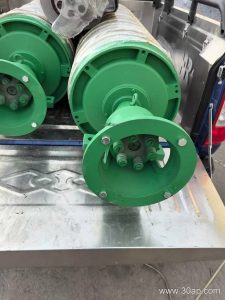
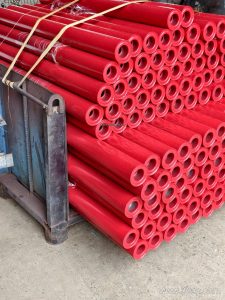
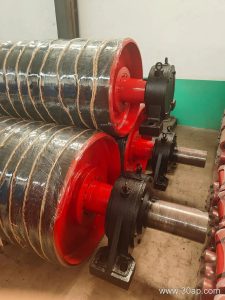
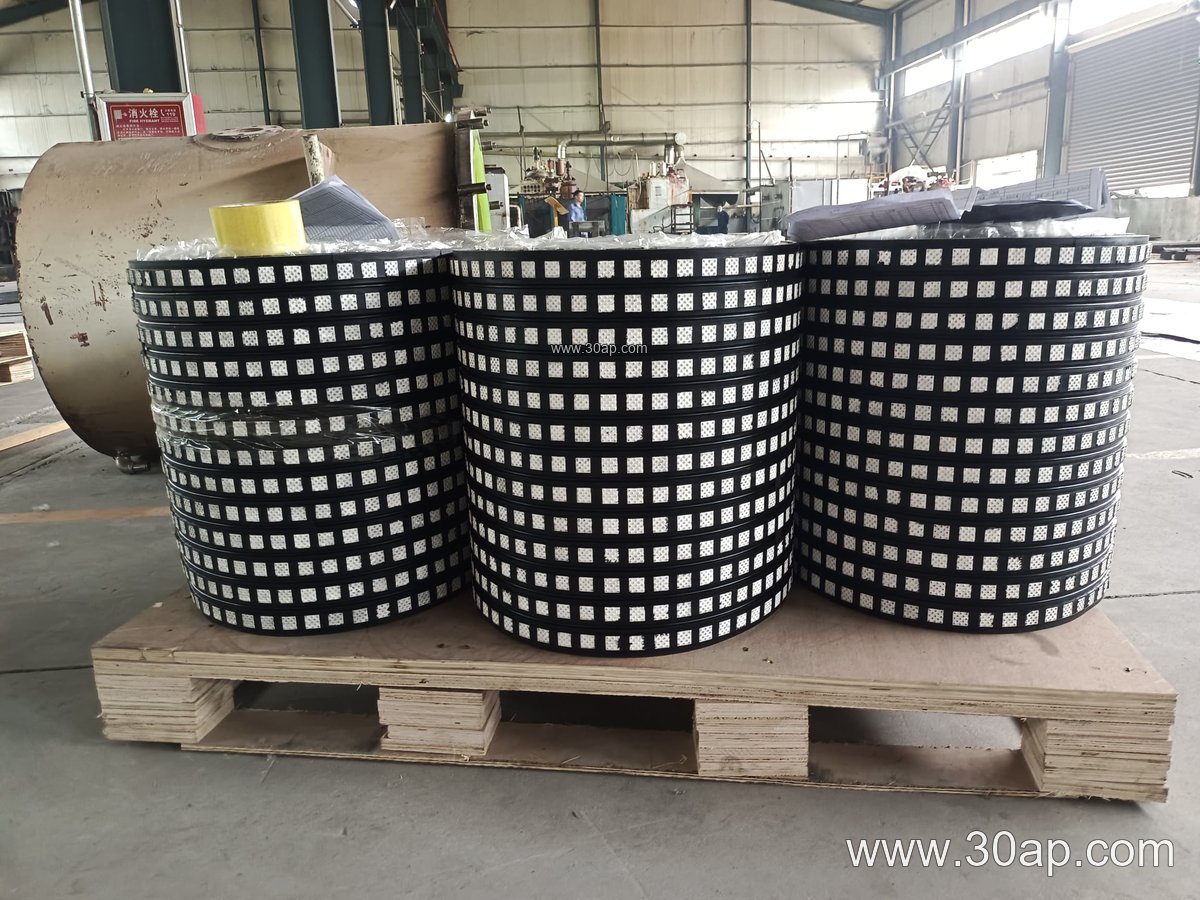
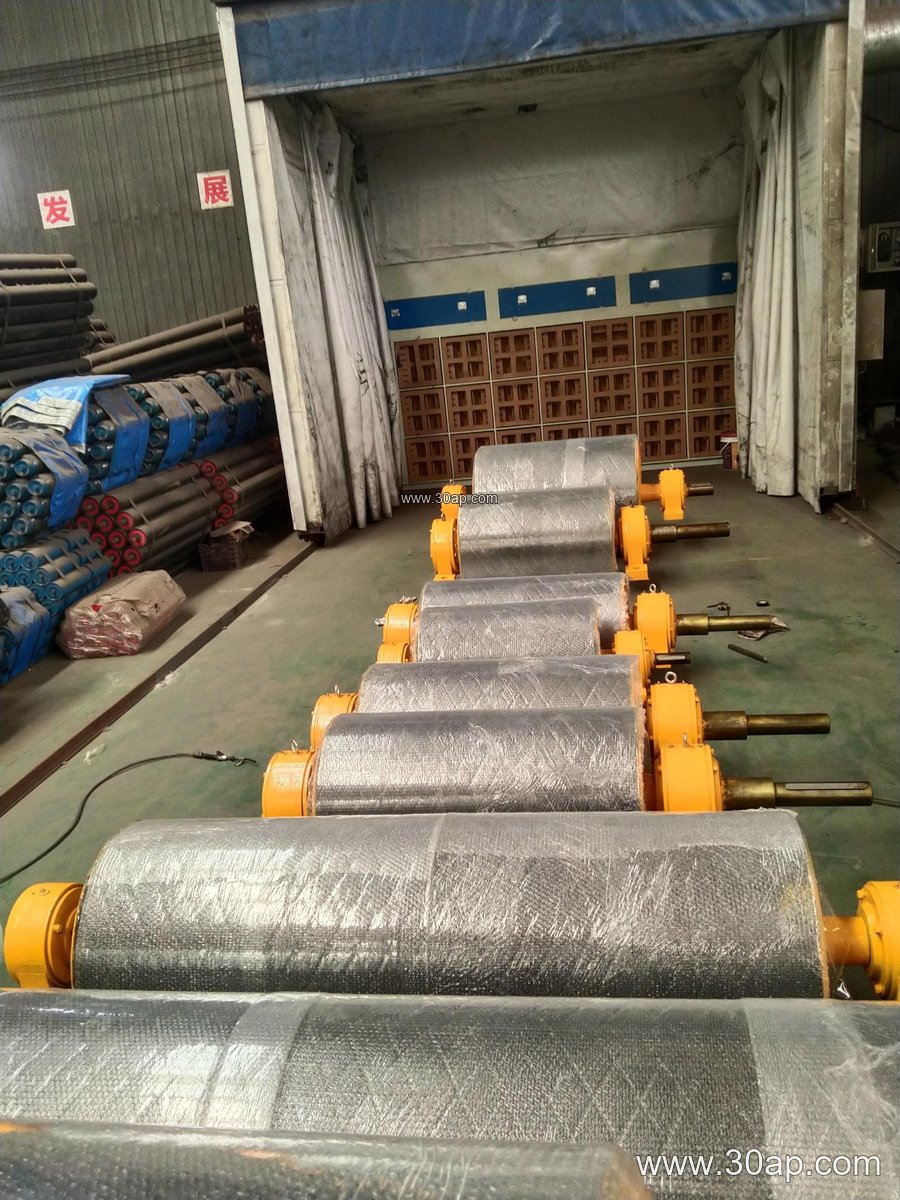
The shell is usually seamless or welded carbon steel, with a thickness chosen for the duty. Shafts are keyed and locked to the end discs. Bearings are housed in bearing blocks that bolt to the conveyor frame. Surface finish matters for grip and wear: plain, rubber lagged (cold bonded or hot vulcanized), diamond grooved, herringbone grooved, or ceramic lagged. Lagging thickness commonly ranges from 8 mm to 20 mm. The right surface depends on whether the pulley is driving, tailing, or bending the belt.
Types and Their Roles
Not all pulleys are interchangeable. A drive pulley (also called head pulley) transmits power and is often lagged for traction. A tail pulley sits at the loading end and may be self-cleaning. A bend pulley changes belt direction without driving. A take-up pulley maintains tension. Each position imposes different loads, so diameter and shaft size are selected by design, not by a single rule. For example, a B1200 conveyor might use a Ø1000 drive pulley and a smaller bend pulley, but the same belt width could work with other diameters depending on torque and space.
Common Sizes and Configurations
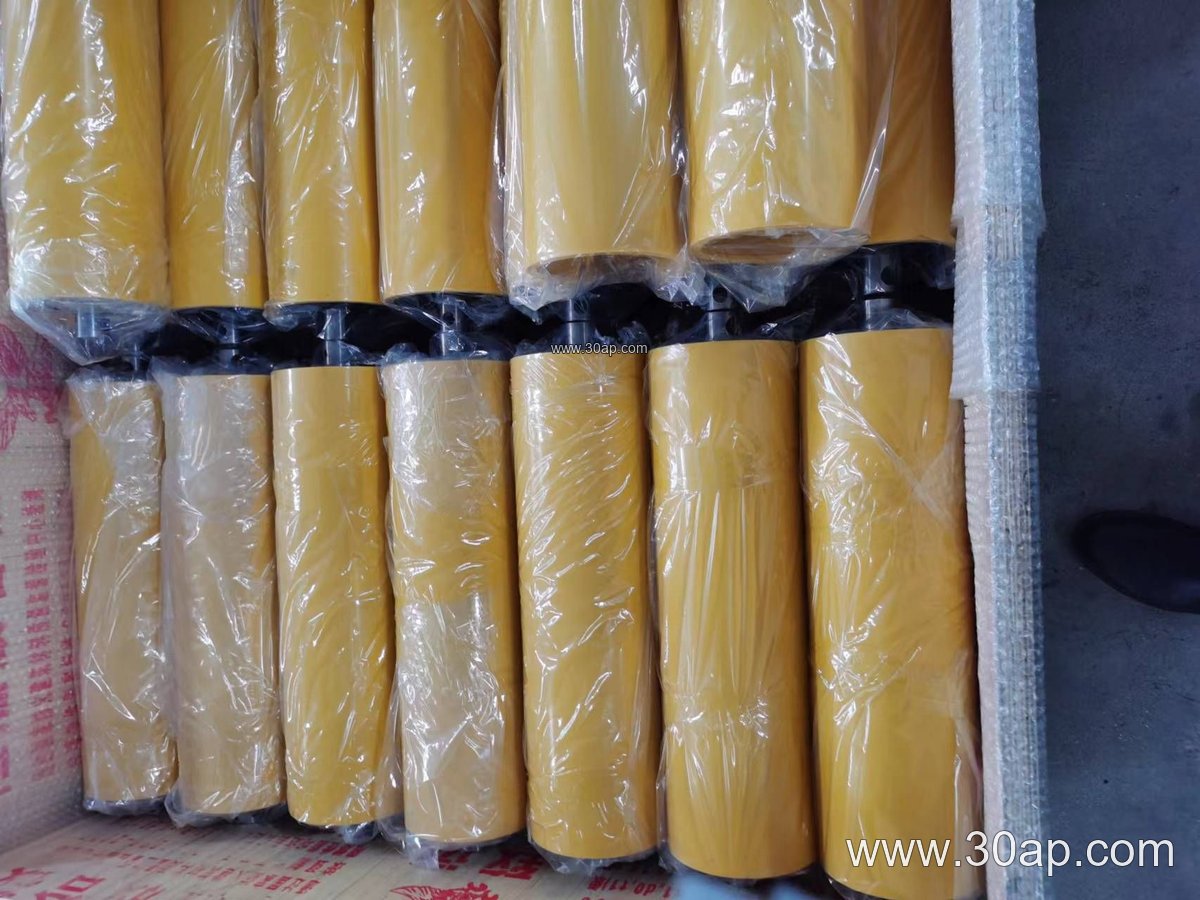
Carbon steel pulleys are built to match belt widths and load requirements. Typical belt widths include B400, B500, B650, B800, B1000, B1200, B1400, B1600, B1800, B2000, B2200, and B2400. Pulley face width is usually slightly larger than the belt width—for instance, B800 often pairs with a face around 950 mm, and B1400 with about 1600 mm. Diameters commonly range from Ø200 to Ø1800 mm. Shaft diameters are determined by torque and bending loads; common values include Ø50 to Ø200 mm. The table below shows example combinations, but these are not fixed pairings.
| Belt Width | Example Pulley Diameter | Typical Face Width | Common Lagging |
|---|---|---|---|
| B500 | Ø250 – Ø400 | 600 mm | Plain or 8 mm rubber |
| B800 | Ø400 – Ø630 | 950 mm | 10 mm diamond groove |
| B1000 | Ø500 – Ø800 | 1150 mm | 12 mm rubber or ceramic |
| B1200 | Ø630 – Ø1000 | 1400 mm | 15 mm rubber lagging |
| B1400 | Ø800 – Ø1250 | 1600 mm | 15–20 mm rubber |
| B1600 | Ø1000 – Ø1400 | 1800 mm | 20 mm rubber or ceramic |
Other types such as wing pulleys or motorized pulleys exist, but they serve specific duties and are not direct substitutes for a standard carbon steel drum.
Where It Fits in the Conveyor
You will find carbon steel pulleys in coal mines, iron ore plants, limestone quarries, cement kilns, and power plant coal handling. They work with rubber conveyor belt and steel cord conveyor belt constructions, depending on tension and impact. In a typical aggregate line, a drive pulley at the head discharges onto a stockpile, while a tail pulley receives material from a crusher. Bend pulleys route the belt around take-up systems. The pulley must match the belt’s tension and the conveyor’s duty—heavy-duty mining conveyors often use larger diameters and thicker lagging than a light-duty sand plant.
Buyer Checklist
Before selecting a carbon steel pulley, confirm the belt width and type, the required shaft torque, and the available space for diameter. Check the lagging material for the environment: oil-resistant, heat-resistant, or flame-retardant covers may be needed. Verify bearing type and sealing for dust and water. Ask for the shaft diameter calculation rather than assuming a value from belt width alone. Consider the pulley’s position—drive, tail, bend, or take-up—because loads differ. Finally, ensure the pulley face width and lagging thickness suit the belt and the conveyor bracket dimensions. A well-matched pulley reduces belt wear and downtime in any bulk handling operation.