What a Trough Idler Bracket Does on a Conveyor
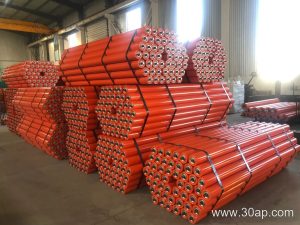
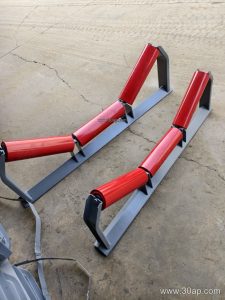
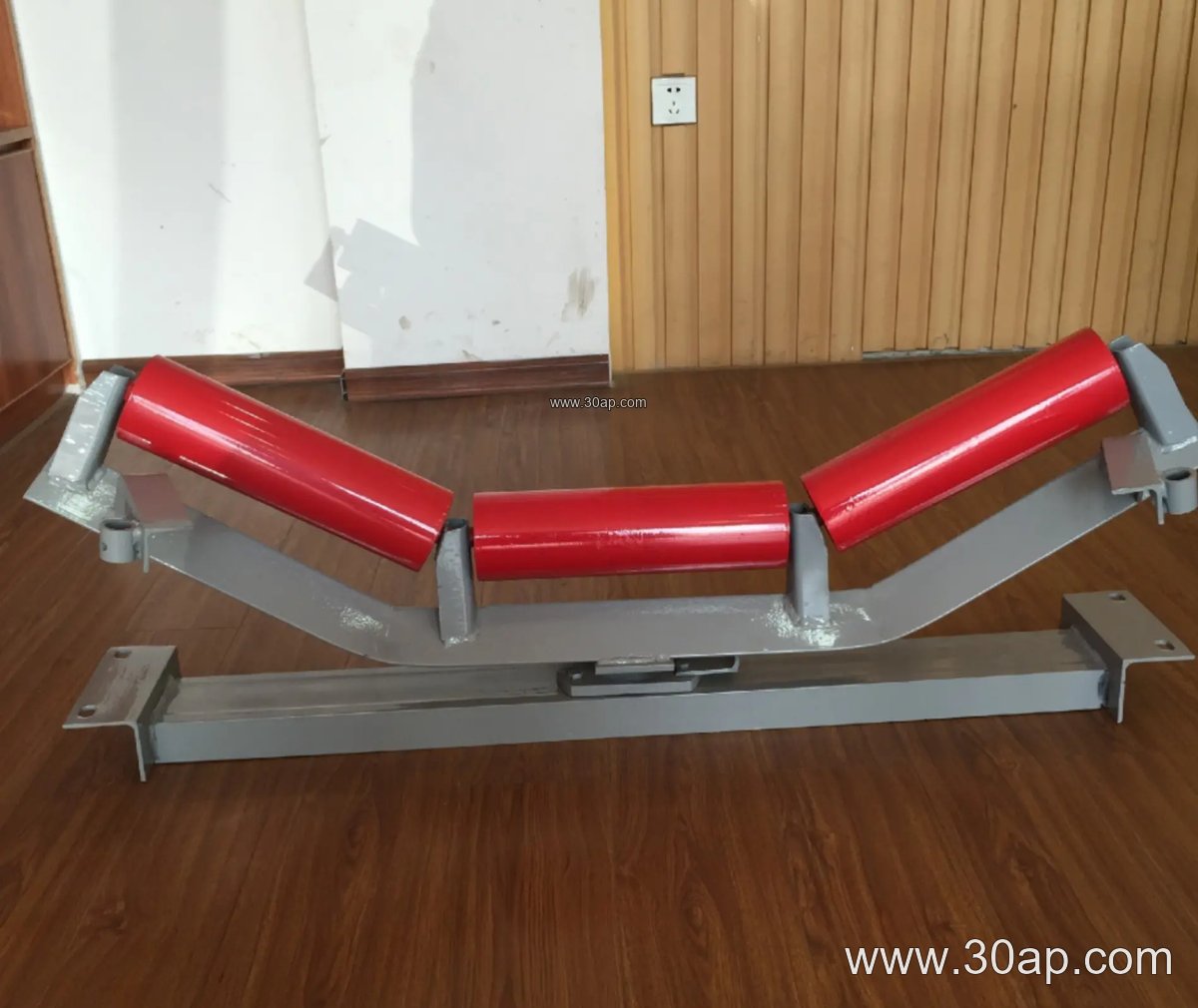
A trough idler bracket is the steel support that holds three idler rollers in a trough shape so the conveyor belt curls upward and keeps bulk material centered. On a stone crushing line or a cement plant transfer point, this bracket is the quiet workhorse between the belt and the frame. It sets the trough angle, carries the load through the rollers, and keeps the belt tracking straight. Without a properly built bracket, even a premium rubber conveyor belt will sag, spill, and wear unevenly.
The same component is often called a troughing idler bracket or troughing roller support. Those names refer to the same product, and they appear side by side in plant maintenance lists.
How the Bracket Is Built
Most trough idler brackets are fabricated from angle steel, channel steel, or bent steel plate. The frame is welded or bolted into a rigid shape with two inclined arms and a flat center section. Each arm carries a mounting slot or hole pattern for the side rollers, while the center position holds the middle roller. A typical bracket includes:
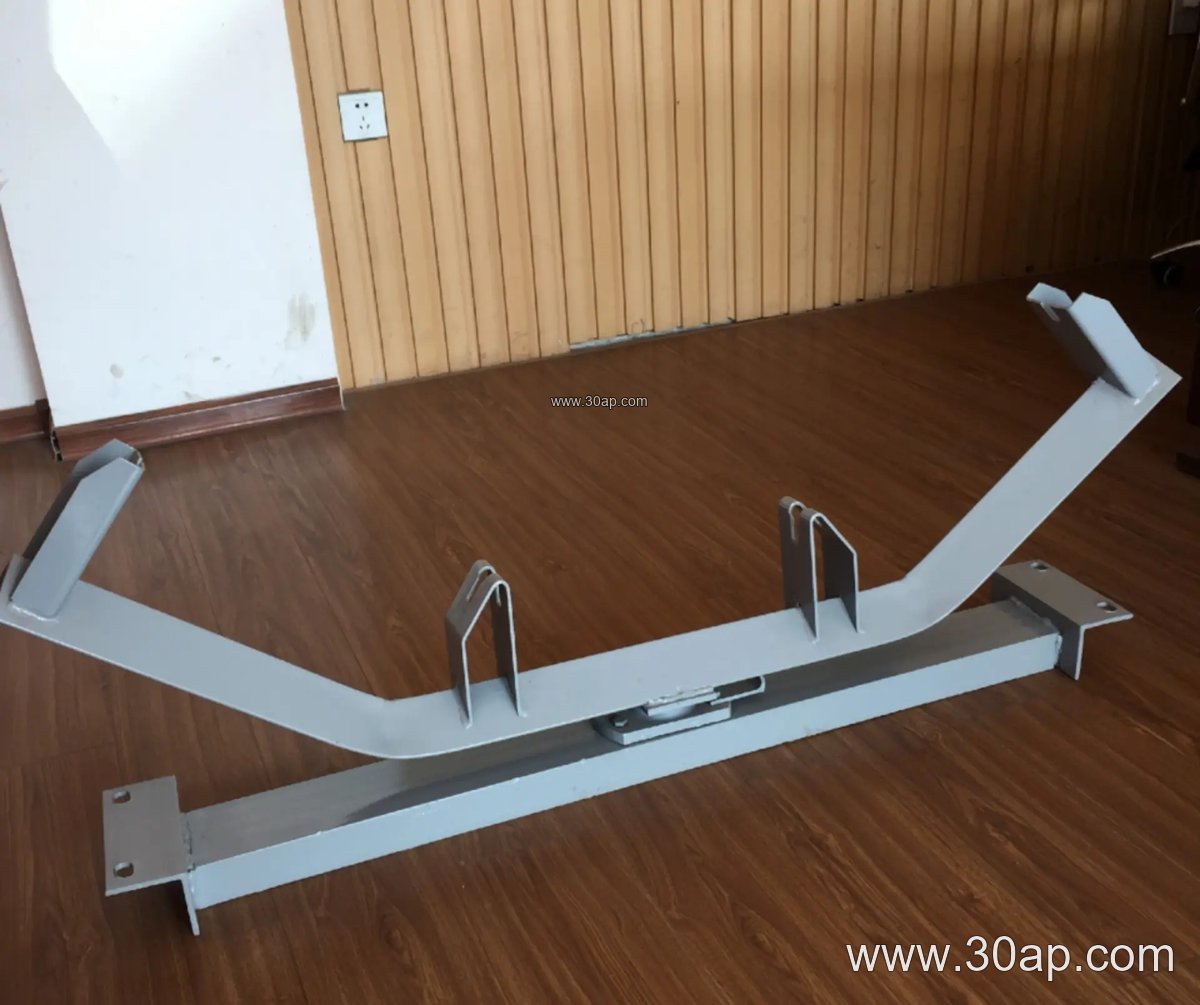
- Two angled roller seats, usually set at 20, 30, 35, or 45 degrees
- A center roller seat aligned with the belt path
- Mounting holes or slots for bolting to the conveyor stringer
- Reinforcing ribs or gussets on heavy-duty versions
- Optional forward tilt of about 1.5 to 2 degrees on training brackets
The finish may be painted, galvanized, or left as bare steel depending on the environment. In a coal mining conveyor or a power plant coal handling system, corrosion protection matters because moisture and fine dust collect around the frame.
Matching Bracket, Belt Width, and Roller Diameter
Belt width and trough angle guide the bracket choice, but they do not lock a single roller size. Common belt widths for trough brackets include B500, B650, B800, B1000, B1200, B1400, B1600, B1800, B2000, B2200, and B2400. Roller diameters usually fall in the range of Ø89, Ø108, Ø133, Ø159, and Ø194. The examples below show typical combinations, not fixed rules:
| Belt Width | Trough Angle | Roller Diameter | Typical Use |
|---|---|---|---|
| B500 | 20 degrees | Ø89 | Small aggregate line |
| B650 | 30 degrees | Ø89 | Sand and gravel plant |
| B800 | 35 degrees | Ø108 | Cement plant transfer |
| B1000 | 35 degrees | Ø133 | Coal handling system |
| B1200 | 45 degrees | Ø133 | Iron ore conveyor |
| B1400 | 35 degrees | Ø159 | Port bulk terminal |
| B1600 | 45 degrees | Ø159 | Heavy ore transport |
| B1800 | 35 degrees | Ø194 | Large mining conveyor |
Installation hole spacing and crossbeam length change with belt width and trough angle, so a bracket drawing should always be checked against the conveyor frame before ordering. A wide belt does not automatically mean a single roller diameter, and a narrow belt does not force one trough angle. Designers balance belt speed, material lump size, and load per meter.
Where Trough Idler Brackets Are Used
These brackets appear wherever a belt conveyor carries loose material. In a limestone quarry, they support the belt through the crushing and screening circuit. In a cement plant, they keep clinker and raw meal moving between silos. A coal-fired power plant uses them on coal feeding lines, while a fertilizer or grain silo operation may choose a lighter bracket with a smooth-running roller.
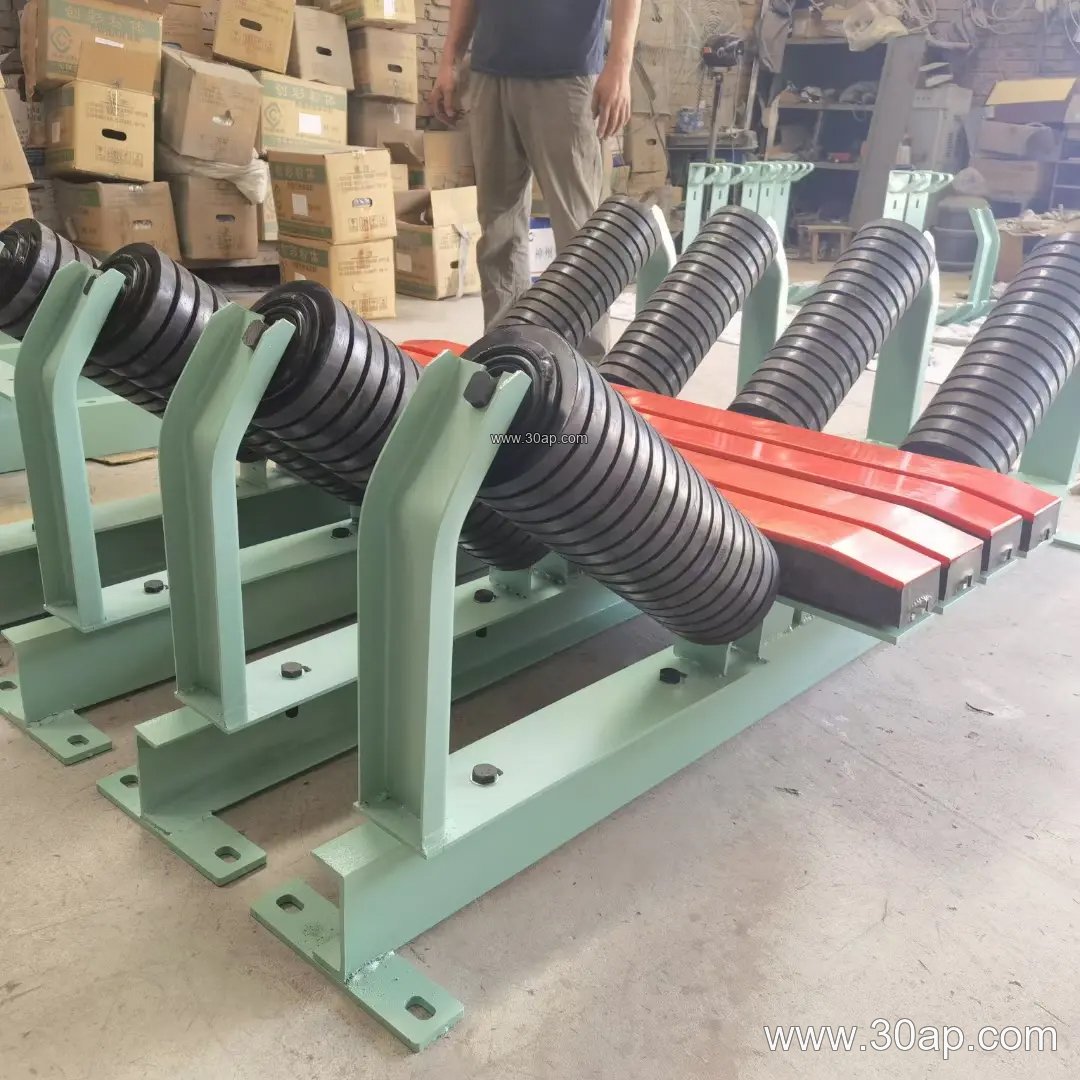
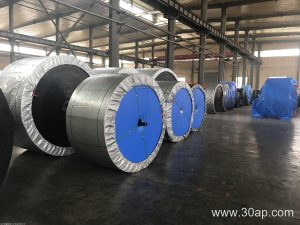
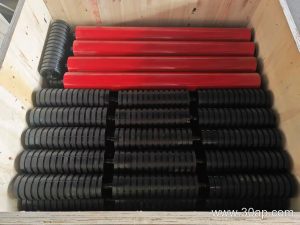
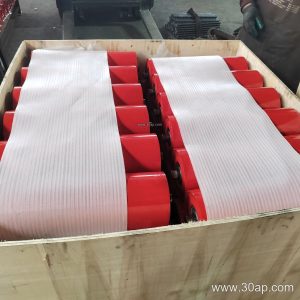
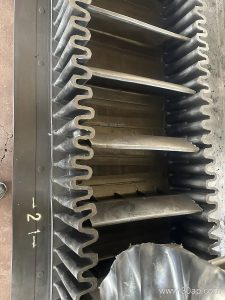
The bracket works together with the idler roller and the belt itself. A well-aligned trough frame reduces belt edge wear and prevents material from bouncing out. On a mining conveyor belt route, a small bracket failure can stop the whole line, so periodic inspection of the arms, bolts, and roller seats is worthwhile. Plants that run an abrasion resistant conveyor belt still depend on the bracket to hold the belt profile steady.
Fixed, Adjustable, and Training Versions
A fixed trough bracket holds one preset angle. An adjustable bracket lets maintenance staff change the trough angle between common settings such as 20, 30, 35, and 45 degrees. Training brackets add a slight forward tilt to help the belt self-center. Impact brackets use a heavier frame and rubber-cushioned roller seats under the loading point. Each type serves a different purpose, and none should be swapped for a drive pulley, tail pulley, or bend pulley, which perform separate functions on the conveyor.
Buyer Checklist
- Confirm belt width and required trough angle before selecting a bracket
- Check roller diameter and mounting hole pattern against the existing frame
- Choose material thickness for the load and environment, not just the belt width
- Ask for drawings showing crossbeam length and hole spacing
- Consider corrosion protection for wet or dusty sites
- Keep spare brackets for critical transfer points
Buying a trough idler bracket is mainly about fit. A bracket that matches the belt width, roller size, and frame geometry will keep the conveyor belt running straight and reduce downtime in any quarry, mine, or processing plant.