What a Conveyor Belt Support Frame Does on a Belt Line
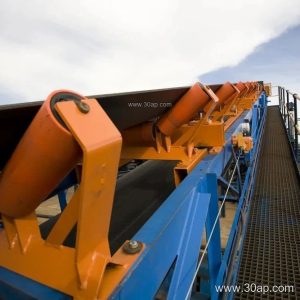
A conveyor belt support frame is the steel structure that holds the idlers in place and keeps the belt at the correct profile under load. It sits between the stringers or between the two sides of a conveyor section, and its geometry decides the trough shape, the belt line, and how easily the rollers can be serviced. In a quarry, a cement plant, or a power plant coal yard, the frame is a small part of the capital cost but a large part of whether the belt tracks cleanly and the idlers last.
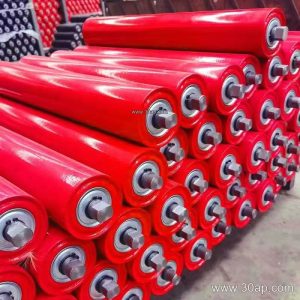
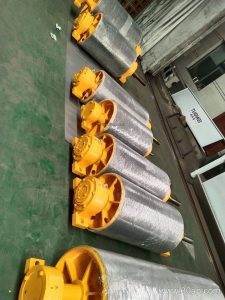
The frame is not a pulley. Drive pulleys, tail pulleys, and bend pulleys are separate components that transmit and redirect belt tension. The support frame carries the conveyor belt and the idler roller that sit on the carrying and return sides.
How the Frame Is Built
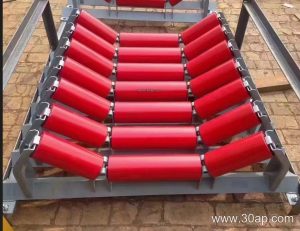
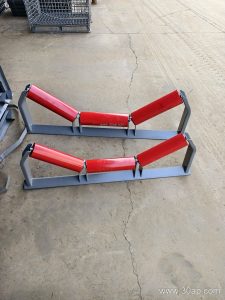
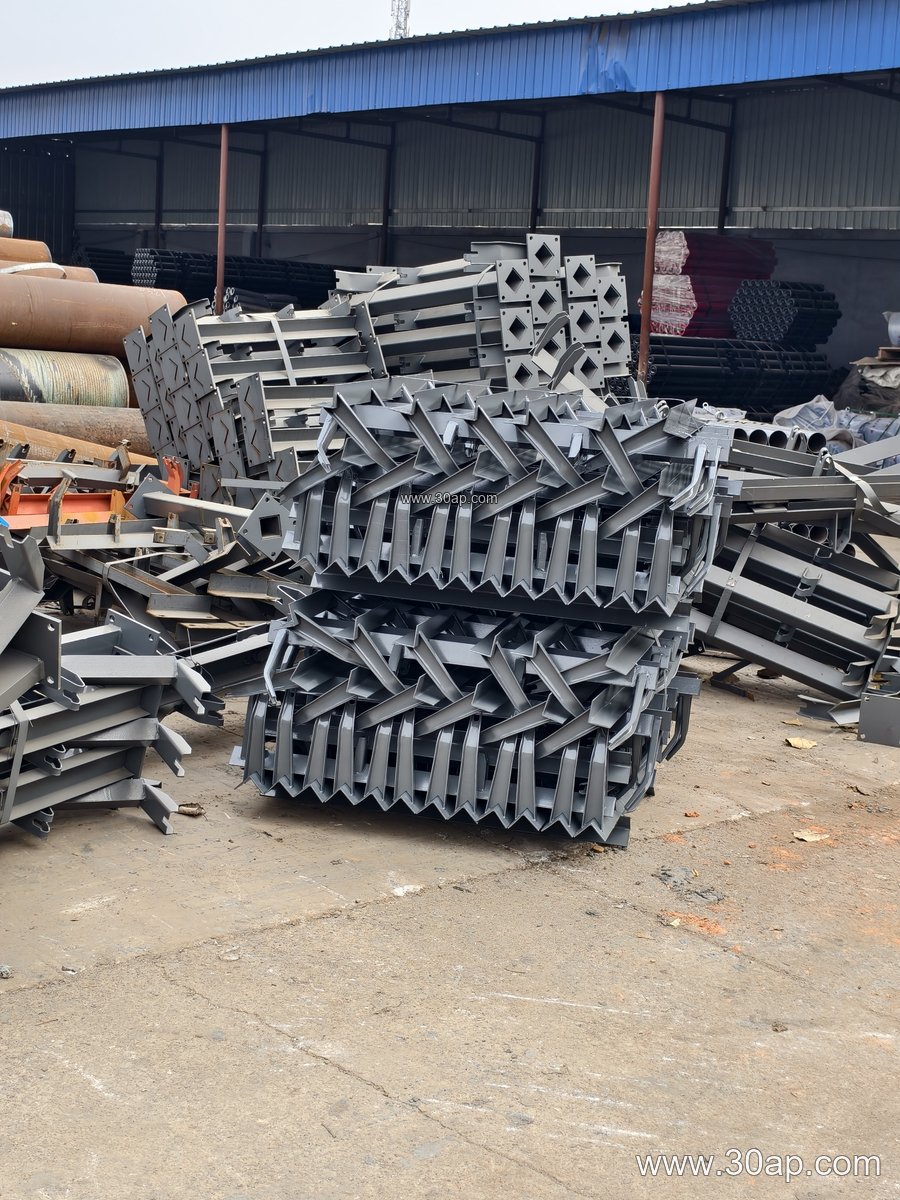
Most frames are fabricated from angle steel, channel steel, or folded steel plate. The cross members are welded or bolted to end brackets, and the end brackets carry the mounting slots for the idler shafts. A conveyor bracket at each end sets the height and the trough angle. On a folding or bolt-together design, the frame can be shipped flat and assembled on site, which helps in underground mining and tunnel work where access is tight.
Typical sub-assemblies include:
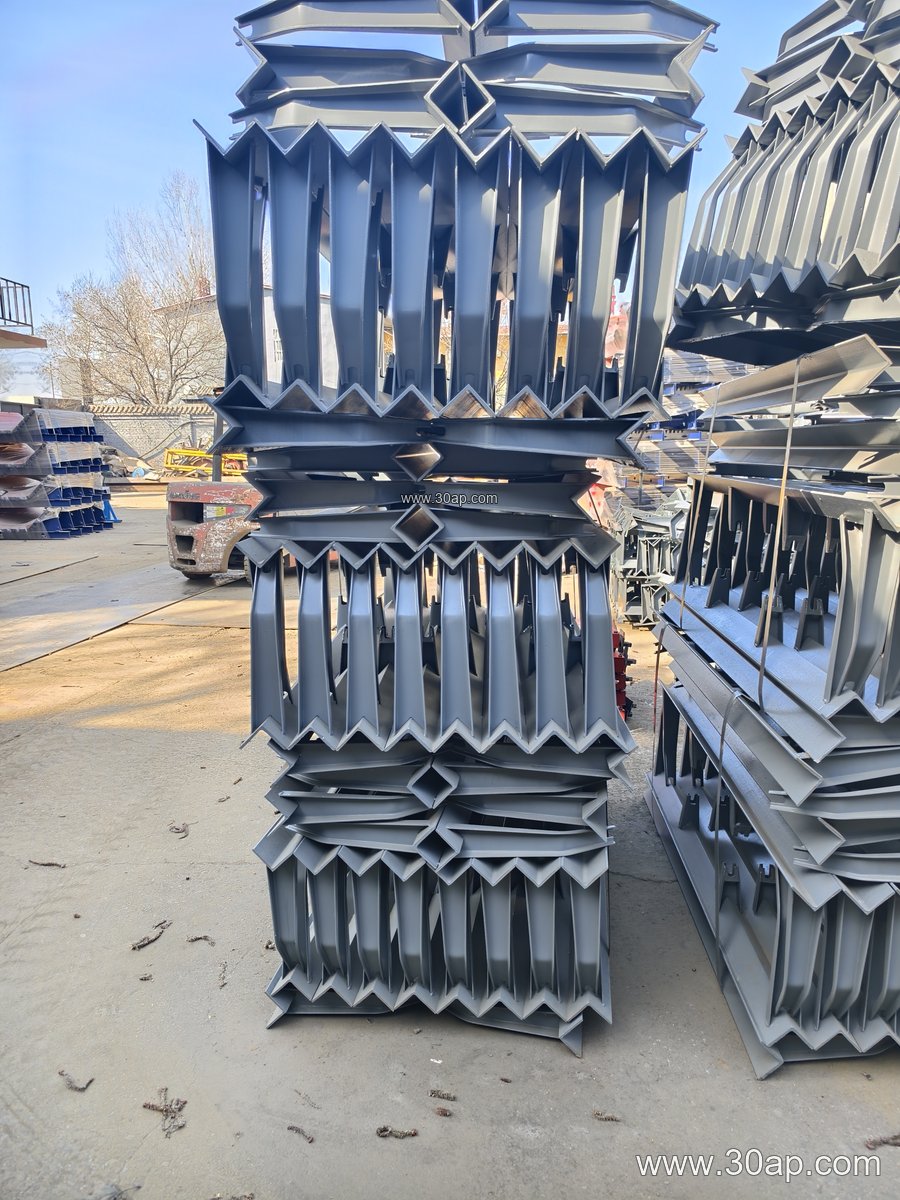
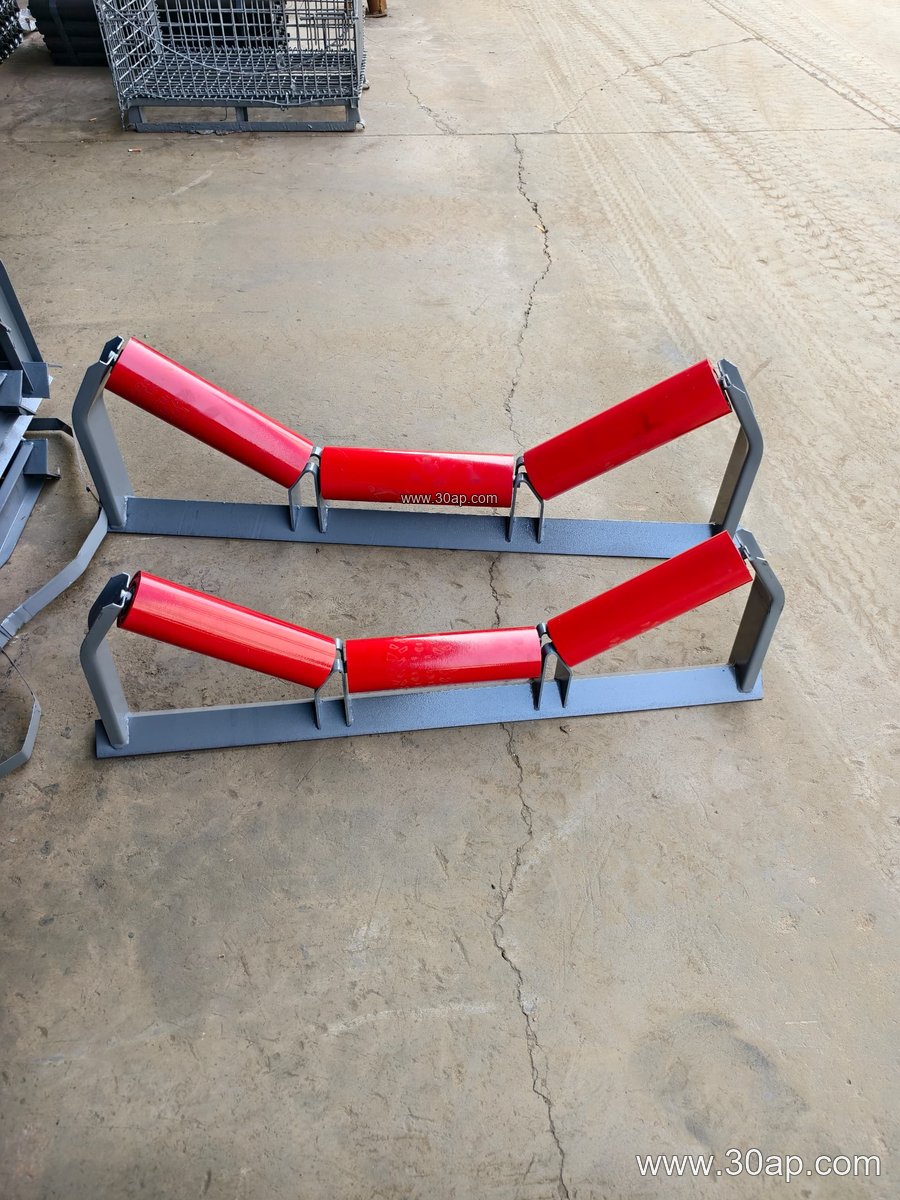
- Top trough frame that supports three-roll or five-roll idler sets
- Return frame that carries the bottom belt on flat or V-return idlers
- Impact frame with cushion rolls under the loading point
- Self-aligning frame that allows the idler set to pivot and correct belt drift
- Transition frame near the head and tail to change the belt from flat to troughed
Surface finish is usually painted or galvanized. On coal mining conveyor lines, the frame may be specified with anti-static and flame retardant considerations for the belt, while the steel frame itself is selected for strength and corrosion resistance.
Matching Frame Geometry to Belt Width and Idler Diameter
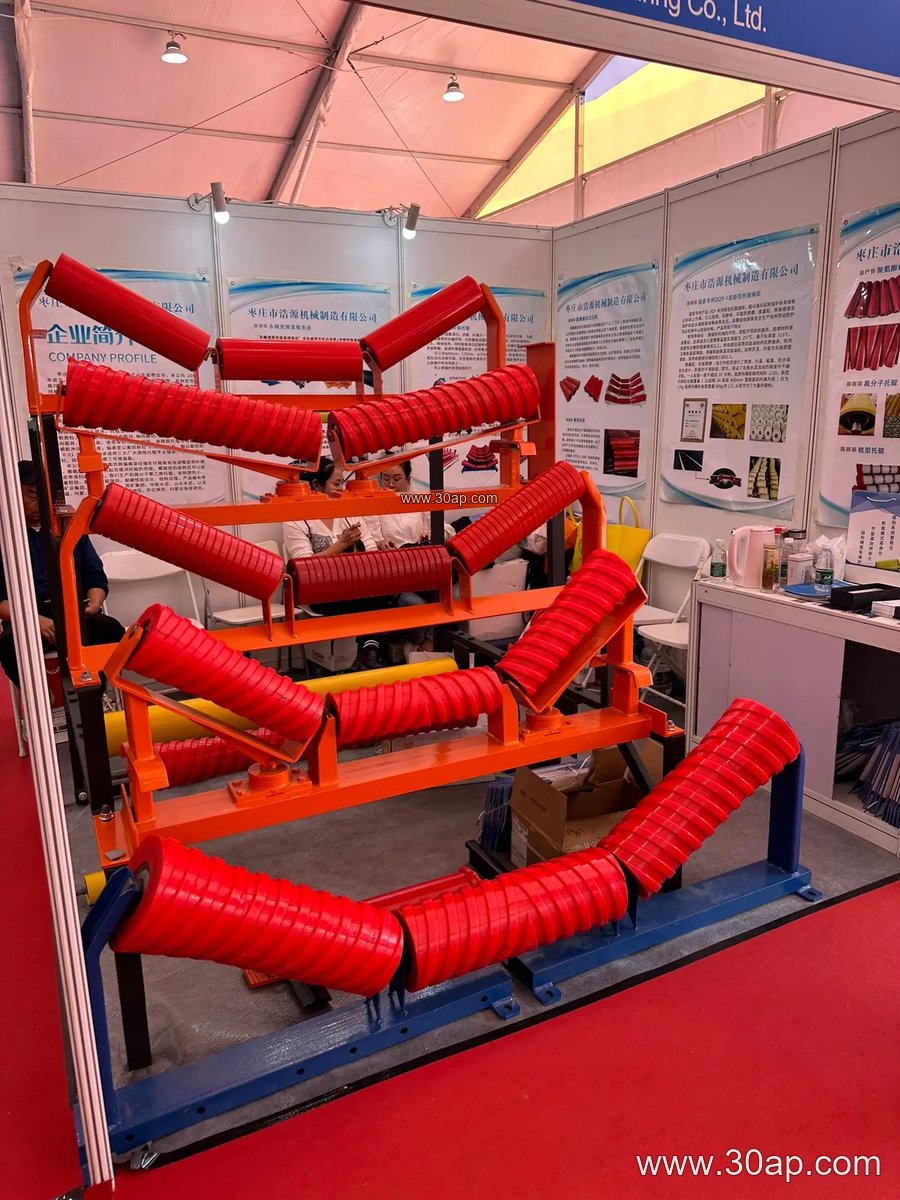
The frame dimensions follow the belt width and the idler diameter. A B800 frame with a 35 degree trough and Ø108 idlers is a common combination for aggregate and sand lines, while a B1200 frame with 45 degree troughing and Ø133 idlers is often seen on heavier bulk material conveyors. These are examples, not fixed rules: the same belt width can be run with different trough angles and roll diameters depending on capacity, material lump size, and belt stiffness.
Common reference values used in frame design are shown below. Treat them as design ranges, not as universal supply specifications.
| Parameter | Common Reference Range |
|---|---|
| Belt width | B500, B650, B800, B1000, B1200, B1400, B1600, B1800, B2000, B2200 |
| Trough angle | 20, 30, 35, 45 degrees; adjustable frames can move between these |
| Idler diameter | Ø89, Ø108, Ø133, Ø159, Ø194 |
| Forward tilt (lead angle) | About 1.5 to 2 degrees on forward-tilt frames |
| Material | Angle steel, channel steel, folded steel plate |
Installation hole spacing and cross beam length change with belt width and trough angle, so the frame should be ordered against the actual conveyor layout rather than a nominal size alone.
Where These Frames Are Used
Support frames appear anywhere a belt carries bulk material. In a limestone quarry or a crushing and screening plant, they sit under the crusher discharge and along the yard conveyors. In a coal washing plant and underground coal mining conveyor, they are built for confined spaces and frequent re-location. In a cement plant, they carry clinker and raw meal lines. In a power plant coal yard, they handle high-tonnage transfer conveyors. Port ship loading systems and iron ore terminals also rely on heavy frames under wide belts.
Related equipment on the same line includes the conveyor pulley at the head and tail, the idler roller along the carry side, and the conveyor bracket that ties the frame to the stringer.
Buyer Checklist
- Confirm belt width, trough angle, and idler diameter as a set, not separately.
- Ask whether the frame is fixed, adjustable, or self-aligning, and where each type is used on the line.
- Check the loading point for impact frames and cushion idlers.
- Review steel section and finish against the site environment, especially in wash plants and coastal ports.
- For underground work, confirm that the frame fits the mine roadway and can be handled by the available lifting equipment.
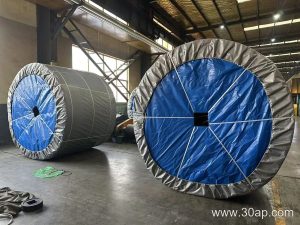
On long overland lines, the frame choice also interacts with belt tension and belt type, whether that is an EP conveyor belt, a steel cord conveyor belt, or a flame retardant conveyor belt for underground service. A frame that is square, correctly spaced, and matched to the idler set will do more for belt life than most upgrades further down the line.