What an Idler Bracket Does on a Conveyor
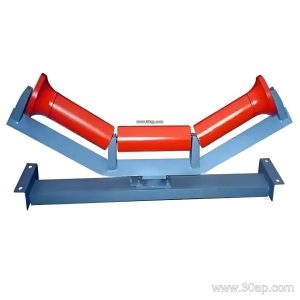
An idler bracket is the structural component that holds conveyor idler rollers in the correct position along the conveyor frame. It is a fabricated steel part, usually made from angle steel, channel steel, or folded steel plate, and it bolts or welds to the conveyor stringer. The bracket carries the load transferred from the belt through the rollers, so its stiffness and mounting accuracy directly affect belt tracking and roller life. In a coal mining conveyor line or a quarry conveyor belt system, a weak or misaligned bracket shows up quickly as belt wander, edge wear, and noisy rollers.
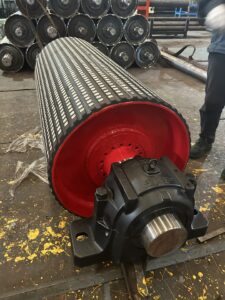
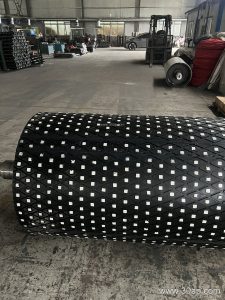
The same product is also called a conveyor idler bracket or idler frame bracket. It should not be confused with a conveyor pulley: drive pulleys, tail pulleys, and bend pulleys are separate rotating components, and they are not interchangeable with each other or with an idler bracket. A conveyor bracket, by contrast, is the stationary support that locates troughing, return, and transition idlers.
How the Bracket Is Built
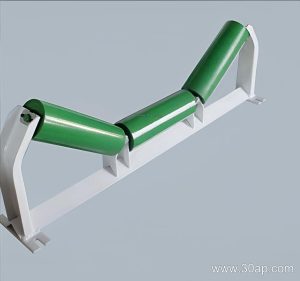
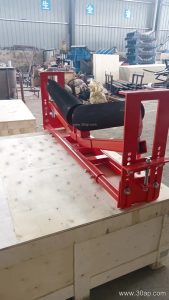
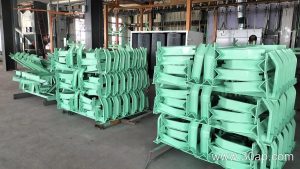
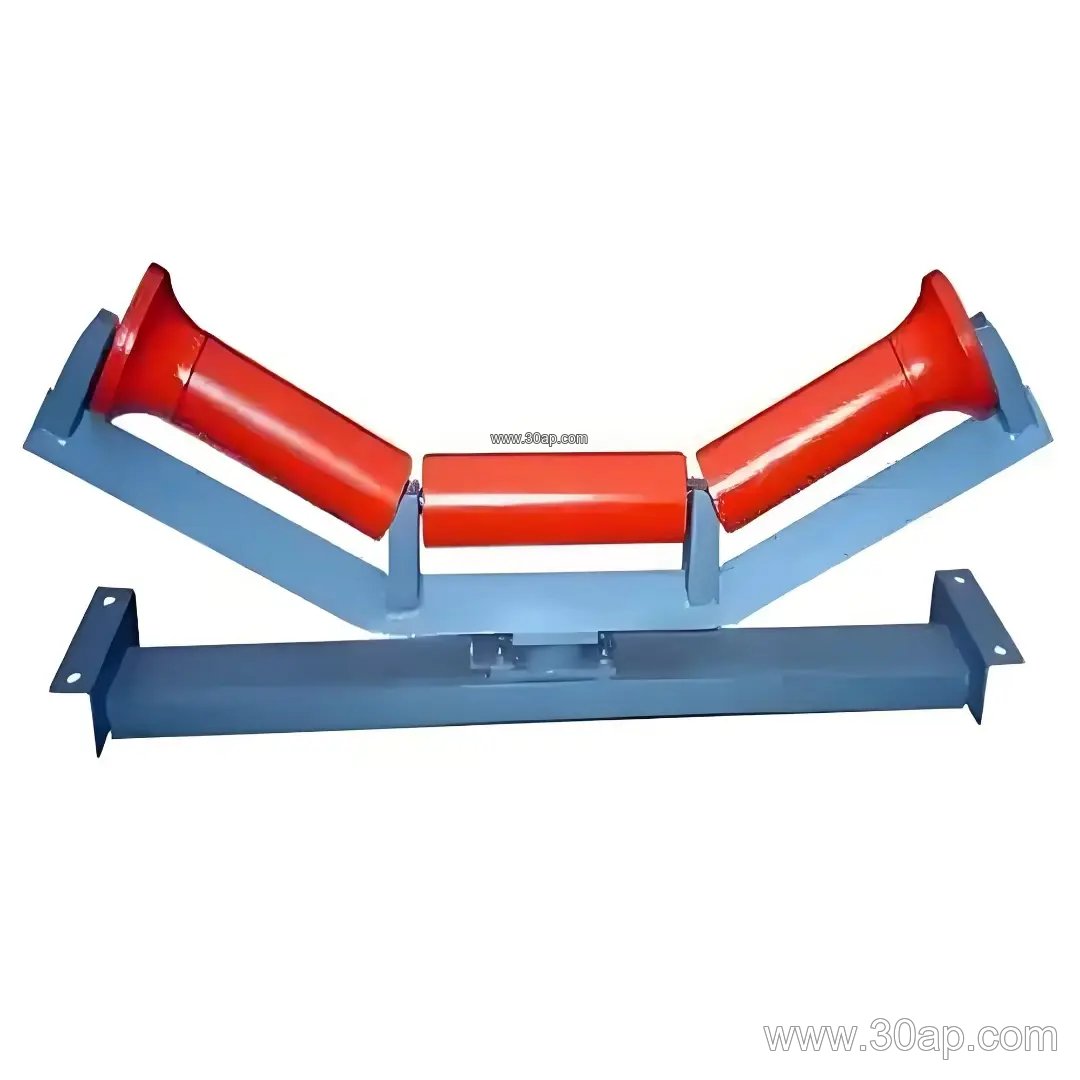
Most brackets are welded assemblies. The base plate or cross beam carries the mounting holes, while angled arms set the trough angle of the side rollers. Common materials are angle steel and channel steel for general service, with folded plate used where a lighter or more compact profile is needed. Surface treatment is normally painting or galvanizing, depending on the environment; a wash plant or port terminal with high humidity usually calls for better corrosion protection than a dry cement plant gallery.
Key construction details a buyer should check include weld quality, hole spacing, and the squareness of the roller seats. Hole spacing and cross beam length are not universal numbers: they change with belt width, trough angle, and roller diameter, so they must be confirmed against the conveyor drawing rather than assumed.
Common Bracket Types
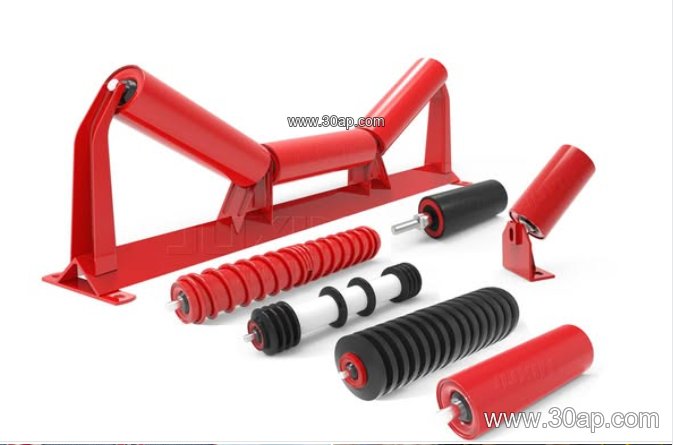
Bracket design follows the idler position it serves. The main families include:
- Troughing bracket and upper trough bracket for carrying idlers
- Transition bracket at the approach to pulleys
- Return bracket and lower flat bracket for the return strand
- V-return bracket for training the return belt
- Impact bracket under loading points
- Self-aligning bracket and forward-leaning bracket for belt training
- Spiral roller bracket, suspended bracket, and adjustable bracket
Troughing and return brackets are not interchangeable, and neither is an impact bracket a substitute for a standard carrying bracket. Each has a specific job in the conveyor line.
Matching Belt Width, Trough Angle, and Roller Diameter
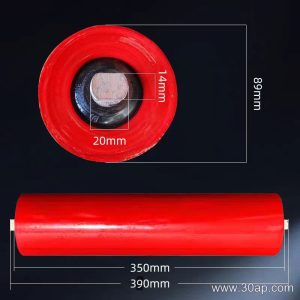
Reference values for bracket selection usually follow the belt width, the required trough angle, and the idler diameter. Typical belt widths run from B500 to B2200, trough angles are commonly 20, 30, 35, or 45 degrees, and roller diameters are often Ø89, Ø108, Ø133, Ø159, or Ø194. Adjustable brackets allow the trough angle to be set between these values on site, which helps when a conveyor is upgraded or when belt training needs fine tuning.
| Belt Width | Typical Trough Angle | Typical Roller Diameter |
|---|---|---|
| B500 | 20° – 30° | Ø89 |
| B650 | 30° – 35° | Ø89 – Ø108 |
| B800 | 30° – 35° | Ø108 |
| B1000 | 35° | Ø108 – Ø133 |
| B1200 | 35° – 45° | Ø133 |
| B1400 | 35° – 45° | Ø133 – Ø159 |
| B1600 | 35° – 45° | Ø159 |
| B1800 | 35° – 45° | Ø159 – Ø194 |
| B2000 – B2200 | 35° – 45° | Ø159 – Ø194 |
These are reference combinations, not fixed rules. A given belt width can work with more than one trough angle or roller diameter. The bracket, roller, and belt should be selected together against the actual load, belt speed, and material.
Where Idler Brackets Are Used
Brackets appear anywhere a conveyor carries bulk material. In a limestone quarry or a stone crushing line, troughing brackets support the carrying idlers on the primary and secondary belts, while impact brackets sit under the crusher discharge. In a coal mining conveyor or a power plant coal handling system, flame retardant and anti-static belt grades are common, and the brackets must keep rollers aligned so the belt does not rub the frame. In a cement plant, heat resistant and abrasion resistant belts handle clinker and raw meal, and the bracket spacing is often tightened near transfer points.
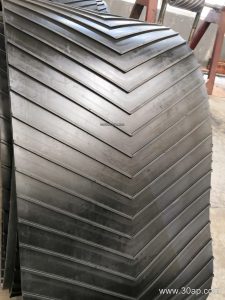
Abrasion resistant conveyor belt, EP conveyor belt, and steel cord conveyor belt all rely on the same principle: stable idler brackets keep the belt supported and centered, which reduces edge damage and extends belt life.
Selection and Maintenance Notes
When specifying brackets, confirm belt width, trough angle, roller diameter, mounting hole pattern, and the position in the conveyor (carrying, return, transition, or impact). For self-aligning and forward-leaning brackets, the training angle is usually about 1.5 to 2 degrees, and this should be checked against the idler manufacturer’s recommendation.
During service, inspect for loose bolts, bent arms, worn roller seats, and corrosion. A bracket that has shifted will usually cause the belt to run off center, and correcting the bracket is often faster than adjusting the pulleys. Keeping spare brackets for the most heavily loaded positions, such as the impact zone and the transition to the tail pulley, reduces downtime in continuous operations.