What a Conveyor Idler Does on the Line
A conveyor idler is the rotating support that carries the conveyor belt and the material load along the length of a conveyor. Often called an idler roller, it is the most repeated component on a bulk handling system, and its condition directly affects belt tracking, energy draw and downtime. In a quarry, a cement plant or a coal handling system, the conveyor idler is not a passive part; it is a wear item that must be matched to the belt, the load and the environment.
Construction and Common Variations
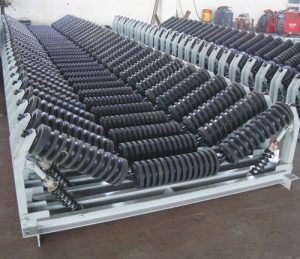
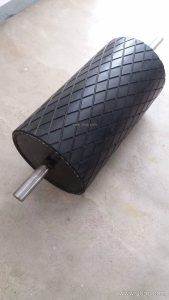
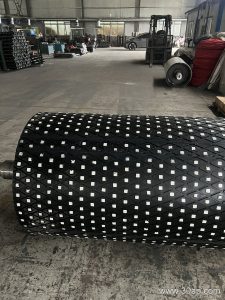
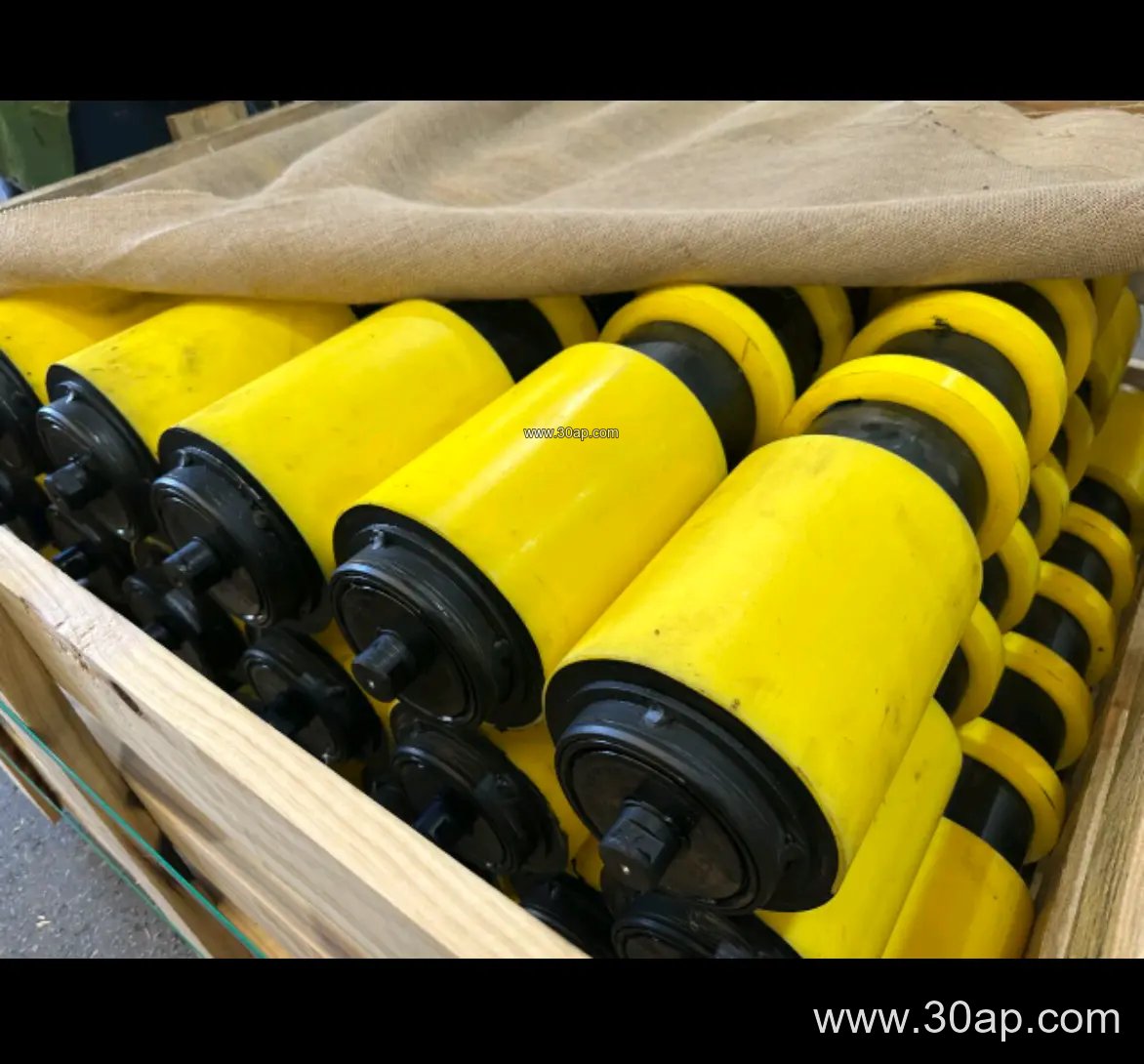
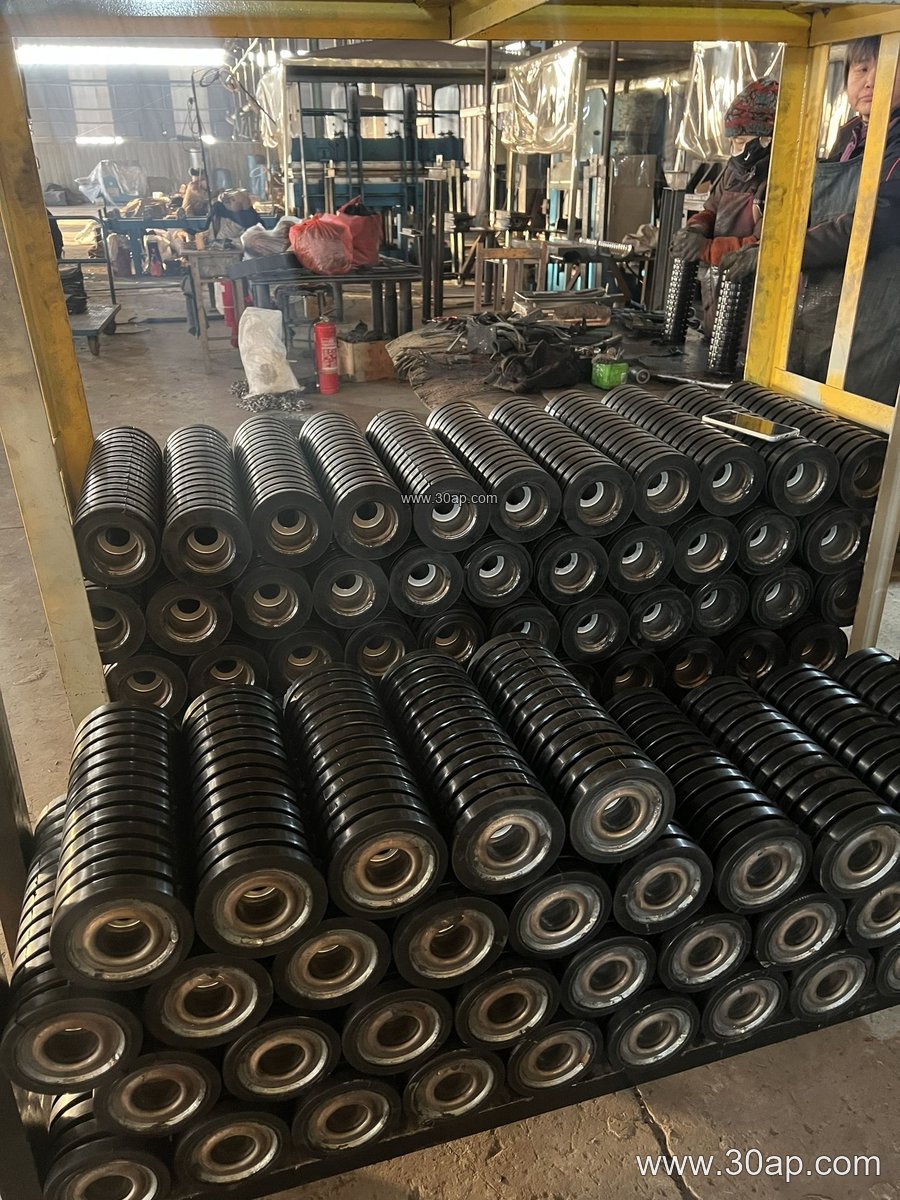
Most conveyor idlers share a simple build: a steel tube shell, bearing housings at each end, a shaft, and a sealing arrangement to keep dust and water out. Roller surfaces may be plain steel, nylon, ceramic or rubber-disc covered. The choice depends on whether the goal is long wear life, material build-up resistance or impact absorption.
Typical Roller Diameters
Common diameters include Ø63, Ø76, Ø89, Ø102, Ø108, Ø127, Ø133, Ø159, Ø178, Ø194 and Ø219 mm. Smaller diameters suit lighter belts and lower loads, while larger diameters are often used where belt speed, lump size or maintenance access favors more rotating mass.
Idler Sets and Belt Widths
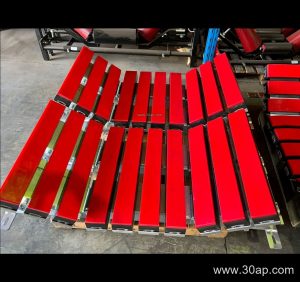
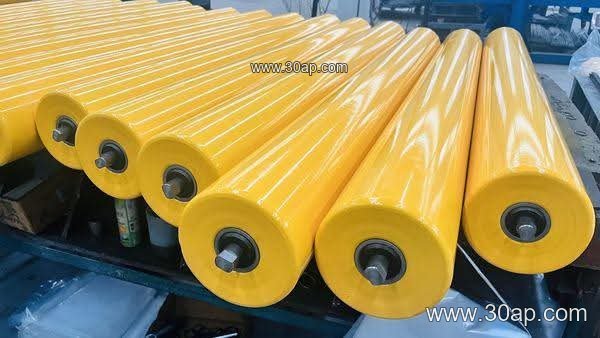
Idlers are usually grouped into sets. A single-roll set is common for return-side support, while two- and three-roll troughing sets carry the loaded belt. Belt widths range from B400 up to B2400, and the idler set is selected around the belt width, trough angle and load. The table below shows common reference values, not fixed rules.
| Belt Width | Common Roller Length (three-roll troughing, approximate) |
|---|---|
| B500 | 200 mm |
| B650 | 250 mm |
| B800 | 315 mm |
| B1000 | 380 mm |
| B1200 | 465 mm |
| B1400 | 530 mm |
| B1600 | 600 mm |
| B1800 | 670 mm |
| B2000 | 750 mm |
Side rollers and center rollers can differ in length, and the final shaft and bearing selection is made by the conveyor designer. A 6205 bearing, for example, is not tied to one roller diameter; it is one of several common bearing sizes including 6204, 6305, 6306, 6308 and 6310.
Trough Angles and Material Behavior
The trough angle shapes the belt into a curve that keeps bulk material centered. Common angles are 20, 30, 35 and 45 degrees. A steeper angle can increase capacity for fine, free-flowing material, but it also raises the load on the side rollers. For sticky or large-lump material, a shallower trough may reduce spillage and belt stress. Forward tilt of about 1.5 to 2 degrees is sometimes used on troughing idlers to help training, but it is a design choice rather than a default.
Where Conveyor Idlers Are Used
You will find conveyor idlers in limestone quarries, iron ore and copper ore handling, coal washing plants, cement plants and power station coal yards. In a sand and aggregate line, troughing idlers carry the belt after crushing and screening; in a port or ship loading system, return idlers support the empty belt on its way back. The same component appears in fertilizer plants and grain terminals, where dust and moisture control the sealing specification.
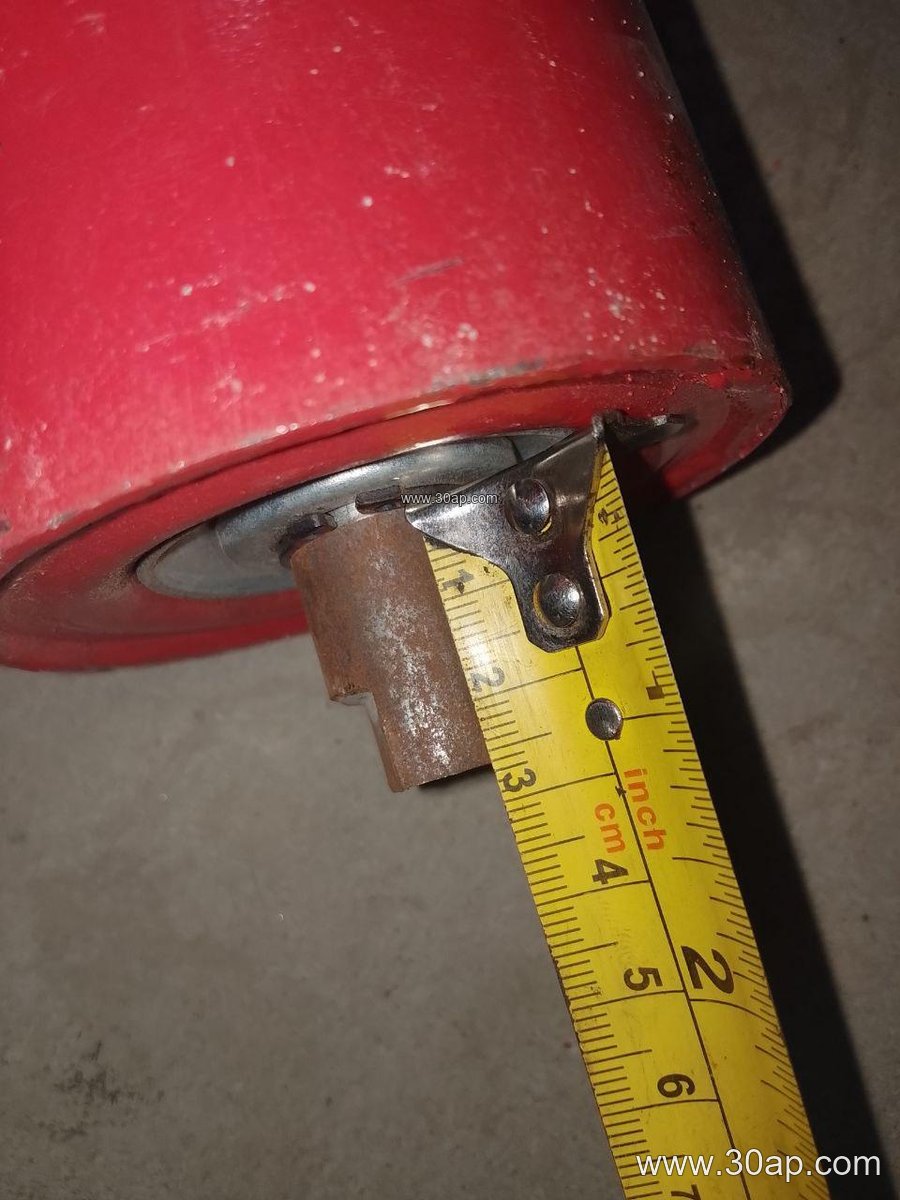
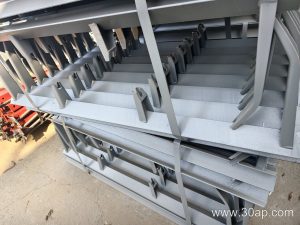
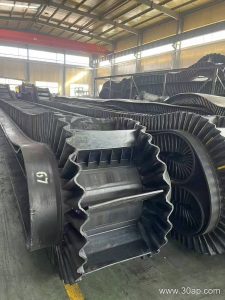
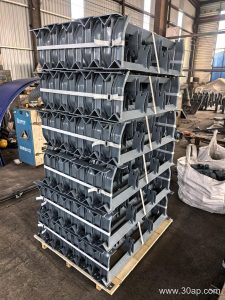
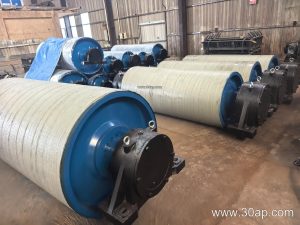
Related equipment includes the conveyor belt itself, the conveyor pulley at drive and tail positions, and the conveyor bracket that fixes each idler set to the frame. A wear-resistant belt such as an abrasion resistant conveyor belt or a heavy-duty mining conveyor belt may call for heavier idler frames, but the idler remains a separate selection.
Buyer Checklist
- Confirm belt width and trough angle before choosing a set.
- Match roller diameter to load, belt speed and available space.
- Choose the roller surface for the environment: rubber-disc for impact, ceramic or nylon where build-up is a concern.
- Check sealing and bearing type for dust, water or wash-down.
- Ask for dimensional drawings rather than assuming a shaft size from belt width alone.
For a quick reference on compatible belts and conveyor components, see rubber conveyor belt and conveyor idler resources. A well-chosen conveyor idler keeps the belt running true and reduces the small stoppages that add up in a busy plant.