What a PVC Mining Conveyor Belt Is
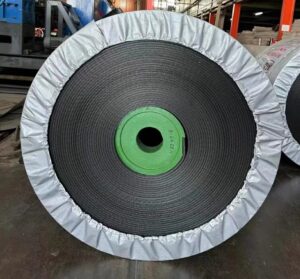
A PVC Mining Conveyor Belt is a solid-woven, PVC-impregnated conveyor belt built for moving bulk materials in mines, quarries, cement plants, coal preparation facilities, power stations, and sand and aggregate yards. Instead of rubber covers over fabric plies, the carcass is a tightly woven fabric fully impregnated and coated with polyvinyl chloride. The result is a belt that resists moisture, resists flame propagation in many formulations, and keeps a stable running length under load. In the trade, the same product is often called a PVC solid woven conveyor belt or simply a PVC belt for mining service.
It is a distinct product from rubber-covered fabric belts. Where a buyer needs higher tensile strength or longer center distances, an EP conveyor belt or a steel cord construction is usually considered, but those are different products and do not replace the PVC solid woven belt in its own working range.
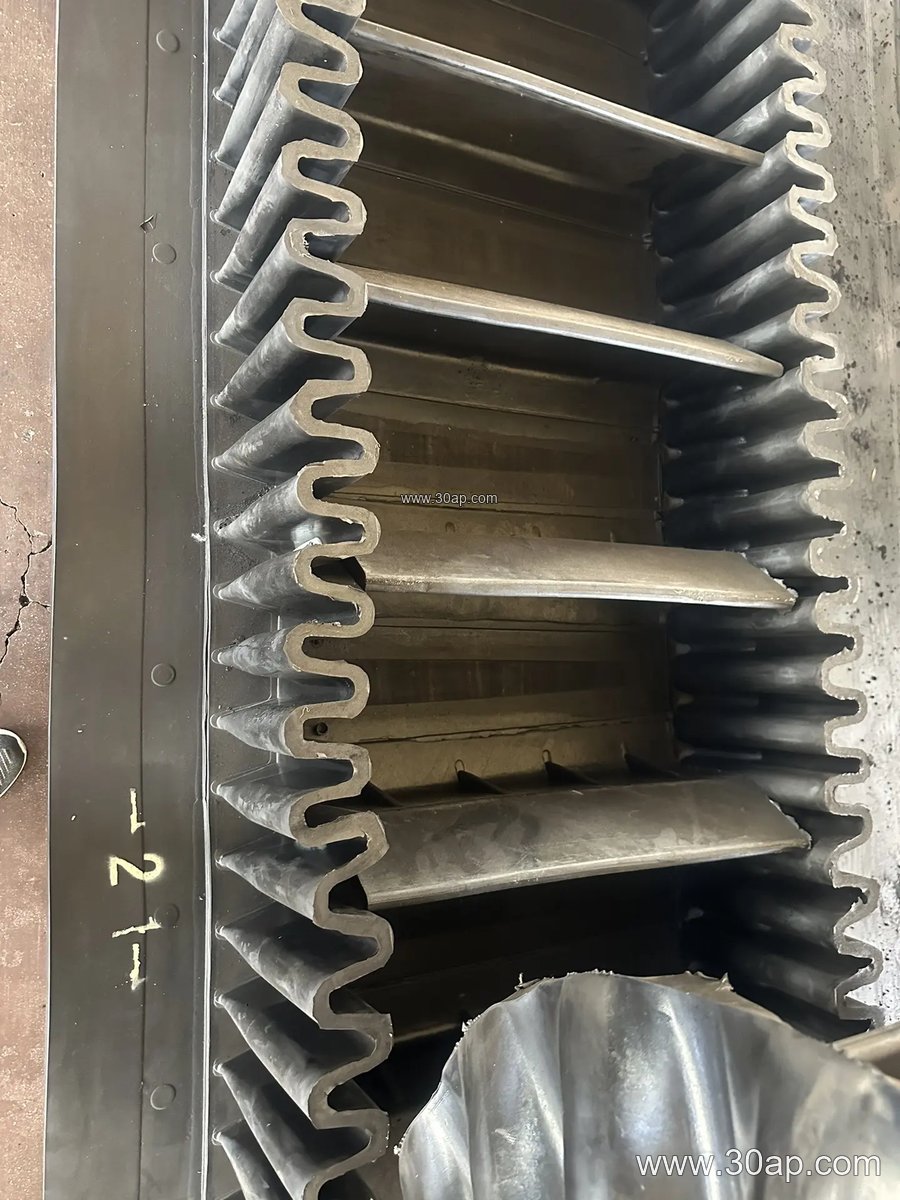
How the Belt Is Built
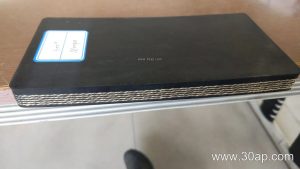
The construction starts with a woven fabric core, typically several plies interwoven rather than merely laminated. The fabric passes through a PVC paste or plastisol, then through controlled heating and calendering so the compound fills the weave and forms integral covers. This gives a belt with good transverse rigidity, low stretch, and edges that resist fraying.
- Carcass: solid woven fabric, usually 2 to 6 effective plies depending on strength class.
- Impregnant and covers: PVC compound, with cover thickness selected for abrasion and impact duty.
- Surface options: plain, chevron or patterned top cover for inclined haulage, and sidewall or skirted edges where material containment matters.
- Ends: often spliced endless on site by vulcanizing or mechanical fastening, according to the belt design and pulley arrangement.
Because the covers are part of the impregnated body, a PVC Mining Conveyor Belt generally has thinner overall sections than a multi-ply rubber belt of similar duty. That can reduce the load on idler rollers and conveyor pulleys, but it also means impact energy must be managed with proper loading chutes and impact idlers.
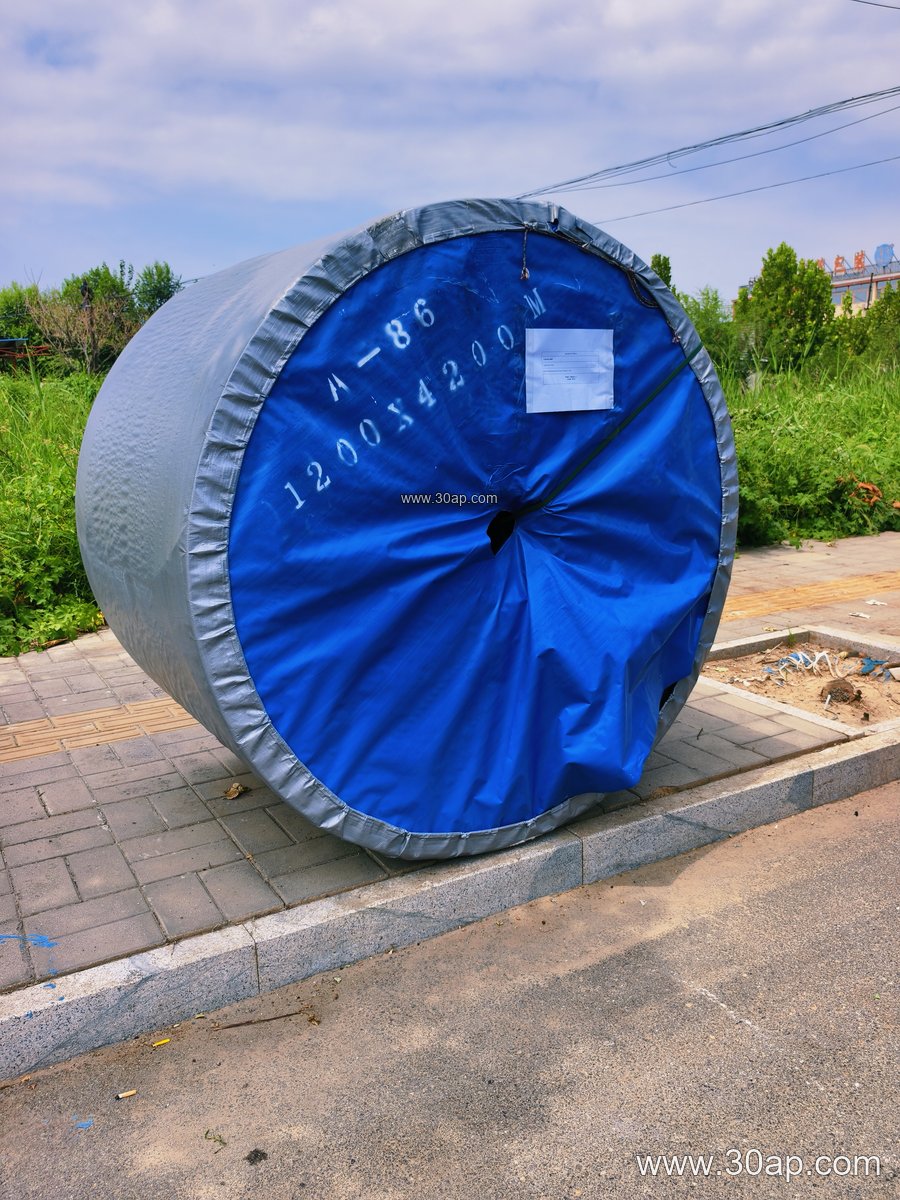
Typical Specifications and Reference Data
Suppliers publish strength classes, widths, and cover thicknesses; the values below are common reference ranges, not universal guarantees. Final selection should follow the conveyor design and the material being carried.
| Parameter | Common reference values |
|---|---|
| Strength class | PVC 680S, 800S, 1000S, 1250S, 1400S (solid woven grades) |
| Belt width | B500, B650, B800, B1000, B1200, B1400, B1600, B1800 |
| Cover thickness | 1.5+1.5 mm, 2+2 mm, 3+2 mm, 4+2 mm |
| Top surface | Plain, chevron, patterned, or with corrugated sidewall |
| Flame performance | Flame retardant and anti-static formulations for underground coal service |
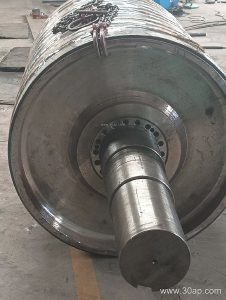
Width and pulley diameter are matched by conveyor design, not by a fixed rule. A 1000 mm belt may run on different drive, tail, and bend pulleys in different installations, so the pulley schedule should come from the conveyor engineer. The drive pulley, tail pulley, and bend pulley each perform a different function and should not be treated as interchangeable.
Where It Fits in the Plant
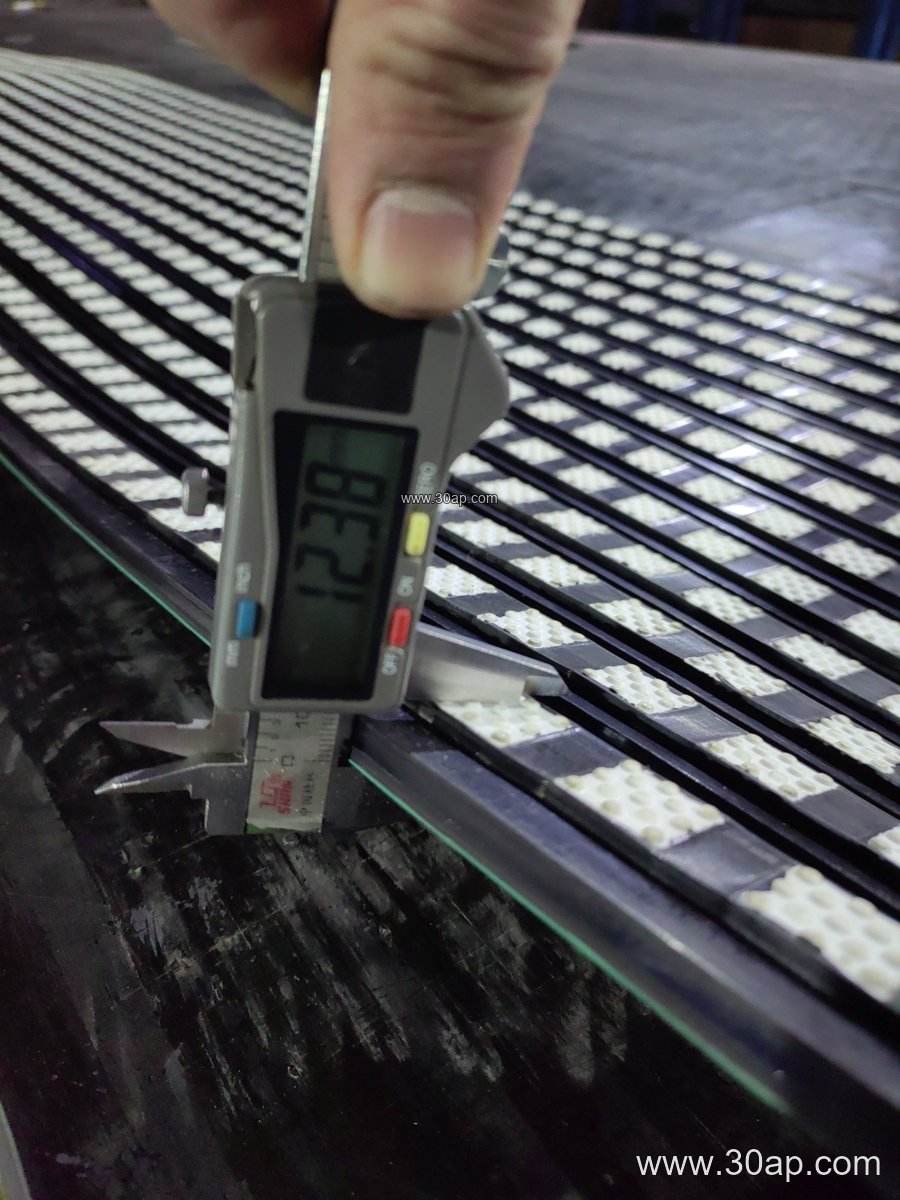
The belt is common in underground coal mining and in surface operations where fire safety and moisture resistance matter. It handles coal, ore, limestone, clinker, sand, gravel, and crushed rock on main haulage and transfer conveyors. In a cement plant it may feed the raw mill or carry clinker; in a power plant it moves coal from stockpile to bunker; in a quarry it links the crusher to the screening tower.
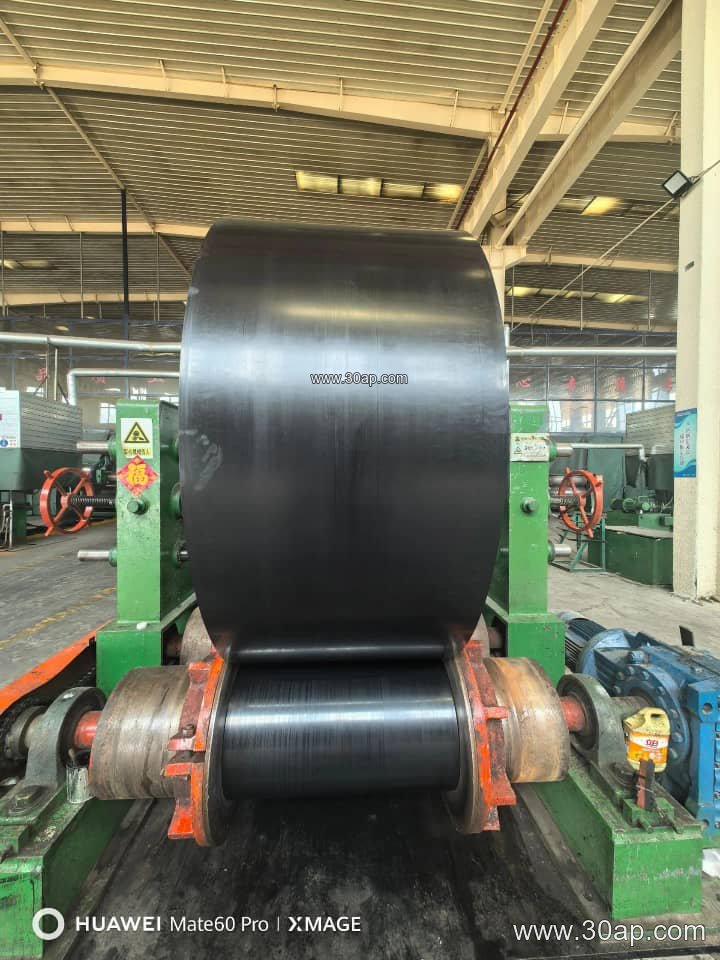
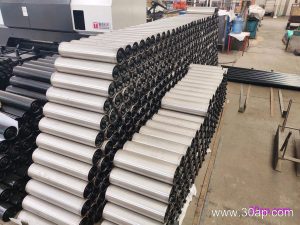
Related equipment works as a system. Idler rollers support the belt and set the trough shape, conveyor pulleys transmit drive and redirect the path, and conveyor brackets hold the frames and idlers in alignment. A well-aligned structure protects the belt edges and extends service life as much as the belt compound does.
Buyer Checklist
- Confirm the material, lump size, moisture, and temperature range before choosing a grade.
- State the required tensile strength, belt width, and cover thickness in the inquiry.
- Ask for flame retardant and anti-static properties explicitly if the conveyor runs underground or in a coal handling area.
- Check whether the belt will be spliced endless on site and what splicing method the supplier recommends.
- Review pulley diameters, trough angles, and transition distances with the conveyor designer.
For abrasive, high-impact, or hot duties, compare the PVC option against an abrasion resistant conveyor belt or a heat resistant conveyor belt before finalizing. For long overland routes with high tension, a steel cord conveyor belt may be the better fit. Each of these is a separate product with its own selection logic.
Installation and Maintenance Notes
Keep the belt tracking straight from the first run. Misalignment concentrates wear on one edge and can damage the fabric. Clean the return side and check that material does not build up on the tail pulley or on idler rollers. Inspect splices regularly, since most failures begin at a joint. Store spare rolls indoors, away from sharp edges and direct sunlight, and handle them with a proper lifting sling rather than a forklift tine.
With correct design and routine inspection, a PVC Mining Conveyor Belt supports reliable haulage in demanding mining, coal, cement, power, and aggregate environments.