What Is a Cold Resistant Conveyor Belt
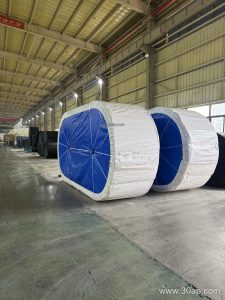
A cold resistant conveyor belt is a rubber conveyor belt engineered to stay flexible and resist cracking when it operates in low ambient temperatures. In mines, coal preparation plants, cement works, power stations, and sand and gravel yards where winter temperatures drop well below freezing, standard belts can stiffen and develop surface cracks. The cold resistant variant uses a rubber compound that keeps its elasticity, so the belt can wrap pulleys, run over idler rollers, and survive start-stop cycles without brittle failure.
This article treats cold resistant conveyor belt as the main product. Other constructions such as EP conveyor belt, steel cord conveyor belt, or heat resistant conveyor belt may appear only for comparison where it helps explain a selection point.
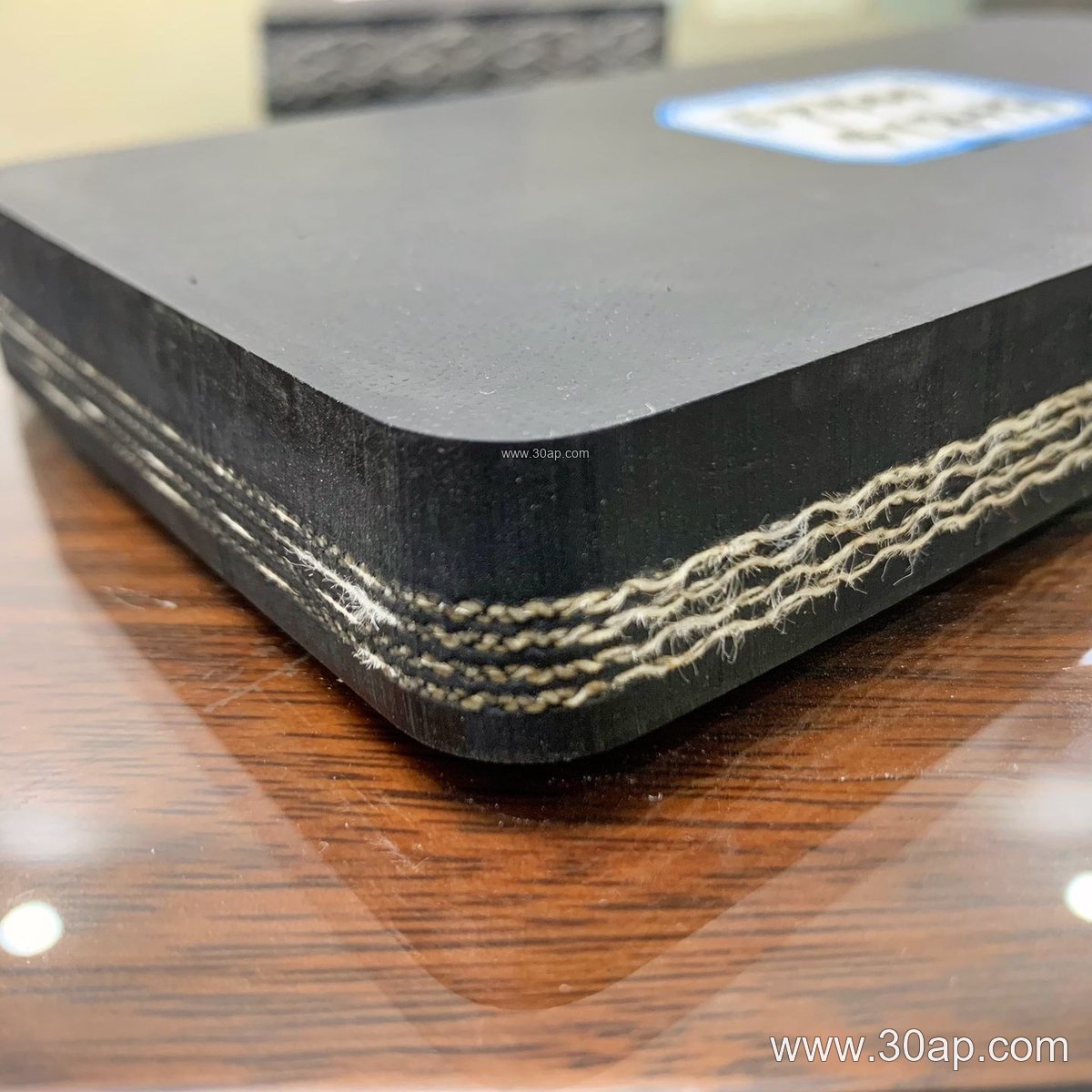
Construction and Compound Design
The belt is built around a fabric or steel cord carcass, protected by top and bottom cover rubber. For cold climates the cover compound is usually based on natural rubber blended with polymers that resist low-temperature hardening. The carcass itself must also remain flexible; multi-ply fabric cores and steel cord cores are both used depending on the duty. A typical build includes:
- Cover rubber formulated for low temperature flexibility, with common cover thickness combinations such as 4+2 mm or 6+2 mm for heavy duty work.
- Fabric core with 2 to 6 plies, or a steel cord core for very high tension applications.
- Edge protection to reduce chipping when the belt is cold and less forgiving.
Because the compound is the key, buyers should ask for the low-temperature brittleness point rather than only the standard tensile grade. A belt marked EP200 with a cold resistant cover behaves very differently from a standard EP200 belt at minus 30 degrees Celsius.
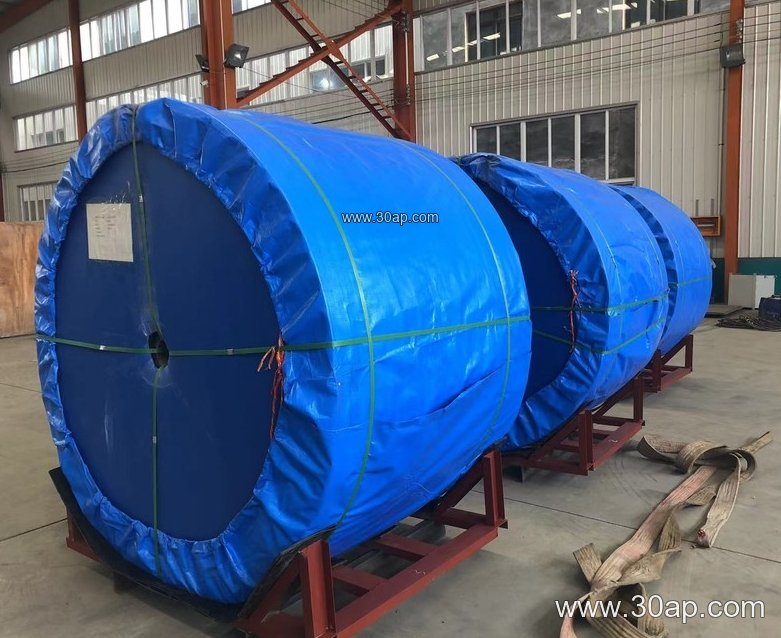
Where It Is Used
Cold resistant belts appear in open pit mines, coal handling systems, cement plants, power plant coal yards, and quarry operations in cold regions. They are also found in port and ship loading conveyors that work through winter, and in sand and gravel plants where wet material can freeze onto the belt surface.
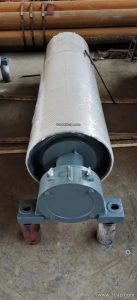
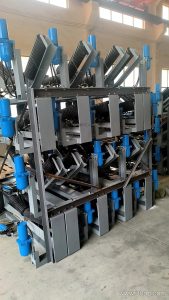
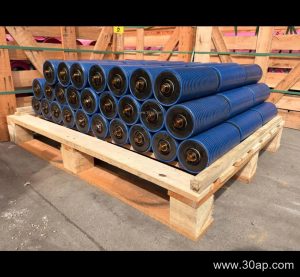
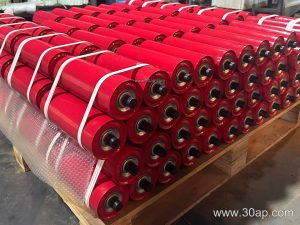
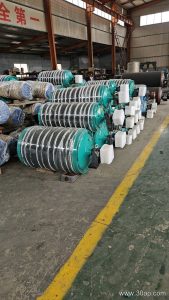
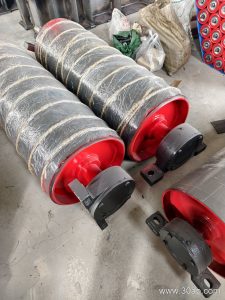
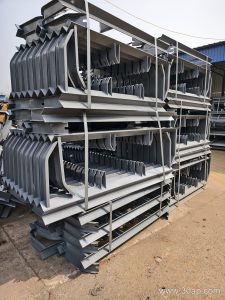
On the conveyor structure, the belt runs over idler rollers on the carrying side and return side, wraps the drive pulley and tail pulley, and is supported by conveyor brackets and frames. In freezing conditions, frozen lumps and ice build-up on idler rollers can damage any belt, so cold resistance should be paired with good housekeeping and scraper maintenance.
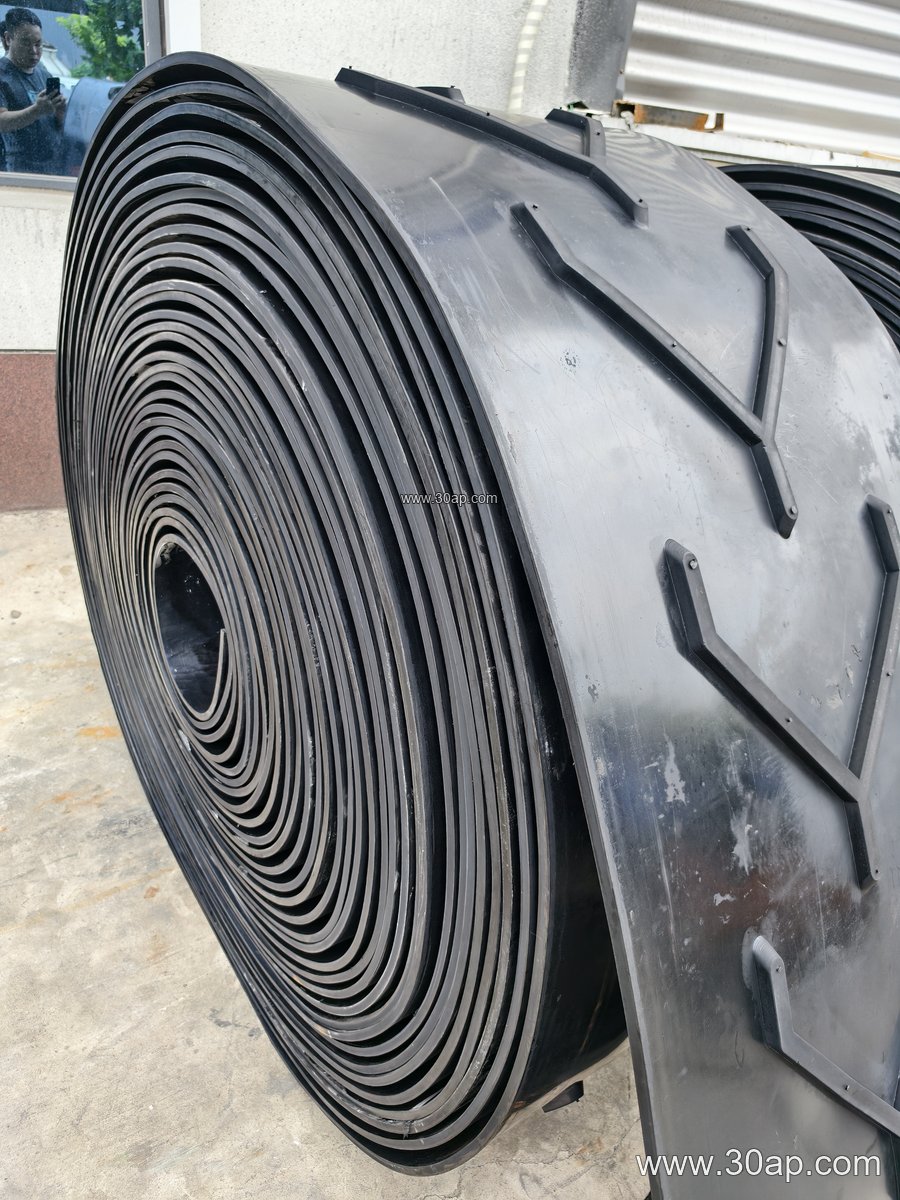
Common Specifications and Selection Notes
Cold resistant belts are available in the same general strength and width families as other fabric belts. The table below gives reference ranges; actual values are set by the conveyor design and should be confirmed with the supplier.
| Parameter | Common reference range |
|---|---|
| Strength grade | EP200, EP315, EP400, EP500, EP630, EP800, EP1000 |
| Belt width | B500, B650, B800, B1000, B1200, B1400, B1600 |
| Cover thickness | 3+1.5 mm, 4+2 mm, 5+2 mm, 6+2 mm |
| Carcass | 2 to 6 fabric plies, or steel cord for high tension |
Selection should consider the lowest expected ambient temperature, the number of starts per day, the material being carried, and the pulley diameters. A thicker cover improves wear life but adds stiffness, so the cold flexibility of the compound matters more than cover thickness alone. For comparison, a heat resistant conveyor belt focuses on high temperature cover compounds, while a cold resistant belt focuses on low temperature flexibility; the two are not interchangeable.
Buyer Checklist
- Confirm the minimum operating temperature and ask for the low-temperature test data.
- Match the strength grade to the calculated tension, not to the widest belt available.
- Check that the drive pulley, tail pulley, and bend pulleys are sized for the belt stiffness at low temperature.
- Review the idler roller spacing and the scraper system, since ice and frozen material are common causes of edge damage.
- For underground coal mining, confirm flame retardant and anti-static properties if required by the site.
For more product information on cold resistant belt, rubber conveyor belt, and related conveyor components, visit our site.