What a Heavy-Load Conveyor Idler Does
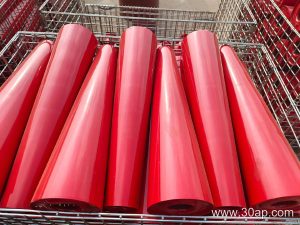
A heavy-load conveyor idler is the rotating support that carries the belt and its material load on high-capacity conveying systems. In a quarry, iron ore mine, or cement plant, these idlers must handle lumps, abrasion, and continuous operation without becoming the weak point of the line. The same product is often called a heavy-duty conveyor roller, and both terms describe the same component: a robust idler roller built for sustained load and impact.
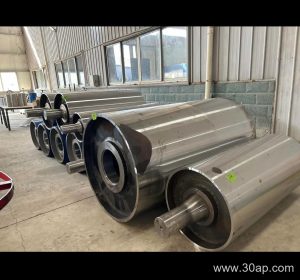
Unlike a drive pulley or tail pulley, which transmit motion and tension, the idler simply supports the belt. That distinction matters when specifying parts, because a heavy-load idler is not interchangeable with any type of conveyor pulley.
Construction and Key Components
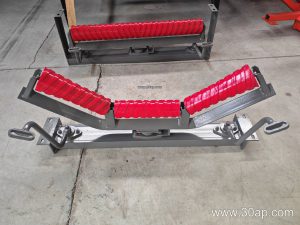
A typical unit combines a steel tube shell, bearing housing, shaft, and sealing arrangement. The shell may be plain steel, nylon-coated, ceramic-covered, or fitted with rubber discs for impact absorption. Bearing selection usually follows load and speed rather than a single fixed rule; common sizes include 6205, 6305, 6306, and 6308, but the same bearing can serve more than one roller diameter.
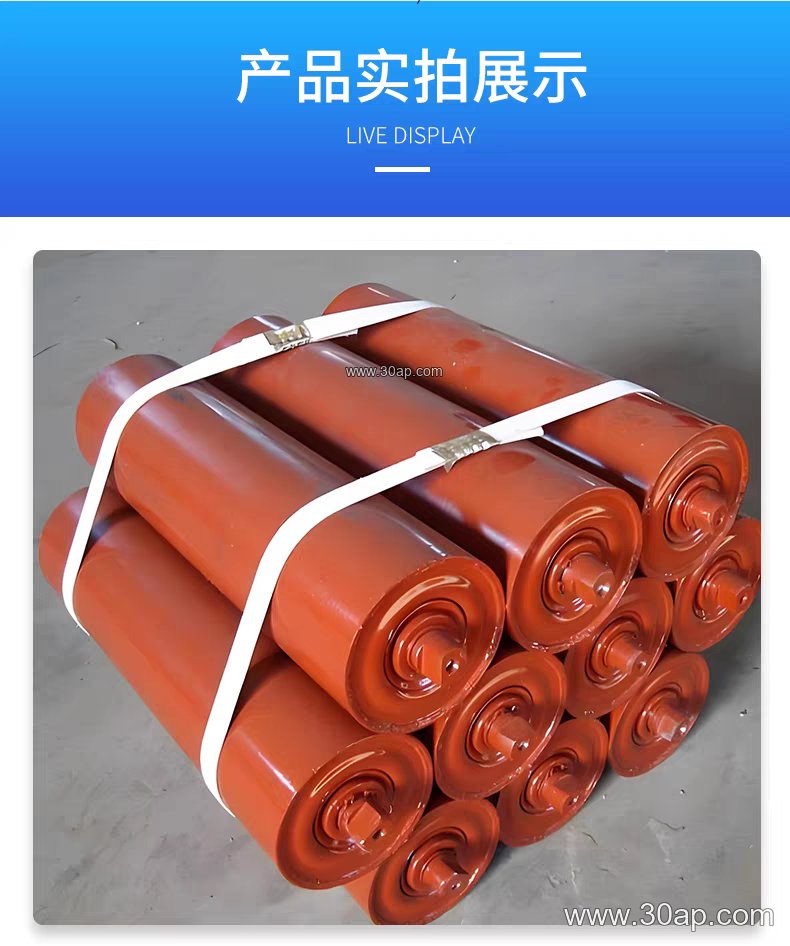
Sealing is critical in dusty service. Labyrinth seals and multi-stage protection help keep fines out of the bearing cavity. For high-impact transfer points, rubber-disc impact idlers are often used, while a V-shaped return idler may be chosen to help center the belt on the return strand.
Common Heavy-Load Idler Reference Data
| Parameter | Typical Range or Example |
|---|---|
| Roller diameter | Ø108, Ø127, Ø133, Ø159, Ø178, Ø194, Ø219 mm |
| Belt width | B800, B1000, B1200, B1400, B1600, B1800, B2000 mm |
| Trough angle | 20°, 30°, 35°, 45° |
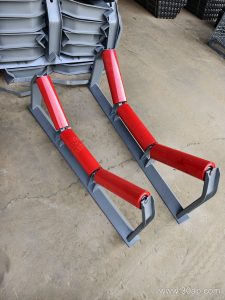
| Idler arrangement | Single-roll, two-roll, three-roll troughing set |
| Roller length example | About 315 mm for B800, 380 mm for B1000, 465 mm for B1200, 530 mm for B1400 (three-roll troughing, common reference) |
These values are common references, not universal fixed combinations. Roller length changes with belt width, trough angle, and idler arrangement, and side rollers may differ from the center roller.
Where Heavy-Load Idlers Are Used
Heavy-load conveyor idlers appear in crushing and screening circuits, limestone quarries, coal washing plants, and power station coal handling. They also support belts in copper and gold mining, sinter plants, and aggregate yards. In these settings, the conveyor belt may be an abrasion resistant conveyor belt or a flame retardant conveyor belt, and the idler must match the duty of the whole system.
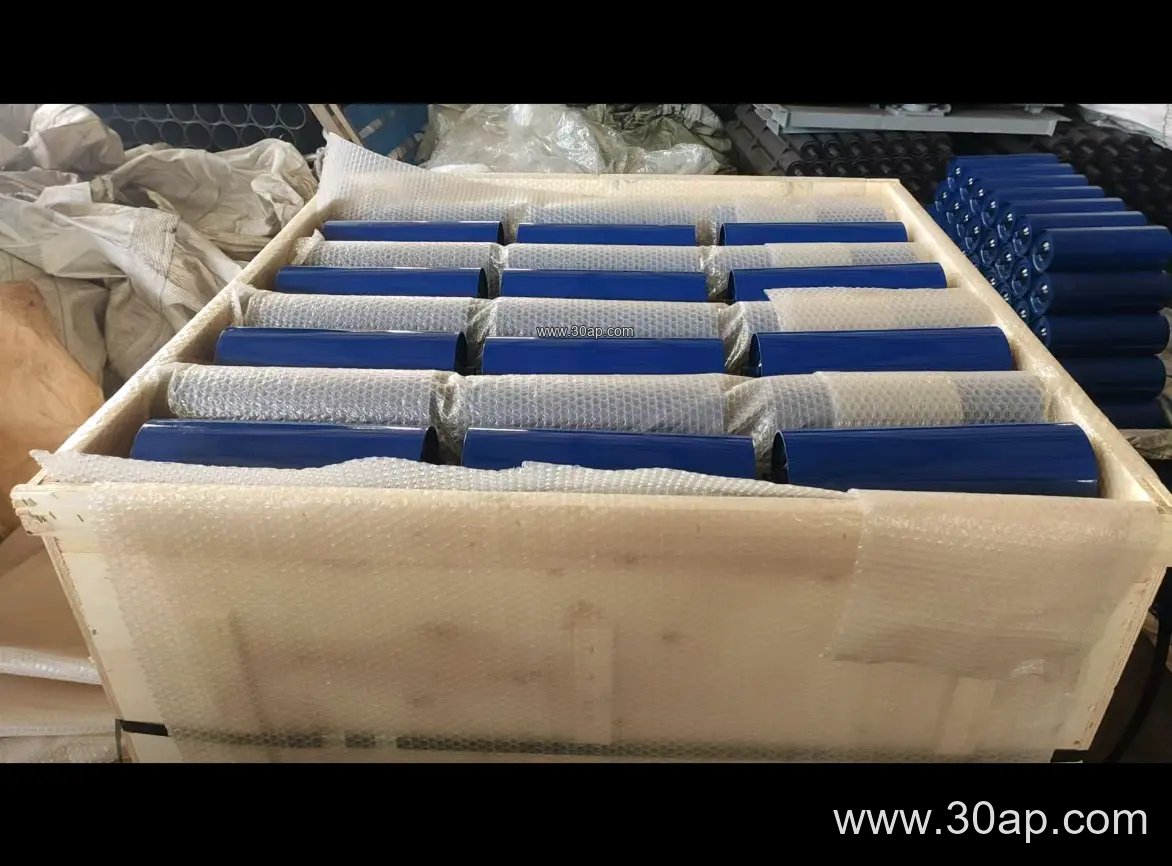
For wider belts, such as a 1200mm wide conveyor belt or 1500mm wide conveyor belt, the idler set and frame must be sized accordingly. A heavy-load idler is often paired with a sturdy conveyor bracket and a properly rated conveyor pulley at the drive and tail positions.
Selection Notes for Buyers
- Match roller diameter and bearing class to actual load, speed, and lump size rather than belt width alone.
- Confirm the trough angle and idler arrangement, since a 35° three-roll set behaves differently from a 20° set.
- Choose the shell surface for the environment: rubber discs for impact, ceramic or nylon where wear is severe.
- Review sealing and shaft details for dusty or wet conditions.
- Check that the idler frame and conveyor bracket align with the selected roller length.
Buyers should also consider the belt type in service. A steel cord conveyor belt or high strength conveyor belt may carry heavier tensions, while an EP conveyor belt or fabric core conveyor belt is common in many plant conveyors. The idler specification should follow the actual load profile, not a catalog assumption.
Maintenance and Long-Term Reliability
Inspect for seized rollers, worn shells, and material buildup. Replace idlers in sets where alignment matters, and keep the return strand clean to reduce belt tracking problems. A well-chosen heavy-load conveyor idler reduces downtime in abrasive, high-tonnage operations and helps protect the conveyor belt from unnecessary wear.