What a Four-Roll Idler Bracket Does
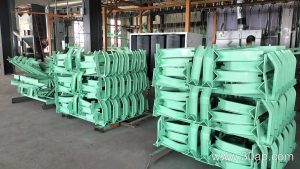
A four-roll idler bracket is the steel support assembly that carries four idler rollers under the loaded side of a conveyor belt. Instead of the common three-roll trough set, it spreads the belt over four contact points, which can suit wide belts, heavy lumps, or installations where the belt needs extra guidance. In a quarry, a cement plant, or a coal handling line, this bracket is often chosen when a standard trough frame leaves the belt edges unstable.
The bracket is a structural part, not a rotating part. It positions the idler roller shafts at the correct angles and holds them at a fixed distance from the belt line. Its geometry directly affects belt training, material spillage, and the service life of the rollers.
Construction and Layout
Most four-roll idler brackets are fabricated from angle steel, channel steel, or folded steel plate. A central crossbeam carries two inner rolls at a shallow angle, while two outer rolls sit at a steeper angle to form the trough. The result is a six-point or eight-point contact pattern depending on the design, with the belt supported across a wider arc.
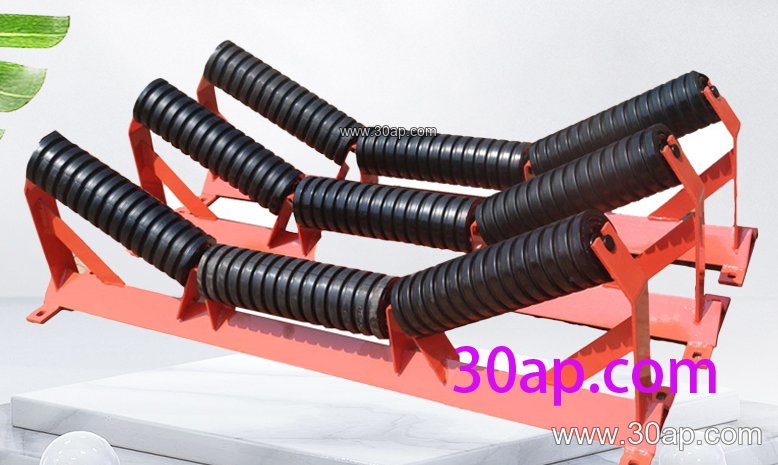
Key features a buyer will see on a drawing include:
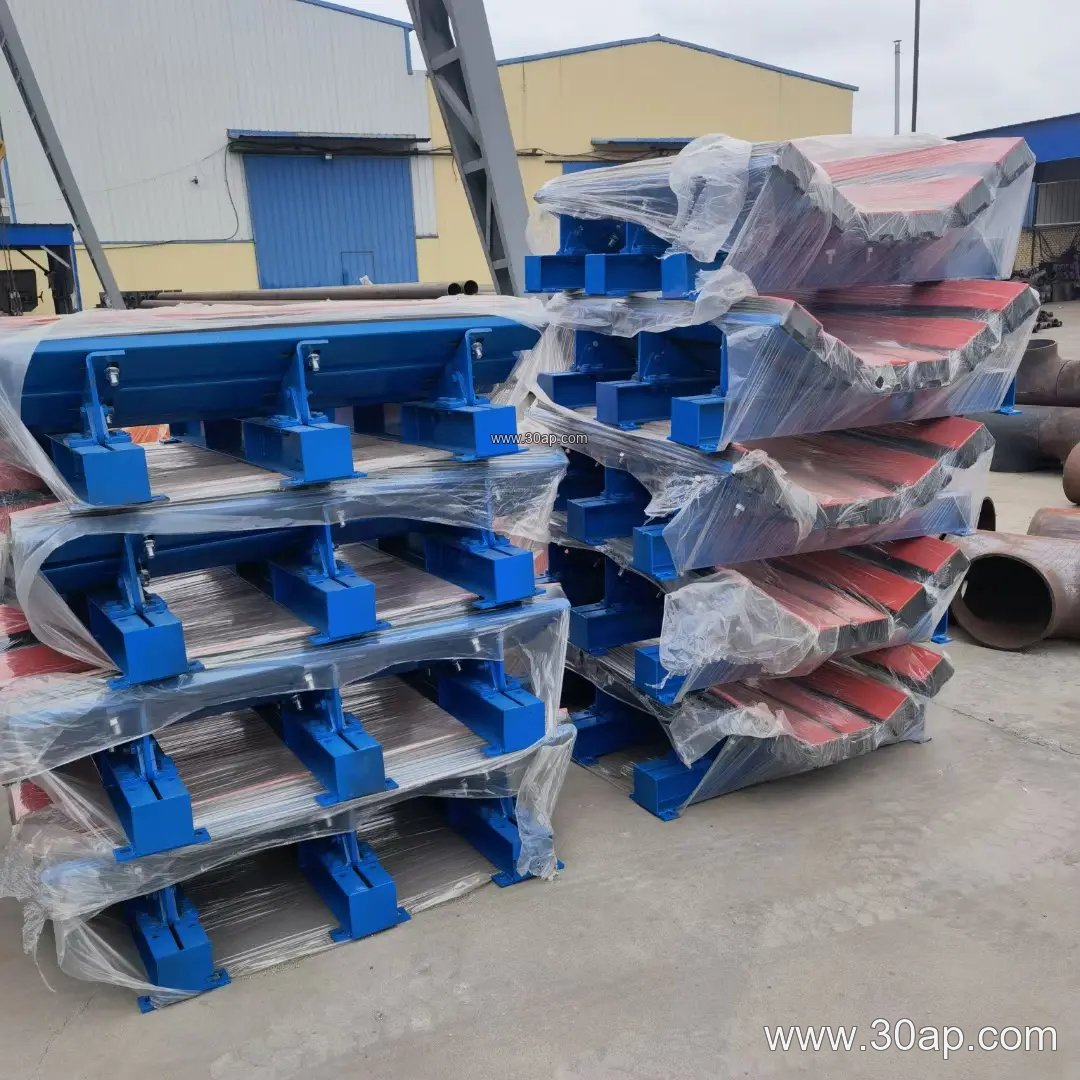
- Mounting holes for each idler shaft, usually slotted for fine adjustment
- Reinforced gussets at the outer roll positions
- Bolted or welded connections to the conveyor stringer
- Optional forward tilt of roughly 1.5 to 2 degrees on the outer rolls for belt training
Common trough angles for the outer rolls are 20, 30, 35, and 45 degrees. Adjustable versions let maintenance crews change the trough angle within that range without replacing the frame.
Where It Fits in the Conveyor
The bracket is normally installed on the carrying run, between the tail pulley and the head pulley, and it may also appear at transition zones where the belt changes from flat to troughed. It is not a substitute for a drive pulley, tail pulley, or bend pulley; those are separate components with different duties. On a long overland line, four-roll brackets are often placed in the loading zone and on sections with high impact, while three-roll brackets may remain elsewhere.
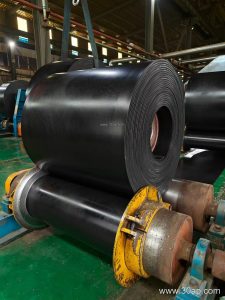
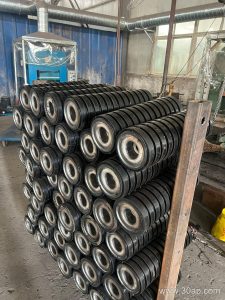
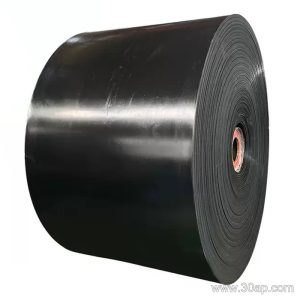
Typical industries include limestone mines, iron ore plants, aggregate crushing and screening lines, power plant coal yards, and fertilizer or grain silo conveyors. In these settings the bracket works together with the conveyor belt and the full roller set to keep material centered.
Matching Bracket, Belt, and Roller
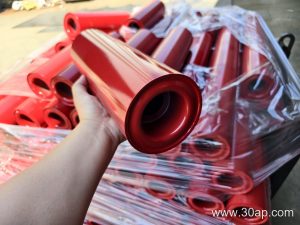
Selection starts with belt width, because the crossbeam length and mounting hole spacing are built around it. Reference widths include B500, B650, B800, B1000, B1200, B1400, B1600, B1800, B2000, B2200. Roller diameter is a separate decision; common sizes are Ø89, Ø108, Ø133, Ø159, and Ø194. A bracket for B800 at 35 degrees may use Ø108 rollers, while a B1200 frame at 45 degrees may use Ø133. These are examples, not fixed pairings, and the final combination should follow the conveyor design.
| Reference item | Typical range | Note |
|---|---|---|
| Belt width | B500 to B2200 | Bracket length follows belt width |
| Trough angle | 20, 30, 35, 45 degrees | Adjustable frames cover a range |
| Roller diameter | Ø89 to Ø194 | Chosen by load and belt speed |
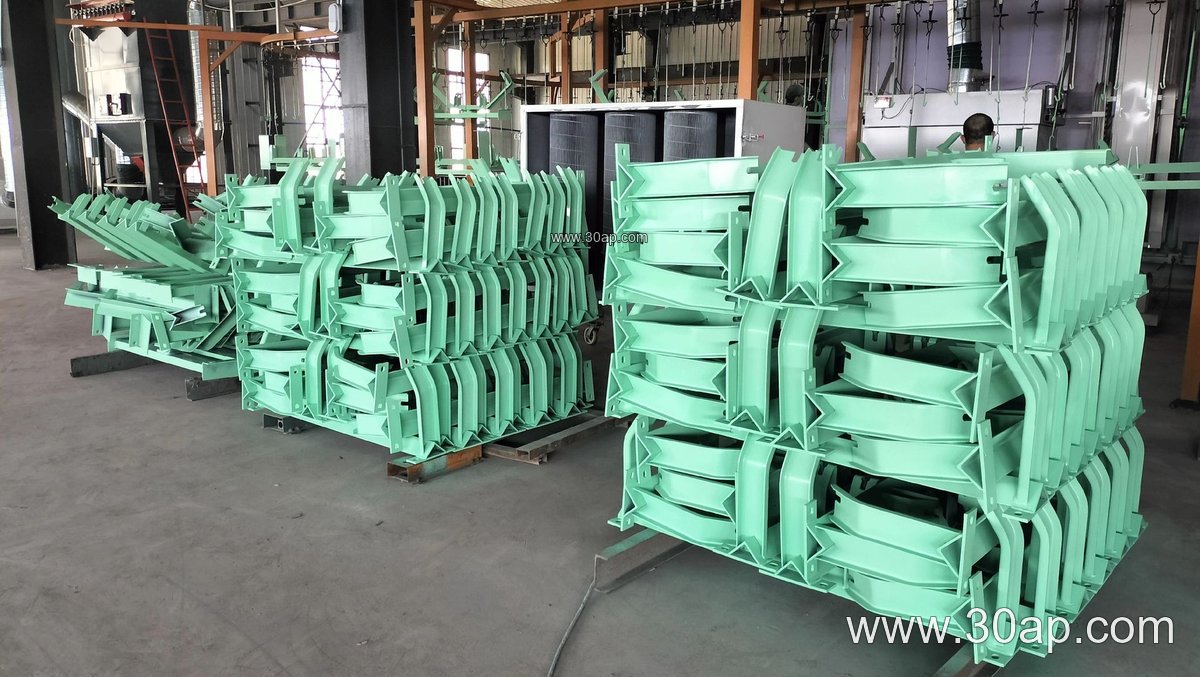
| Material | Angle steel, channel steel, folded plate | Finish depends on environment |
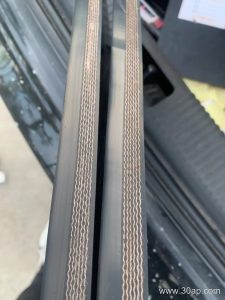
For a heavy-duty mining conveyor carrying abrasive rock, the bracket should be matched with an abrasion resistant conveyor belt and sturdy rollers. In a coal mine, a flame retardant conveyor belt is usually specified alongside the frame. The bracket itself does not change belt grade, but it must be strong enough for the load the belt carries.
Buyer Checklist
Before ordering, confirm the belt width, the required trough angle, the roller diameter, the mounting hole pattern, and the stringer spacing. Ask whether the frame is fixed or adjustable, and check the surface treatment for wet or dusty conditions found in wash plants and ports. A four-roll idler bracket is a small cost item, but a poorly matched one can cause belt edge wear and roller damage across the whole line.