What a Heavy-Duty Steel Conveyor Bracket Does on the Line
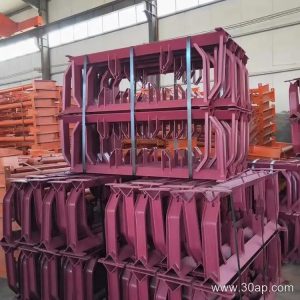
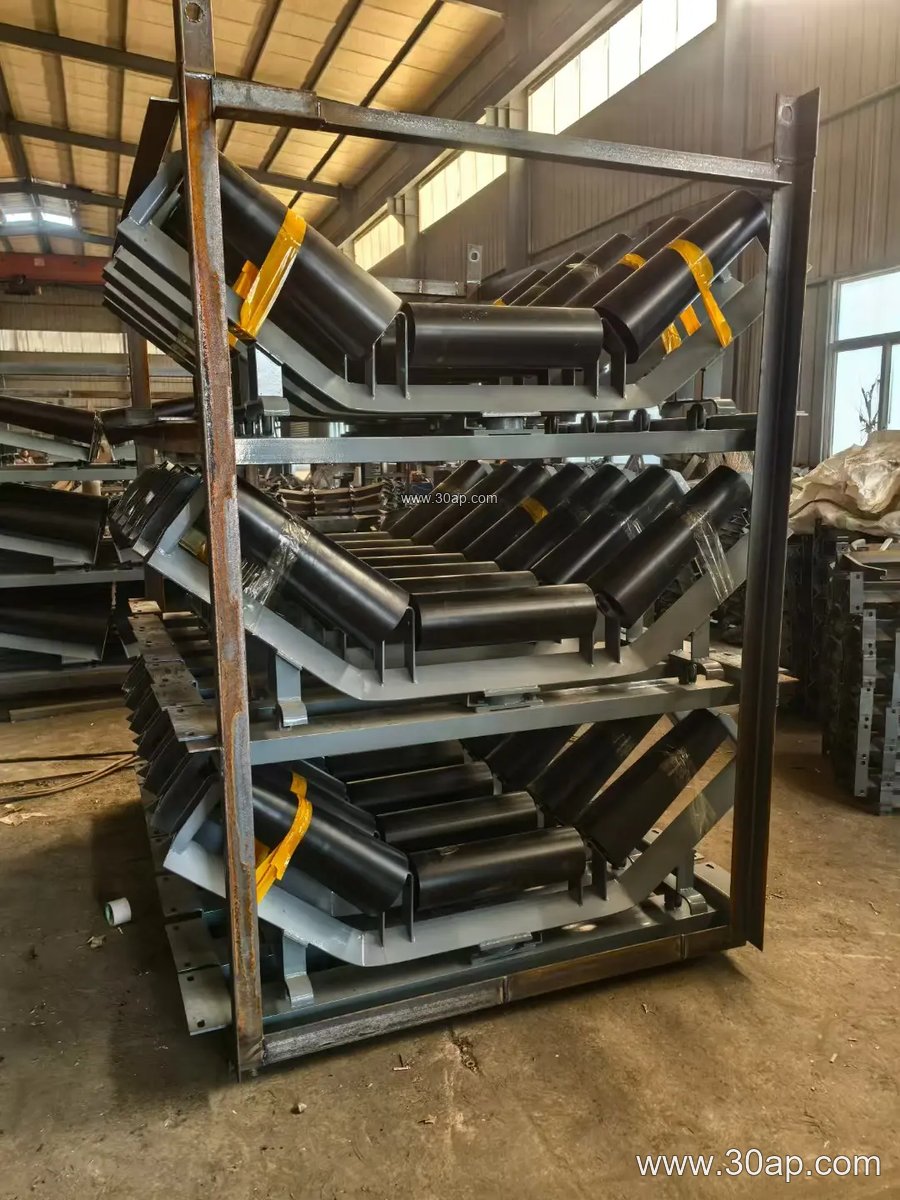
A Heavy-Duty Steel Conveyor Bracket is the structural support that holds the idler roller in place and keeps the conveyor belt at the right profile along the length of the machine. In a quarry, a cement plant, or a coal handling system, the bracket carries the load path from the belt and material down into the stringer or frame. The heavy-duty version is made for lines where impact, abrasion, and continuous tonnage are part of daily operation, not occasional conditions.
The bracket itself does not move material, but it decides whether the idlers stay aligned. A weak bracket lets the roller tilt, the belt edge lift, and spillage begin. That is why the steel conveyor bracket is often specified together with the belt and roller rather than chosen as an accessory at the end.
How the Steel Frame Is Built
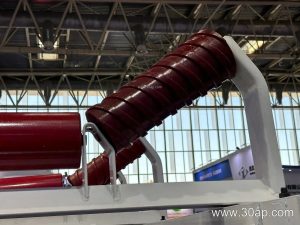
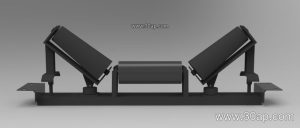
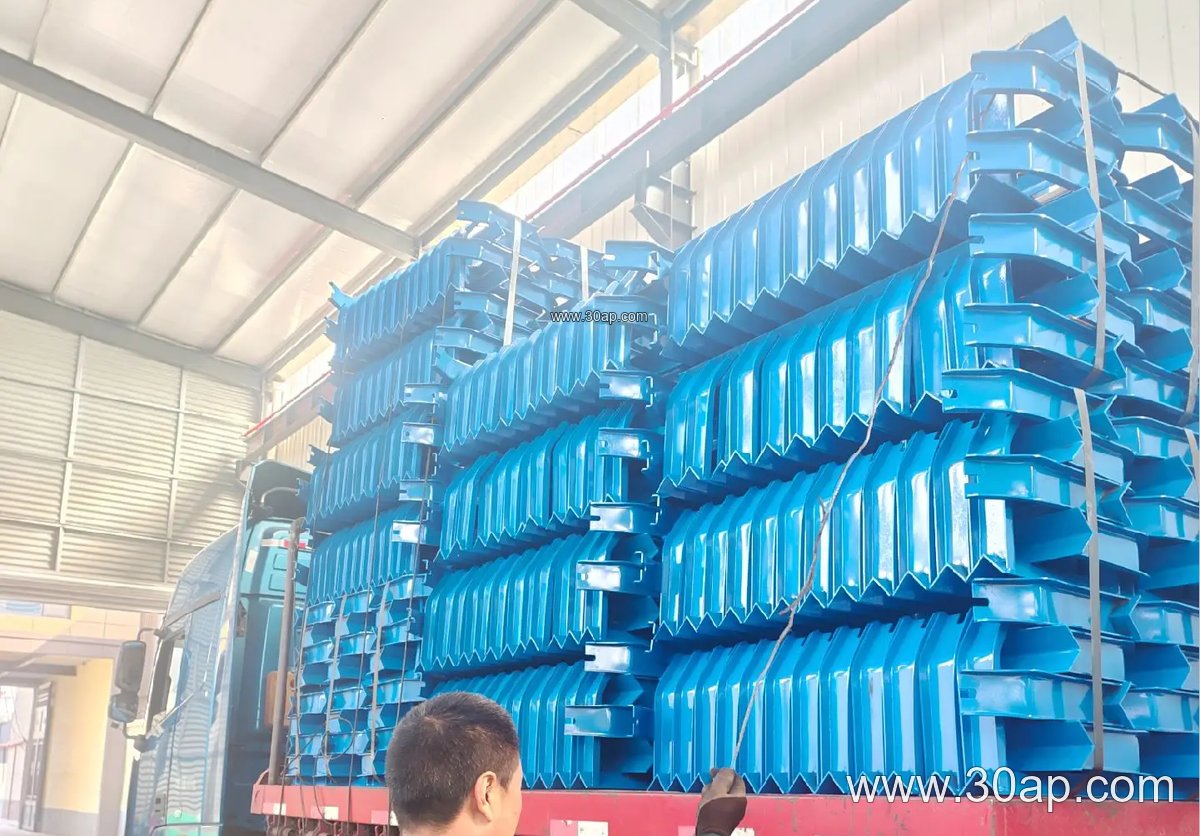
Most brackets are fabricated from angle steel, channel steel, or folded steel plate, then drilled and welded to match the mounting pattern of the idler. A troughing bracket holds three rollers at a set trough angle; a return bracket supports the belt on the way back. Heavy-duty grades usually use thicker sections and reinforced mounting points so the frame resists bending when a large lump lands on the belt.
Construction details that matter include weld quality, hole alignment, and how the bracket sits on the stringer. If the frame twists during installation, the rollers will not sit in one plane, and the belt will run off center. A flat, square base and consistent hole spacing are simple but critical features.
Bracket Types and Where They Fit
- Troughing and upper brackets carry the loaded side of the belt, usually at 20, 30, 35, or 45 degrees.
- Transition brackets ease the belt from flat to troughed shape near the head and tail.
- Return and V-return brackets support the empty belt and help keep it centered.
- Impact brackets sit under loading points where material falls onto the belt.
- Self-aligning and forward-leaning brackets help correct belt drift on long runs.
- Adjustable brackets allow the trough angle to be changed on site within a defined range.
- Suspended brackets hang from the structure where floor-mounted frames are not practical.
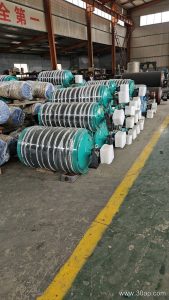
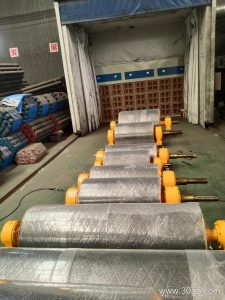
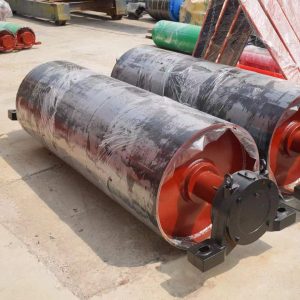
The main subject here is the heavy-duty steel conveyor bracket as a load-bearing frame. A drive pulley, tail pulley, or bend pulley is a different component and is not interchangeable with this bracket, even though all of them appear on the same conveyor.
Common Reference Dimensions
The values below are reference data for planning, not fixed supply promises. Final hole spacing and beam length follow the belt width, trough angle, and frame design.
| Belt width | Trough angle | Roller diameter | Typical use |
|---|---|---|---|
| B650 | 30 degrees | Ø89 | Small aggregate lines |
| B800 | 35 degrees | Ø108 | Sand and gravel plants |
| B1000 | 35 degrees | Ø133 | Cement and power plant conveyors |
| B1200 | 45 degrees | Ø133 | High-capacity ore handling |
| B1400 | 45 degrees | Ø159 | Mining and port systems |
| B1600 | 35 to 45 degrees | Ø159 or Ø194 | Heavy bulk material duty |
| B1800 to B2000 | 35 to 45 degrees | Ø194 | Large tonnage mainlines |
A forward-leaning setting is often about 1.5 to 2 degrees. One belt width can work with more than one trough angle and more than one roller diameter, so the bracket should be selected from the full conveyor design rather than from a single number.
Selection Points for Buyers
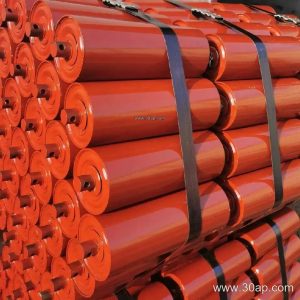
Start with the belt width and the trough angle required by the material profile. Then confirm the roller diameter the bracket must accept, because the mounting saddle and hole pattern depend on it. Check whether the bracket is fixed or adjustable, and whether it needs a reinforced version at the loading zone. Ask how the bracket connects to the stringer and whether the supplier can match existing hole spacing.
Material matters too. In a coal preparation plant or an underground coal mining conveyor, a flame retardant conveyor belt and anti-static components are often specified, and the bracket finish should suit the environment. In a cement plant or a lime kiln area, dust and heat affect both the belt and the steel frame. In a port or ship loading system, salt air makes coating and drainage worth discussing. Matching the bracket to a heavy-duty conveyor belt, an abrasion resistant conveyor belt, or a heat resistant conveyor belt is part of the same design conversation.
Installation and Maintenance Notes
Set brackets in line and check them with a string or laser before tightening. A bracket that sits a few millimeters high will lift the belt and wear the roller. During service, watch for loose bolts, cracked welds, and bent frames near transfer points. Replacing one bracket is quick; replacing a torn belt caused by a misaligned frame is not.
For a complete line, the bracket, the idler roller, and the belt should be reviewed together. A heavy-duty steel conveyor bracket is a small part of the machine, but it is the part that keeps everything above it running true.