What a Belt Guide Roller Does
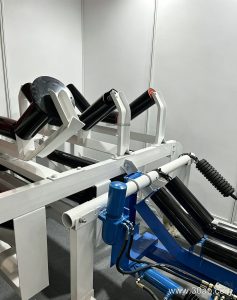
A belt guide roller is a small but important component that keeps a conveyor belt tracking correctly, especially on long runs or where the belt is likely to wander. Unlike main carrying idlers, which support the belt and its load, the guide roller is mounted where it can contact the belt edge or the belt surface near the edges and gently correct misalignment. It is frequently used on the return side, at transition zones, and near pulleys where tracking is critical. In a quarry or a cement plant, a single guide roller can prevent belt edge damage that would otherwise shorten the life of an expensive conveyor belt.
The name is sometimes used loosely for edge guide rollers, vertical guide rollers, and self-aligning guide idlers. The exact form depends on the conveyor design, but the function is the same: guide the belt without adding excessive drag.
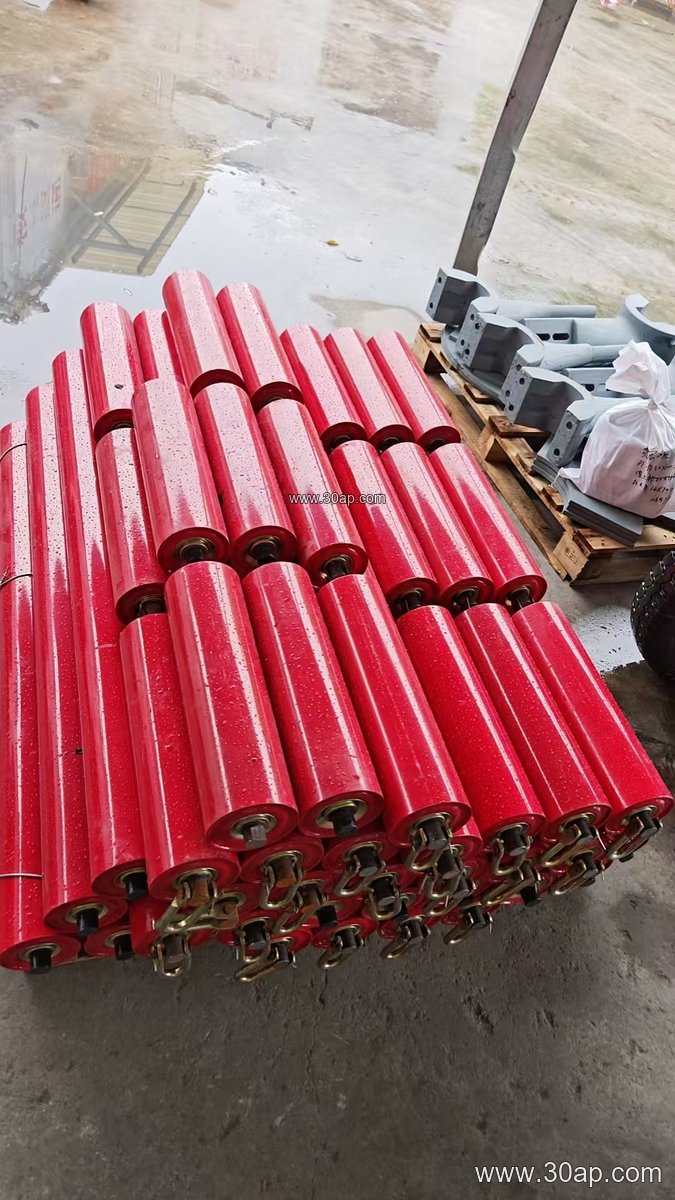
Construction and Mounting
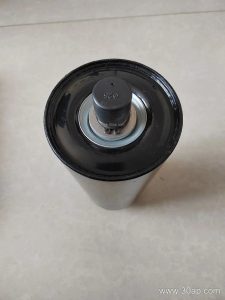
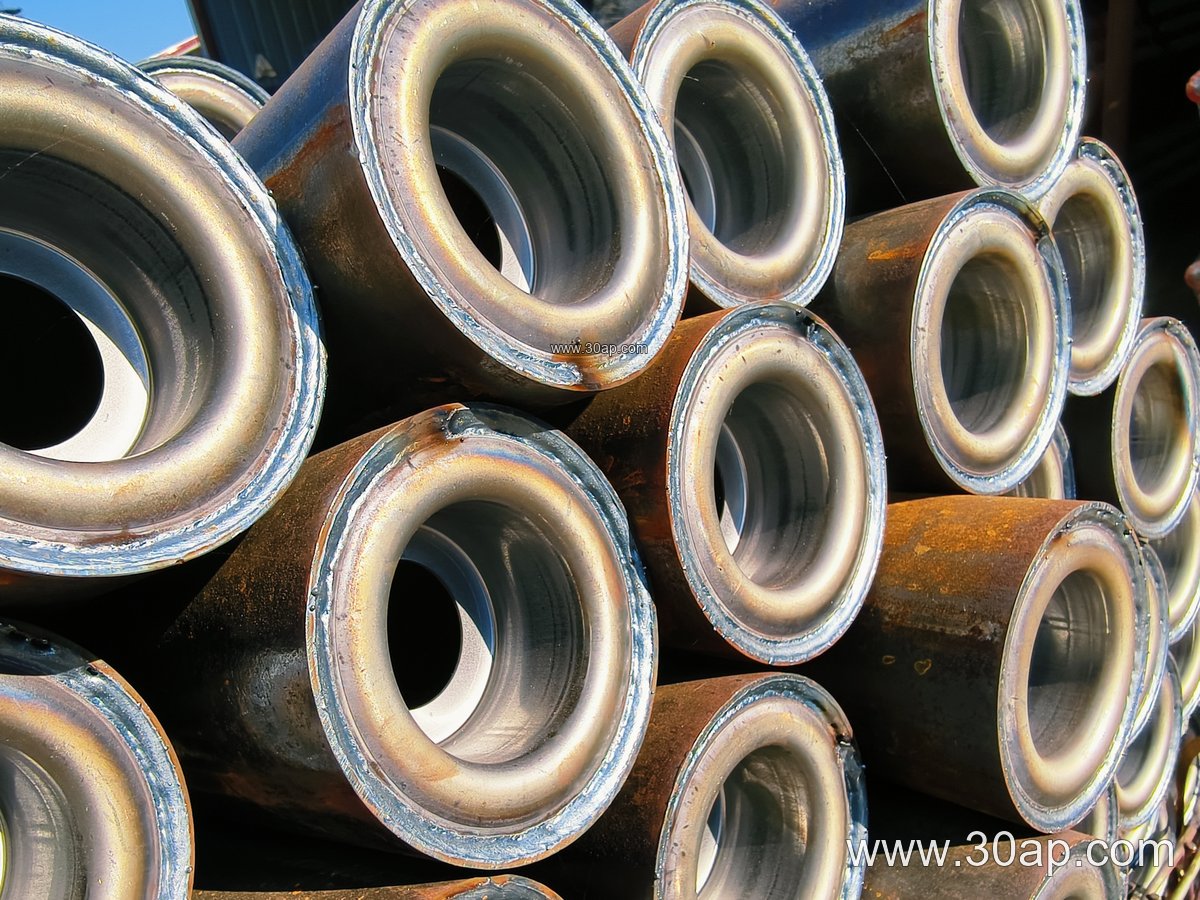
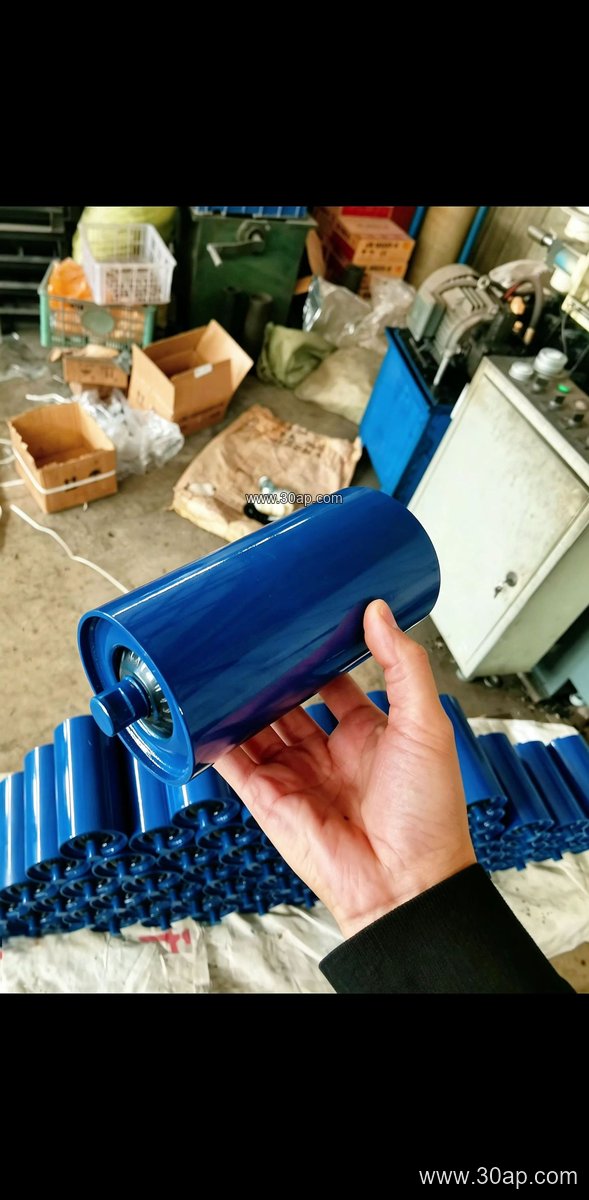
A typical belt guide roller has a steel tube body, a shaft, and sealed bearings at each end. Roller diameters often fall in the range of Ø63 to Ø133 mm for guide duty, although larger sizes are used when the belt is wide and stiff. Common bearing sizes include 6204, 6205, 6305, and 6306, but bearing selection should follow the load and shaft design rather than a fixed rule.
The roller surface may be plain steel, nylon, or covered with a rubber ring to protect the belt edge. Mounting is usually through a bracket or a small frame welded or bolted to the conveyor structure. A vertical guide roller is often set at an angle to the belt edge, so the belt touches it only when tracking drifts.
Common reference dimensions
The table below shows common guide roller sizes used in bulk handling. These are reference values, not a supply promise, and final dimensions are set by the conveyor design.
| Roller diameter | Typical belt width range | Common bearing |
|---|---|---|
| Ø63 mm | B500 to B650 | 6204 |
| Ø76 mm | B650 to B800 | 6204 / 6205 |
| Ø89 mm | B800 to B1000 | 6205 |
| Ø108 mm | B1000 to B1400 | 6305 / 6306 |
| Ø133 mm | B1400 to B1800 | 6306 / 6308 |
Roller length follows the belt width and the mounting position. For a three-roll troughing set, common roll lengths are roughly 200 mm at B500, 315 mm at B800, 465 mm at B1200, and 600 mm at B1600. A guide roller is usually shorter and mounted differently, so these figures are only a starting point for layout.
Where It Is Used
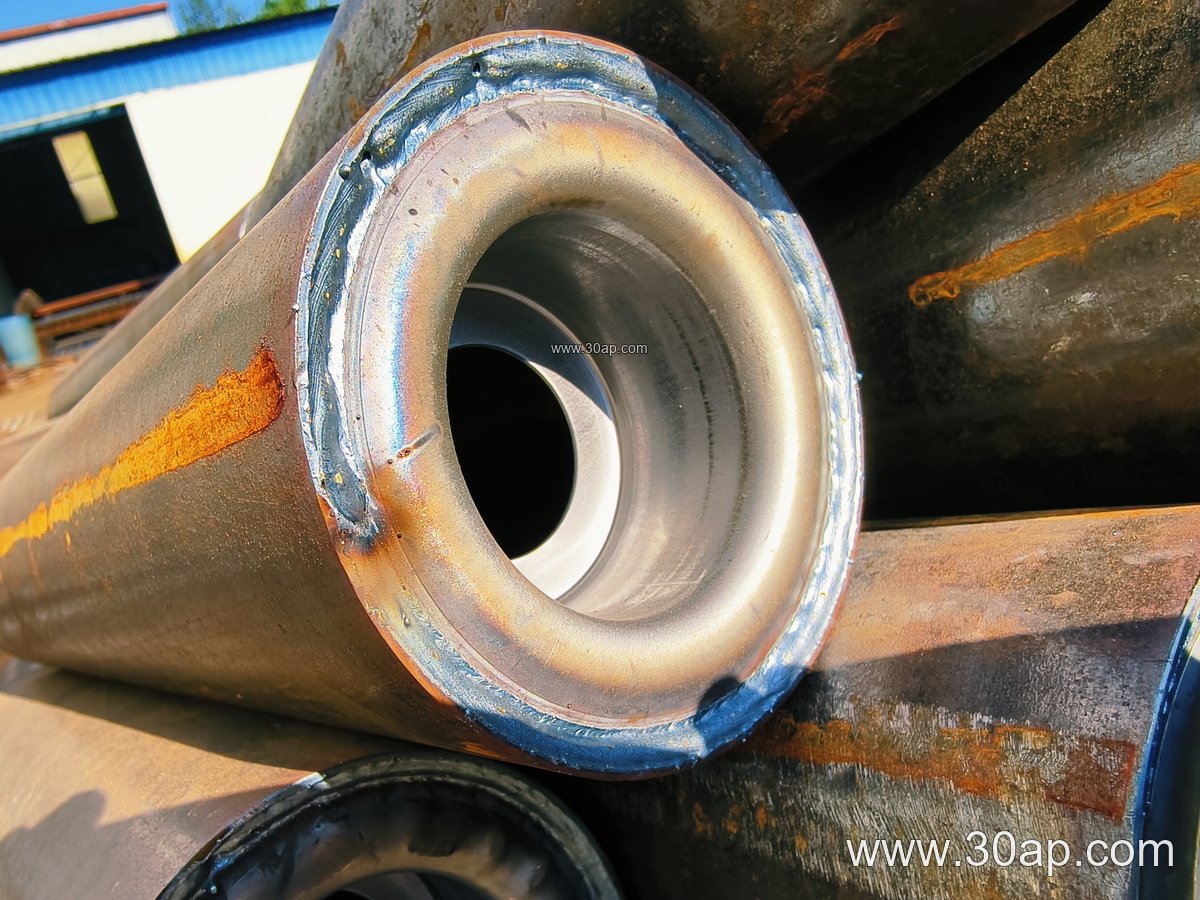
Belt guide rollers appear in many bulk material handling operations. In a coal washing plant or a power plant coal yard, they help keep a flame retardant conveyor belt centered on the return run. In an iron ore or copper ore operation, they protect the edges of a heavy-duty mining conveyor belt carrying abrasive rock. In a stone crushing line, a guide roller near the discharge pulley reduces edge wear on an abrasion resistant conveyor belt.
They are also useful on pipe conveyor belt systems and on troughed belts with a 20, 30, 35, or 45 degree trough angle, where the belt has more tendency to shift. For a belt with corrugated sidewall or chevron cleats, the guide roller must be placed so it does not contact the cleats.
Selection and Maintenance Notes
Buyers should confirm the belt width, the belt speed, the mounting position, and the available bracket space before choosing a guide roller. Check whether the roller will touch the belt edge or the belt face, and whether a rubber ring or nylon surface is needed to avoid abrasion. The shaft diameter and bearing type should match the load and the existing frame, not be guessed from belt width alone.
During maintenance, inspect for a worn roller surface, seized bearings, and loose brackets, since a stuck guide roller can itself cause belt misalignment. Replace rollers in sets where possible, and recheck belt tracking after any change. A well-chosen guide roller is a low-cost part that protects the conveyor belt, idler roller, and conveyor pulley from avoidable edge damage.
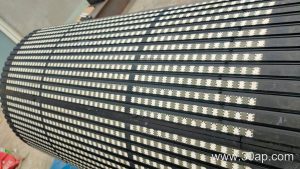
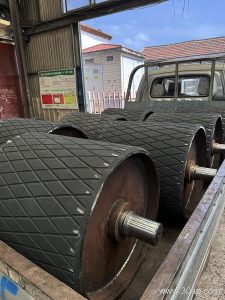
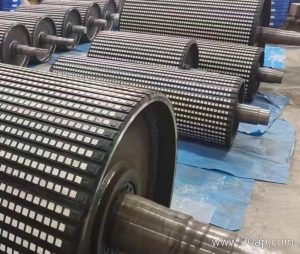
Related equipment in the same conveyor line includes the conveyor belt, idler roller, conveyor pulley, and conveyor bracket. For high-demand operations, matching the guide roller with a suitable EP conveyor belt or steel cord conveyor belt helps keep the whole system running smoothly.