What a Return Idler Bracket Does on a Conveyor
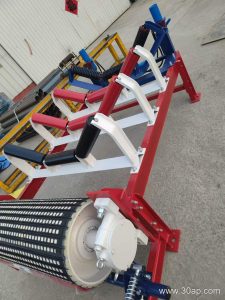
A return idler bracket is the support component that holds the return-side idler rollers beneath the conveyor belt. On the carrying side, troughing brackets shape the belt into a trough; on the return side, the bracket keeps the belt flat or slightly V-shaped as it travels back to the tail. In a quarry, a limestone mine, or a cement plant, these brackets are often the quiet workhorses that decide whether the belt tracks cleanly or wanders off line.
The bracket also sets the height and alignment of each idler roller, so it directly affects belt sag, contact pressure, and the life of the conveyor belt. A loose or bent return bracket can cause the belt to rub, misalign, or wear prematurely, which is why maintenance teams treat it as a wear and alignment item rather than a fixed structural part.
How the Bracket Is Built
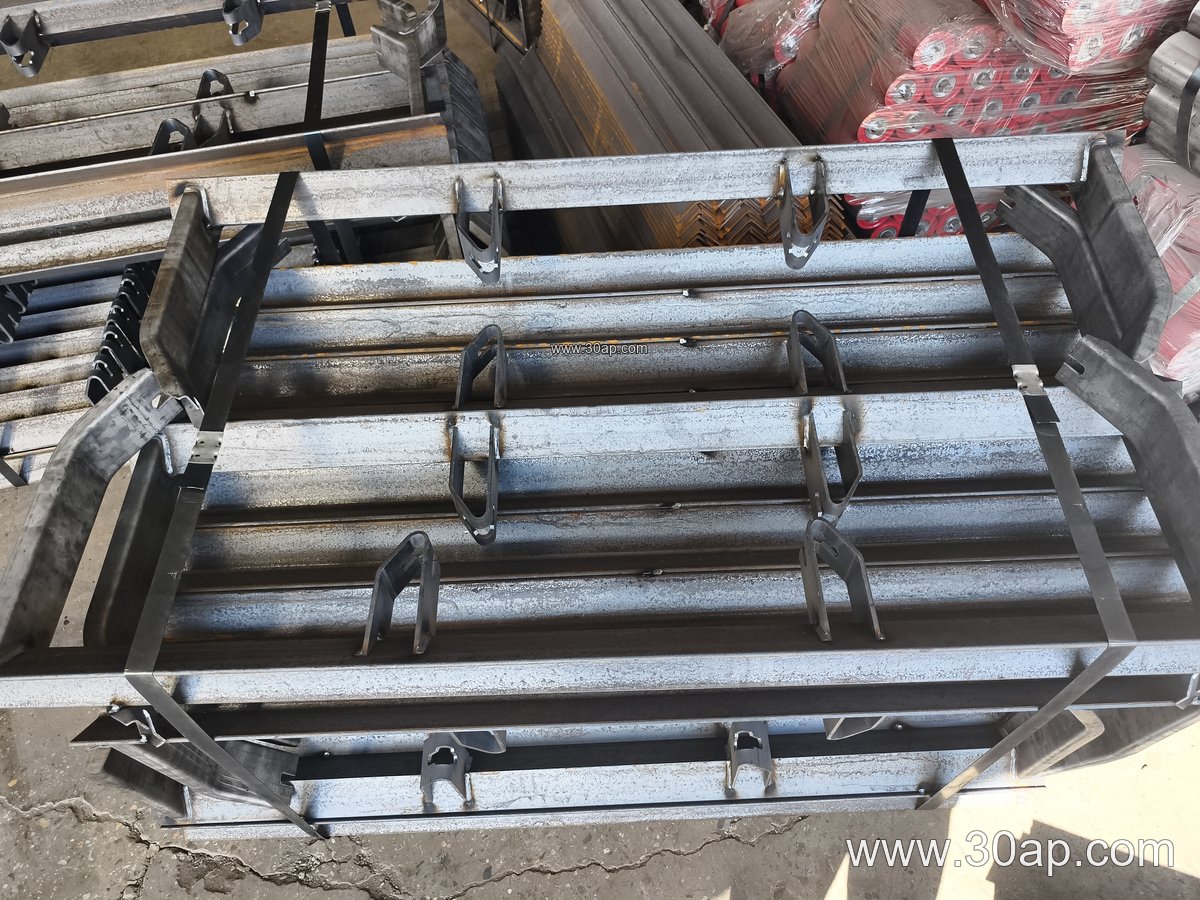
Most return idler brackets are fabricated from angle steel, channel steel, or folded steel plate. The frame is drilled or slotted to accept the idler shaft, and the mounting surface is positioned so the roller sits at the correct height below the belt line. Some designs use a single flat cross member, while others add a V shape to help center the belt on the return run.
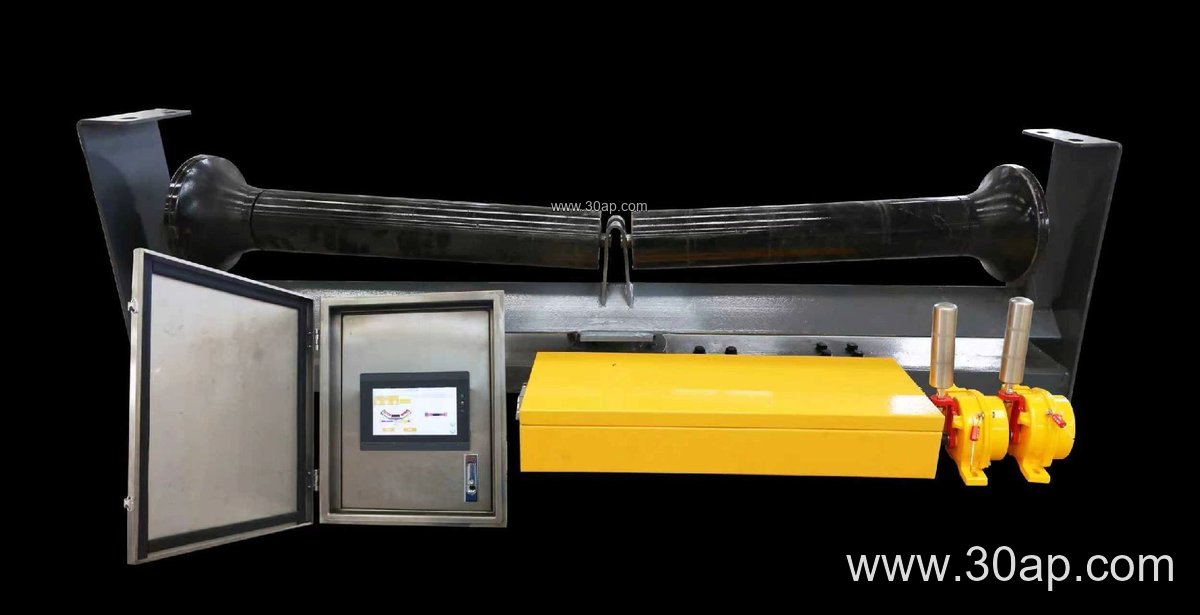
Common material choices are hot-rolled angle and channel sections, with welded or bolted connections. The bracket must resist vibration, dust, and occasional impact, so buyers usually check plate thickness, weld quality, and whether the mounting holes are punched or drilled. In coal mining and power plant coal handling, brackets may also need a protective finish to resist corrosion from washdown and humid conditions.
- Angle steel frame for light and medium duty
- Channel steel or folded plate for heavier loads
- Slotted holes for fine alignment during installation
- V-shaped or flat cross members depending on belt tracking needs
Where It Fits in the Conveyor Layout
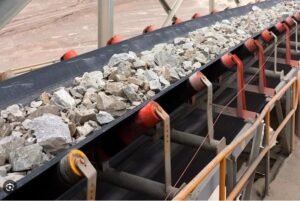
The return idler bracket is mounted on the conveyor stringer or frame below the belt, usually spaced at regular intervals along the return run. It appears in quarry conveyors, aggregate lines, crusher discharge belts, cement plant clinker lines, and power plant coal conveyors. In a sand and gravel plant, a return bracket may sit close to the tail area where belt tension is lower; in an iron ore or copper ore operation, it may be positioned to handle heavier belt loads and abrasive dust.
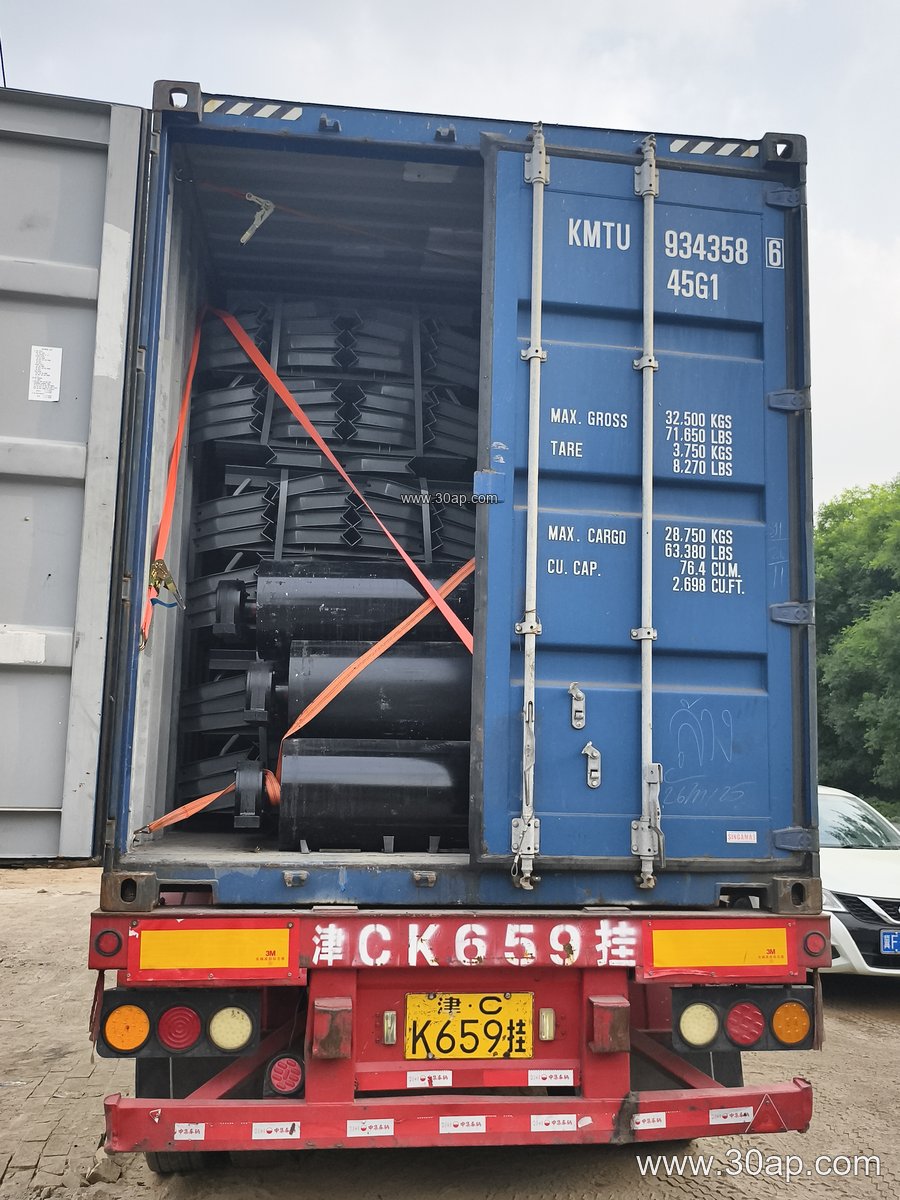
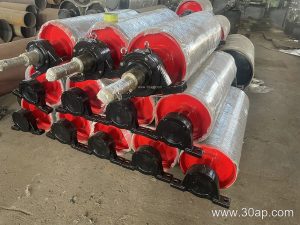
It is common to see a return idler bracket paired with a flat return roller, a V-type return roller, or a spiral return roller. The bracket choice should match the roller type, not the other way around. A bracket designed for a flat return roller is not interchangeable with one built for a V-return assembly, and the mounting height differs accordingly.
Matching Bracket, Belt Width, and Roller Diameter
Bracket dimensions follow the conveyor belt width and the roller diameter. A B650 belt with a 30 degree troughing angle on the carrying side may use a return bracket sized for a Ø89 or Ø108 return roller, while a B1200 or B1400 conveyor often uses Ø133 or Ø159 return rollers. These are typical pairings, not fixed rules; final selection depends on belt tension, load, and frame design.
Installation hole spacing and cross member length usually change with belt width, troughing angle, and roller diameter, so they should be confirmed against the conveyor drawing rather than assumed. The table below shows common reference ranges, not universal specifications.
| Belt Width | Typical Return Roller Diameter | Typical Bracket Type |
|---|---|---|
| B500 – B650 | Ø89 – Ø108 | Flat return bracket |
| B800 – B1000 | Ø108 – Ø133 | Flat or V-return bracket |
| B1200 – B1400 | Ø133 – Ø159 | V-return or heavy flat bracket |
| B1600 – B2000 | Ø159 – Ø194 | Heavy-duty V-return bracket |
For high-tonnage lines using a heavy-duty mining conveyor belt, the bracket should be selected with the same care as the idler roller itself. A mismatch in height or hole spacing can shift the belt line and accelerate wear on the conveyor pulley and belt edges.
Selection and Maintenance Notes
Buyers should confirm the belt width, roller diameter, mounting hole pattern, and whether the bracket is fixed or adjustable. Adjustable return brackets allow small height corrections during installation, which helps when the frame is not perfectly level. Fixed brackets are simpler and often preferred where alignment is already controlled by the structure.
During routine inspection, check for bent cross members, elongated holes, loose bolts, and buildup of sticky material. In a coal mining conveyor or a cement plant, fines can pack around the bracket and restrict roller rotation. Cleaning the area and verifying that the return idler spins freely will extend both bracket and roller life. Where the belt carries abrasive ore or clinker, a wear-resistant coating or a heavier section may be worth considering.
Return idler brackets are small parts, but they influence belt tracking, roller life, and downtime across the whole conveyor. Choosing the right bracket for the belt width, roller size, and site conditions keeps the return run stable from the tail to the drive.