What the Ø152 Conveyor Idler Is
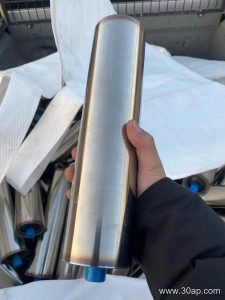
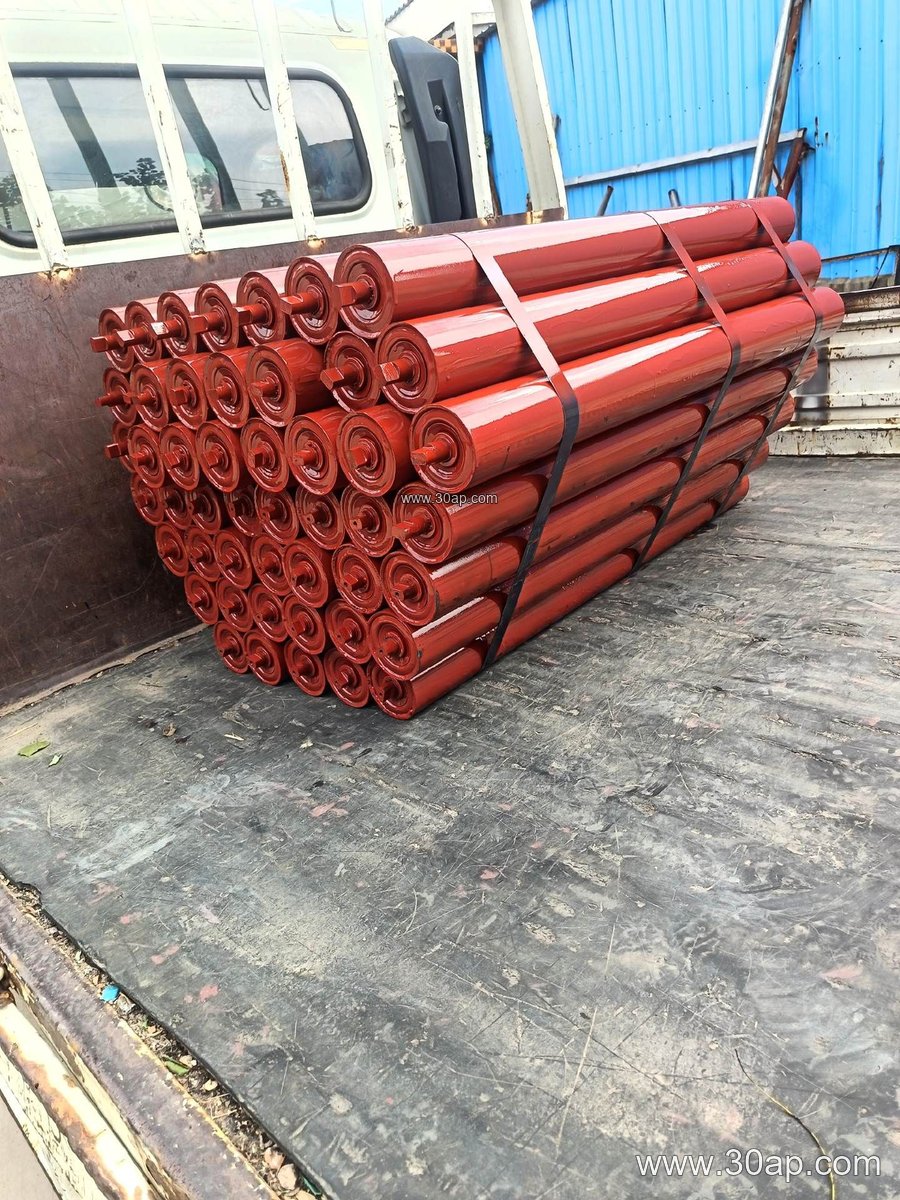
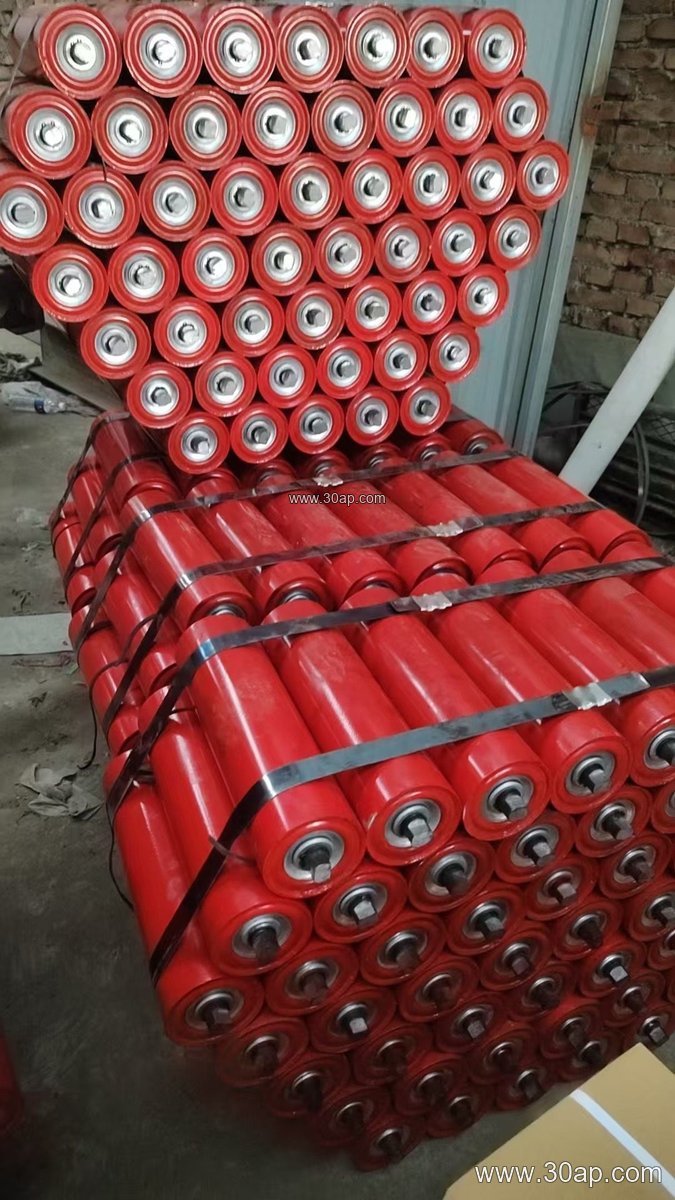
The Ø152 conveyor idler is a roller with a nominal diameter of 152 mm, used to support and guide the conveyor belt along its carrying and return runs. In many plants it is simply called a 152 mm idler roller, and it sits within the troughing set or return set that keeps the belt in shape and reduces friction. While the diameter is fixed at 152 mm, the roller length, bearing size, and surface form are selected according to belt width, load, and environmental conditions. This article explains how these idlers are built, where they fit, and what to check before ordering.
Construction and Key Components
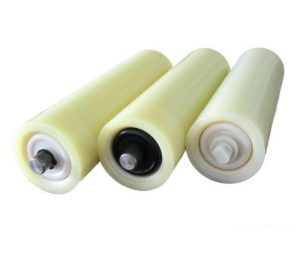
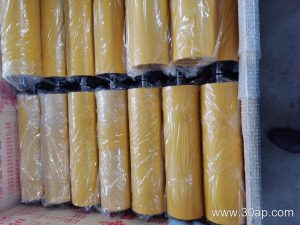
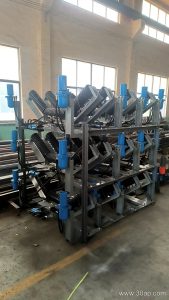
A typical Ø152 conveyor idler consists of a steel tube shell, bearing housings, a shaft, and a sealing arrangement. The shell may be plain steel, nylon-coated, ceramic-lined, or fitted with rubber rings for impact absorption. Bearings such as 6205, 6305, 6306, or 6308 are common, but the exact bearing is matched to the shaft and load rating rather than to the diameter alone. Seals are critical in dusty environments like quarries and cement plants, where fine particles can penetrate and shorten service life. The idler is mounted on a conveyor bracket or frame, and the complete set may include two or three rollers to form a trough.
Where It Is Used
This idler size appears in bulk handling systems across many industries. In a quarry or aggregate line, it supports the conveyor belt carrying crushed stone and gravel. In a cement plant, it handles clinker, limestone, and raw meal. Coal mining operations, power plant coal yards, and port terminals also use 152 mm idlers on medium to wide belts. The diameter offers a good balance between load capacity and weight, making it suitable for both fixed and semi-mobile conveyors. It is not a drive pulley or a tail pulley; those are separate components with different functions.
Common Configurations and Parameters
The table below lists typical reference values for Ø152 idlers. These are examples, not fixed combinations, and final selection depends on belt width, trough angle, and duty.
| Parameter | Common options / reference |
|---|---|
| Nominal diameter | Ø152 mm |
| Idler type | Troughing, return, impact, training |
| Trough set | 2-roller, 3-roller |
| Trough angle | 20°, 30°, 35°, 45° |
| Roller length (3-roll, approx.) | B500: 200 mm; B650: 250 mm; B800: 315 mm; B1000: 380 mm; B1200: 465 mm; B1400: 530 mm |
| Bearing (examples) | 6205, 6305, 6306, 6308 |
| Shell surface | Steel, nylon, ceramic, rubber rings |
Note that roller length varies with belt width and trough angle, and side rollers may differ from the center roller. A 152 mm idler can be used on belts ranging from around 500 mm to 1400 mm and beyond, but the frame and roller length must be matched accordingly. Do not assume one belt width locks to one roller length.
Selection and Maintenance Tips
When choosing a Ø152 conveyor idler, consider the material being conveyed and the environment. For abrasive rock or ore, a ceramic or thick-walled steel shell may last longer. In dusty coal or cement operations, effective sealing is more important than extra shell thickness. Impact zones under crushers or transfer points may call for rubber-ring impact idlers of the same diameter. Regular inspection of idler rotation, seal condition, and frame alignment helps prevent belt damage and reduces downtime. Keep spare idlers on hand for critical conveyors, and verify that the bearing and shaft dimensions match the existing brackets.
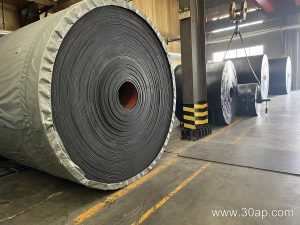
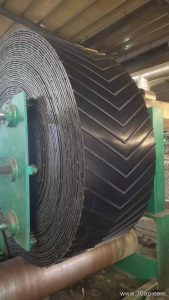
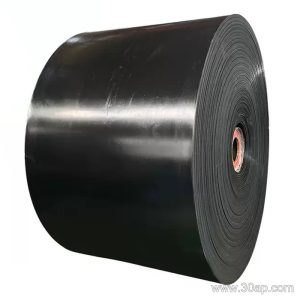
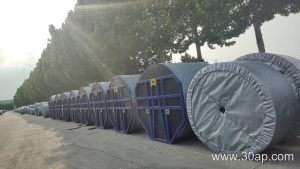
Related equipment such as the conveyor pulley and conveyor belt work together with the idlers, so a system-wide view of alignment and tension pays off. For harsh duty, pairing these idlers with a heavy-duty Mining Conveyor Belt or a Heat Resistant Conveyor Belt in cement or steel plants can improve overall reliability.