What a Belt Anti-Misalignment Idler Does
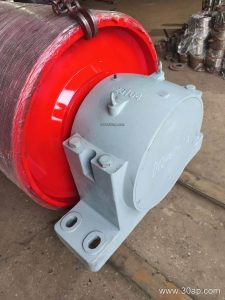
A Belt Anti-Misalignment Idler is a self-correcting idler roller installed on a conveyor to keep the belt centred as it travels. When a conveyor belt starts to drift toward one side, this idler responds by steering the belt back to the correct line instead of letting the edge rub against the frame. In a quarry, a coal washing plant, or a power plant coal yard, a small tracking error can become a serious problem: spilled material, frayed edges, and extra load on the conveyor pulley. The anti-misalignment idler is a simple mechanical answer to that problem.
The product is also known as a self-aligning idler or training idler, and both names describe the same item. It is not a drive pulley, tail pulley, or bend pulley; those are different components with different jobs. The idler only guides and supports the belt.
How the Idler Is Built
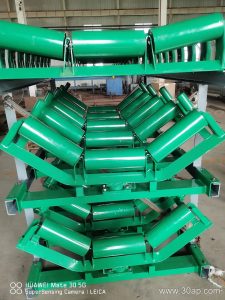
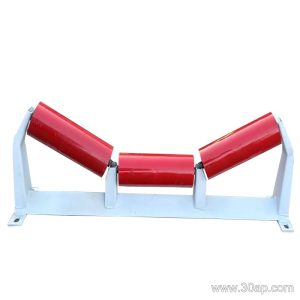
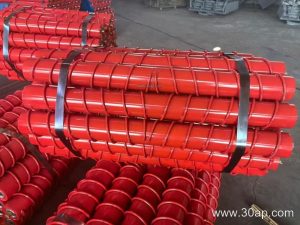
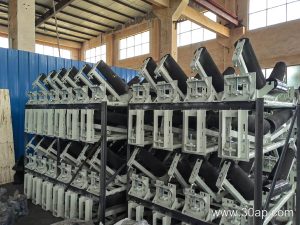
A typical unit uses a set of rollers mounted on a pivoting frame. The frame turns slightly when the belt pushes against a vertical guide roller at the edge, and that rotation angles the carrying rollers so the belt moves back toward the centre. Common constructions include friction self-aligning idlers, conical self-aligning idlers, and centre-pivot designs with two or three rolls.
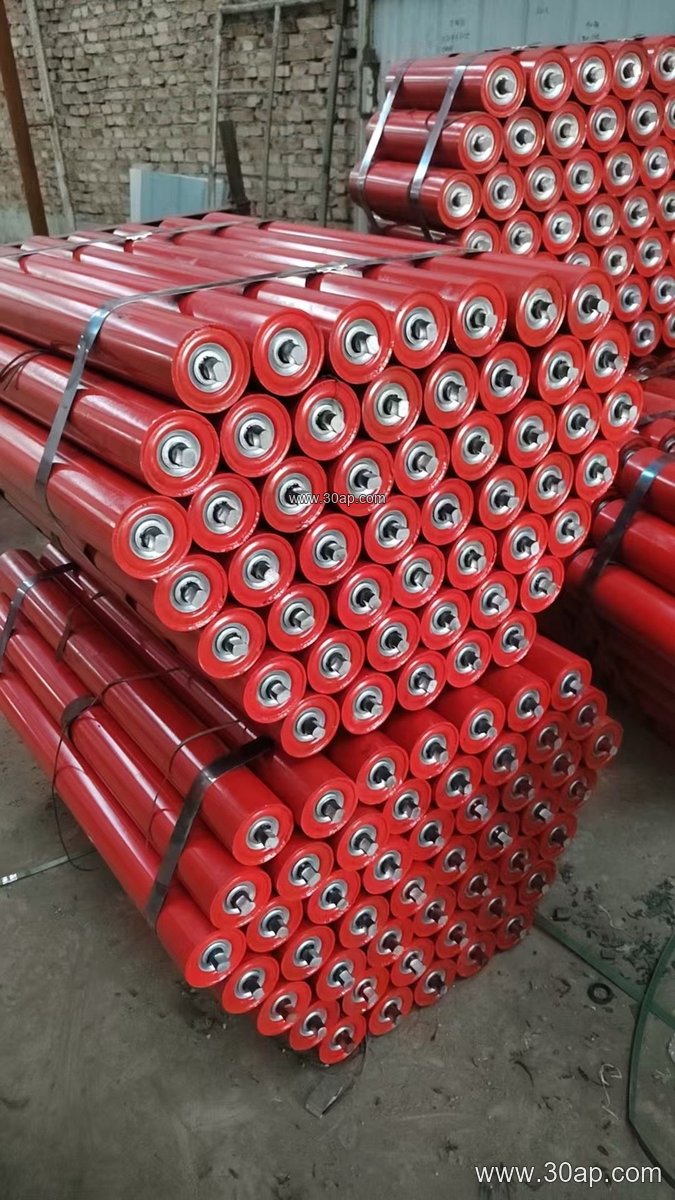
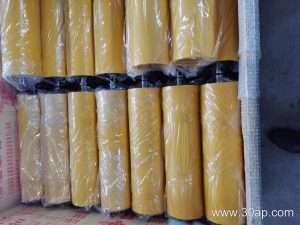
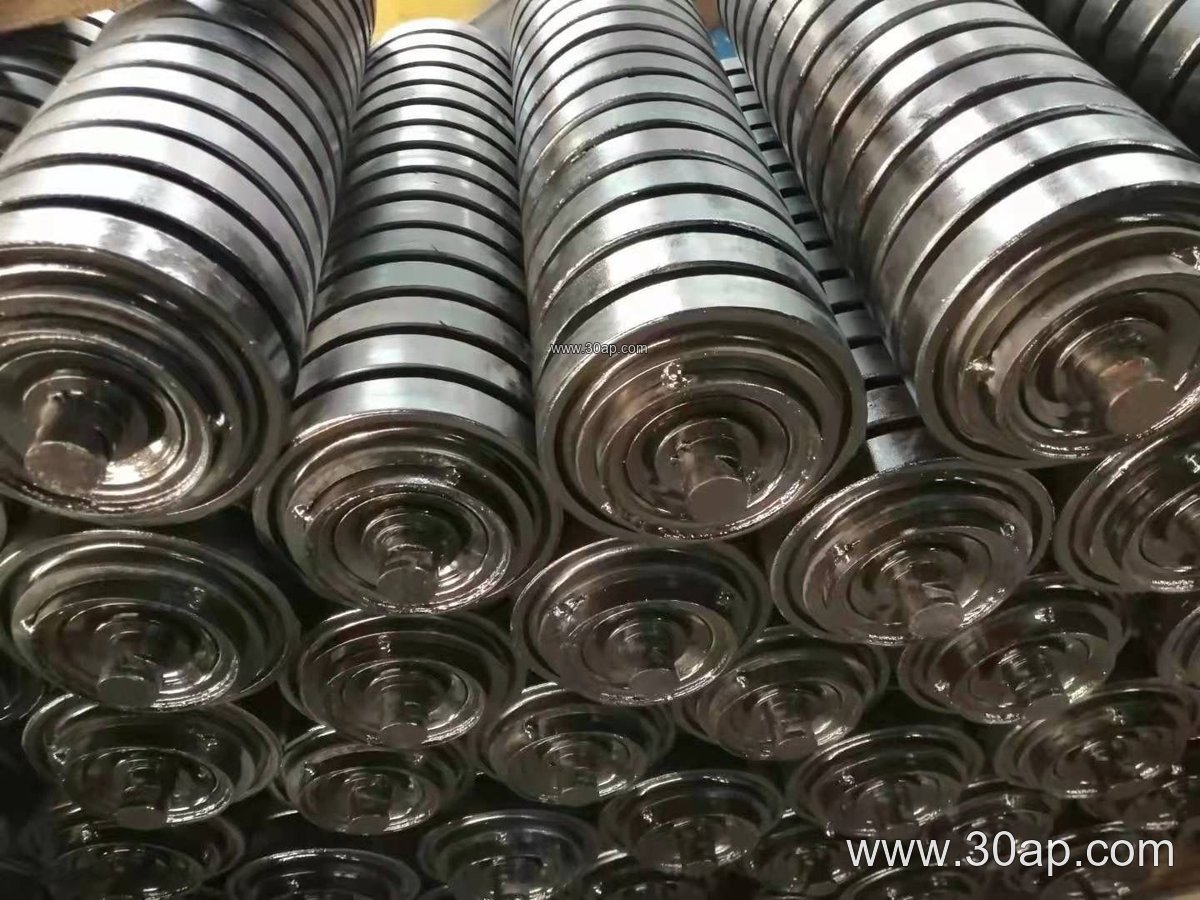
Roller shells are usually steel tube, sometimes with a rubber or ceramic surface for grip and wear resistance. Bearings such as 6204, 6205, 6305, 6306, 6308, or 6310 are common, chosen to suit the roll diameter and load rather than one fixed pairing. Trough angles of 20, 30, 35, or 45 degrees are used depending on the belt and material, and a slight forward tilt of about 1.5 to 2 degrees is sometimes built in to help training.
Where It Fits on the Conveyor
Anti-misalignment idlers are normally placed on the carrying side at intervals along the line, especially after a loading point, on long spans, and before the head pulley. Return-side training idlers are also available for the lower run. In a limestone mine or a crushing and screening circuit, they are often paired with impact idlers at the feed zone and standard troughing idlers elsewhere.
They work with the conveyor belt and the idler roller group, and they help protect the conveyor pulley and conveyor bracket from uneven side loads. On lines carrying abrasive ore or heavy aggregate, a Mining Conveyor Belt or Abrasion Resistant Conveyor Belt benefits most from steady tracking, because edge damage is reduced.
Common Reference Dimensions
The figures below are typical examples, not fixed rules. Roll length changes with belt width, trough angle, and roll arrangement, and the side rolls of a three-roll set can differ from the centre roll.
| Belt width | Typical roll length (three-roll troughing) | Common roll diameter range |
|---|---|---|
| B500 | about 200 mm | Ø63 to Ø89 mm |
| B650 | about 250 mm | Ø76 to Ø108 mm |
| B800 | about 315 mm | Ø89 to Ø127 mm |
| B1000 | about 380 mm | Ø102 to Ø133 mm |
| B1200 | about 465 mm | Ø108 to Ø159 mm |
| B1400 | about 530 mm | Ø127 to Ø178 mm |
| B1600 | about 600 mm | Ø133 to Ø194 mm |
| B1800 | about 670 mm | Ø159 to Ø219 mm |
| B2000 | about 750 mm | Ø178 to Ø219 mm |
These ranges are for guidance only. A wide belt does not force one single pulley or shaft size, and shaft diameter must be confirmed from the actual load and frame design.
Buyer Checklist
- Confirm belt width, trough angle, and whether the idler is for the carrying or return side.
- Check the roller diameter and bearing size against the existing frame and load.
- Ask about shell material and seal type for dusty or wet conditions.
- Match the training idler to the belt type, for example a Steel Cord Conveyor Belt on a long overland line or a Flame Retardant Conveyor Belt in a coal handling system.
- Plan spacing and inspection so the unit can be adjusted without stopping the whole line for long.
For cement plants, ports, and iron ore terminals, correct tracking keeps the Rubber Conveyor Belt centred and extends service life. A well-chosen Belt Anti-Misalignment Idler is a small part of the conveyor, but it protects the belt, the frame, and the pulley from avoidable wear.