What a Mining Flame Retardant Conveyor Belt Is
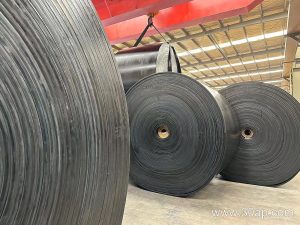
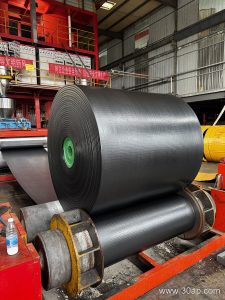
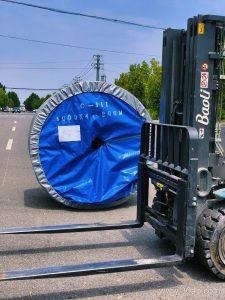
A Mining Flame Retardant Conveyor Belt is a heavy-duty rubber belt engineered to resist ignition and limit flame spread in underground and surface mining operations. It is a specific variant of the Flame Retardant Conveyor Belt family, built with cover compounds and carcass constructions that meet fire-safety expectations in coal mines, ore handling plants and other dusty, hazardous environments. The same product is also accurately described as a Mining Fire Resistant Conveyor Belt, and the two names are used interchangeably in procurement documents.
The belt is not a general-purpose rubber belt with a flame-retardant label attached. Its formulation, adhesion system and antistatic behavior are developed together so the belt performs as a system on the conveyor.
Construction and Compound Design
Most mining flame retardant belts use a fabric core, a steel cord core, or a solid-woven PVC/PVG body. Fabric-core versions commonly rely on EP or NN canvas, while steel cord versions are chosen for long overland runs and high tension. The cover rubber typically contains halogenated or halogen-free flame retardant additives, and the compound is usually formulated to be antistatic as well, so static charge does not accumulate on the belt surface.
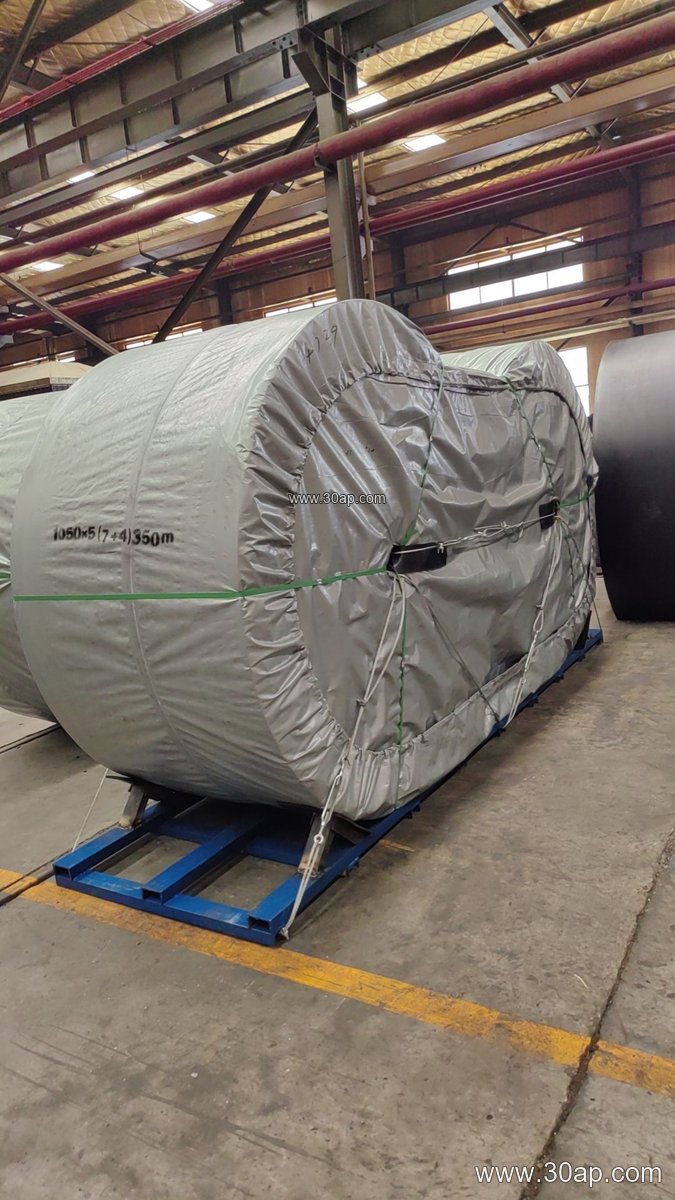
Typical construction details include:
- Top and bottom cover grades selected for abrasion, impact or oil exposure.
- 2 to 6 plies in multi-ply fabric core belts, with breaker layers where impact is severe.
- Cover thickness commonly in the 3+1.5 mm to 8+3 mm range, depending on load and lump size.
- Edge construction and splice design matched to the belt tension rating.
For underground coal work, PVG solid-woven belts are widely used because they combine flame resistance with a robust, repairable body. PVC belts appear in lighter-duty tunnels and transfer points. Neither should be confused with a general Fire Resistant Conveyor Belt intended for non-mining plants.
Where It Fits in the Mine
These belts appear on main haulage conveyors, panel belts, incline drifts, transfer conveyors and stockyard systems. In coal mines they move raw coal from the face to the preparation plant. In metal mines they carry ore from the crusher to the concentrator. Aggregate quarries, cement plants, power stations and port loading facilities also use flame retardant belts where dust, heat sources or enclosed galleries raise fire risk.
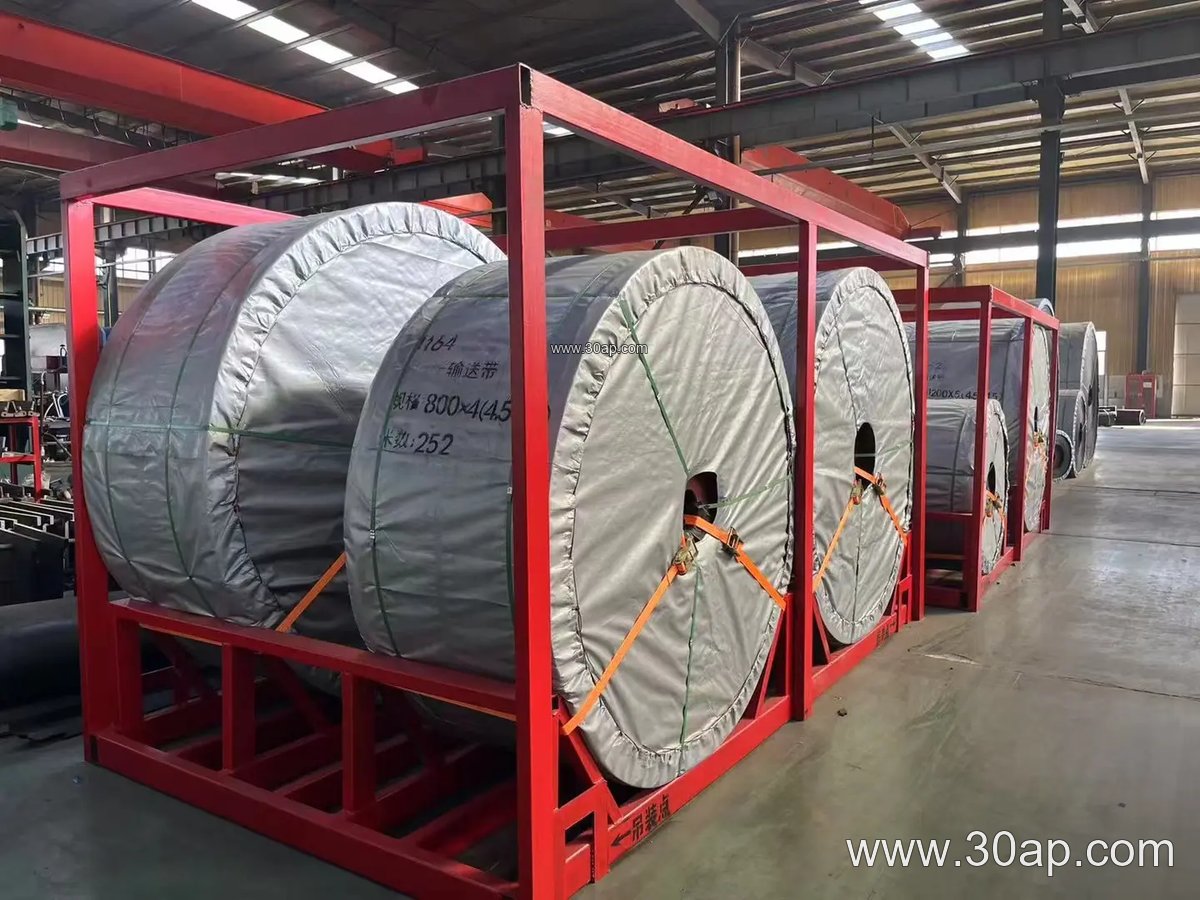
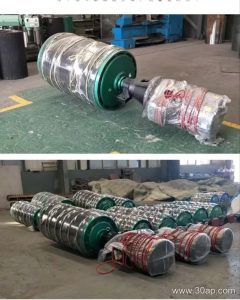
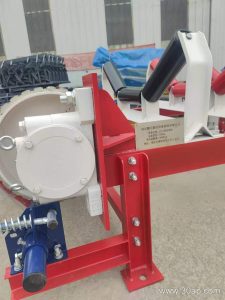
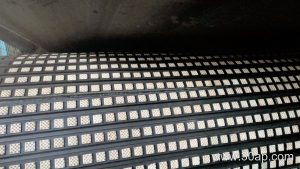
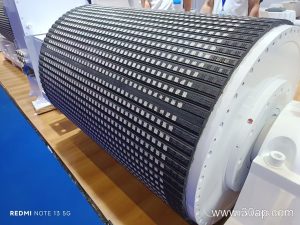
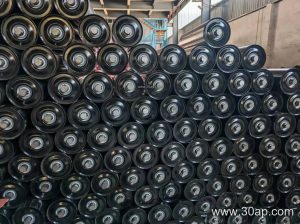
The belt works together with the rest of the conveyor: idler rollers support the loaded strand, a drive pulley transmits torque, a tail pulley returns the belt, and bend pulleys guide it through curves. Conveyor brackets and frames hold these components in alignment. A flame retardant belt does not remove the need for proper pulley lagging, training idlers or belt cleaners.
Common Specifications and Reference Data
The table below lists typical reference values. They are not universal guarantees, and final selection depends on conveyor design, load, lump size and site conditions.
| Parameter | Typical Reference Values |
|---|---|
| Belt type | EP fabric core, NN fabric core, steel cord, PVC, PVG |
| Strength grades | EP200 to EP2000; ST1000 to ST3150; PVG800, PVG800S |
| Belt width | B500, B650, B800, B1000, B1200, B1400, B1600, B1800, B2000 |
| Cover thickness | 3+1.5, 4+2, 5+2, 6+2, 8+3 mm |
| Carcass plies | Commonly 2 to 6 layers in multi-ply fabric belts |
| Surface options | Plain, chevron, corrugated sidewall, skirted |
Belt width and pulley diameter are separate design decisions. A 1200mm wide belt does not automatically dictate one drive pulley size; the pulley is selected from belt tension, wrap angle and shaft load. Buyers should share the full conveyor profile rather than a single dimension.
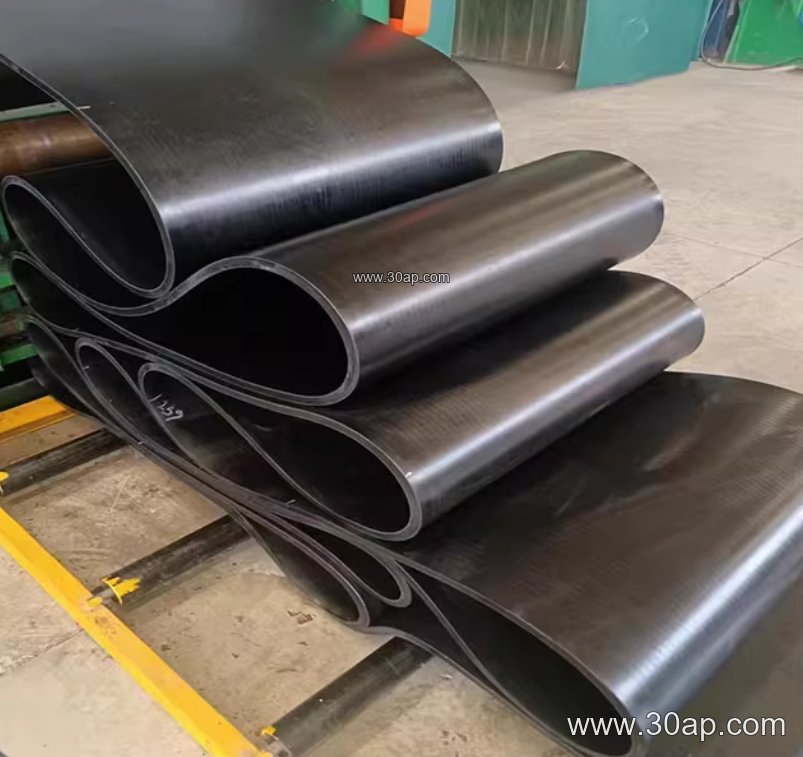
Selection Points for Buyers
Start with the material being carried: coal, iron ore, copper ore, limestone or aggregate. Then confirm the required flame resistance class, antistatic performance and any oil, heat or cold exposure. A Heat Resistant Conveyor Belt may be needed at kiln or clinker transfer points, while an abrasion resistant grade suits sharp rock. For long single-flight conveyors, steel cord construction often makes more sense than multi-ply fabric.
Ask for the splice method, edge condition and cover thickness in writing. Confirm whether the belt will run on existing idler rollers and pulleys without modification. Check that the pulley lagging and belt cleaner materials are compatible with the flame retardant cover.
Installation and Maintenance Notes
Store belts away from direct sunlight, ozone sources and standing water. During installation, keep the belt aligned with the tail pulley and drive pulley before tensioning. Inspect idler rollers for seized bearings, since a hot roller is a fire risk regardless of belt grade. Check splice integrity at scheduled shutdowns and monitor cover wear at loading points.
For a complete conveyor review, combine belt inspection with pulley lagging checks, frame and conveyor bracket condition, and belt cleaner adjustment. A well-matched Mining Conveyor Belt lasts longer when the whole system is maintained together.