What an Impact Idler Bracket Does
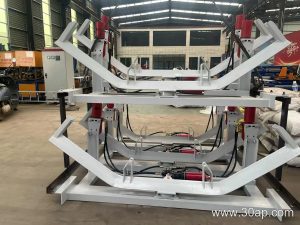
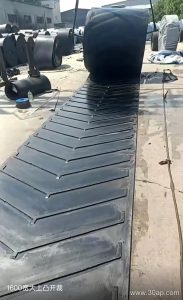
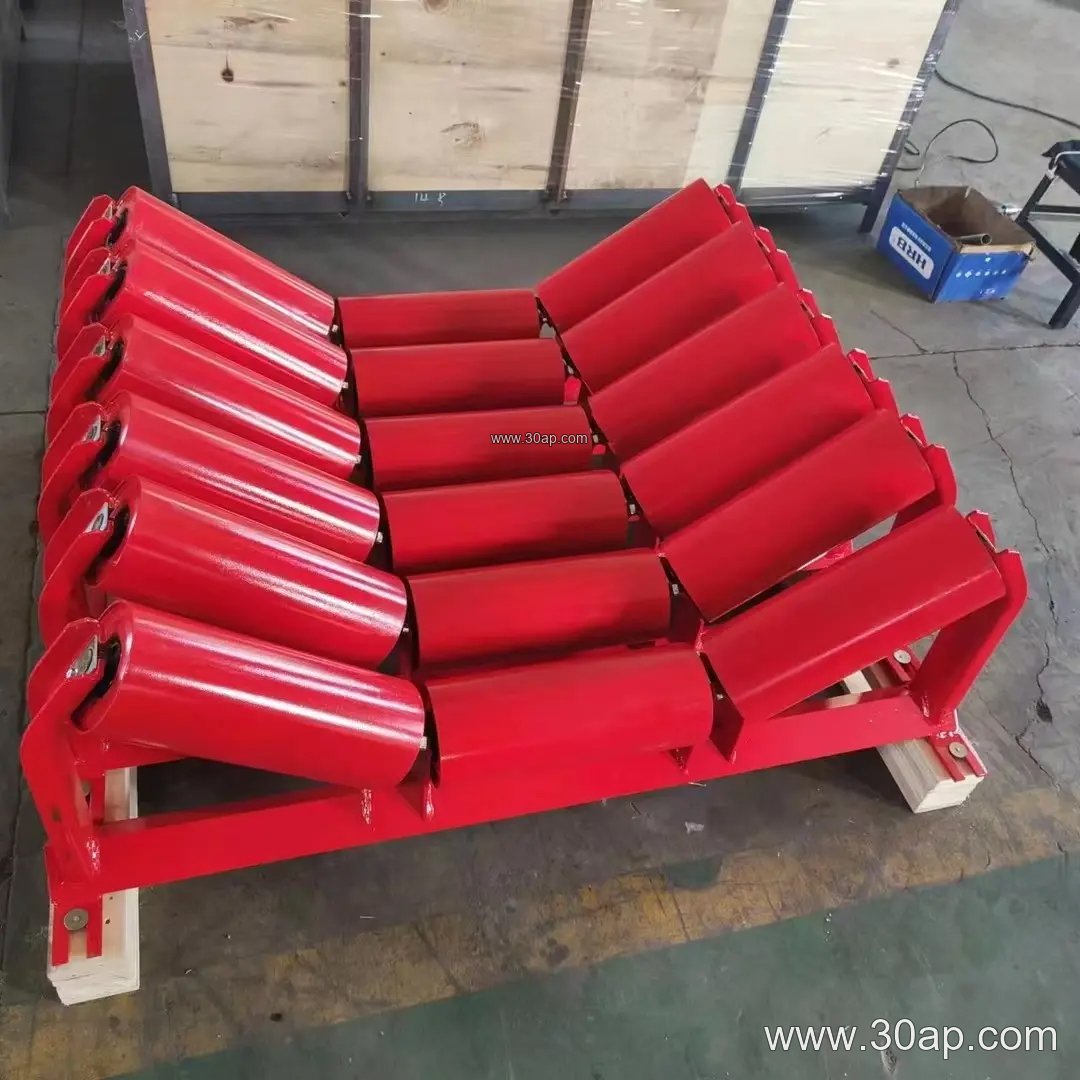
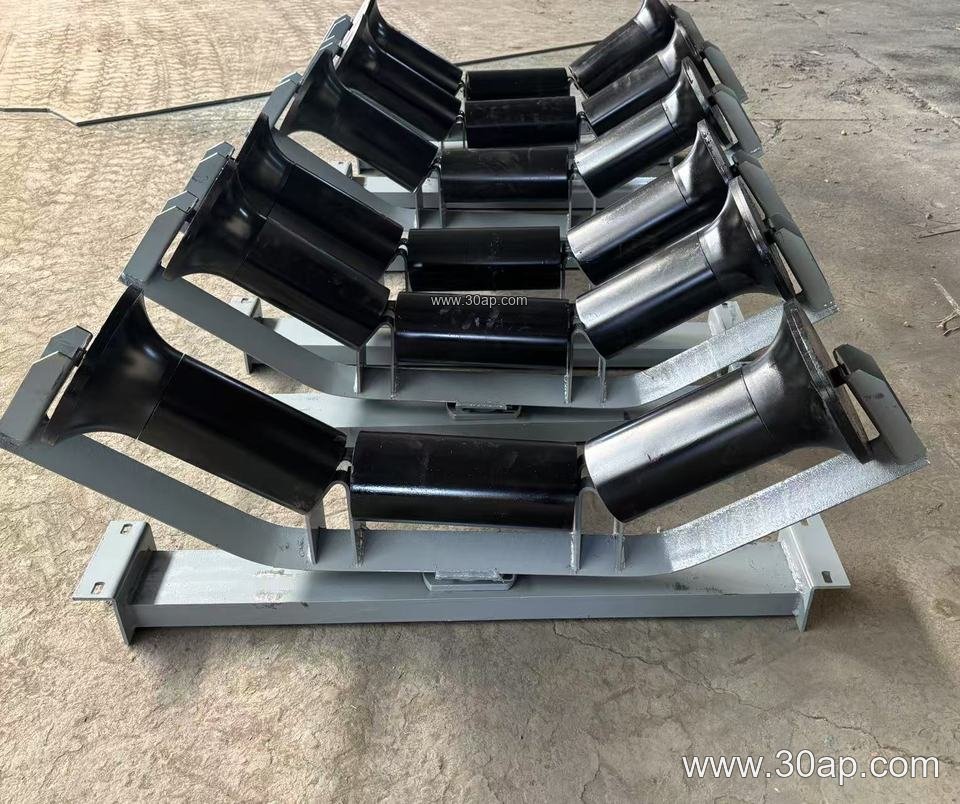
An impact idler bracket is the support structure that holds impact idler rollers at the loading point of a conveyor belt. It absorbs the force of falling material and keeps the rollers aligned under the belt. In quarries, coal preparation plants, and crushing circuits, the bracket pairs with a heavy-duty conveyor belt to protect the belt surface from sharp rock and ore. The bracket is not a pulley: it is a stationary frame, while a conveyor pulley drives or redirects the belt. A conveyor bracket for impact duty is usually reinforced compared with a standard carrying bracket.
Construction and Mounting Position
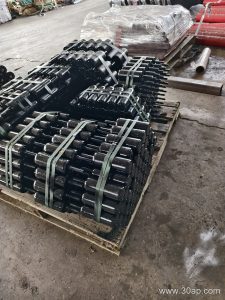
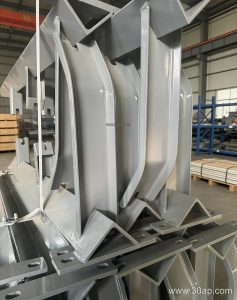
Most impact idler brackets are fabricated from angle steel, channel steel, or folded steel plate. The frame has mounting holes that match the conveyor stringer spacing, and the top surface carries the impact roller shafts. Rubber rings or cushioning pads are often fitted on the rollers, not on the bracket itself. The bracket sits directly under the chute or transfer point, where the conveyor belt receives the material load. Some designs are fixed, while an adjustable bracket can change the trough angle to suit the belt profile. For comparison, a bend pulley changes belt direction, but an impact bracket only supports the belt at the load zone.
Common Configurations and Reference Dimensions
Belt width, trough angle, and roller diameter are selected together, not as a fixed formula. The table below shows typical reference combinations for impact idler brackets. These are design examples, not mandatory matches or company supply promises.
| Belt Width | Trough Angle | Roller Diameter | Typical Bracket Material |
|---|---|---|---|
| B500 | 20° or 30° | Ø89 | Angle steel |
| B650 | 30° | Ø89 or Ø108 | Angle steel or channel steel |
| B800 | 35° | Ø108 | Channel steel |
| B1000 | 35° or 45° | Ø108 or Ø133 | Folded steel plate |
| B1200 | 45° | Ø133 | Channel steel |
| B1400 | 35° or 45° | Ø133 or Ø159 | Folded steel plate |
| B1600 | 45° | Ø159 | Channel steel |
| B1800 | 35° or 45° | Ø159 or Ø194 | Folded steel plate |
| B2000 | 45° | Ø194 | Channel steel |
Installation hole spacing and crossbeam length change with belt width and trough angle. Always confirm these dimensions against the conveyor drawing before ordering.
Where Impact Brackets Are Used
Impact idler brackets are common in stone crushing plants and aggregate conveyor lines, where large lumps drop onto the belt. They also appear in iron ore transfer stations, cement plant clinker load points, and power plant coal handling systems. In these locations, an abrasion resistant conveyor belt and a properly rated impact bracket work together to reduce belt damage. The bracket is not a substitute for a conveyor pulley or a bend pulley; each component has a separate role in the conveyor system.
Selection and Maintenance Notes
Choose an impact bracket that matches the belt width, the trough angle required by the conveyor profile, and the shaft diameter of the impact roller. For heavy impact, a fixed bracket with thicker steel is often preferred; for lines that need adjustment, an adjustable bracket allows the trough angle to be changed within a range such as 20° to 45°. Check the bracket for loose bolts, bent crossbeams, and worn mounting holes during routine inspections. Replace damaged brackets before they misalign the idler roller and cause belt edge wear. For related conveyor components, see conveyor idler roller and conveyor pulley.