What a 600mm Conveyor Belt Is
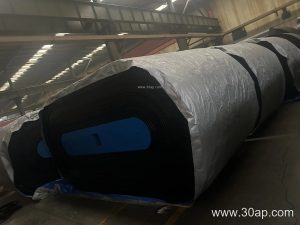
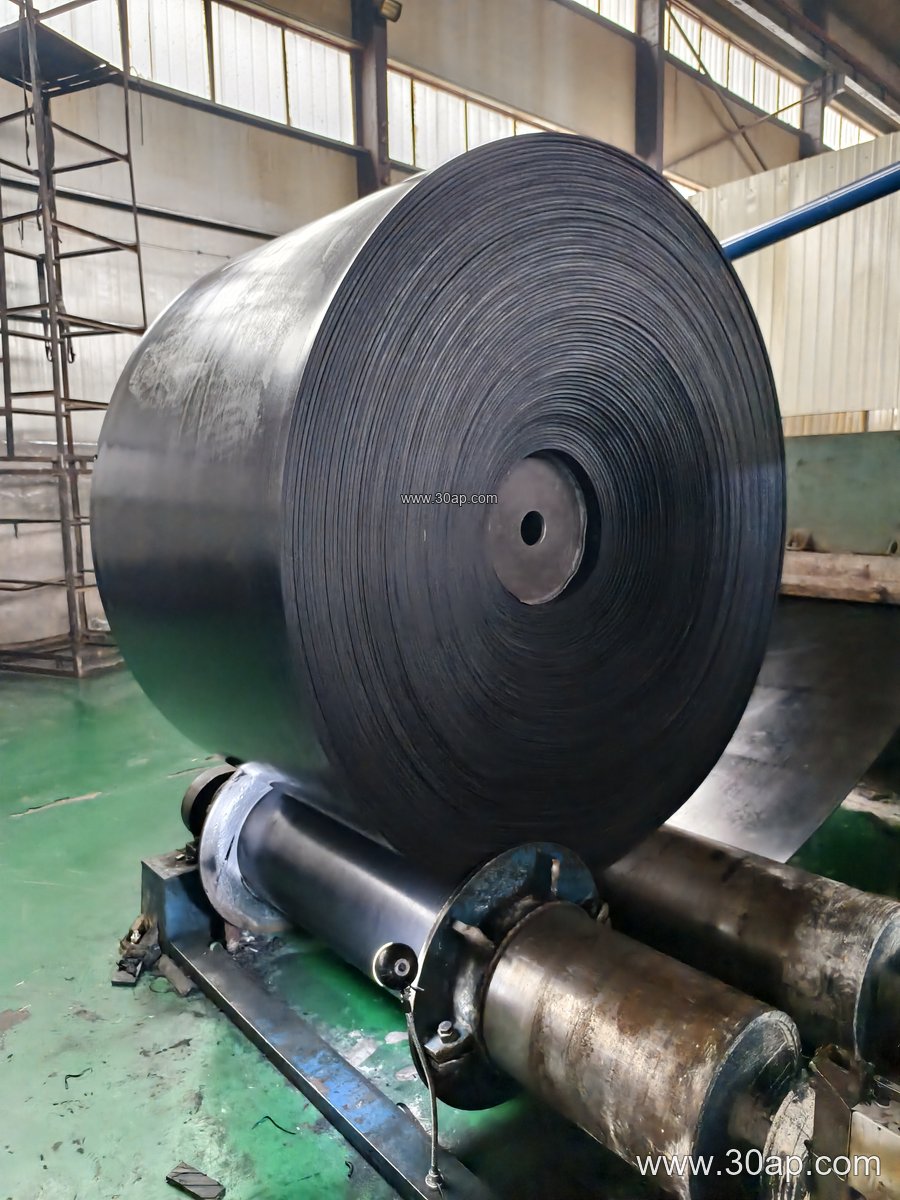
A 600mm conveyor belt is a standard-width belt with a nominal 600 mm (roughly 24 in) carrying surface, commonly written as B600 in specification sheets. It sits in the middle of the narrow-to-medium range, bridging the small belts used on short transfer lines and the wider belts found on main trunk conveyors. Because the width is so widely standardized, a 600mm belt can be matched to a broad family of pulleys, idler rollers, and conveyor brackets, which makes it a practical choice for plants that want straightforward spare-part planning.
The belt itself is a composite: a tension-carrying carcass, top and bottom rubber covers, and usually an edge treatment. Buyers often search for a rubber conveyor belt in this width for general duty, while heavier duties push the specification toward higher-strength carcasses.
Construction and Common Specifications
Most 600mm belts are built on a fabric core or a steel cord carcass. Fabric core types include EP (polyester-cotton) and NN (nylon-nylon) constructions, typically with 2 to 6 plies. Steel cord belts are used when the conveyor is long or the duty is severe. Cover thickness is usually quoted as top plus bottom, for example 4+2 mm or 5+2 mm, and the right grade depends on the material being carried.
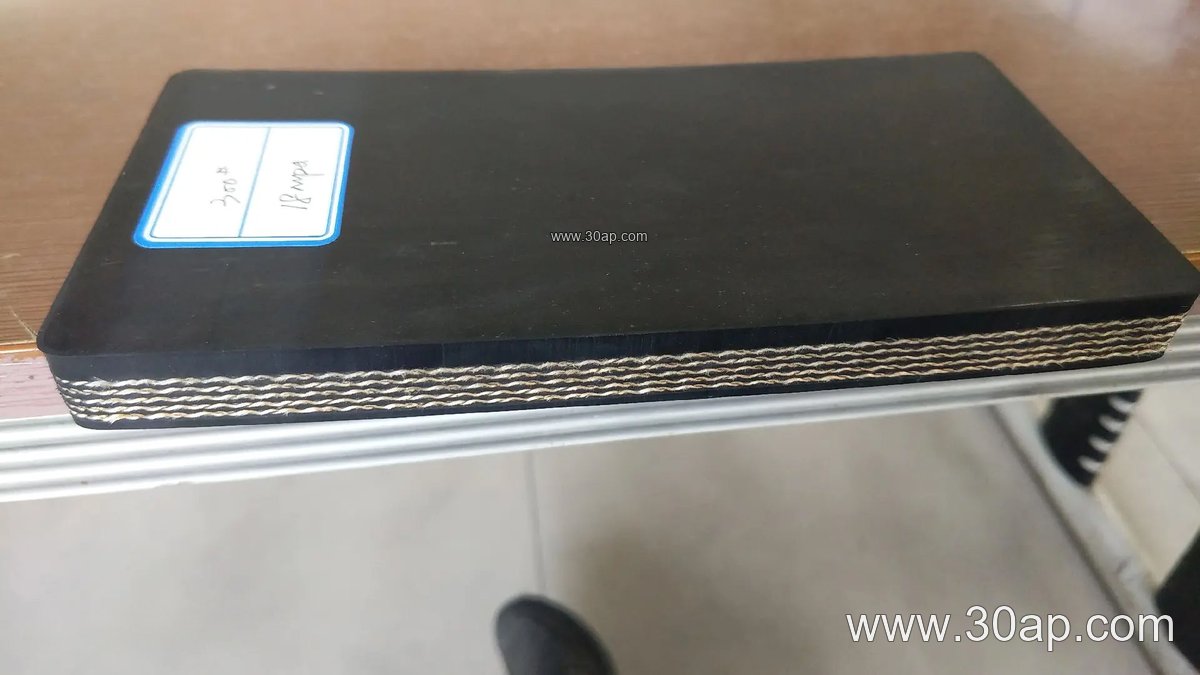
The table below collects typical reference values; actual figures are set by the conveyor design and by each manufacturer.
| Parameter | Common options (reference) |
|---|---|
| Belt width | 600 mm (B600) |
| Carcass type | EP fabric, NN fabric, steel cord |
| Strength grade | EP200, EP315, EP400, EP500, EP630, EP800 |
| Ply count | 2 to 6 plies (fabric core) |
| Cover thickness | 3+1.5 mm, 4+2 mm, 5+2 mm, 6+2 mm |
| Surface forms | Smooth, chevron, corrugated sidewall, skirted |
Surface form matters as much as width. A plain belt handles most horizontal runs; a chevron conveyor belt adds grip on inclines; a corrugated sidewall version contains material on steep or space-limited routes. Heat, oil, abrasion, cold, and flame resistance are separate cover decisions, and a belt can carry more than one of these properties.
Where 600mm Belts Fit in Mining, Cement, and Power Plants
In a mine or quarry, a 600mm belt often serves as a gathering or transfer belt feeding a crusher, a screen, or a larger main line. It is small enough to fit confined galleries yet wide enough to move a useful tonnage of ore, rock, or aggregate. In a cement plant it may carry clinker, limestone, or additives between silos and mills. In a coal-fired power plant it can handle coal from a stockpile or a reclaim hopper.
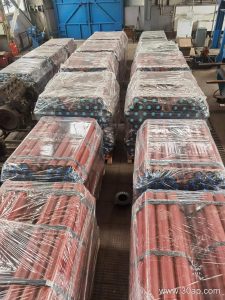
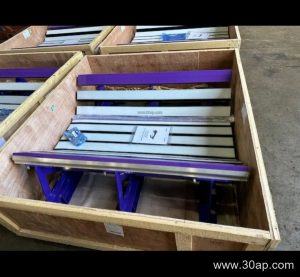
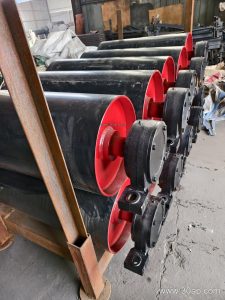
Because the belt is narrow, the supporting hardware is compact: the troughing idler roller sets, the conveyor pulley at the drive and tail, and the conveyor bracket assemblies are all sized for the load rather than for the belt alone. A 600mm belt should never be assumed to require one fixed pulley diameter; drive, tail, and bend pulleys are separate positions with separate duties, and each is sized from the conveyor’s tension and wrap requirements.
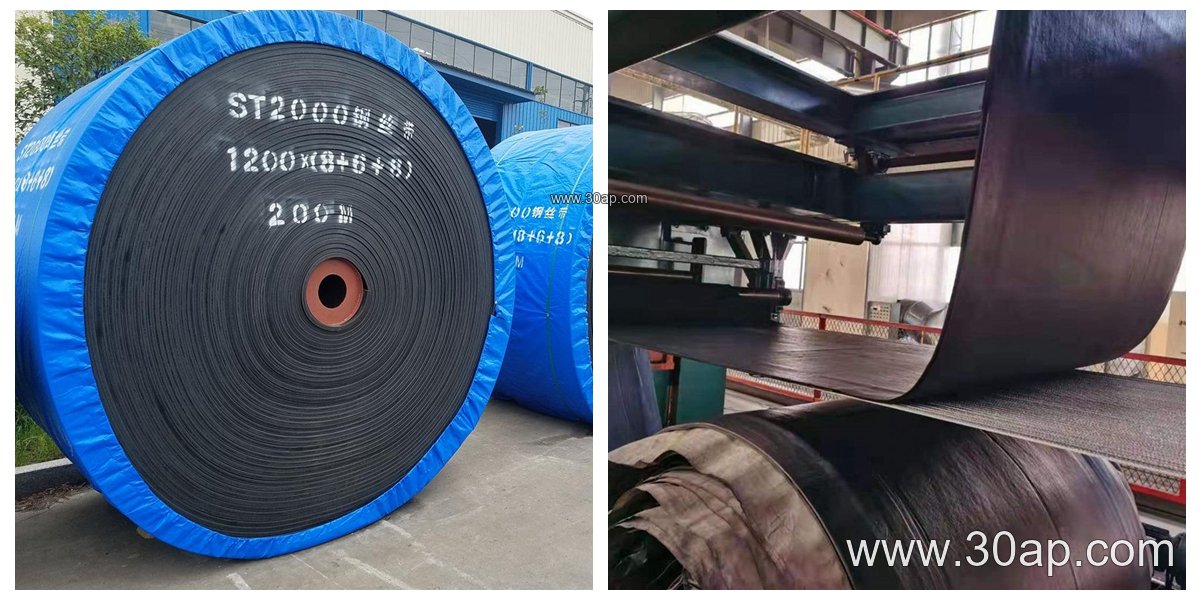
Selecting the carcass grade is where many projects go wrong. A short run may be fine with EP200 or EP315, while a long, heavily loaded line may need EP630 or above, or a steel cord belt. For underground coal work, flame-retardant and anti-static grades such as PVG constructions are usually specified. In dusty or wet conditions, an abrasion resistant cover extends service life.
Buyer Checklist Before Ordering
- Confirm the actual carrying width and whether 600 mm is the belt width or the pulley face width.
- State the material, lump size, temperature, and moisture so the cover grade and carcass can be matched.
- Give the conveyor length, incline, capacity in tonnes per hour, and trough angle.
- Decide the splice method: vulcanized endless or mechanical fasteners, since this affects the belt’s construction and delivery form.
- Check the drive, tail, and bend pulley dimensions and the idler roller spacing against the belt’s rated tension.
A 600mm belt is not automatically the right choice for every line. Where capacity is low, a 500mm belt may suffice; where tonnage is high, a 650mm or 800mm unit may be more economical. The width should follow the duty, not the other way around.
Finally, ask for the manufacturer’s data sheet for the exact grade quoted, including ply count, cover thickness, and recommended minimum pulley diameter. Those figures, not a generic rule of thumb, should drive the final purchase.