What Is a Carbon Steel Conveyor Bracket
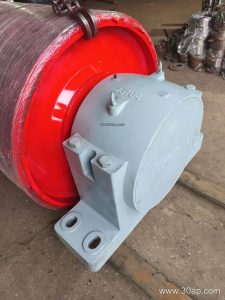
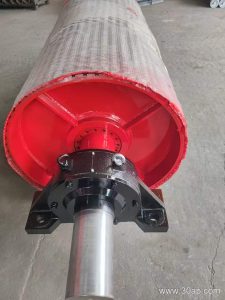
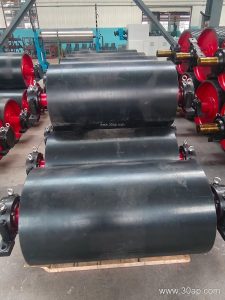
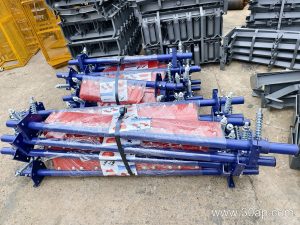
A carbon steel conveyor bracket is the structural component that holds idler rollers in position along a conveyor system. Often called a carbon steel conveyor support bracket, it provides the mounting base that keeps the belt path stable from loading point to discharge. In quarries, coal handling plants, and cement lines, these brackets are the quiet workhorses that determine how well a conveyor belt tracks and how long rollers last.
How the Bracket Is Built
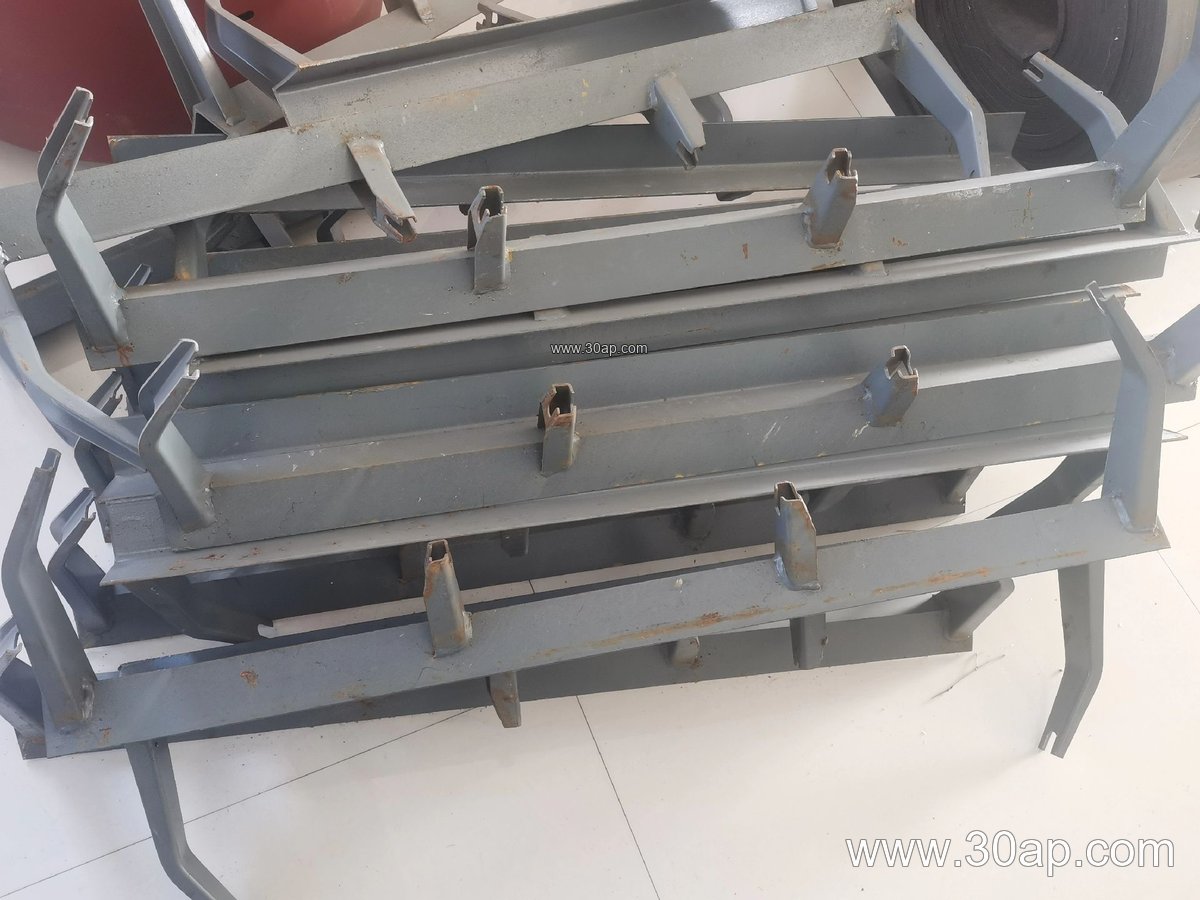
Most brackets are fabricated from angle steel, channel steel, or bent steel plate. The choice of material and thickness depends on the load and the environment. A typical carbon steel bracket for a B800 conveyor might use 5 mm bent plate, while a B1400 heavy-duty application could call for 8 mm or thicker channel sections. The bracket includes mounting slots or holes for the idler shaft, and the hole spacing changes with belt width and trough angle.
The surface is usually painted or galvanized to resist corrosion. In dusty or wet conditions, such as a wash plant or port terminal, galvanized or powder-coated finishes are common. The bracket must be rigid enough to prevent flexing under load, because any movement translates directly into belt misalignment and edge wear.
Common Types and Where They Fit
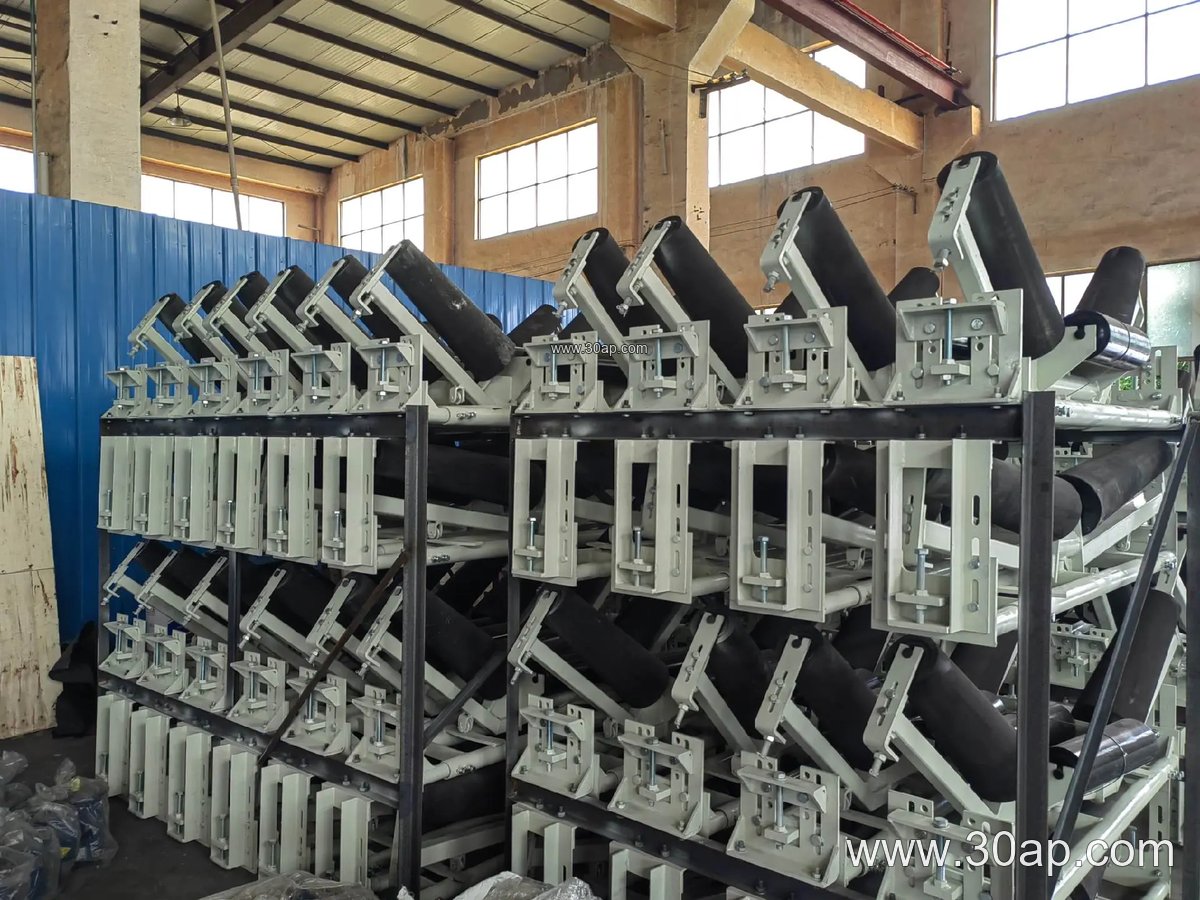
Brackets are not one-size-fits-all. The troughing bracket carries the upper idlers and sets the trough angle. Return brackets support the lower run, and V-return brackets help center the belt on the return side. Transition brackets ease the belt from flat to troughed profile near pulleys. Adjustable brackets allow the trough angle to be changed on site, which is useful when material characteristics vary.
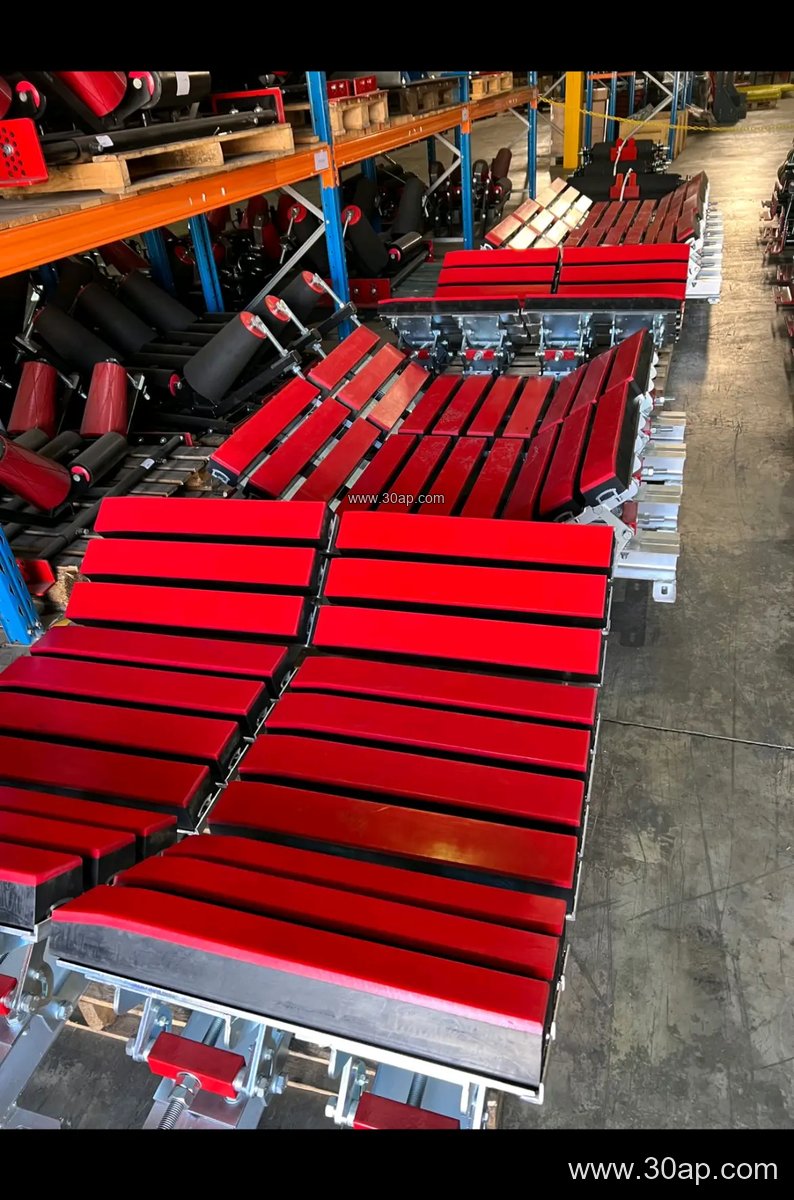
- Troughing bracket: holds three-roller sets at 20°, 30°, 35°, or 45°
- Return bracket: supports flat or V-shaped return idlers
- Impact bracket: reinforced for loading zones under crushers
- Self-aligning bracket: allows slight pivot to correct belt drift
For a B1000 conveyor with 35° troughing and Ø108 idlers, the bracket must match the roller frame dimensions. A B1200 system running 45° and Ø133 rollers will need a wider, heavier bracket. These combinations are design choices, not fixed rules; the same belt width can work with different trough angles and roller diameters depending on the conveyor layout.
Installation and Maintenance Notes
Proper installation starts with aligning the bracket to the conveyor centerline. Bolts should be tightened to the specified torque, and shims used where the frame is not level. In coal mining or iron ore operations, brackets are exposed to abrasive dust and occasional impact; checking for loose bolts and bent ears during routine inspections prevents bigger problems. A bent bracket can cause the idler to sit off-angle, which quickly wears the conveyor belt edge and can lead to tracking issues.
When replacing a bracket, match the mounting hole pattern and the roller shaft diameter. Do not assume that a bracket from a B650 line will fit a B800 frame. The crossbeam length and hole spacing are specific to the belt width and trough angle. For a B1400 conveyor with 45° troughing, the bracket is substantially wider than for a B800 at 30°.
Selection Tips for Buyers
Buyers should specify the belt width, trough angle, roller diameter, and mounting dimensions when ordering. Common belt widths include B500, B650, B800, B1000, B1200, B1400, B1600, and B1800. Roller diameters such as Ø89, Ø108, Ø133, Ø159, and Ø194 are standard, but the bracket must be matched to the actual roller shaft. In dusty or corrosive plants, consider galvanized or painted finishes. For high-impact zones under crushers, use reinforced impact brackets rather than standard troughing brackets.
Also consider the conveyor environment. A flame retardant conveyor belt in an underground coal mine may require brackets with specific fire-resistant coatings, while a heat resistant conveyor belt in a cement kiln area needs brackets that can withstand radiant heat without warping. In food or fertilizer handling, smooth, cleanable surfaces matter. The bracket itself is simple, but matching it to the belt and roller system is what keeps the line running.
Final Thoughts
Carbon steel conveyor brackets are small components with a large influence on conveyor reliability. Whether the application is a quarry, a power plant coal yard, or a sand and gravel line, choosing the right bracket type, material thickness, and mounting pattern pays off in fewer belt tracking problems and longer roller life. Use the belt width, trough angle, and roller diameter as your starting point, and confirm dimensions with the conveyor frame drawing before ordering.