What a Five-Roll Idler Bracket Does
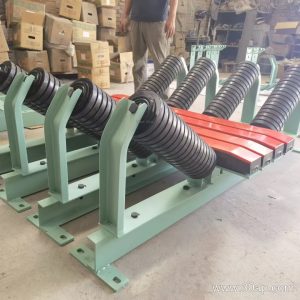
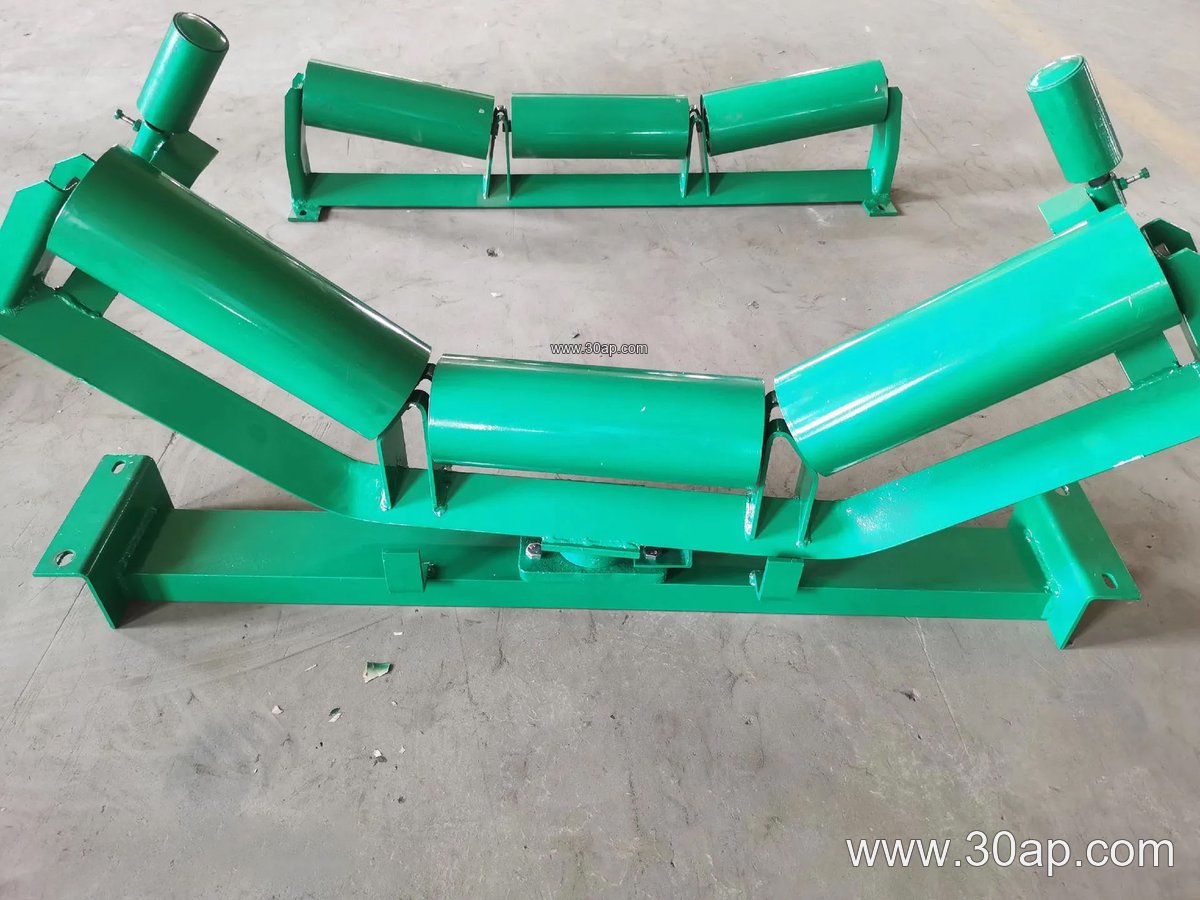
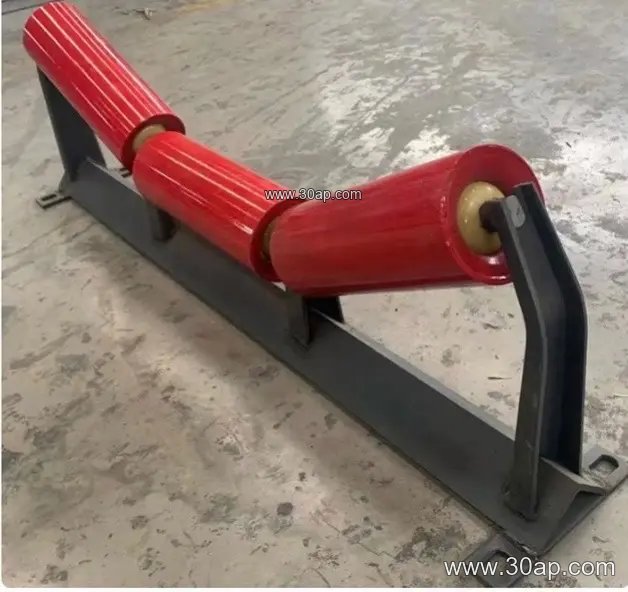
A five-roll idler bracket is a support frame that carries five idler rollers under the conveyor belt. It is typically used on the carrying side of a belt conveyor where the material load is heavy or where the belt needs extra guidance. Instead of the usual three-roll trough, the five-roll arrangement spreads the load across more rollers, which can reduce point pressure on the belt and help keep the trough shape stable in demanding service. In quarry and aggregate lines, cement plants, and iron ore operations, this bracket is often chosen when a standard three-roll set is not enough to control belt sag or edge wear.
How the Bracket Is Built
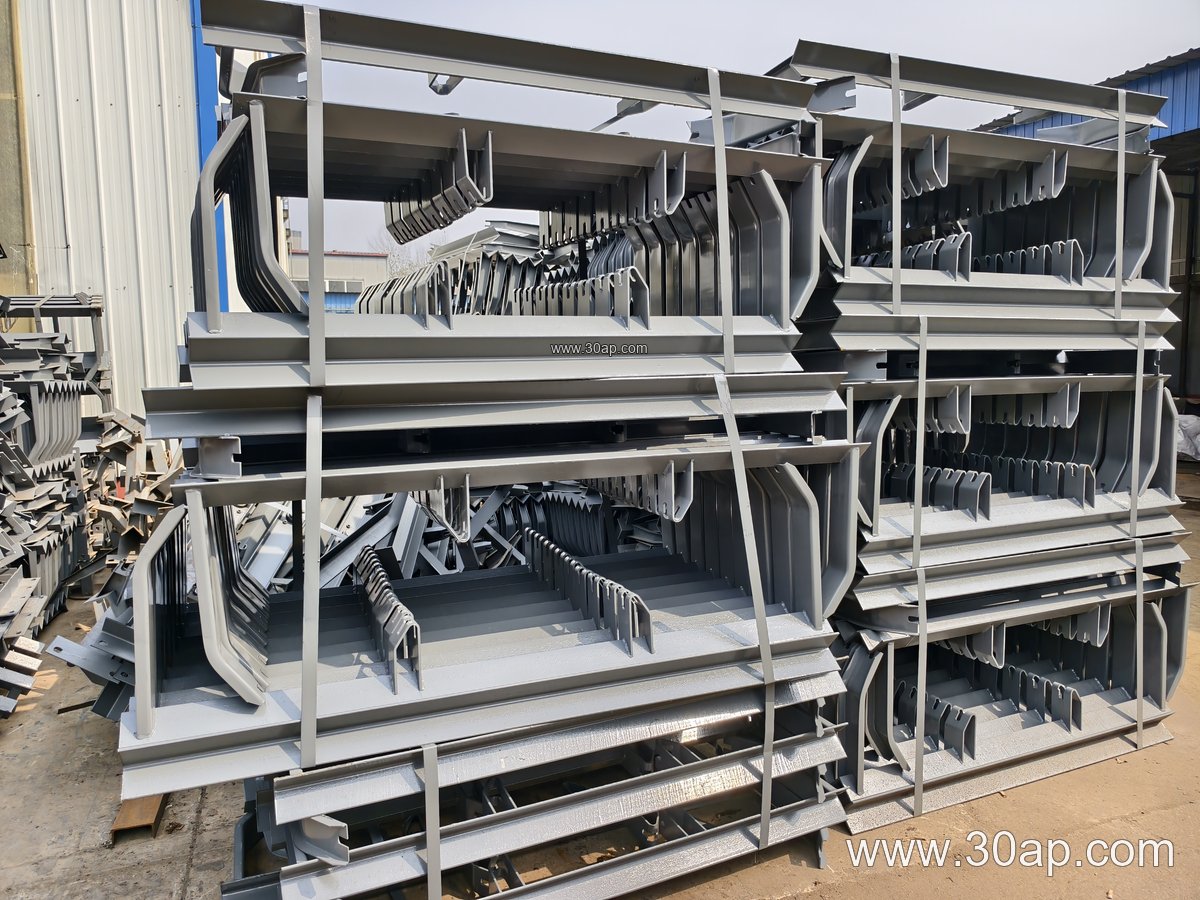
The frame is usually fabricated from angle steel, channel steel, or folded steel plate. The five roll stations are positioned to form a shallow or deep trough, depending on the conveyor design. Common trough angles include 20, 30, 35, and 45 degrees; a five-roll bracket may use a combination of angles across the five positions to create a smoother transition for the belt. The bracket mounts to the conveyor stringer or cross beam, and the mounting hole spacing and beam length are determined by belt width, trough angle, and roller diameter. Buyers should confirm these dimensions with the conveyor designer rather than assuming a fixed fit.
Where It Fits in the Conveyor System
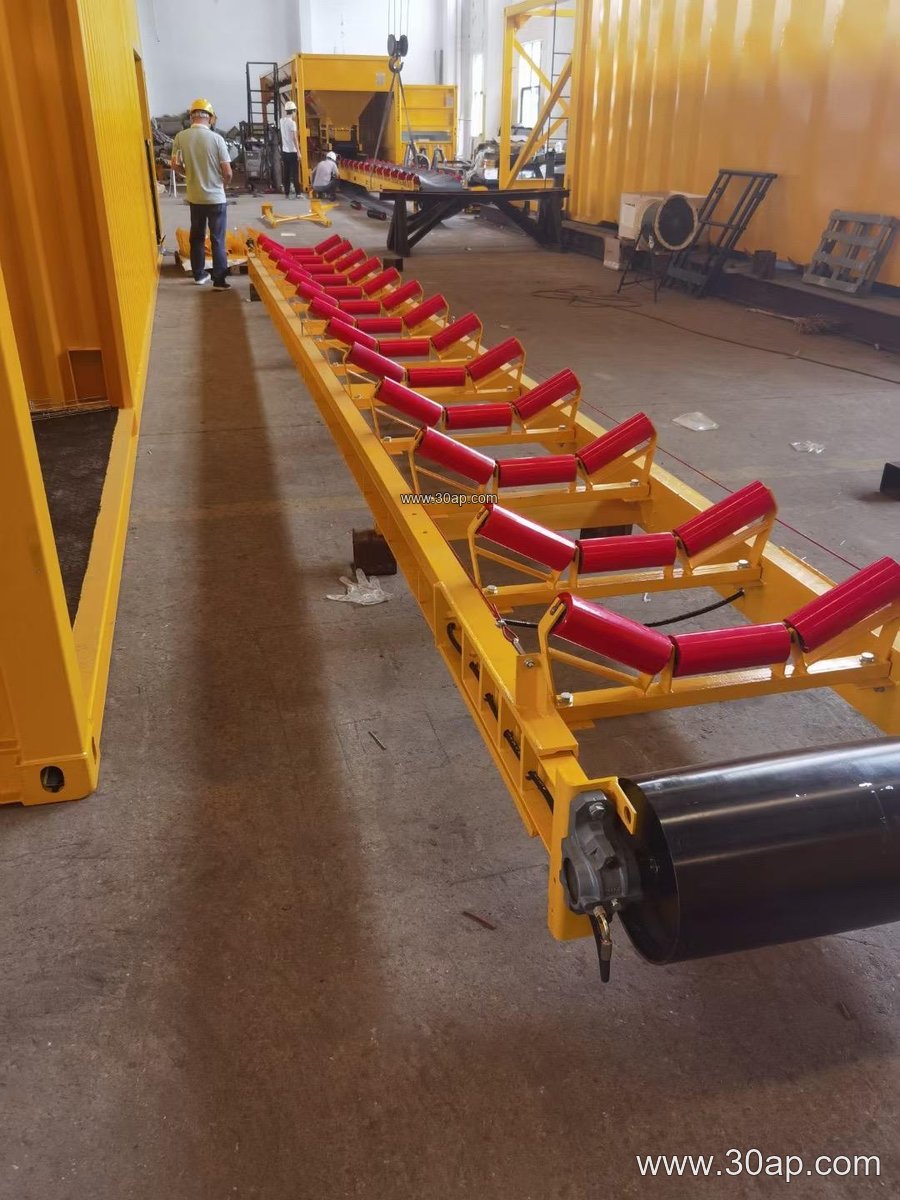
This bracket belongs to the carrying idler group, not to the drive, tail, or bend pulleys. It works together with the conveyor belt, idler rollers, and conveyor pulley to keep material moving without spillage. In a coal mining conveyor or a power plant coal handling line, a five-roll bracket can be used in load zones where the belt receives material from a crusher or transfer chute. In a sand and gravel plant, it may appear on the main haulage belt after screening. The extra roll positions can also help with belt training when the belt has a tendency to wander, though a dedicated self-aligning bracket is still the correct choice for severe misalignment.
Common Configurations and Reference Data
The table below shows typical combinations of belt width, trough angle, and roller diameter for five-roll idler brackets. These are reference values, not a fixed catalog or a supply promise. Actual selection depends on belt speed, material density, lump size, and the conveyor profile.
| Belt Width | Trough Angle | Roller Diameter | Typical Use |
|---|---|---|---|
| B650 | 30 degrees | Ø89 | Light to medium aggregate duty |
| B800 | 35 degrees | Ø108 | Sand and gravel, cement raw material |
| B1000 | 35 degrees | Ø133 | Coal handling, ore transfer |
| B1200 | 45 degrees | Ø133 | Heavy ore, high capacity lines |
| B1400 | 45 degrees | Ø159 | Large quarry and port conveyors |
| B1600 | 35 to 45 degrees | Ø159 or Ø194 | Mining and bulk terminal service |
The bracket may be fixed or adjustable. An adjustable five-roll idler bracket allows the trough angle to be changed within a range, which is useful during commissioning or when the belt needs fine tuning. Fixed brackets are simpler and often preferred where the conveyor design is already settled.
What Buyers Should Check
Before ordering, confirm the belt width, the required trough angle, and the roller diameter. Check the mounting hole distance and the cross beam length against the conveyor drawing. For abrasive materials such as iron ore or limestone, the bracket should be sturdy enough to resist vibration and impact. In coal mining or underground service, flame retardant and anti-static properties are usually specified for the belt, and the bracket material should suit the environment. A five-roll bracket is not a replacement for a transition bracket or a buffer bracket; each has its own place in the conveyor layout. If the belt is a steel cord conveyor belt or a heavy-duty EP conveyor belt, the roller spacing and bracket strength should be reviewed together with the belt tension. For high-abrasion service, an abrasion resistant conveyor belt may be paired with the five-roll support to reduce wear at the trough edges.
Maintenance Notes
Inspect the bracket for loose bolts, bent frames, and worn roller seats. A five-roll bracket has more mounting points than a three-roll set, so alignment should be checked after any roller change. Keep the idler rollers turning freely; a seized roller can load the bracket unevenly and damage the belt edge. In dusty plants, clean the bracket area during scheduled shutdowns to prevent material build-up from changing the trough profile.