What a Conveyor Return Idler Does
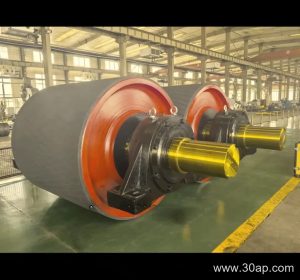
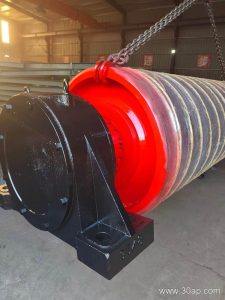
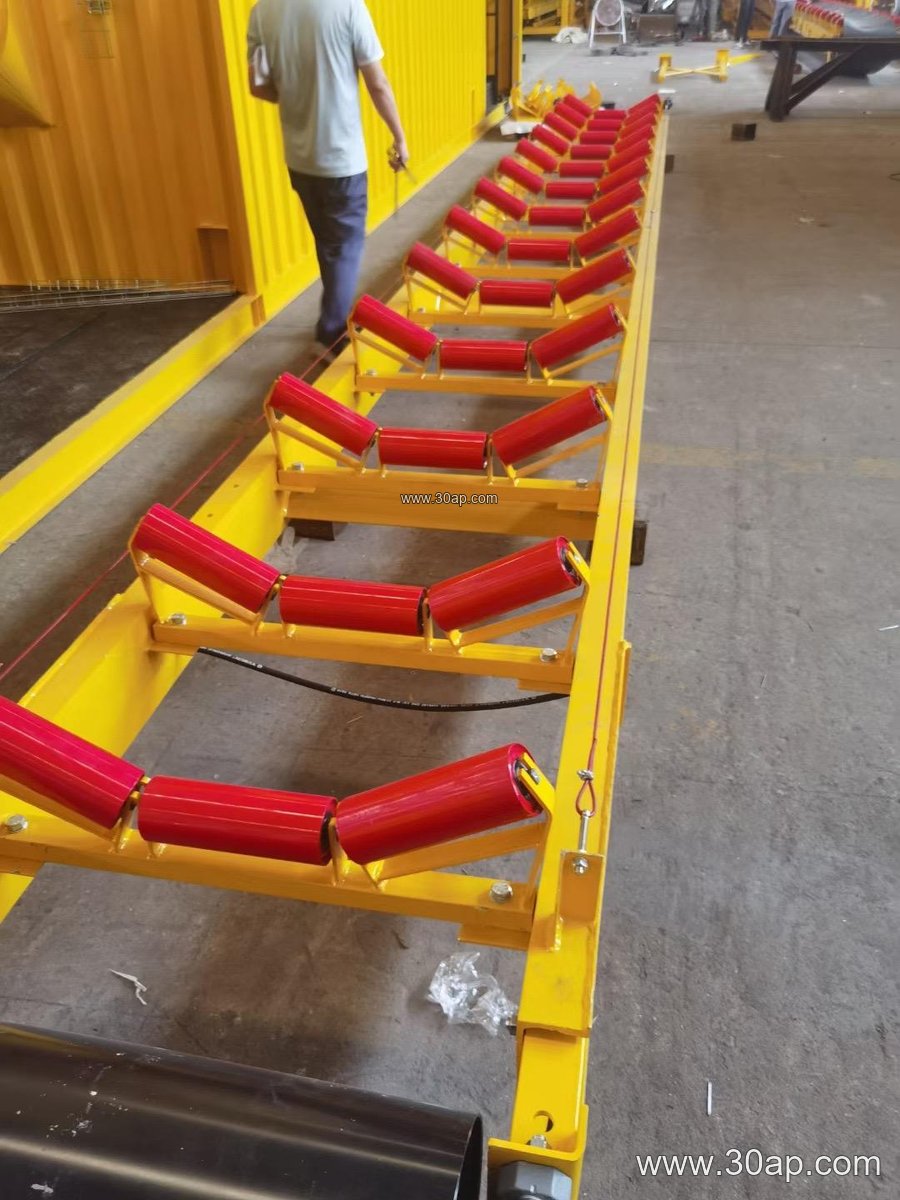
The conveyor return idler carries the empty side of the belt on its way back to the tail end. After material has been discharged, the belt needs steady support so it does not sag, rub against the frame, or wander off line. In a typical conveyor structure, the carrying side uses troughing idlers, while the return side uses a flat return roller or a V-shaped return idler set. The return idler is a distinct component from a conveyor pulley; the drive pulley, tail pulley, and bend pulley transmit or redirect belt tension at the ends and bends, and they are not interchangeable with return idlers.
Because the return run is often ignored during design checks, a poorly chosen return idler can become a hidden source of belt wear, misalignment, and downtime in a quarry, a cement plant, or a power plant coal handling line.
Construction of a Return Idler
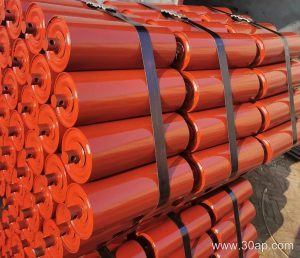
A return idler roller is usually built around a steel tube shell, with bearing housings pressed into each end and a shaft running through the assembly. Seals protect the bearings from dust and moisture, which matters greatly in stone crushing circuits and aggregate yards where fines are everywhere. Roller surfaces may be plain steel, nylon, or covered with rubber rings for gentler contact.
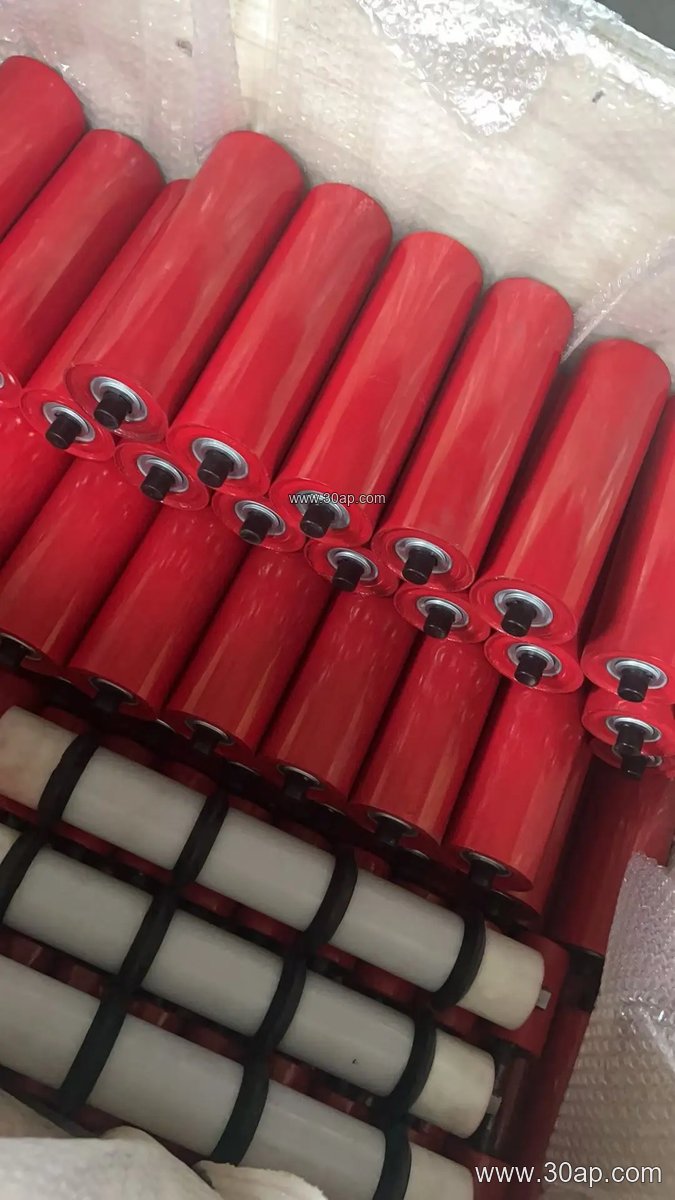
Common bearing sizes include 6204, 6205, 6305, 6306, 6308, and 6310. The bearing is matched to the load and speed of the conveyor, not simply to the belt width, so a given roller diameter can be supplied with different bearing arrangements depending on the duty.
- Shell material: steel tube, with optional nylon or rubber surface
- Bearing: sealed deep groove ball bearing, sizes such as 6205 or 6306
- Shaft: through shaft or stub shaft, fixed to the conveyor bracket
- Sealing: labyrinth or contact seal for dusty conditions
Common Diameters and Belt Width Reference
Return idlers are often selected by roller diameter and belt width together. The table below shows typical diameter ranges and how belt width relates to roller length in general terms. These are reference examples, not fixed combinations.
| Roller diameter | Typical belt width range | Notes |
|---|---|---|
| Ø63 to Ø89 mm | B400 to B800 | Light to medium duty, small aggregate lines |
| Ø102 to Ø133 mm | B800 to B1400 | Common in cement and coal handling |
| Ø159 to Ø194 mm | B1400 to B2000 | Heavy duty, mining and port conveyors |
| Ø219 mm | B2000 to B2400 | Large belt widths, high load return runs |
Roller length follows belt width, trough angle, and the idler set configuration. For a three-roll troughing set, common roll lengths are roughly 200 mm at B500, 250 mm at B650, 315 mm at B800, 380 mm at B1000, 465 mm at B1200, 530 mm at B1400, 600 mm at B1600, 670 mm at B1800, and 750 mm at B2000. Side rolls and center rolls can differ, and the return idler length should be confirmed against the actual frame design.
Where Return Idlers Are Used
Return idlers appear on nearly every belt conveyor, but the working environment changes what is needed. In a limestone quarry or sand and gravel line, abrasive dust calls for well-sealed bearings and a wear-resistant shell. In a coal washing plant or underground coal mining conveyor, flame retardant and anti-static properties of the belt are critical, and the return idler must suit the same environment. In a cement plant, fine alkaline dust and heat from clinker can shorten bearing life if sealing is poor.
Heavy-duty mining conveyors using a Steel Cord Conveyor Belt or a high-tension EP Conveyor Belt place greater load on the return run, so larger roller diameters and stronger shafts are often chosen. Port and ship loading conveyors moving bulk material at high capacity also rely on smooth return idler rotation to keep belt tracking stable.
Return Idler Variants and Comparisons
The plain flat return roller is the standard form. A V-shaped return idler set uses two rolls at an angle and helps center the belt, which is useful on long conveyors prone to misalignment. Spiral return idlers shed sticky material and reduce buildup. Rubber-disc return rollers cushion impact and reduce noise.
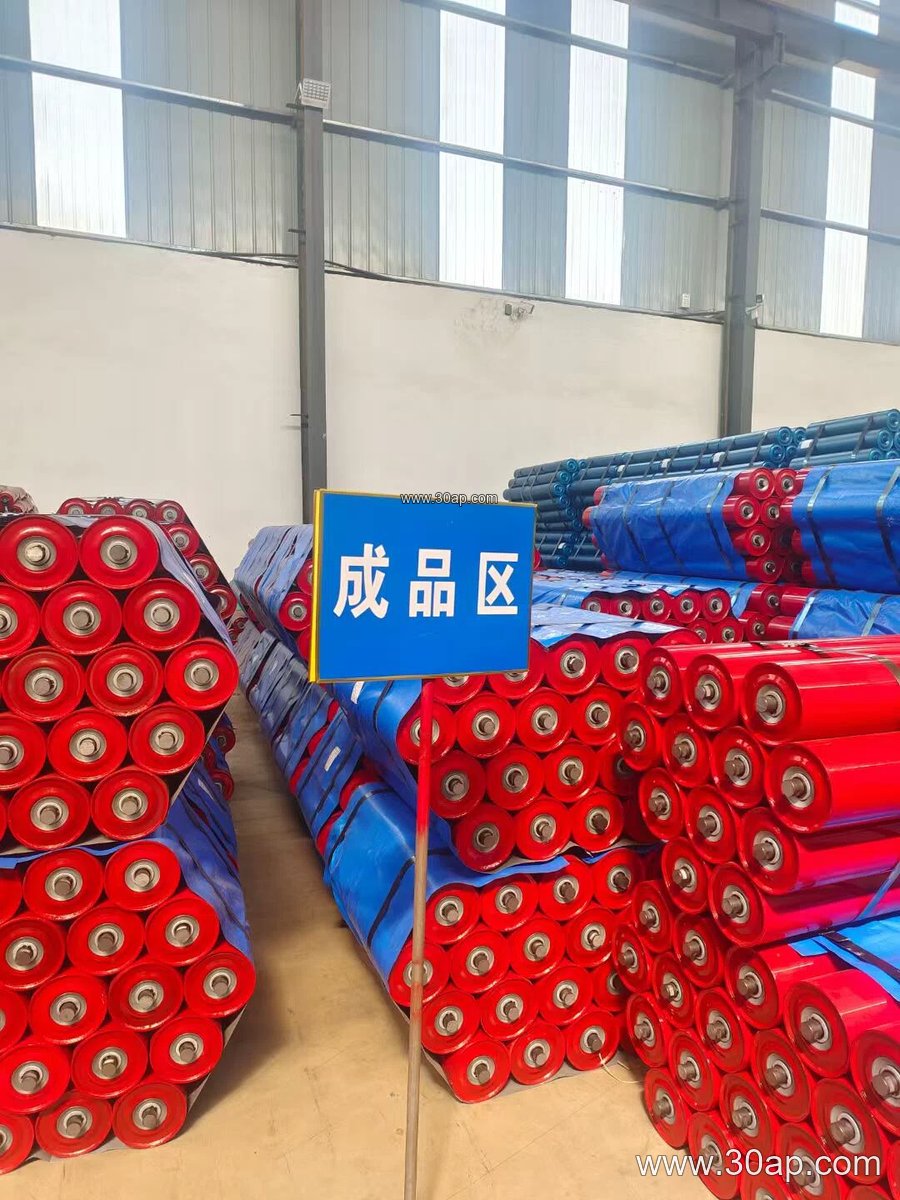
These are all return-side components. They should not be confused with troughing idlers on the carrying side, nor with a bend pulley that changes belt direction. Each has its own role, and mixing them up leads to incorrect spare parts orders.
What Buyers Should Check
- Confirm roller diameter, shaft diameter, and roller length against the existing conveyor bracket and frame.
- Match bearing size and seal type to the dust and moisture level on site.
- Check that the return idler suits the belt type, whether a Flame Retardant Conveyor Belt for underground work or an abrasion resistant belt in a crusher circuit.
- Ask whether the roller surface should be plain steel, nylon, or rubber covered.
- Review the spacing of return idlers along the run, since too wide a spacing allows belt sag.
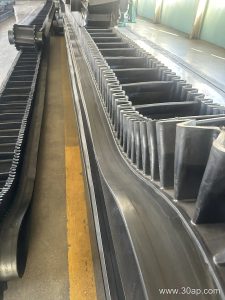
For plants handling sticky or wet material, a Chevron Conveyor Belt or a corrugated sidewall belt may need a return idler arrangement that clears the cleats or ribs. In those cases the return roller layout must be agreed with the belt supplier and the conveyor designer.
A well-matched conveyor return idler is a small part of the total conveyor cost but a large part of its reliability. Selecting it by diameter, bearing, seal, and surface together with the belt and frame keeps the return run turning quietly through long shifts in mines, power stations, and aggregate plants.