What a 1250mm Drive Pulley Does
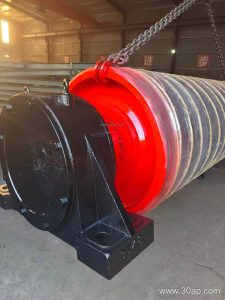
A 1250mm drive pulley is the motorised head pulley of a belt conveyor, sized with a 1250 mm diameter shell. It is the component that grips the conveyor belt and transfers torque from the gearbox or drive shaft into belt motion. Because the drive pulley carries the full tangential pull of the loaded belt, it is usually the largest and most heavily built pulley on the machine. In a quarry, limestone mine or cement plant clinker line, this diameter is chosen when belt tensions and wrap angles are high, or when the conveyor is long and heavily loaded.
The same product is also called a 1250 mm head drive pulley or a Ø1250 driving drum. These names refer to one component, not to a tail pulley or a bend pulley, which serve different duties at other points of the conveyor.
Construction and Surface Options
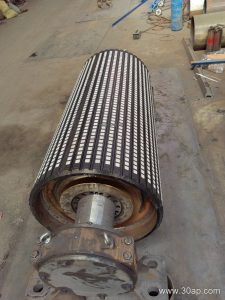
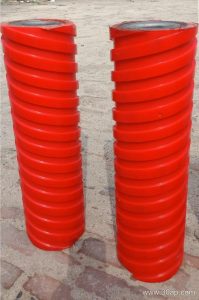
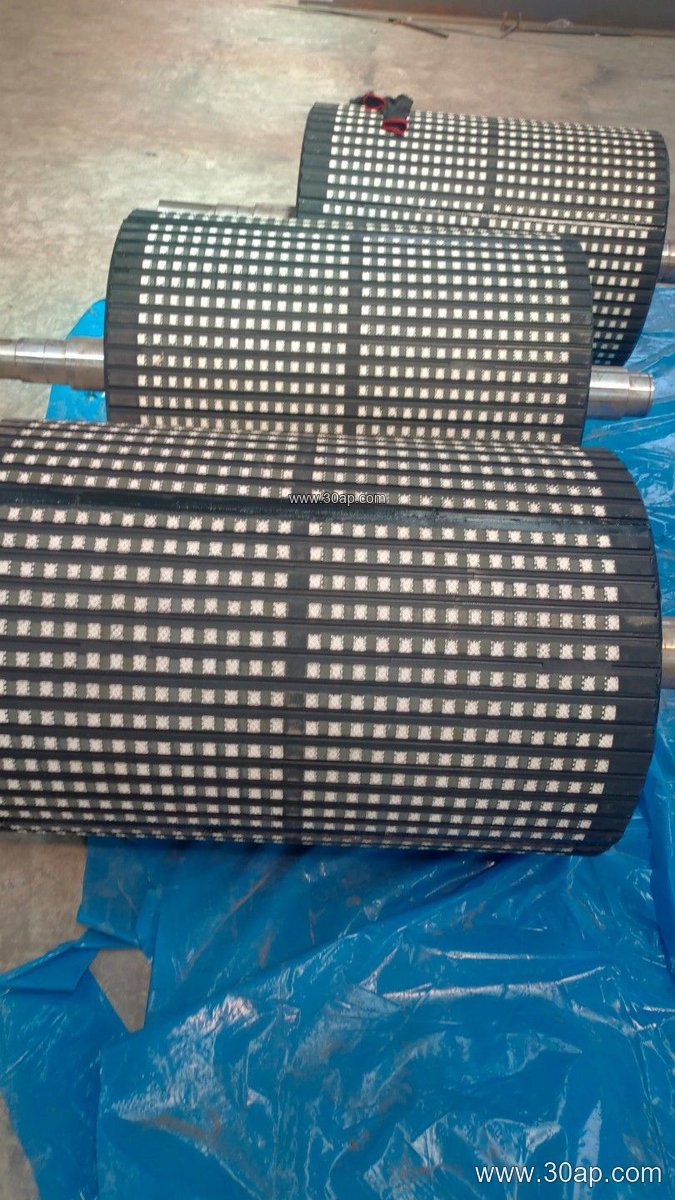
The shell is normally rolled steel, machined and welded to dished or flat end plates, with the shaft pressed and keyed into hubs. Common surface forms include plain finish, hot-vulcanised rubber, cold-bonded rubber, diamond grooving, herringbone grooving and ceramic lagging. Lagging thickness is often 8, 10, 12, 15 or 20 mm, selected against the belt cover and the moisture or dust conditions on site.
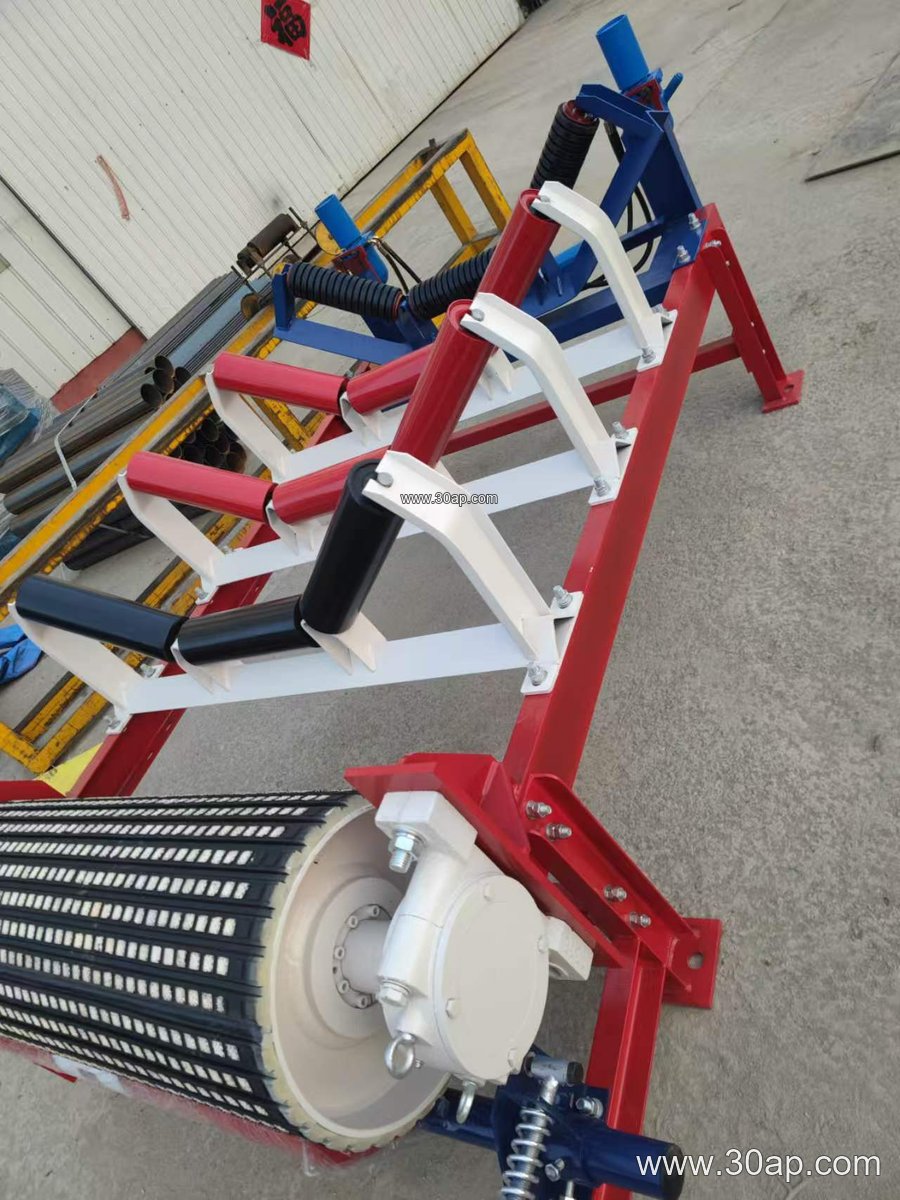
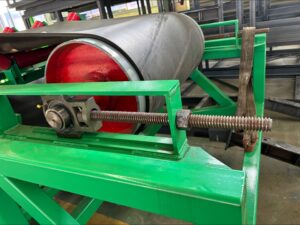
Bearing housings, locking assemblies and the conveyor bracket interface are matched to the shaft and to the frame. A wear-resistant lagging helps when the belt is a heavy-duty mining conveyor belt carrying abrasive ore, while a flame retardant conveyor belt in an underground coal mining drift calls for careful attention to lagging material behaviour and static control.
Shell Width, Belt Width and Diameter
Pulley face width is generally a little wider than the belt. A 1250 mm diameter shell is commonly paired with belts in the 1000 to 1400 mm range, though the correct match depends on belt tension, wrap angle and shaft load, not on one fixed rule. The table below shows typical reference combinations; treat them as guidance, not as verified supply data.
| Belt width | Typical pulley face width | Example drive pulley size |
|---|---|---|
| B1000 | about 1150 mm | B1000 x Ø1000 |
| B1200 | about 1400 mm | B1200 x Ø1250 |
| B1400 | about 1600 mm | B1400 x Ø1250 |
| B1600 | about 1800 mm | B1600 x Ø1400 |
Shaft diameter is determined by torque and bending load; common values include Ø120, Ø140, Ø160, Ø180 and Ø200, but no shaft size should be read directly from belt width alone.
Where It Fits in the Plant
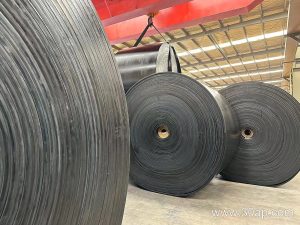
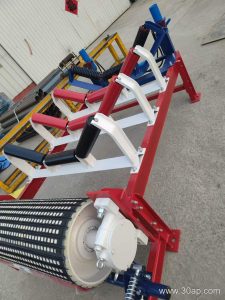
This drive size appears on main haulage conveyors in aggregate plants, iron ore and copper ore handling, coal preparation plants and power station coal yards. It is also used on ship loading and stockyard conveyors where a wide, thick belt runs at high tension. On such lines the pulley works together with the Rubber Conveyor Belt, troughing idler rollers and a rigid conveyor bracket frame. A tail pulley or a bend pulley may share the same diameter for layout reasons, but neither replaces the drive function.
Buyer Checklist
- Confirm the required diameter, face width, shaft size and lagging type against the conveyor design, not against a catalogue alone.
- State the belt type and duty, for example an EP conveyor belt or a steel cord conveyor belt, plus the material carried.
- Ask for the balancing grade, bearing type and locking assembly details.
- Check that the lagging suits the environment: abrasive dust, oil mist, heat or fire risk.
- Plan inspection of lagging wear and shaft alignment during scheduled shutdowns.
For high-tension main lines, buyers sometimes compare a 1250 mm drive pulley with a smaller head drum on a secondary conveyor, where an abrasion resistant conveyor belt runs at lower load. The comparison helps confirm that the larger diameter is justified by tension and wrap angle rather than by habit.