What a PVC Conveyor Belt Is
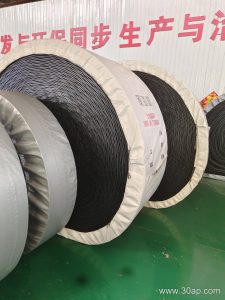
A PVC conveyor belt is a light to medium-duty belt whose carcass is impregnated and coated with polyvinyl chloride. In everyday plant language it is often called a PVC belt or a PVC conveyor belting, and it is the same product throughout this article. Rather than relying on heavy rubber covers, the PVC compound forms a smooth, sealed surface that resists moisture, many mild chemicals, and abrasion while keeping the belt flexible around relatively small pulleys.
Because the PVC body can be welded, spliced, and cleaned easily, this belting is common on packaging lines, sorting tables, food handling conveyors, and light assembly stations. It is not the same product as a heavy rubber belt, and it should not be treated as a direct substitute where sharp, hot, or very heavy lump material is present.
How the Belt Is Built
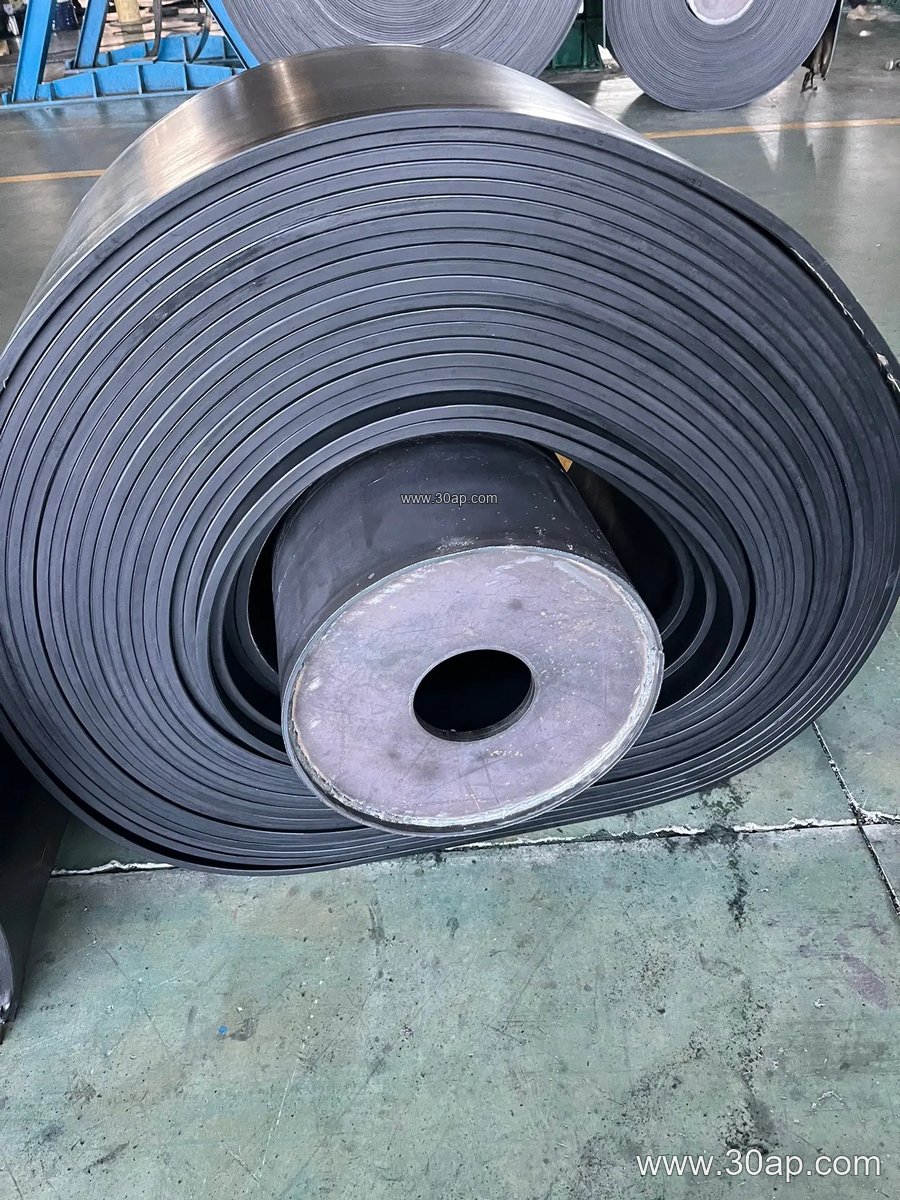
A typical construction starts with a woven fabric carcass, usually polyester or a polyester-cotton blend, which carries the tension. The carcass is dipped and coated with PVC paste, then covered on one or both faces with a PVC top layer. Surface finish, thickness, and color are chosen for the duty. Common carcass styles run from two to four plies depending on load, and cover thickness is specified per application rather than fixed by width.
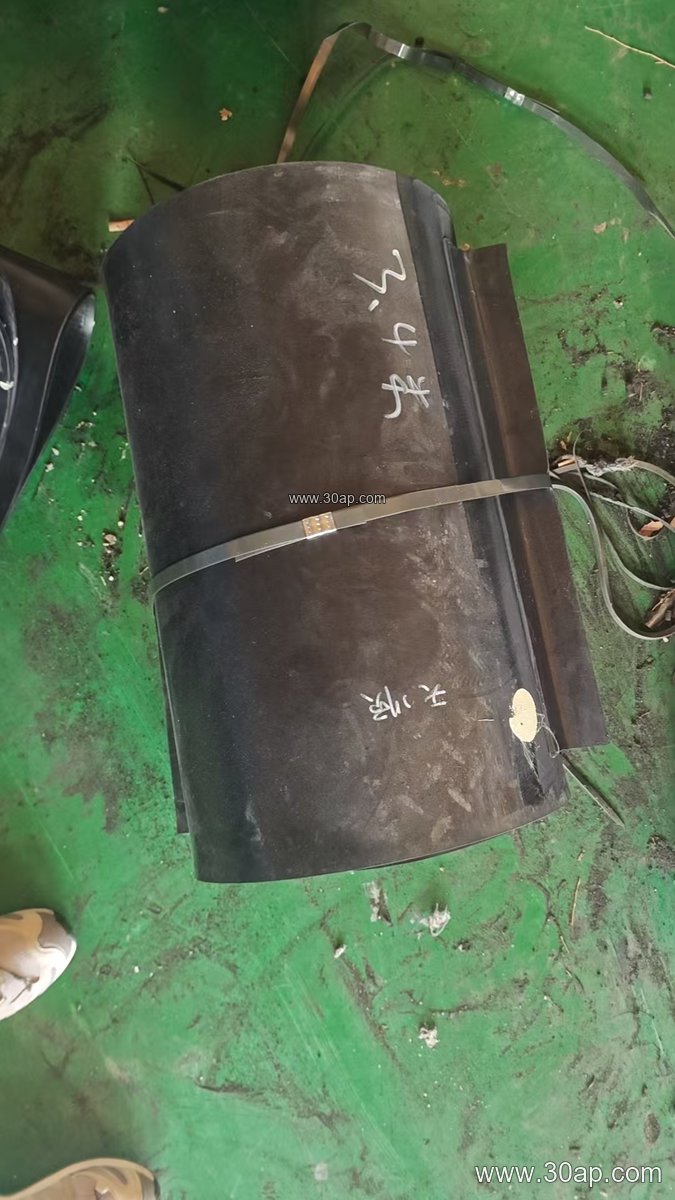
The finished belt can be supplied as an open length for on-site splicing or as an endless conveyor belt joined at the factory. For a vulcanized or welded endless joint, the belt is cut to the exact center distance of the conveyor, so the drive pulley, tail pulley, and bend pulleys must be measured before ordering.
Typical Reference Construction
| Item | Common Range (reference only) |
|---|---|
| Carcass plies | 2 to 4 plies |
| Total belt thickness | 2 mm to 8 mm, by design |
| Top cover | 0.5 mm to 3 mm, by duty |
| Surface | Smooth, matt, or patterned |
| Joint | Welded, finger splice, or endless |
These figures are reference points, not universal specifications. A belting supplier will confirm the exact construction against the load, pulley diameters, and operating conditions.
Where It Fits in the Plant
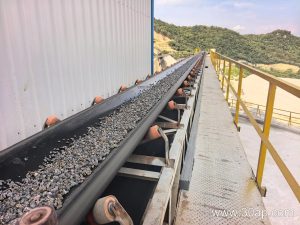
PVC belting suits lines that move boxes, bags, parcels, and small parts. It appears in food processing, recycling sorting, postal and logistics hubs, and light manufacturing. In a quarry or a cement plant, the main haulage duty is normally handled by a heavy-duty rubber belt, an EP conveyor belt, or a steel cord conveyor belt, while a PVC belt may serve secondary tasks such as finished bag transport or inspection tables.
In mining and coal handling, flame retardant and anti-static grades are specified where the risk assessment requires them. A PVC mining conveyor belt can be produced with fire resistant and anti-static properties, but the buyer must state the required grade, because a standard general-purpose belt does not carry those properties automatically.
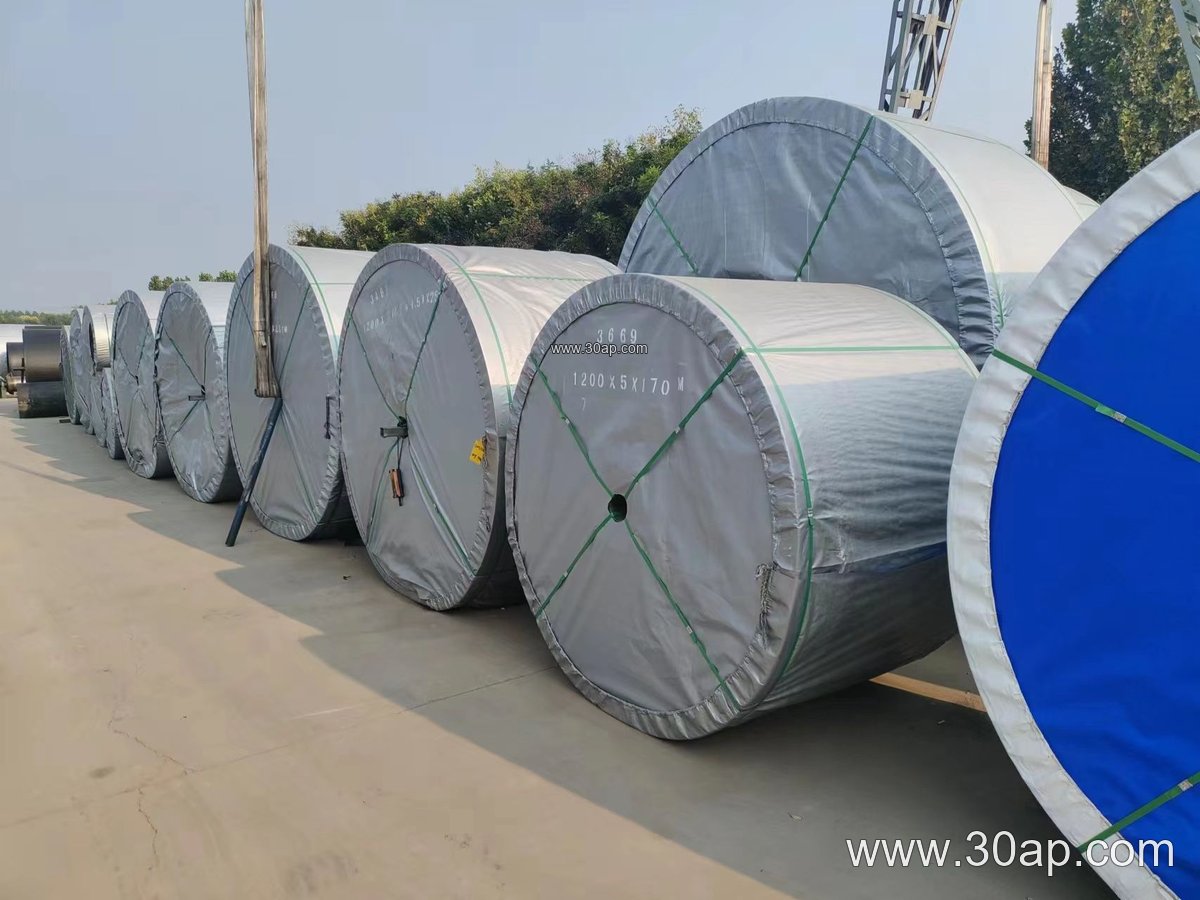
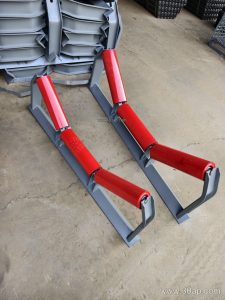
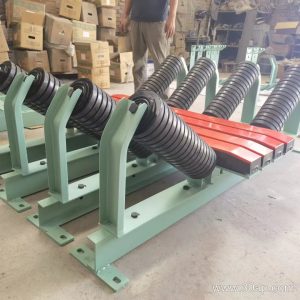
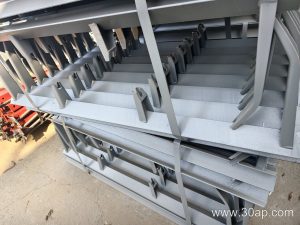
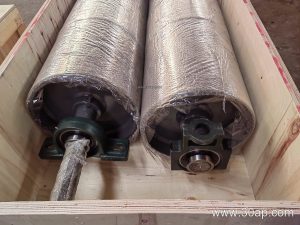
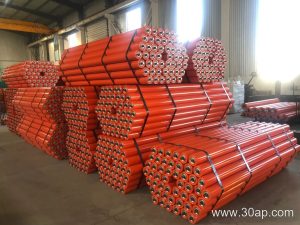
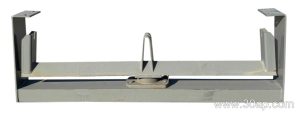
Related hardware matters too. The conveyor pulley set, idler roller frames, and conveyor bracket supports should be checked for alignment, since a light PVC belt is sensitive to tracking errors and edge damage caused by misaligned rollers.
Buyer Checklist Before Ordering
- State the material carried, its temperature, and whether oil, fat, or chemicals are present.
- Give the belt width, center distance, and the diameters of the drive, tail, and bend pulleys so the minimum pulley requirement can be checked.
- Confirm whether the joint must be endless, welded, or mechanical.
- Specify surface pattern if incline grip is needed, and state the incline angle.
- For food contact, request a food grade conveyor belt declaration from the supplier.
- For underground or coal duty, request the flame retardant and anti-static grade in writing.
A useful sanity check is the approximate belt tension per unit width, P = (qb + qm) x g x L / 2, which helps confirm that the selected carcass suits the conveyor length before the final order.
Installation and Maintenance Notes
Keep the belt lightly tensioned at first and adjust after the first few hours of running. Clean the return side with a suitable scraper or brush, and check that the idler roller surfaces are free of build-up, because lumps stuck to a roller can steer a thin PVC belt off track. Protect the edges from sharp framework and from material spillage at transfer points.
Store spare rolls in a dry, shaded place, and avoid tight bending that can crease the carcass. When replacing a belt, record the width, thickness, and joint type so the next order matches the existing conveyor.