What a 6205 Bearing Idler Is
A 6205 bearing idler is a carrying or return roller whose shaft is supported by single-row deep-groove ball bearings of the 6205 size. In bulk handling terms it is simply an idler roller built around one of the most common bearing dimensions used on medium-duty conveyors. The bearing is the detail that separates this roller from units fitted with smaller 6204 bearings or larger 6305 and 6306 bearings, and it directly affects how freely the roller turns and how long it lasts under load.
These rollers sit beneath the conveyor belt and support the load as it moves from the loading point to the discharge end. They do not drive the belt. That job belongs to a conveyor pulley, which is a separate class of component. A drive pulley, tail pulley and bend pulley each have their own function, and none of them should be confused with an idler.
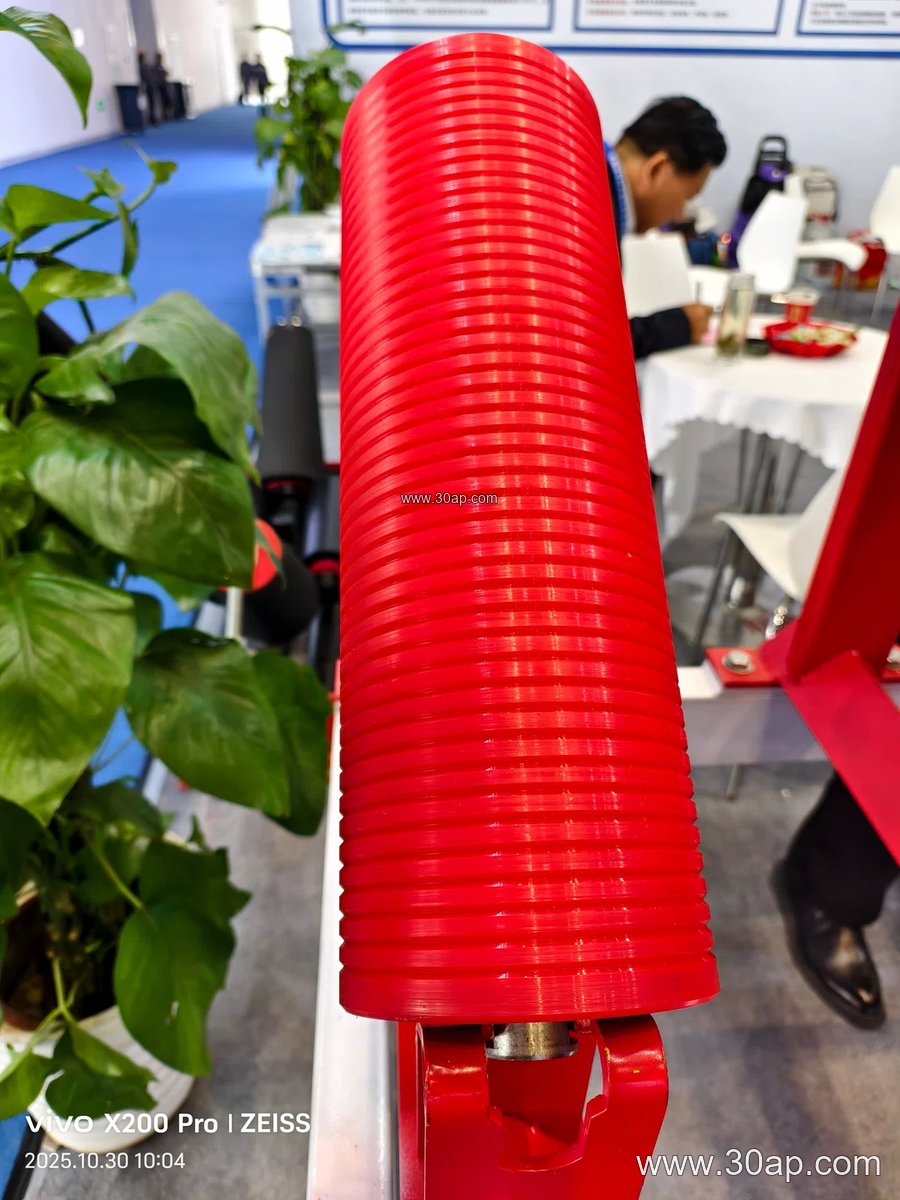
Construction and Bearing Fit
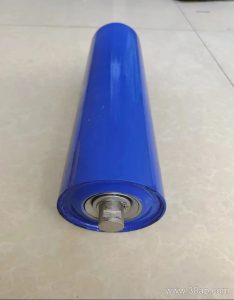
The typical unit combines a steel tube shell with a through shaft, bearing housings at each end, and a sealing arrangement. The 6205 bearing has a 25 mm bore, which is why the shaft end is usually machined to that size. Seals may be labyrinth, lip type or a combination, and in dusty plants the sealing choice matters as much as the bearing itself.
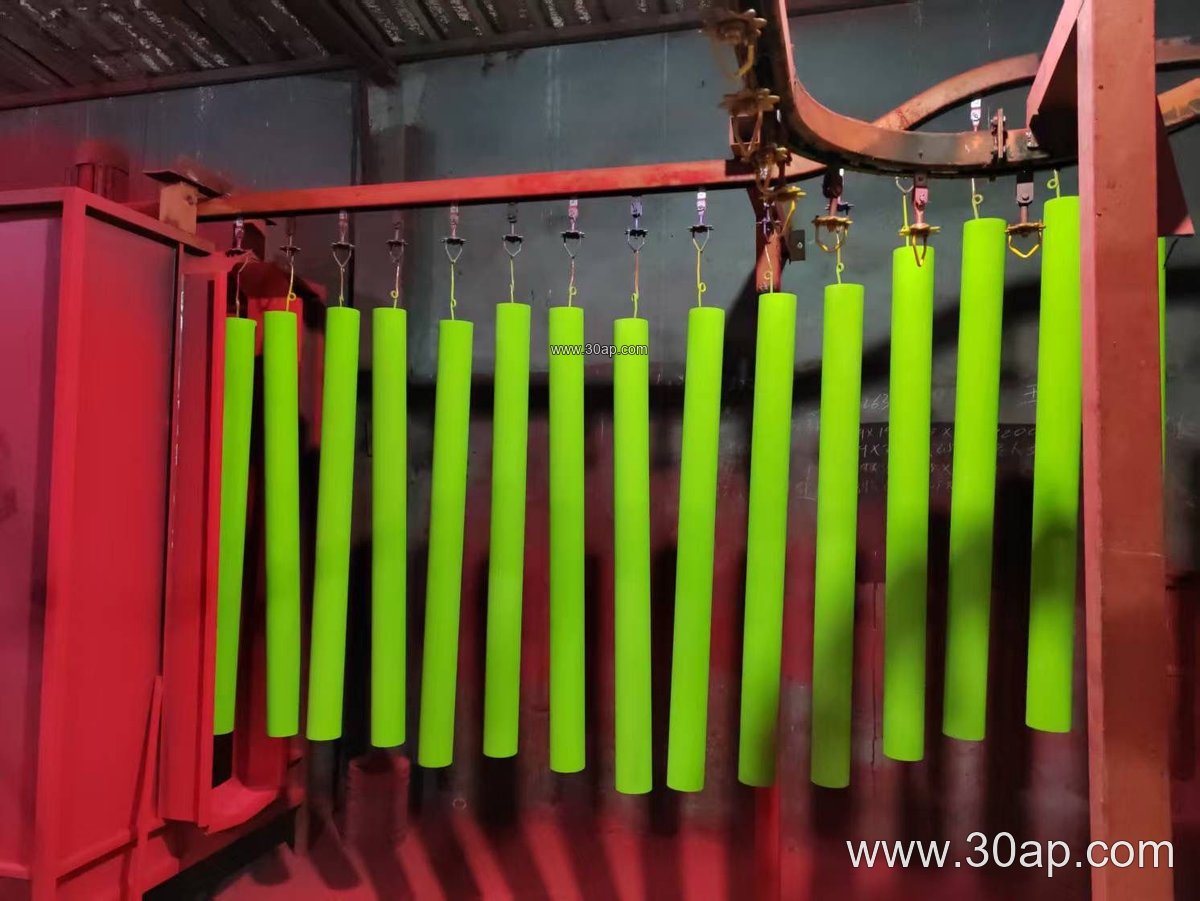
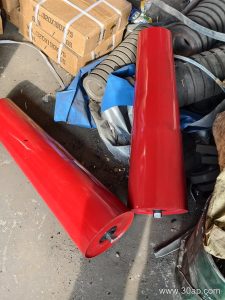
Shell surfaces vary to suit the duty. Plain steel is the standard choice for clean running. Nylon or ceramic lagging can reduce build-up on sticky material, while rubber rings are used where impact needs cushioning. Bearing selection follows the load: a 6204 might appear on a light return roller, while 6205, 6305 or larger bearings appear as belt width, material weight and speed increase. There is no fixed rule tying one bearing to one roller diameter, so the shaft and housing design should be checked together.
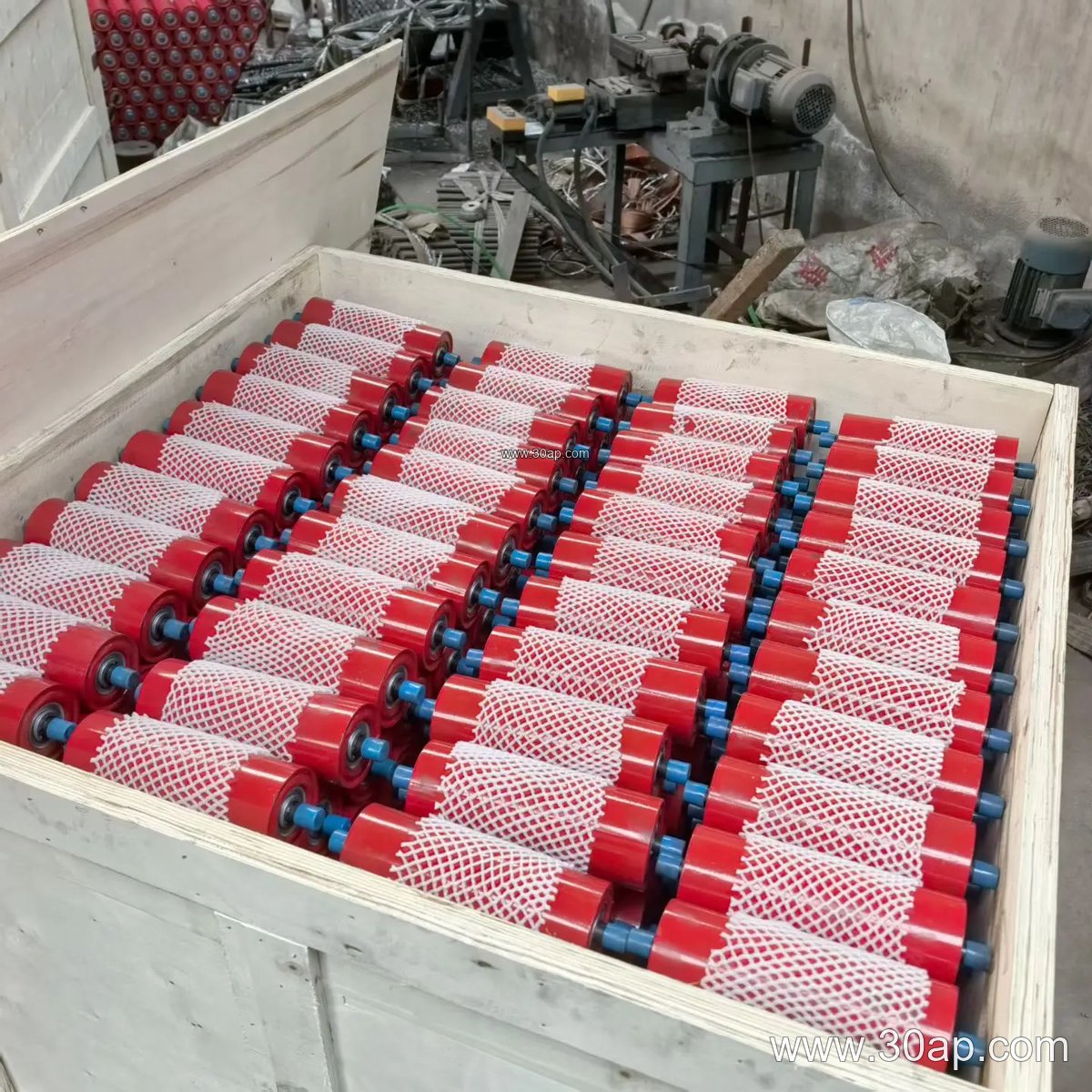
Where It Fits on the Conveyor
A 6205 bearing idler is a natural fit on medium-width troughed carrying runs and on return runs in a range of industries. Two settings where it is often found:
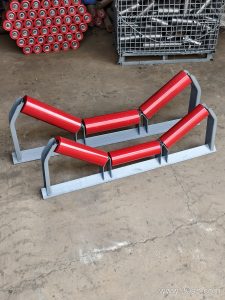
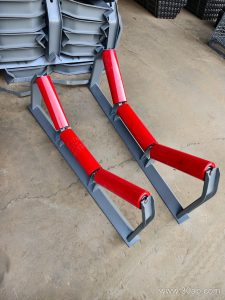
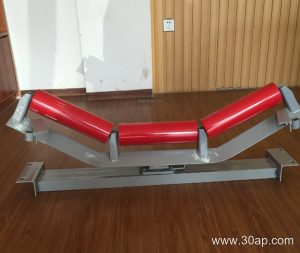
- Aggregate and quarry lines. Crushed stone and sand move on belts that are frequently loaded by crushers and screens. Troughing idlers with three rolls and a 30 or 35 degree trough angle keep the conveyor belt centred and supported. Impact idlers with rubber rings are commonly placed under the loading chute, while plain 6205 units handle the steady runs.
- Cement and power plant coal handling. Dust and fine grit are constant, so sealed bearings and well-fitted housings matter. Return idlers, including V-return and flat return forms, keep the belt from sagging between pulleys.
In a coal preparation plant or a power station coal yard, a flame retardant conveyor belt and antistatic properties are usually specified for the belt itself. The idler still needs to turn freely, and the bearing quality is what keeps friction and heat low.
Sizes and Common Combinations
Roller dimensions follow belt width, trough angle and the idler set form. The figures below are common references, not fixed matches. Side rolls and centre rolls often differ, and final sizing is decided by the conveyor designer.
| Belt width | Typical roll length, three-roll trough set | Common trough angle |
|---|---|---|
| B500 | about 200 mm | 20 to 35 degrees |
| B650 | about 250 mm | 20 to 35 degrees |
| B800 | about 315 mm | 30 to 35 degrees |
| B1000 | about 380 mm | 30 to 35 degrees |
| B1200 | about 465 mm | 30 to 35 degrees |
| B1400 | about 530 mm | 30 to 35 degrees |
| B1600 | about 600 mm | 30 to 35 degrees |
Roller diameters commonly seen with the 6205 bearing include 89 mm, 102 mm, 108 mm and 127 mm, though 133 mm and 159 mm shells also appear on heavier runs. The bearing size alone does not dictate the shell diameter, so buyers should confirm both.
Buyer Checklist
- Confirm the bearing designation and seal type, not just the roller diameter.
- Check shaft end size and housing fit against the conveyor bracket or frame.
- Match the idler type to its position: troughing, impact, return or self-aligning.
- Consider the belt: an abrasion resistant conveyor belt on a quarry line and a heat resistant conveyor belt near a kiln discharge both place different demands on rollers.
- Review lubrication and re-greasing provisions, especially in wet or dusty service.
When a roller fails, the bearing is often the first part to show it through noise, heat or a seized shell. Choosing a 6205 bearing idler with the right seals and shell for the job is a small decision that protects the belt, the pulleys and the whole conveying line.