What a Large Conveyor Pulley Does on a Heavy-Duty Conveyor
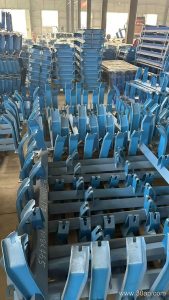
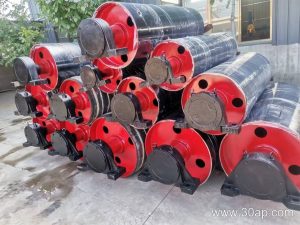
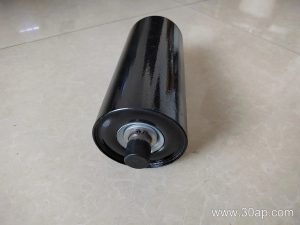
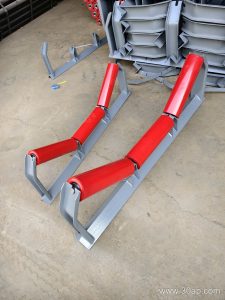
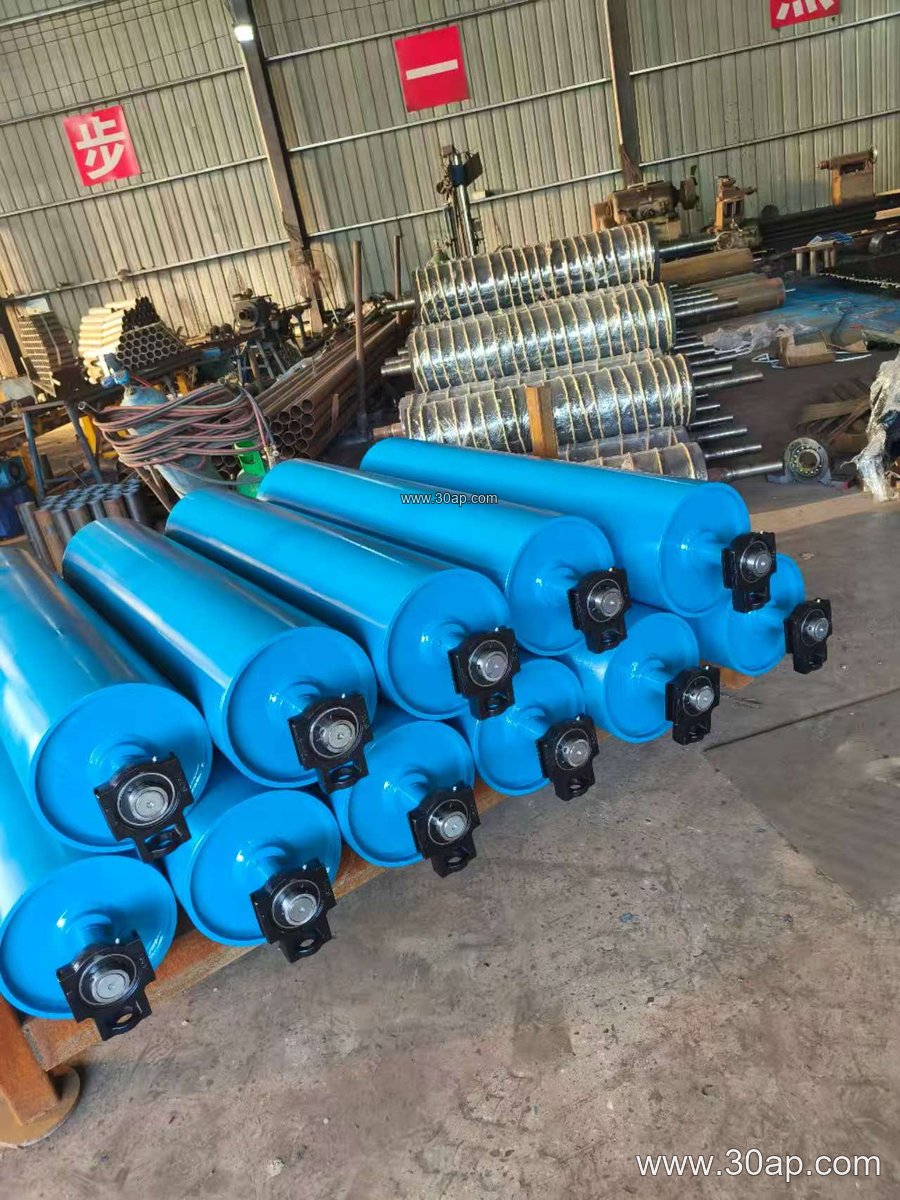
A large conveyor pulley is the drum that drives, returns, or redirects the belt on a high-capacity conveyor. On long overland lines, quarry feed conveyors, and power plant coal handling systems, these pulleys carry the full belt tension and the weight of the material, so their construction and diameter matter more than on a small package conveyor. The drum works together with the conveyor belt, the idler rollers that support the carrying side, and the conveyor brackets that hold the whole assembly in alignment.
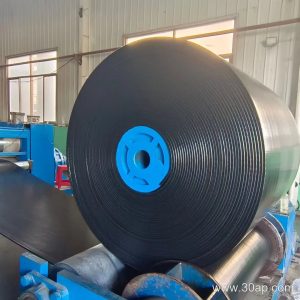
It helps to separate the pulley from the belt it turns. A large pulley is not a belt type, and a belt such as a steel cord conveyor belt or a heavy-duty mining conveyor belt is not a substitute for the drum. Each part has its own job.
How a Large Conveyor Pulley Is Built
The core is a steel shell, usually machined and sometimes with a slight crown. Inside, the shaft runs through hubs and end discs; the shaft size is chosen from torque and load, not from belt width alone. Common shaft diameters include Ø80, Ø100, Ø120, Ø140, Ø160, Ø180 and Ø200 mm, but the final value comes from the drive calculation.
Outside, the shell may be plain or covered with rubber. Common cover forms are plain, cold-bonded rubber, hot-vulcanized rubber, diamond grooving, herringbone grooving and ceramic lagging, with cover thickness often 8, 10, 12, 15 or 20 mm. Grooved or ceramic surfaces raise friction at the drive, while a plain face is often enough on a bend or take-up position.
Common Sizes and Surface Options
The table below shows reference combinations, not fixed pairings. A given belt width can work with more than one drum diameter, and the shell width normally runs a little wider than the belt.
| Belt Width (B) | Typical Shell Width | Example Drum Diameter | Typical Shaft Range |
|---|---|---|---|
| B500 | about 600 mm | Ø320, Ø400 | Ø60–Ø80 mm |
| B650 | about 750 mm | Ø400, Ø500 | Ø70–Ø90 mm |
| B800 | about 950 mm | Ø500, Ø630 | Ø80–Ø100 mm |
| B1000 | about 1150 mm | Ø630, Ø800 | Ø90–Ø120 mm |
| B1200 | about 1400 mm | Ø800, Ø1000 | Ø100–Ø140 mm |
| B1400 | about 1600 mm | Ø1000, Ø1250 | Ø120–Ø160 mm |
| B1600 | about 1800 mm | Ø1250, Ø1400 | Ø140–Ø180 mm |
| B1800 | about 2000 mm | Ø1400, Ø1600 | Ø160–Ø200 mm |
| B2000 | about 2200 mm | Ø1600, Ø1800 | Ø180–Ø200 mm |
Drums are often described as B1200 × Ø1000 or B800 × Ø500 in plant drawings. On a long incline, a larger diameter reduces belt bending stress and helps the belt track, but it also raises cost and frame height.
Drive, Tail and Bend Positions Are Not the Same
Position changes the job. A drive pulley transmits power and usually needs lagging with good grip. A tail pulley at the loading end turns the belt back and may need a self-cleaning face where fines build up. A bend pulley changes belt direction without driving. These three positions are not interchangeable, and a drum selected for one should not simply be swapped into another without a new check.
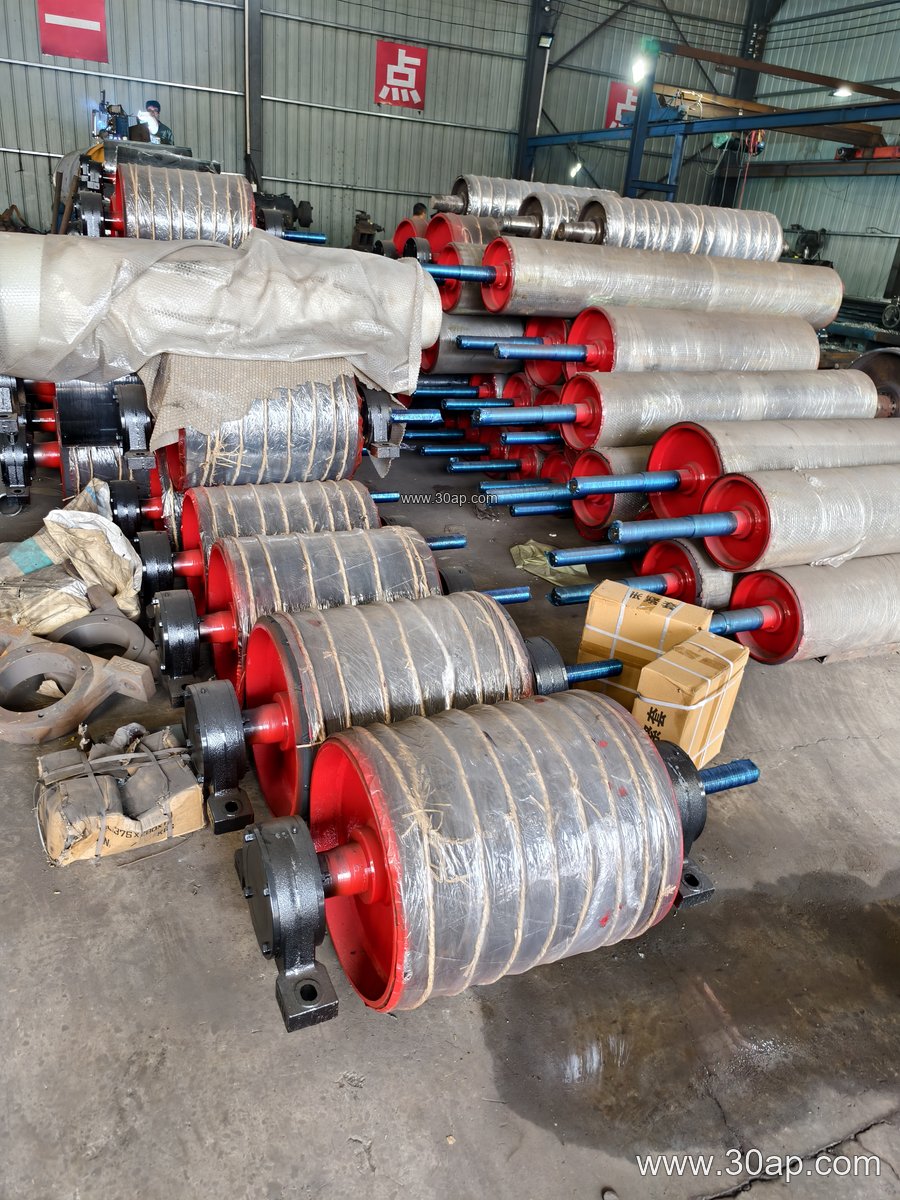
Only when a comparison is helpful: a wing pulley is sometimes chosen at the tail to shed sticky material, while the large drum remains the main drive or return unit. The two are different parts serving different needs.
Where Large Conveyor Pulleys Are Used
Typical sites include limestone and iron ore mines, coal washing plants, cement clinker lines, power station coal yards and port bulk terminals. In a quarry crushing circuit, a large head pulley pulls an abrasion resistant conveyor belt over the discharge point, with idler rollers keeping the belt supported on the return run. In a cement plant, a heat resistant conveyor belt may run on the same conveyor frame but needs a drum cover that tolerates the local temperature.
Heavy belts such as an EP conveyor belt, NN conveyor belt or steel cord conveyor belt all place different demands on the drum, so the duty point should be matched to the belt specification rather than assumed.
What a Buyer Should Check Before Ordering
- Belt width, belt type and belt tension at the pulley
- Drum diameter, shell width and shaft diameter from the conveyor design
- Position on the conveyor: drive, tail, bend or take-up
- Lagging type and cover thickness, plus material to be conveyed
- Bearing size, bracket fit and available space around the frame
Ask for a drawing that shows these values together. A drum that fits the frame but not the belt load will wear quickly, and a drum that is oversized adds cost without benefit. Keep the specification tied to the actual duty, and the large conveyor pulley will serve the line for years.