What an Assembled Pulley Is
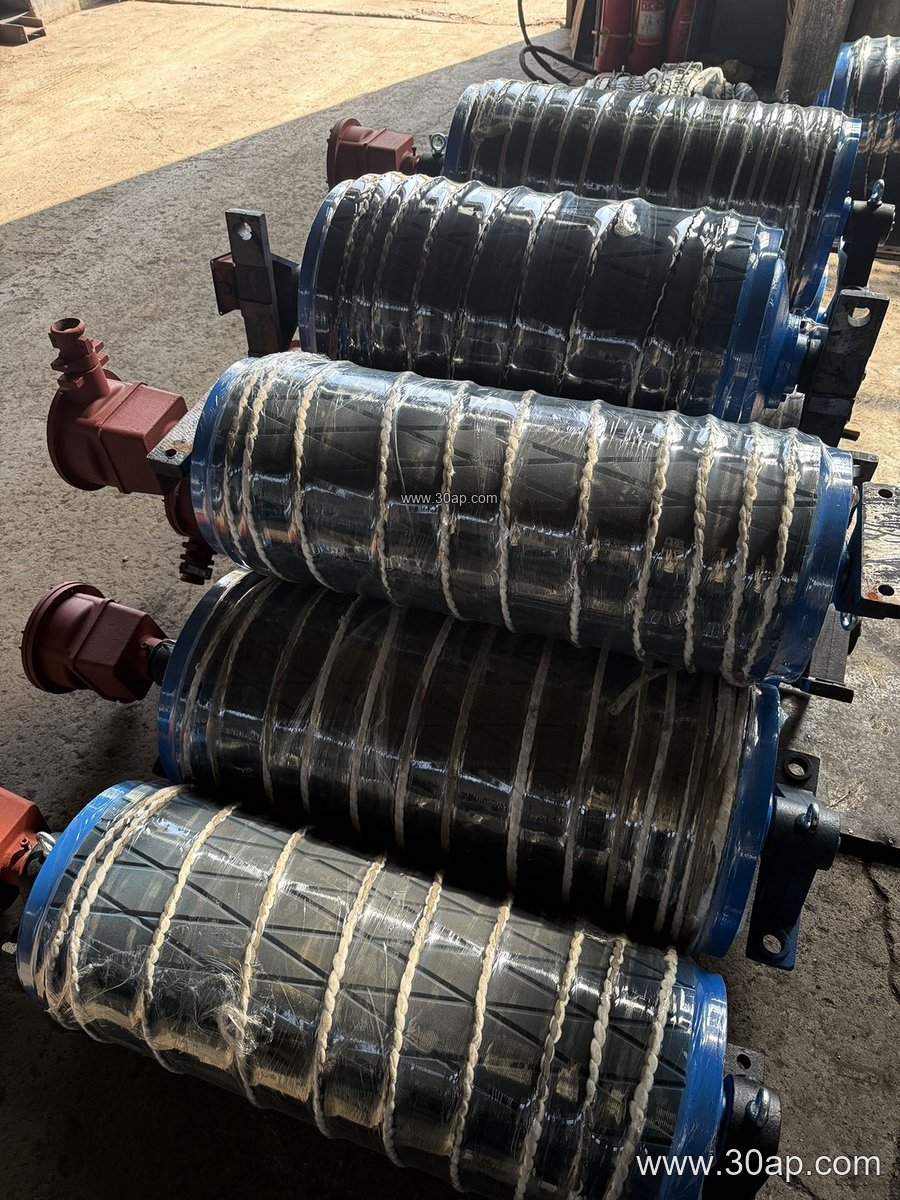
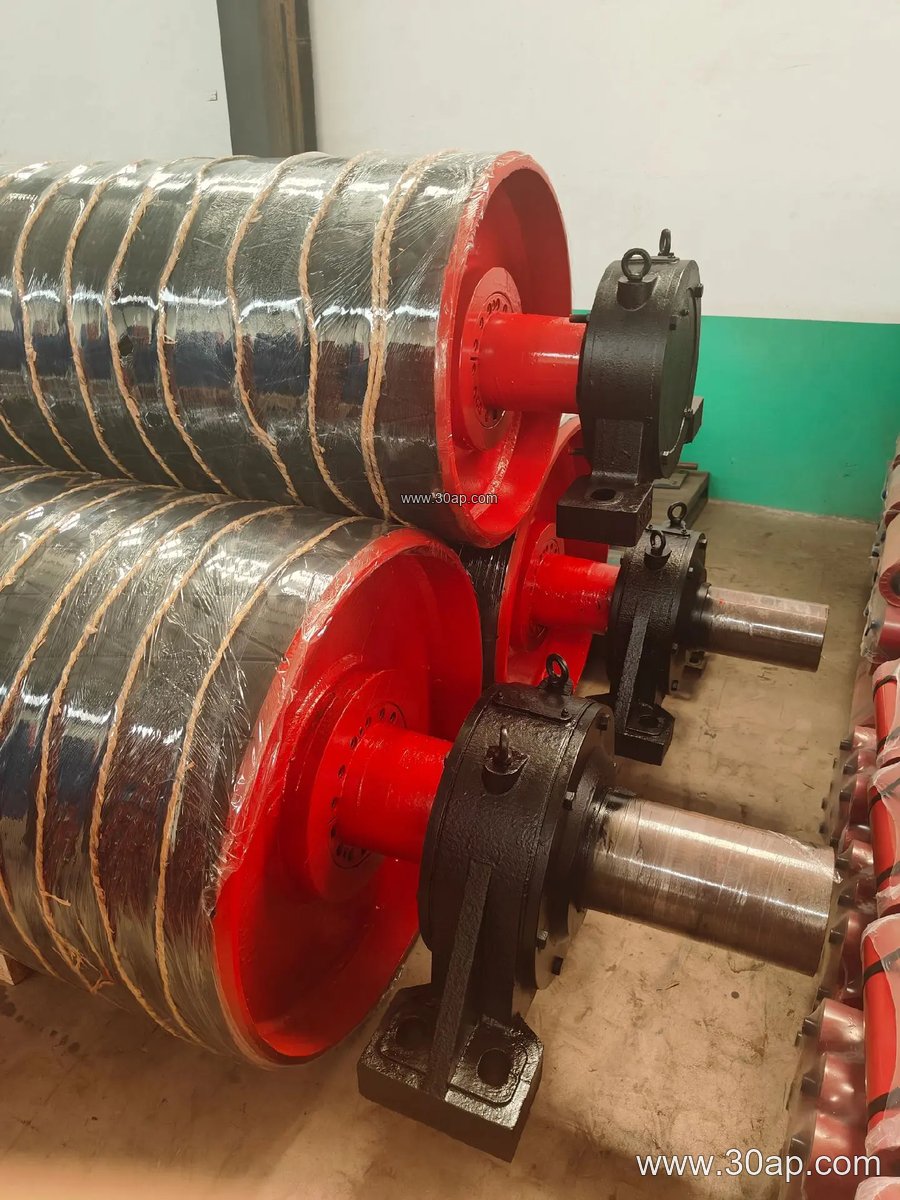
An assembled pulley is a conveyor pulley supplied as a complete, ready-to-mount unit rather than as loose parts. The shell, shaft, hubs, bearing housings, locking elements and lagging are put together and aligned before delivery, so the maintenance team can lift it into the conveyor bracket, tension the belt and run. In a quarry, a cement plant or a power plant coal yard, that saves the time normally spent pressing shafts, fitting bearings and checking runout on site. The same product is also called a conveyor pulley assembly or a complete drum pulley, and those names refer to the same item.
It is not the same thing as a drive pulley, tail pulley or bend pulley. Those are positions in the conveyor layout. An assembled pulley can be built for any of them, and the position determines the duty, the lagging and the bearing arrangement.
How the Assembly Is Built
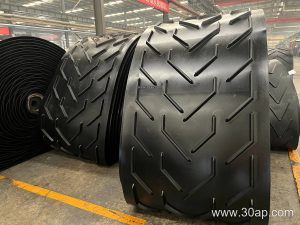
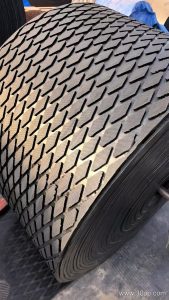
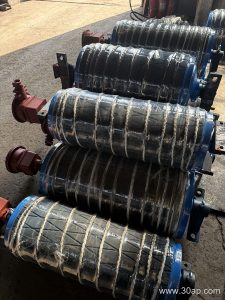
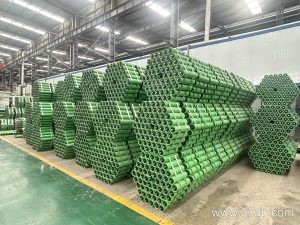
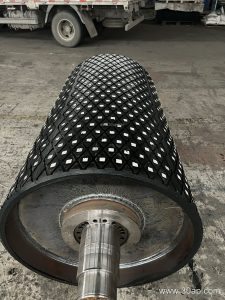
The core is a rolled steel shell welded to end discs, with the shaft passing through hubs that are keyed or shrink-fitted. Bearings sit in cast or fabricated housings with seals and grease passages. Lagging is applied to the shell surface, either as plain rubber, cold-bonded rubber, hot-vulcanized rubber, diamond groove, herringbone, ceramic tile or a smooth plane sheet, usually in thicknesses of 8, 10, 12, 15 or 20 mm. The finished unit is balanced and the shaft ends are machined for couplings or motor reducers.
Common reference dimensions are shown below. These are typical ranges, not fixed pairings, and final values follow the conveyor design.
| Item | Common reference values |
|---|---|
| Belt width B | B400, B500, B650, B800, B1000, B1200, B1400, B1600, B1800, B2000 |
| Pulley diameter | Ø200, Ø250, Ø315, Ø400, Ø500, Ø630, Ø800, Ø1000, Ø1250, Ø1400 |
| Face width | Usually wider than the belt, for example B800 about 950 mm, B1200 about 1400 mm, B1400 about 1600 mm |
| Shaft diameter | Ø50, Ø60, Ø70, Ø80, Ø90, Ø100, Ø120, Ø140, Ø160, Ø180, Ø200 |
| Lagging | Plain, rubber, diamond, herringbone, ceramic, 8 to 20 mm |
Shaft size is set by torque and radial load, not by belt width alone. A B1200 × Ø1000 unit and a B800 × Ø500 unit can both be valid for different conveyors, and neither combination is a rule.
Where It Fits in the Plant
In a limestone quarry or an aggregate crushing and screening line, an assembled pulley is often chosen for the head position where the belt discharges onto a screen or stockpile. In a coal washing plant or a power plant coal handling system, flame retardant and anti-static belt grades are common, and the pulley lagging must suit dusty, damp conditions. A cement plant clinker line may use a heat resistant conveyor belt, while a port bulk terminal may run a wide belt with a heavy-duty assembly at the ship loader.
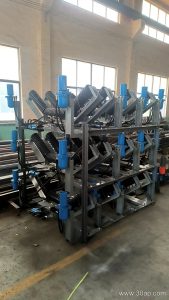
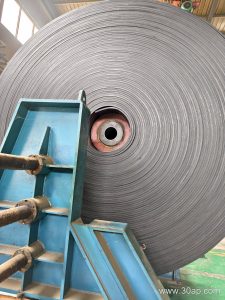
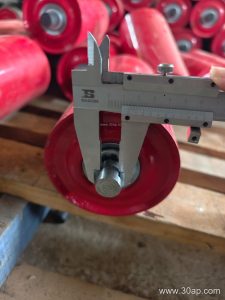
The unit works together with the conveyor belt, the idler roller sets that support the carrying run, and the conveyor bracket that holds the bearing housings. If the belt is a steel cord conveyor belt or a multi-ply fabric core type, the pulley diameter and lagging should be checked against belt stiffness and tracking behavior.
Choosing the Right Configuration
Start with the position. A drive pulley needs enough traction, so diamond or ceramic lagging is often specified. A tail pulley in a dirty area may use a plain or grooved rubber surface that sheds material. A bend pulley in a long overland system may be smaller and lighter. Then confirm the belt width and the face width, the shaft diameter from the torque calculation, and the bearing type from the load and speed.
For abrasive ore duties, an abrasion resistant conveyor belt paired with a durable lagging reduces slip and wear. For underground coal mining, a flame retardant conveyor belt and anti-static properties are normally required, and the assembled pulley should be built to match. In cold climates, a cold resistant belt may be used, and the pulley seals should tolerate low temperature.
- Check that the shaft diameter matches the coupling or gearbox bore.
- Confirm lagging thickness and pattern for the material being carried.
- Verify face width against the actual belt width, not the nominal figure.
- Ask for the balancing report and the bearing clearance record.
- Plan lifting points and access before the unit arrives.
Installation and Maintenance Notes
Mount the assembly squarely in the conveyor bracket so the shaft is parallel to the opposing pulley. Misalignment causes edge wear on the belt and premature bearing failure. After the first week of running, recheck bolt torque and grease the bearings. Keep the lagging clean; built-up material on a smooth or diamond surface can change friction and cause tracking drift. Spare parts such as bearings and locking elements should be ordered with the same specification as the original assembly.
When replacing a worn pulley, record the shell diameter, face width, shaft size and lagging type before removal. That record makes the next order straightforward, whether the plant is a sand making line, a fertilizer granulation unit or a grain silo conveyor.