What a Sand and Gravel Production Line Idler Does
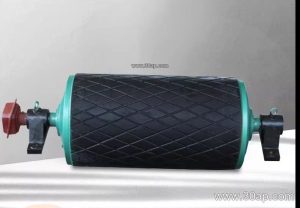
In a sand and gravel plant, conveyor belts move crushed stone, sand, and screened aggregate between crushers, screens, and stockpiles. The sand and gravel production line idler—often simply called a conveyor idler roller—supports the belt and the material load along the entire run. Unlike a drive pulley that transmits power or a tail pulley that redirects the belt, idlers are passive rotating components. They are mounted on conveyor brackets and arranged in groups to match the belt width and the load profile.
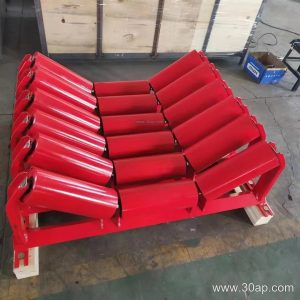
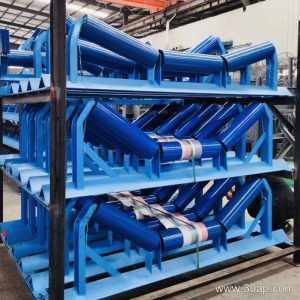
A typical installation uses three-roll troughing idlers on the carrying side to form a trough that keeps material centered, and return idlers on the lower strand to support the empty belt. The idler is a deceptively simple assembly, but its bearings, seals, and shell material determine how long the line runs without stoppage.
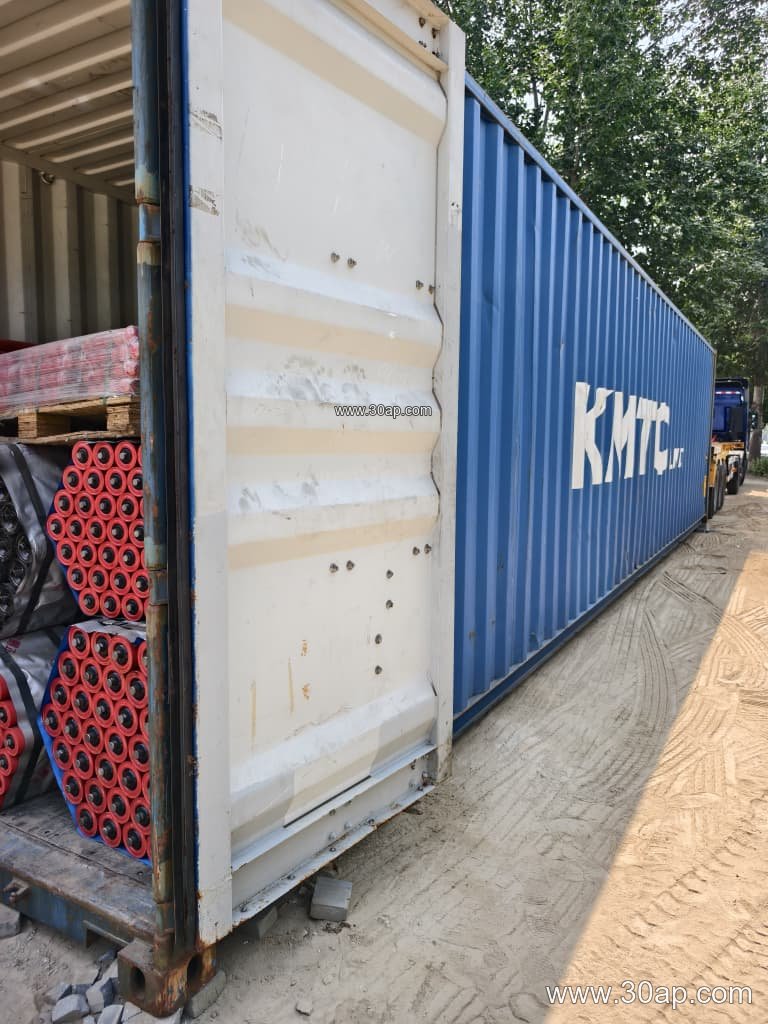
Construction Details That Matter
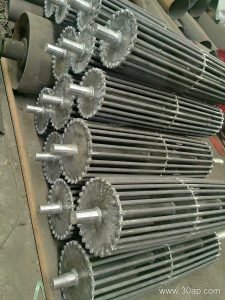
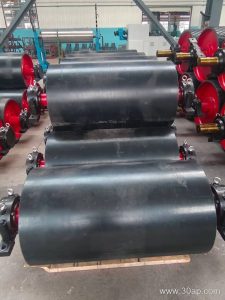
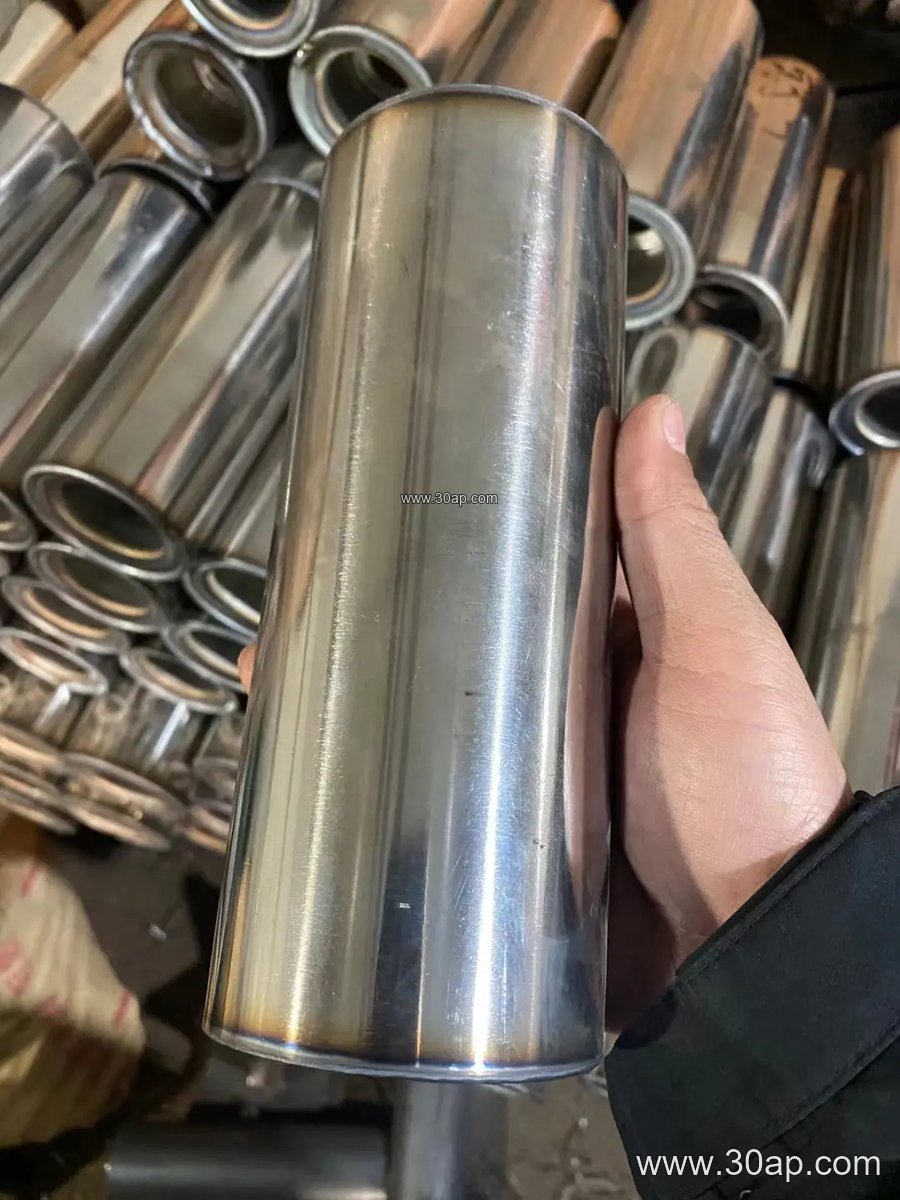
Most sand and gravel idlers use a steel tube shell, with bearing housings welded or pressed into each end. Common bearing sizes include 6204, 6205, 6305, 6306, 6308, and 6310; the choice depends on load and speed rather than a fixed rule. Seals are critical in dusty, wet, or abrasive conditions—labyrinth seals and contact seals are typical. The roller surface may be plain steel, nylon, ceramic, or rubber rings for cushioning. Shaft ends are usually flat or machined for mounting in the bracket slots.
For the carrying side, a three-roll troughing set is common. Roll length varies with belt width and trough angle; for example, a B800 belt might use roughly 315 mm rolls in a 35-degree trough, while a B1200 belt might use about 465 mm rolls. These are typical examples, not fixed pairings—side rolls and center rolls can differ, and the final dimensions are set by the conveyor design.
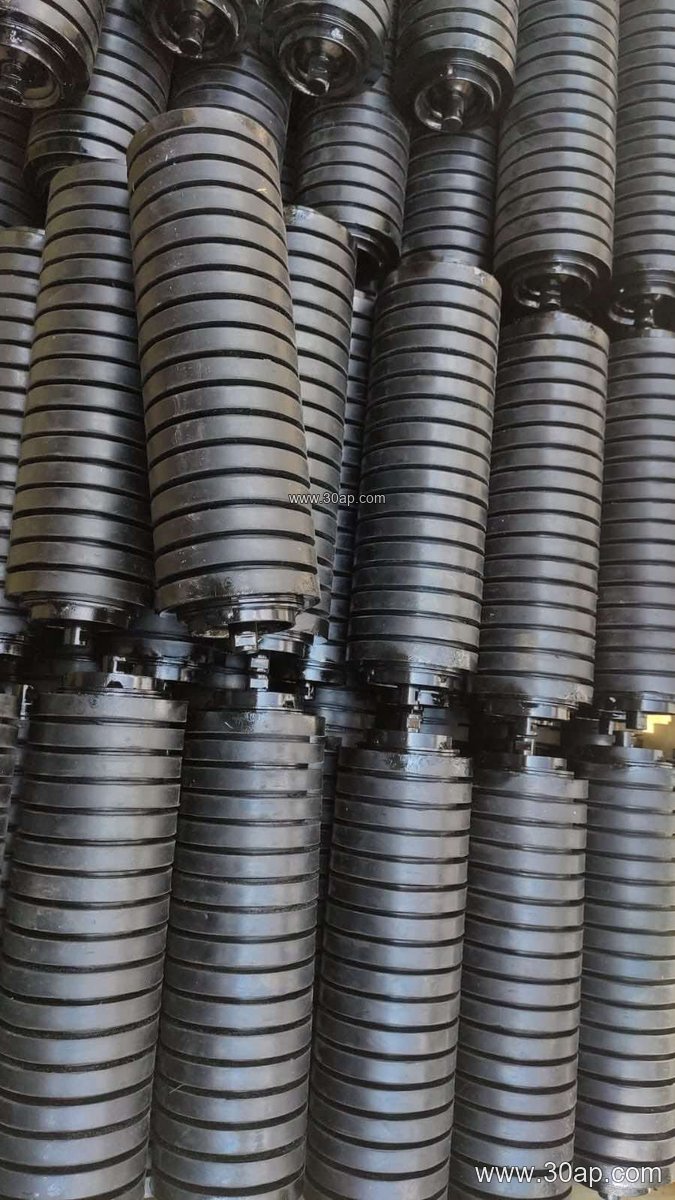
Where It Fits in the Plant
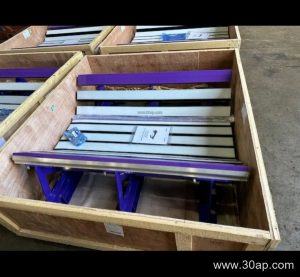
Sand and gravel operations are harsh on conveying equipment. Dust from crushing and screening penetrates seals, and wet material can stick to the belt. In a quarry or aggregate line, troughing idlers handle the primary load, while impact idlers or rubber-ring cushion idlers are placed under the loading point to absorb the drop of large rock. Return idlers support the belt on the return strand, and V-shaped return idlers help track the belt in dusty conditions. Self-aligning idlers are sometimes used on long runs to correct belt wander.
The same idler family appears in limestone mines, cement plants, and concrete batching stations, but the sand and gravel production line idler must often cope with highly abrasive aggregate and variable feed rates.
Common Sizes and Configurations
Idler diameters commonly range from Ø63 to Ø219 mm, and belt widths from B400 to B2400. Trough angles of 20, 30, 35, and 45 degrees are standard. The table below gives reference examples for three-roll troughing sets; actual roll lengths depend on the manufacturer and the conveyor design.
| Belt Width | Typical Roll Length (Three-Roll Trough) | Common Trough Angle |
|---|---|---|
| B500 | 200 mm | 20–35° |
| B650 | 250 mm | 20–35° |
| B800 | 315 mm | 30–35° |
| B1000 | 380 mm | 30–35° |
| B1200 | 465 mm | 30–45° |
| B1400 | 530 mm | 35–45° |
| B1600 | 600 mm | 35–45° |
| B1800 | 670 mm | 35–45° |
| B2000 | 750 mm | 35–45° |
Roll diameter and bearing size are selected together; a larger diameter does not automatically mean a larger bearing. Forward tilt of about 1.5 to 2 degrees is sometimes used on troughing idlers to help center the belt.
Buyer Checklist for Sand and Gravel Idlers
- Confirm the belt width and trough angle before choosing roll length—do not assume one roll length fits all belts of the same width.
- Match the idler diameter and bearing to the load and belt speed; a heavier aggregate load may call for a larger shaft and bearing.
- Specify the seal type for dusty or wet conditions; sand and gravel plants often need better sealing than general bulk handling.
- Decide whether standard steel, nylon, ceramic, or rubber-ring surfaces suit the application; rubber rings help at transfer points.
- Check that the conveyor bracket matches the shaft ends and mounting dimensions.
Maintenance is mostly about inspection: listen for squealing bearings, check for seized rollers, and replace worn idlers before they damage the conveyor belt. Keeping spare idlers and brackets on hand reduces downtime in a busy sand and gravel production line.