What a High-Strength Pulley Is
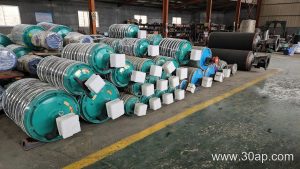
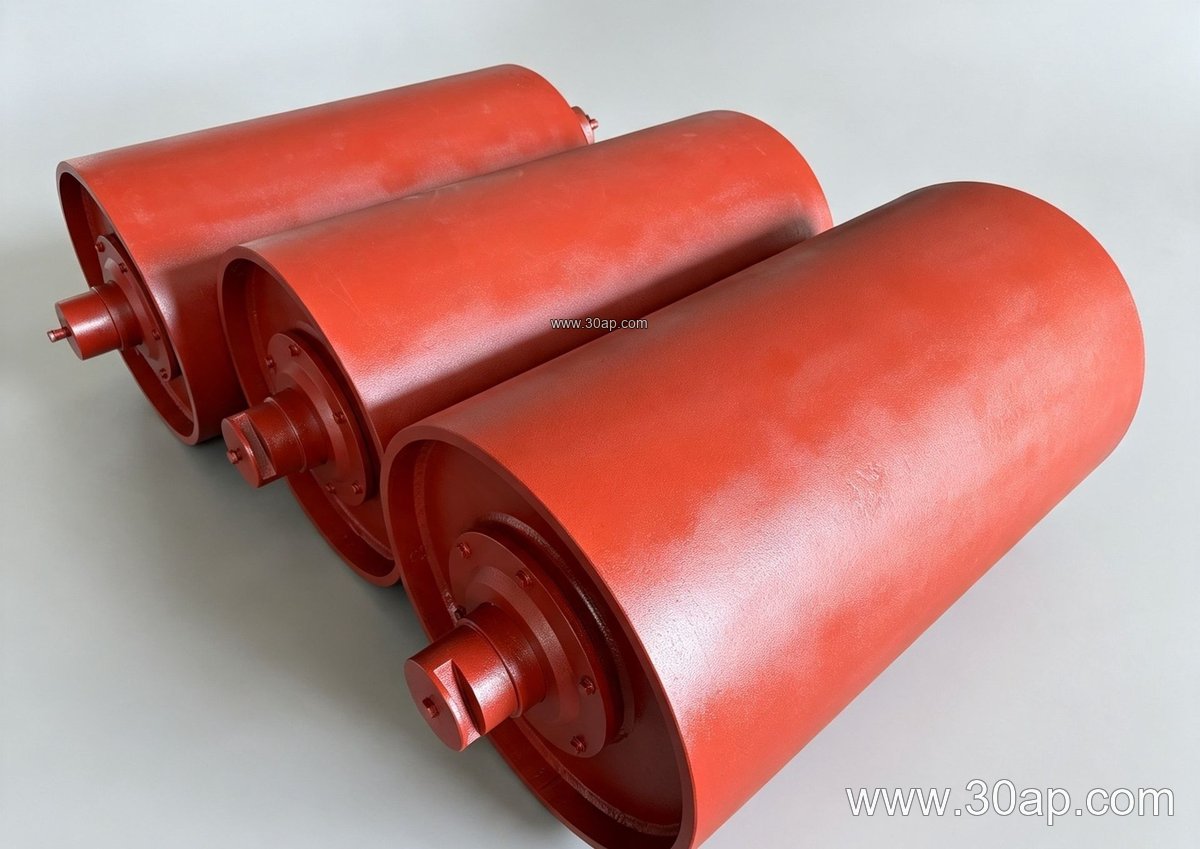
A high-strength pulley is a heavy-duty conveyor pulley built to withstand high tension, abrasive materials, and continuous operation in tough environments. Often referred to as a heavy-duty conveyor pulley or reinforced drum pulley, it serves as the driving, tail, or bend component that guides and supports the conveyor belt. Unlike standard pulleys, high-strength versions feature thicker shells, robust shaft connections, and reinforced end discs to handle elevated loads without deformation. In industries such as mining, cement plants, and aggregate quarries, these pulleys are critical for keeping material flow uninterrupted.
Construction and Key Features
The design of a high-strength pulley focuses on durability and reliability. Common construction elements include:
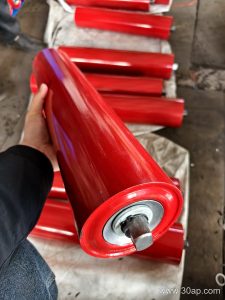
- Shell: Made from thick-walled steel tube, often machined for balance and concentricity. Diameters commonly range from Ø200 mm to Ø1800 mm, depending on belt width and tension requirements.
- Shaft: High-tensile alloy steel shaft with diameters typically from Ø50 mm to Ø200 mm, sized by torque and load, not by belt width alone.
- End Discs: Welded or bolted to the shell, with designs that reduce stress concentration.
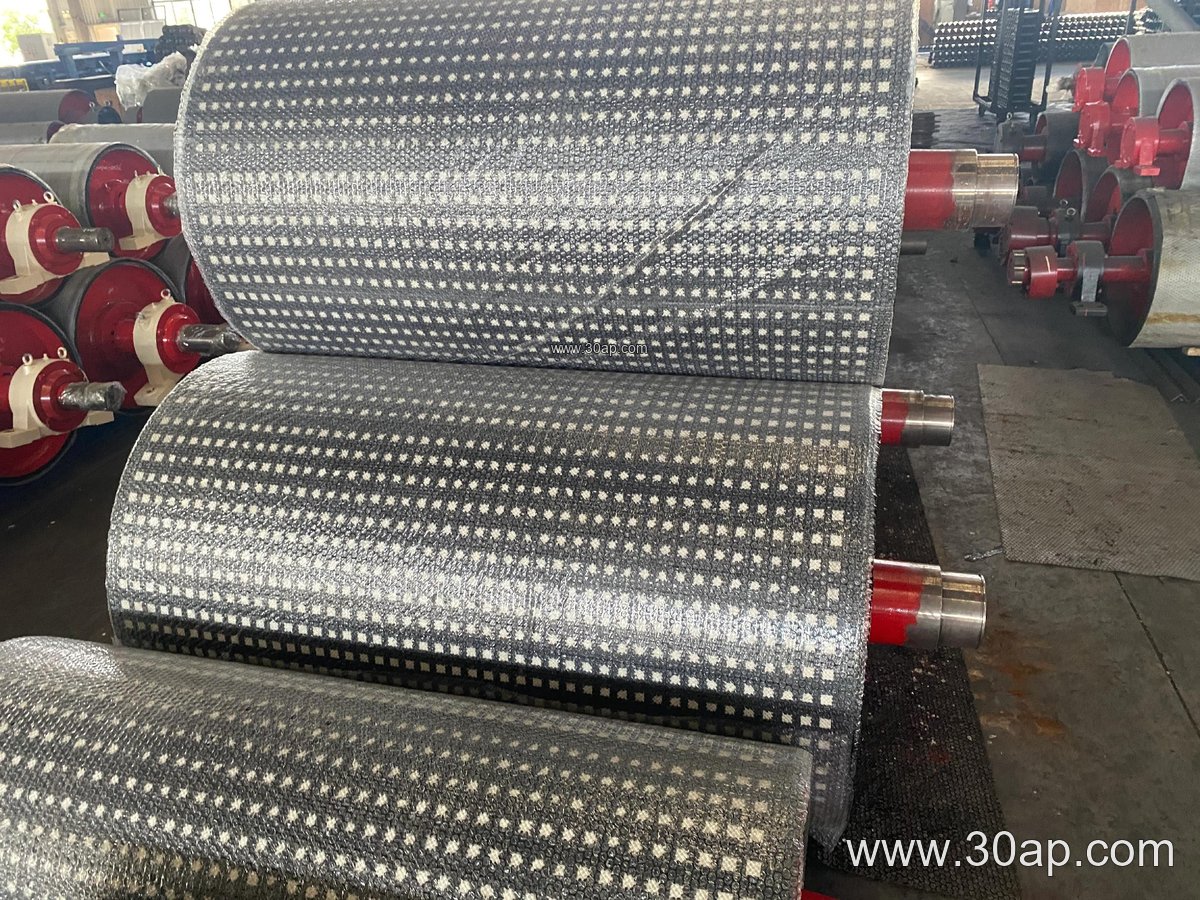
- Lagging: Rubber or ceramic lagging can be applied to improve grip. Common surface options include plain, diamond grooved, herringbone, and ceramic lagging, with thicknesses of 8, 10, 12, 15, or 20 mm.
- Bearing Housings: Heavy-duty bearings and seals for long service life in dusty or wet conditions.
These pulleys are often custom-engineered to match specific belt widths. For example, a B1200 belt might use a pulley with a face width around 1400 mm. However, the diameter is selected based on belt tension and wrap angle, not a fixed rule. A B800 system could employ a Ø500 mm pulley in one application and a Ø630 mm in another, depending on load.
Where High-Strength Pulleys Are Used
High-strength pulleys are essential in bulk material handling where reliability is non-negotiable. In coal washing plants, they drive conveyor belts that transport coal through processing stages. In limestone mines and aggregate production lines, they endure abrasive dust and heavy loads. Cement plants rely on them for clinker and raw material conveyors, while power plants use them in coal handling systems. The robust construction also suits port bulk terminals and steel mills, where continuous operation is critical. In all these settings, the pulley works in tandem with conveyor idlers, brackets, and the belt itself to maintain smooth movement.
Selection and Maintenance Tips
Choosing the right high-strength pulley involves more than picking a diameter. Buyers should consider:
- Belt width and tension: The pulley face width should exceed the belt width, e.g., B1000 belt typically needs a face width around 1150 mm.
- Load and torque: Shaft diameter must be calculated from actual torque and bending loads; never assume a shaft size from belt width alone.
- Surface lagging: For high-traction needs, diamond or ceramic lagging may be specified. In wet conditions, grooved lagging helps evacuate water.
- Environmental factors: Dust, moisture, and temperature influence bearing selection and sealing.
Regular inspection of lagging wear, bearing condition, and shell alignment extends pulley life. In high-strength designs, the thicker shell and reinforced welds reduce downtime, but periodic checks are still necessary.
Conclusion
A high-strength pulley is a vital component in heavy-duty conveyor systems, offering the durability needed for mining, cement, and aggregate operations. By understanding its construction, applications, and selection criteria, buyers can specify the right pulley for their belt width and load conditions, ensuring efficient and reliable material transport.