What the NN300 Conveyor Belt Is
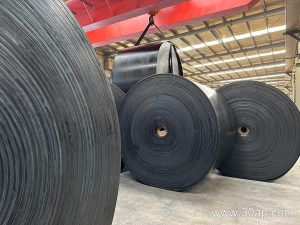
The NN300 Conveyor Belt is a nylon-nylon carcass rubber belt rated at a nominal breaking strength of 300 N/mm per ply. In practice, it belongs to the NN nylon conveyor belt family, and buyers often refer to it simply as an NN300 belt or a 300-grade nylon belt. It sits in the lower-middle strength range of that family, above lighter NN100 and NN200 grades and well below heavy-duty NN500 and NN630 constructions. That position makes it a practical choice for medium-duty bulk conveying where the belt must resist impact, flexing and moisture without the cost of a high-tension carcass.
The NN300 designation describes the fabric, not the finished belt alone. Both warp and weft are nylon, which gives the carcass high tensile strength, good fatigue resistance and strong adhesion between plies. Rubber cover grades are selected separately to suit the material being carried.
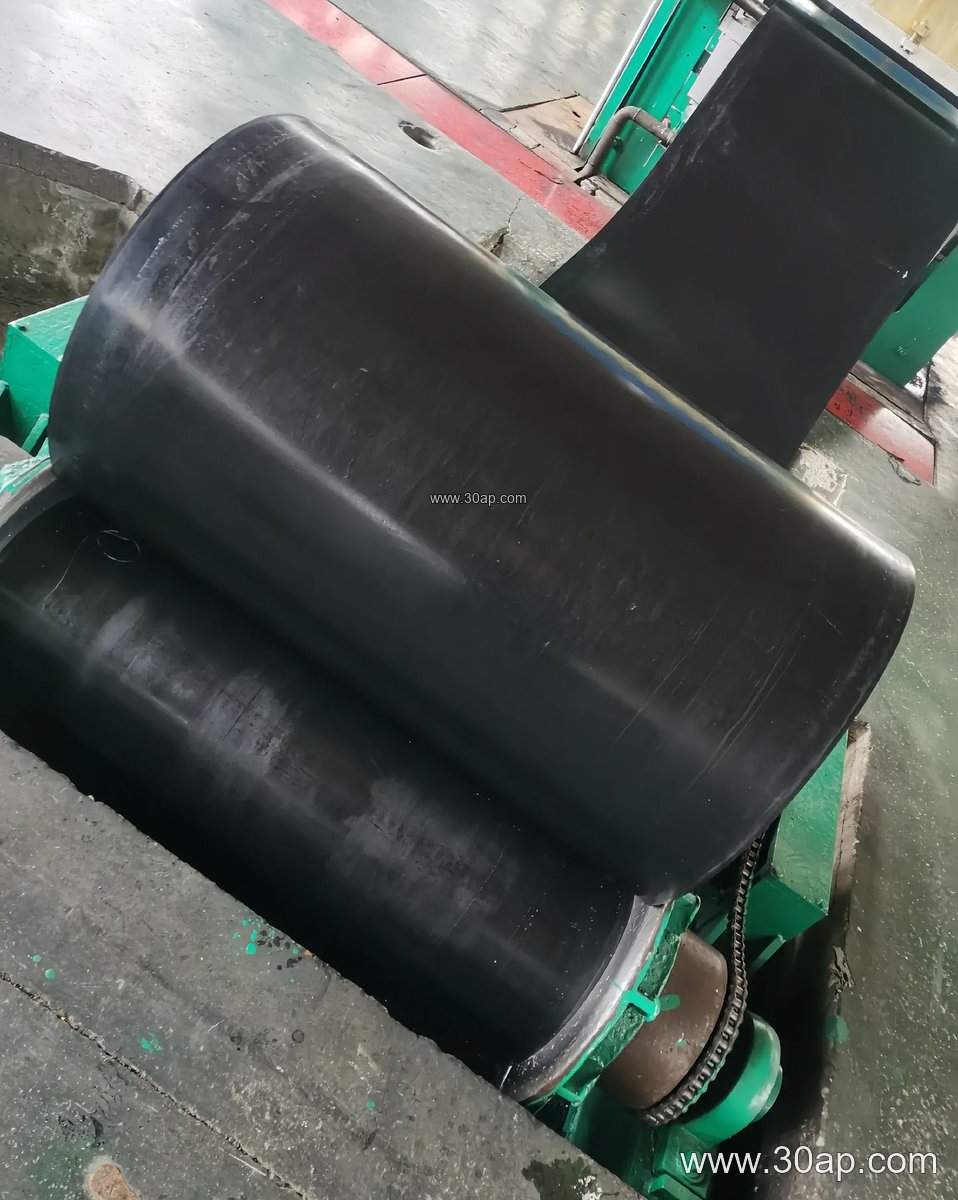
Construction and Typical Specifications
An NN300 belt is built from two to six plies of nylon fabric, bonded with a rubber skim and protected by top and bottom covers. Cover thickness is usually quoted as a pair, such as 4+2 mm or 5+2 mm. The figures below are common reference values; actual construction is confirmed by the manufacturer for each order.
| Parameter | Common Reference |
|---|---|
| Belt type | NN300 nylon conveyor belt |
| Nominal strength | 300 N/mm per ply |
| Carcass plies | 2 to 6 |
| Belt width | B500, B650, B800, B1000, B1200, B1400 |
| Cover thickness | 3+1.5, 4+2, 5+2, 6+2 mm |
| Cover options | wear-resistant, heat-resistant, oil-resistant, flame-retardant, antistatic, cold-resistant |
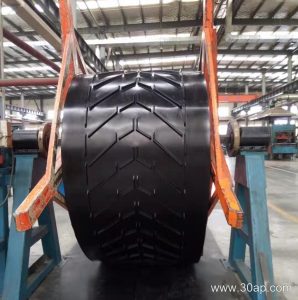
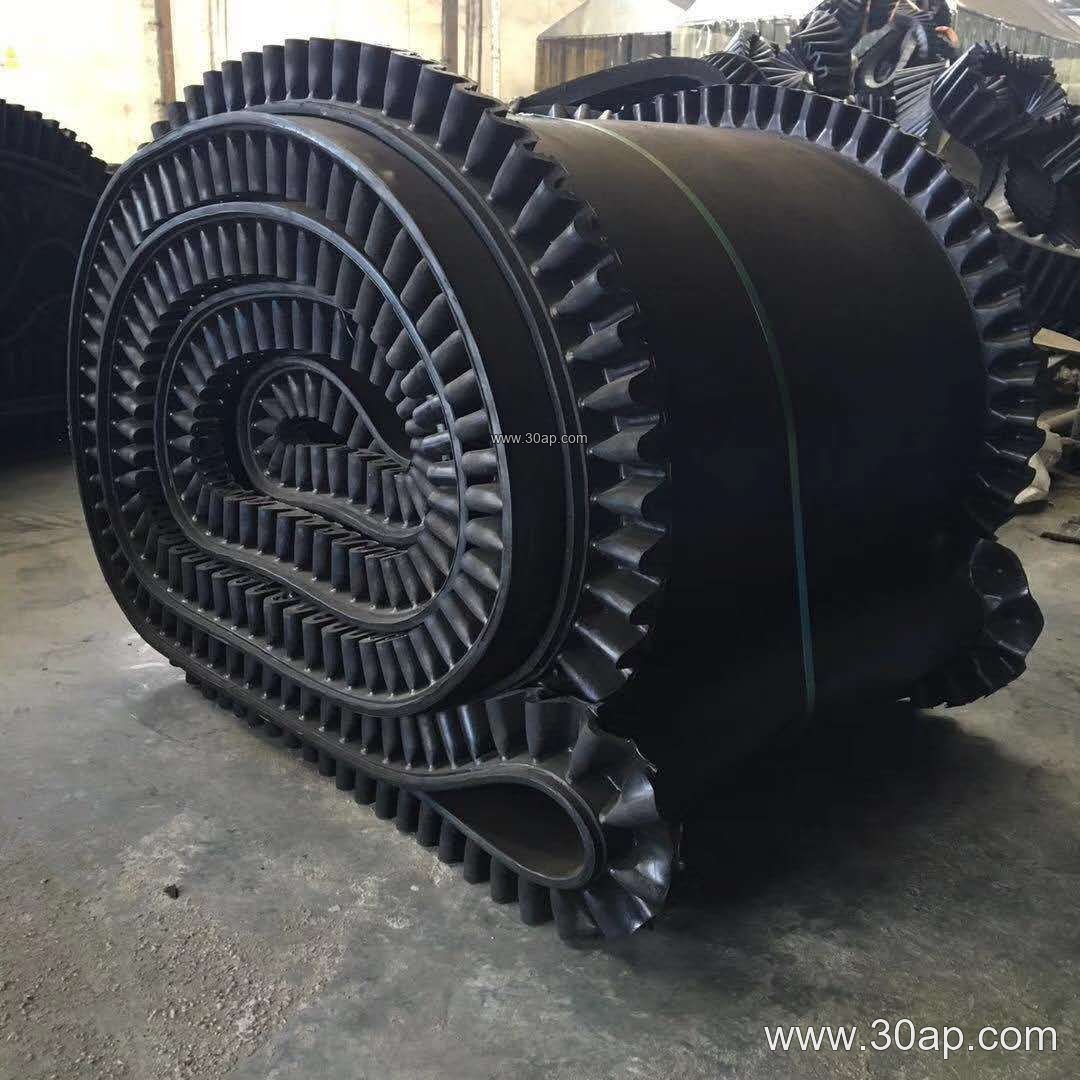
| Surface forms | smooth, patterned, chevron, sidewall |
Width and ply count are matched to the conveyor design, not chosen in isolation. A wider belt does not dictate a single pulley diameter, and shaft sizing follows the pulley and bearing design rather than belt width alone.
Where It Fits in the Plant
The NN300 Conveyor Belt is common in mines, coal preparation plants, cement works, power stations and sand and gravel yards. It handles crushed stone, clinker, coal, ore, sand and similar loose materials on medium-length conveyors. Because nylon stretches more than polyester under load, it suits systems where elasticity helps absorb shock at loading points and where take-up travel can accommodate start-up elongation.
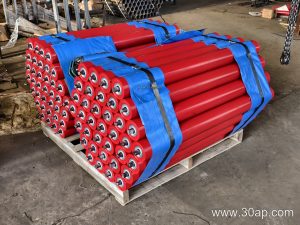
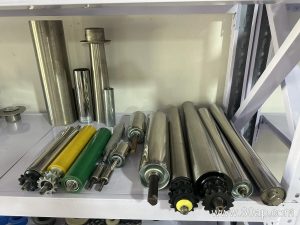
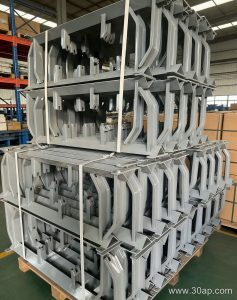
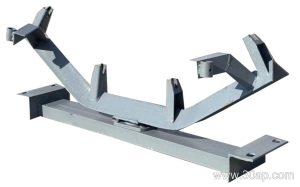
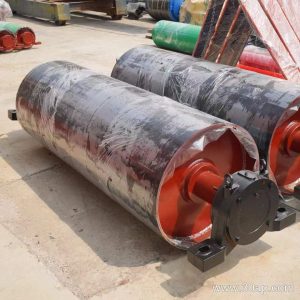
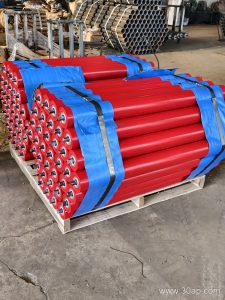
On the conveyor frame, the belt runs over idler rollers on the carrying side and return side, wraps the drive pulley and tail pulley, and is guided by bend pulleys and take-up arrangements. Conveyor brackets and stringers hold the idlers in alignment. Good alignment of these components protects belt edges and extends cover life.
Selecting the Right Grade
- Strength and plies: confirm the required tensile rating from the conveyor’s calculated belt tension, then choose the ply count that meets it with a sensible safety margin.
- Cover grade: use wear-resistant rubber for abrasive stone and clinker, heat-resistant grades for hot materials, oil-resistant covers where oil mist or oily feed is present, and flame-retardant antistatic grades in coal and other combustible-dust environments.
- Surface form: smooth covers suit inclined belts within friction limits; chevron or patterned surfaces help on steeper inclines; sidewall belts are used where material must be contained on steep lifts.
- Environment: cold-resistant compounds for freezing conditions, and acid-alkali resistant covers for chemical exposure.
For comparison, an EP conveyor belt uses polyester warp and nylon weft and generally offers lower stretch, while a steel cord belt is chosen for very high tension and long distances. The NN300 belt remains the appropriate choice when nylon’s impact tolerance and flexibility are the priority.
Installation and Maintenance Notes
Store belts away from direct sunlight and ozone sources, and handle rolls without dragging edges. During installation, check pulley alignment, idler roller rotation and skirt rubber clearance. Track the belt on run-in and adjust take-up gradually, since nylon carcass belts may need re-tensioning after the first days of operation. Inspect covers for cuts and worn edges, and repair small damage before moisture reaches the fabric. Keep loading chutes centered so material lands in the middle of the belt, and maintain conveyor brackets and frames so idlers stay square to the belt path.
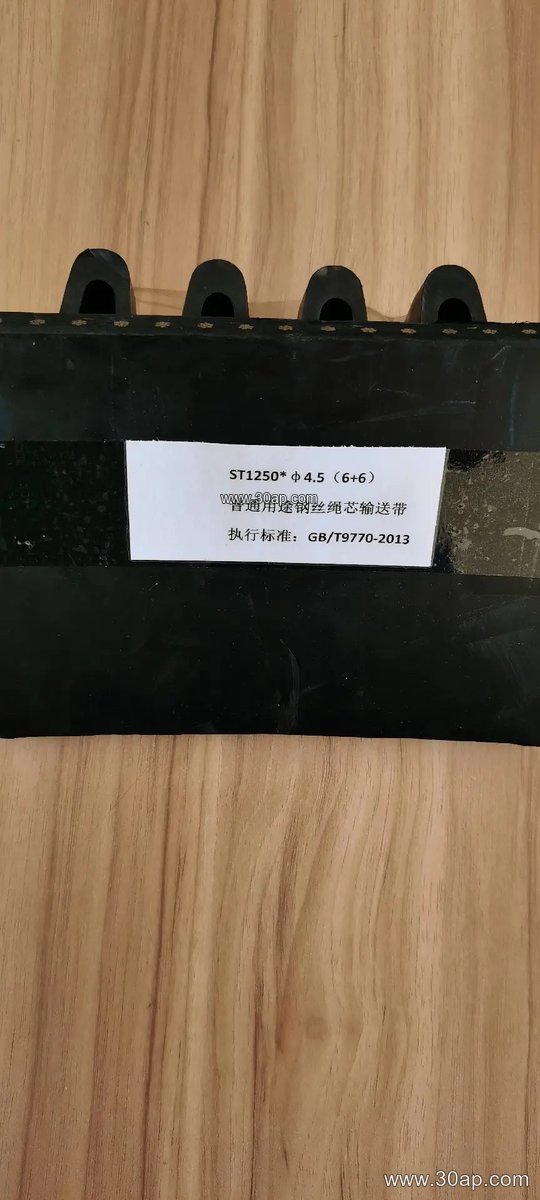
Buyers should request the manufacturer’s data sheet for the exact NN300 construction, cover grade and splice recommendation, because ply count, cover thickness and compound choice vary between suppliers and duty conditions.