What a Ceramic Lagged Pulley Is
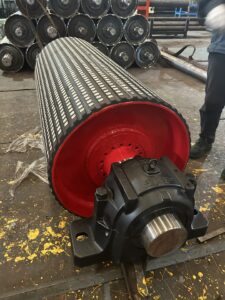
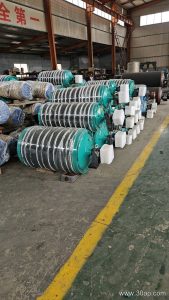
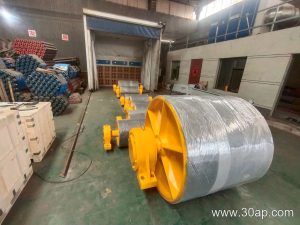
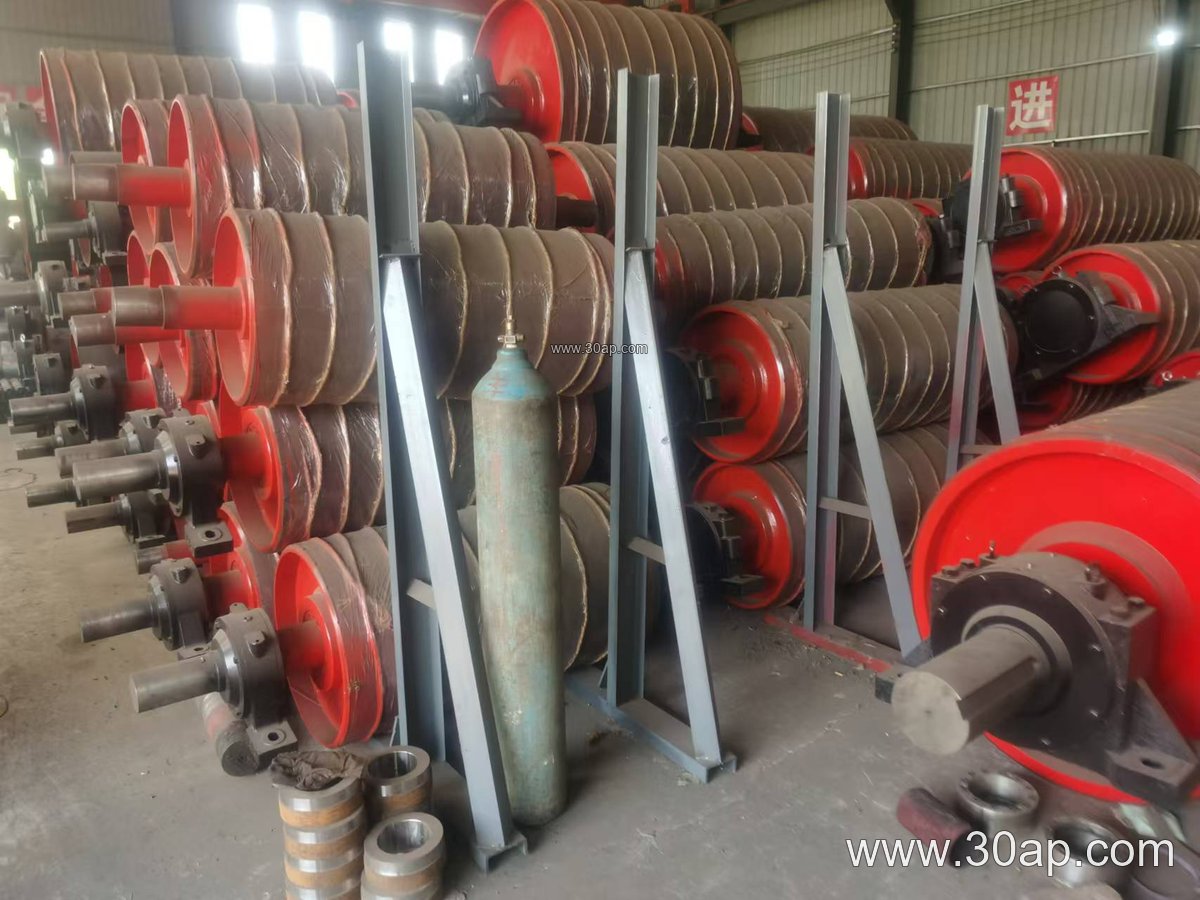
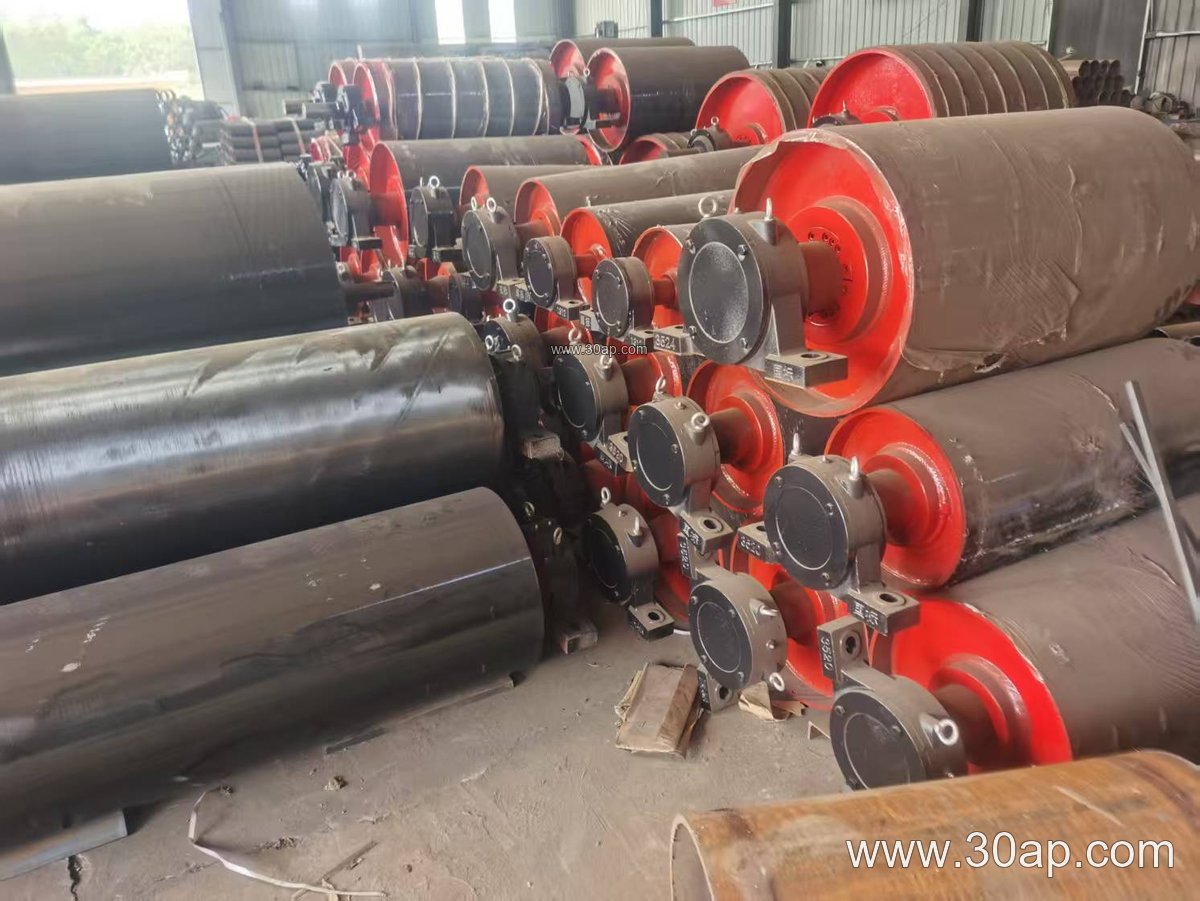
A ceramic lagged pulley is a conveyor pulley whose shell is covered with ceramic tiles set in a rubber or polymer backing. This ceramic lagging is a heavy-duty surface option for drive pulleys that need extra grip and abrasion resistance. The ceramic pieces, often small squares or rectangles with raised profiles, are bonded to the pulley surface to create a durable, high-friction layer. This type of pulley is common in demanding industries such as mining, coal preparation, cement plants, and power station coal handling, where the conveyor belt carries abrasive materials and operates under wet or dirty conditions.
Construction and Key Components
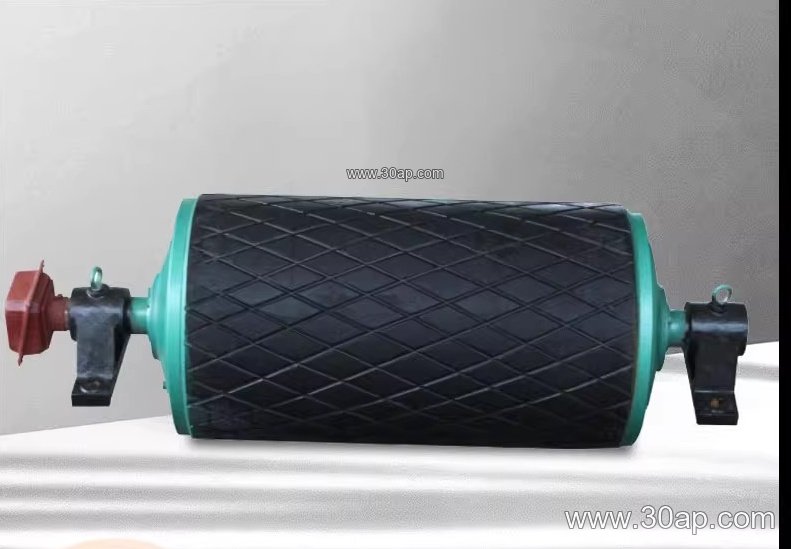
The ceramic lagged pulley is built around a steel shell, which is machined and balanced for smooth rotation. The lagging consists of ceramic tiles embedded in a rubber matrix. The rubber provides flexibility and cushioning, while the ceramic tiles deliver wear resistance and a consistent coefficient of friction. Common tile shapes include square, rectangular, and diamond patterns. The backing rubber thickness typically ranges from 8 mm to 20 mm, depending on the application. The pulley is mounted on a shaft with bearings and locking assemblies, and it may be supplied with a conveyor bracket for easy installation. The ceramic lagging is usually applied to drive pulleys, head pulleys, and sometimes tail pulleys where slip is a concern.
Where Ceramic Lagging Makes a Difference
In a quarry or sand and gravel line, the conveyor belt often runs in wet, muddy conditions. A standard rubber lagged pulley may lose grip, causing belt slip and increased wear. The ceramic lagged pulley maintains traction because the ceramic tiles penetrate the water film and provide positive engagement with the belt. In coal washing plants, the combination of fine particles and moisture can make smooth pulleys ineffective. Ceramic lagging helps keep the drive pulley efficient and reduces the risk of belt slippage. Similarly, in cement plants handling clinker and limestone, the abrasive nature of the material demands a pulley surface that resists wear. The ceramic lagged pulley can outlast plain steel or rubber lagged pulleys in these environments.
Typical Sizes and Configurations
Ceramic lagged pulleys are available in a range of sizes to match conveyor belt widths. The table below shows common combinations, but these are reference examples only and not fixed rules. Pulley diameter and face width should be selected based on the specific conveyor design, belt tension, and torque requirements.
| Belt Width (mm) | Typical Pulley Face Width (mm) | Common Pulley Diameter (mm) |
|---|---|---|
| B400 | 500 | Ø200, Ø250, Ø315 |
| B500 | 600 | Ø250, Ø315, Ø400 |
| B650 | 750 | Ø315, Ø400, Ø500 |
| B800 | 950 | Ø400, Ø500, Ø630 |
| B1000 | 1150 | Ø500, Ø630, Ø800 |
| B1200 | 1400 | Ø630, Ø800, Ø1000 |
| B1400 | 1600 | Ø800, Ø1000, Ø1250 |
| B1600 | 1800 | Ø1000, Ø1250, Ø1400 |
| B1800 | 2000 | Ø1250, Ø1400, Ø1600 |
| B2000 | 2200 | Ø1400, Ø1600, Ø1800 |
Shaft diameters are determined by the torque and load, not solely by belt width. Common shaft sizes include Ø50, Ø60, Ø70, Ø80, Ø90, Ø100, Ø120, Ø140, Ø160, Ø180, and Ø200 mm. The ceramic lagging thickness is often 10 mm, 12 mm, or 15 mm, with 20 mm available for very harsh conditions.
Selection and Maintenance Tips
When choosing a ceramic lagged pulley, consider the material being conveyed, the operating environment, and the belt tension. For high-torque drive applications, ceramic lagging provides reliable grip. However, it is not a substitute for proper belt tracking and maintenance. Inspect the ceramic tiles regularly for cracks or missing pieces, and check the rubber backing for wear. Ensure that the conveyor belt is properly tensioned and that the pulley is aligned with the idler rollers and other conveyor pulleys. In dusty or wet conditions, keep the pulley surface clean to maintain friction. A ceramic lagged pulley is a durable investment for conveyor systems that face severe wear and slip challenges.