What an Assembled Pulley Is
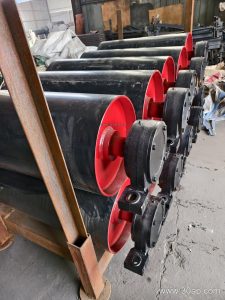
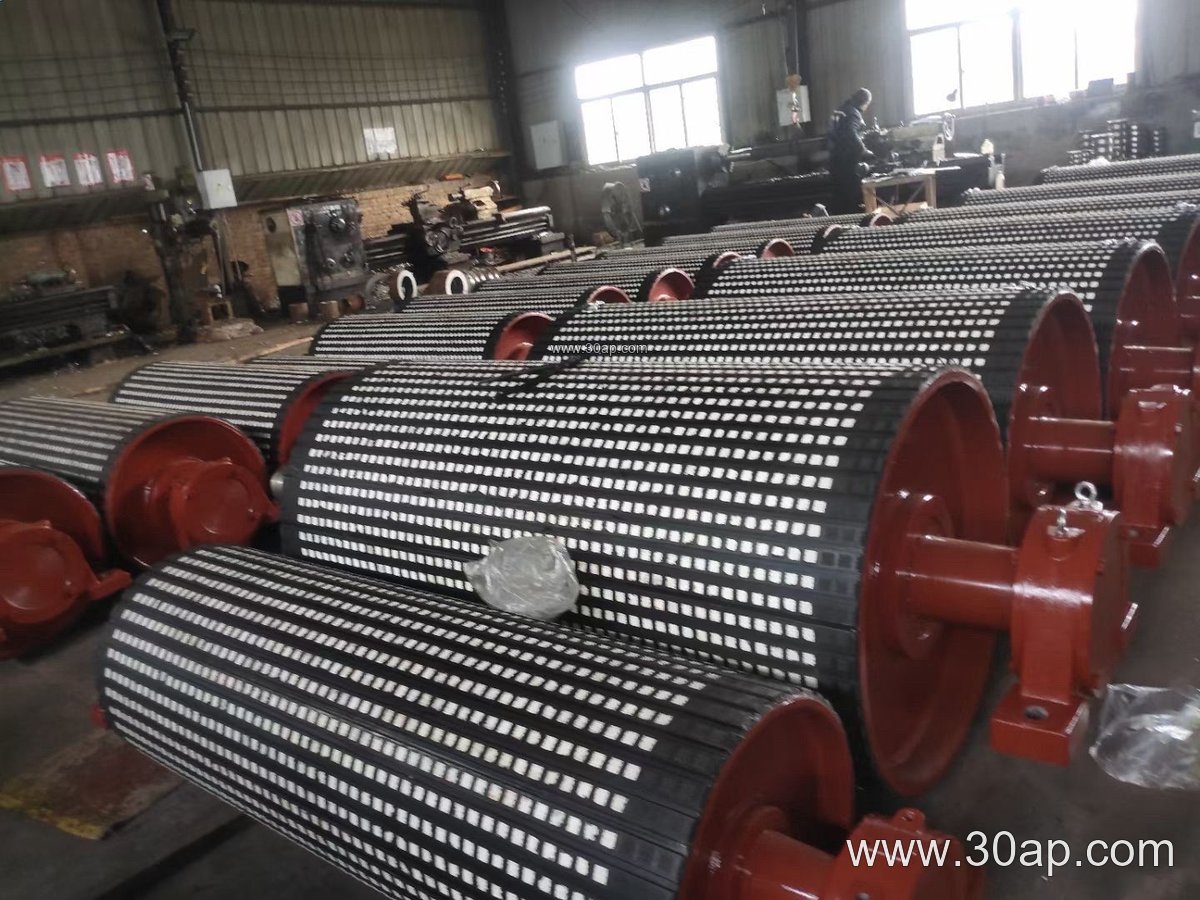
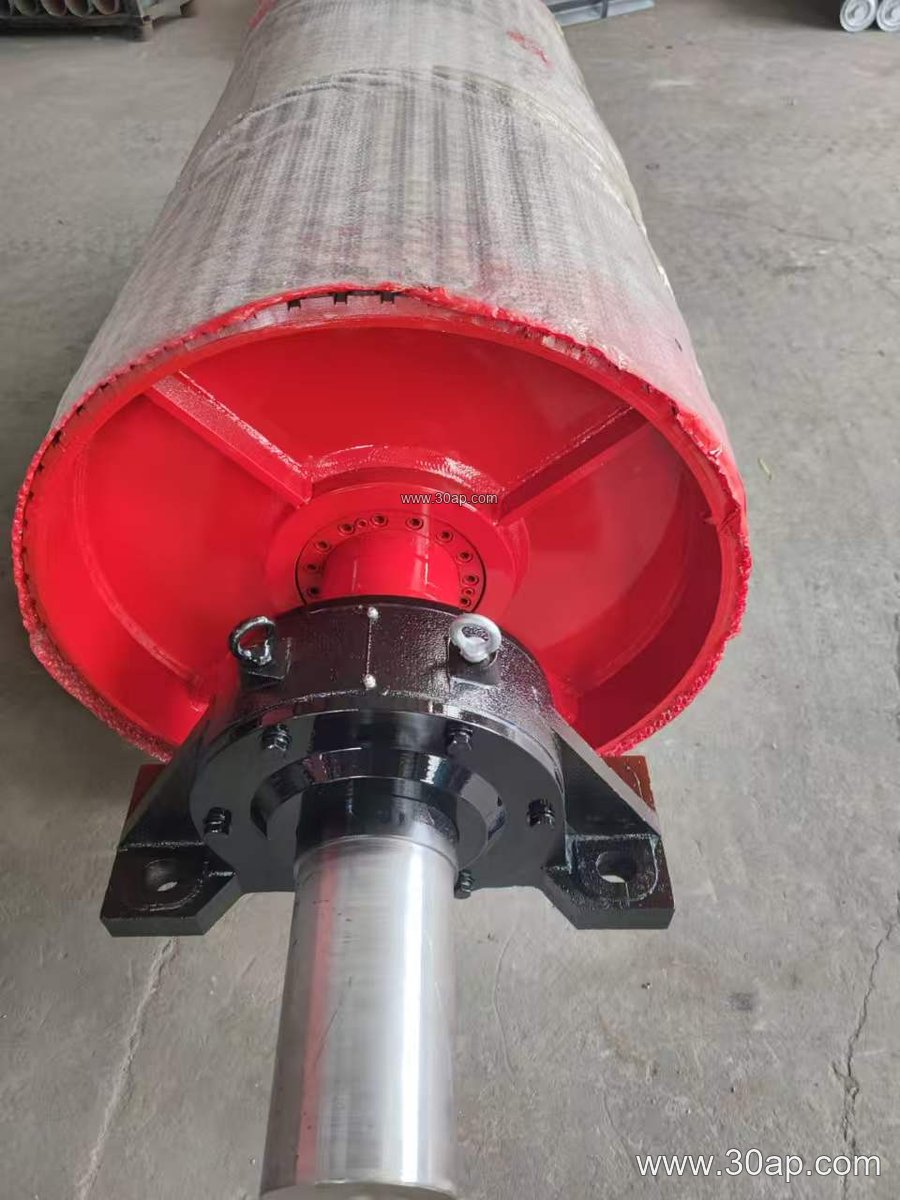
An assembled pulley is a complete conveyor pulley delivered as a finished unit rather than as separate parts. The shell, shaft, hubs, bearing housings, and lagging are already fitted and aligned, so the unit can be lifted into a conveyor frame and connected to the drive or take-up system. In a crushing and screening line, this ready-to-mount condition shortens installation time and reduces the risk of mismatched components.
The same product is also called a complete conveyor pulley or a pre-assembled pulley. It is not the same thing as a drive pulley, tail pulley, or bend pulley; those names describe the role a pulley plays in a conveyor. An assembled pulley can serve any of those roles depending on where it is placed.
How the Unit Is Built
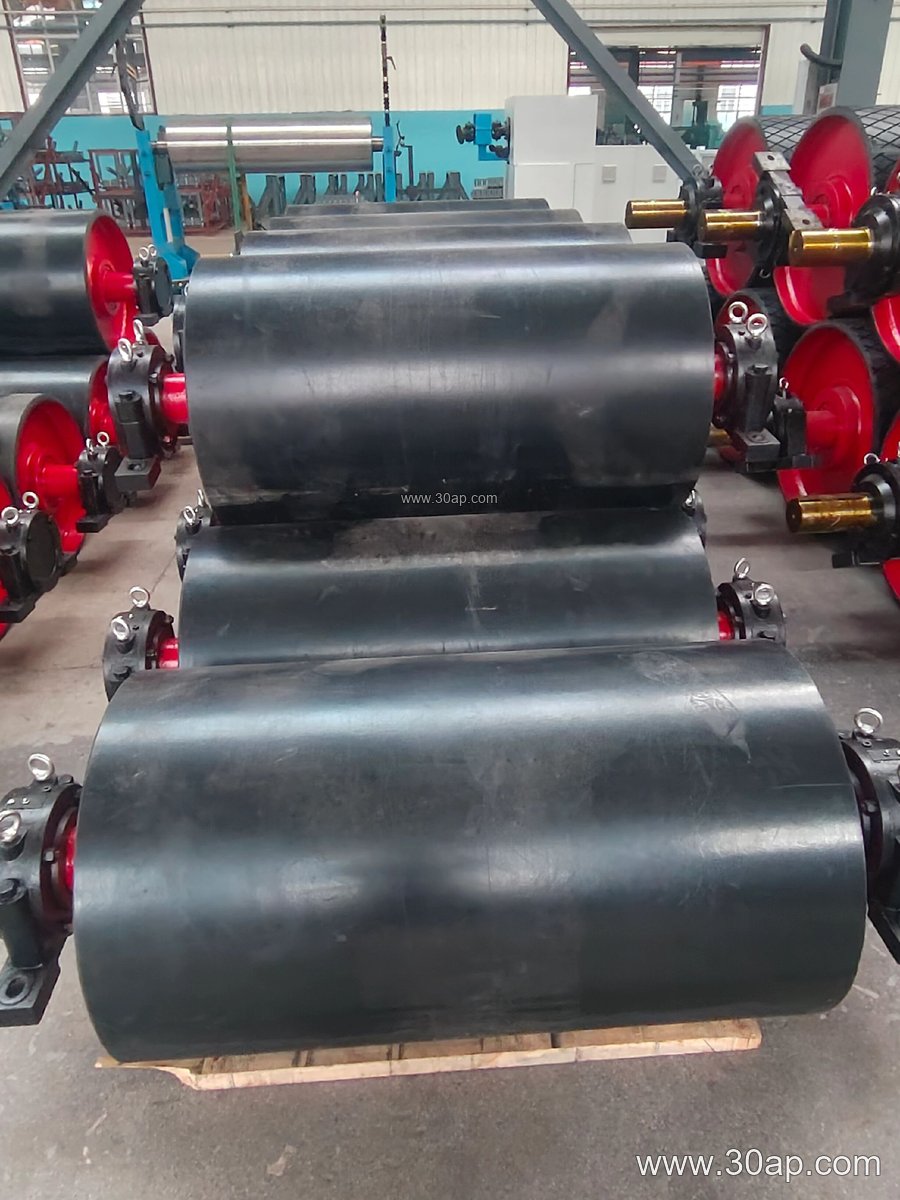
A typical assembled pulley combines a rolled steel shell, a through shaft or stub shafts, welded or keyed hubs, and bearing assemblies in sealed housings. Lagging may be bonded to the shell before dispatch. Common surface forms include plain finish, cast rubber, cold-bonded rubber, hot-vulcanized rubber, diamond grooving, herringbone grooving, ceramic lagging, and flat rubber sheet. Lagging thickness is often 8, 10, 12, 15, or 20 mm, chosen according to grip and wear requirements.
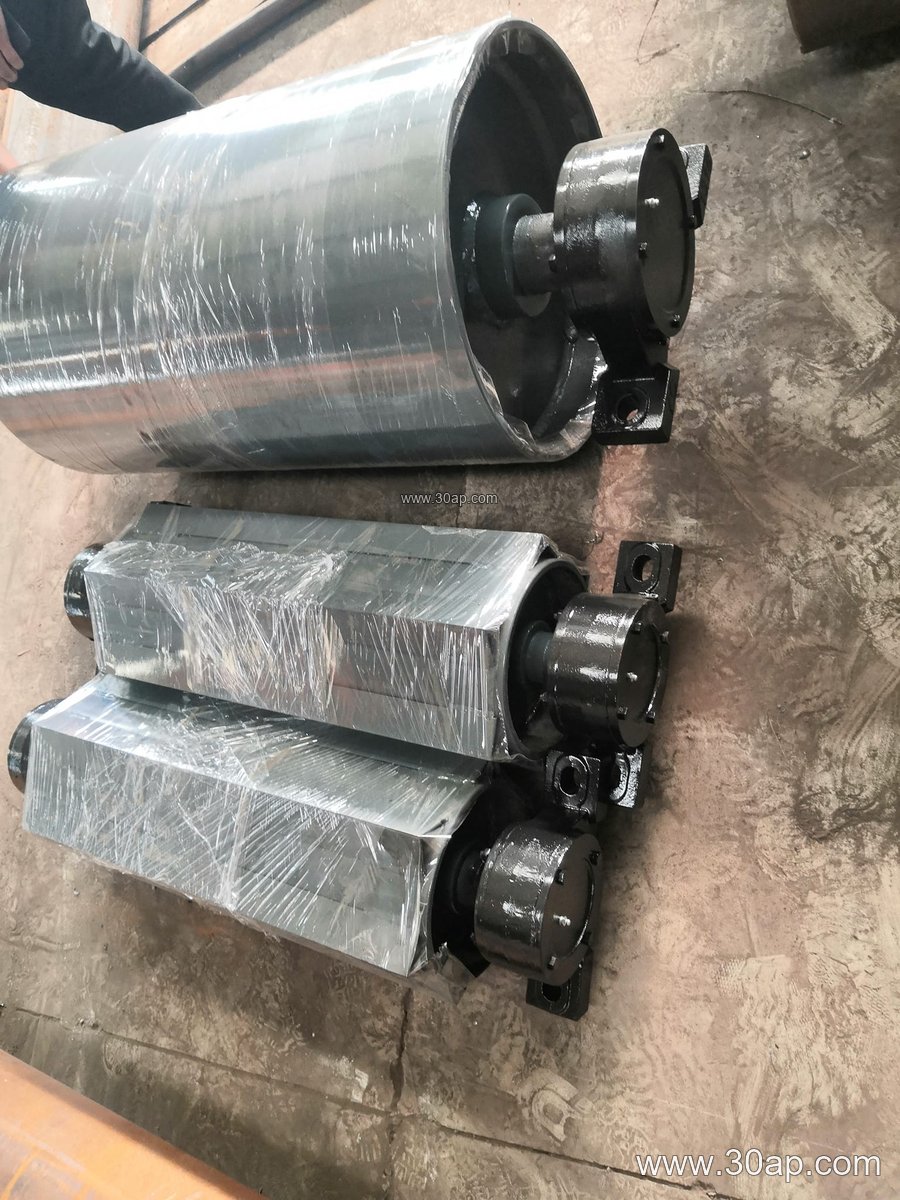
Because the pulley arrives assembled, the buyer should confirm that the shaft ends, bearing type, and lubrication arrangement match the conveyor bracket and drive coupling before delivery. Shaft diameter is determined by torque and load, not by belt width alone; typical shaft sizes range from Ø50 to Ø200 depending on duty.
Where Assembled Pulleys Are Used
These units appear wherever a conveyor belt changes direction or transmits power. In a coal preparation plant, an assembled pulley at the head end drives the belt while a bend pulley guides the return strand. In a cement plant handling clinker, lagged assembled pulleys improve grip on steep inclines. Power plant coal handling, port bulk terminals, and sand and gravel yards also rely on pre-assembled pulleys for faster maintenance.
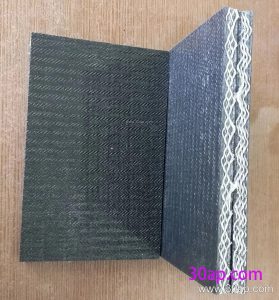
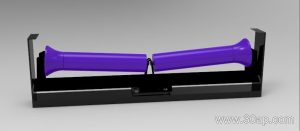
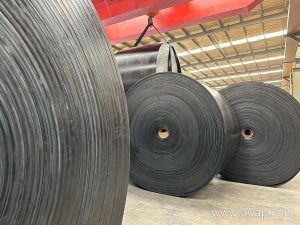
Other equipment nearby usually includes the conveyor belt itself, idler rollers supporting the carrying strand, and conveyor brackets holding the pulley bearings. A tail pulley tensions the belt, while a take-up pulley maintains tension during operation; these are roles, not separate product categories.
Sizing Reference for Buyers
Face width is normally a little wider than the belt. The table below gives common reference combinations; final dimensions are set by design.
| Belt width | Typical face width | Example diameter |
|---|---|---|
| B400 | about 500 mm | Ø200 to Ø315 |
| B500 | about 600 mm | Ø250 to Ø400 |
| B650 | about 750 mm | Ø315 to Ø500 |
| B800 | about 950 mm | Ø400 to Ø630 |
| B1000 | about 1150 mm | Ø500 to Ø800 |
| B1200 | about 1400 mm | Ø630 to Ø1000 |
| B1400 | about 1600 mm | Ø800 to Ø1250 |
| B1600 | about 1800 mm | Ø1000 to Ø1400 |
| B1800 | about 2000 mm | Ø1250 to Ø1600 |
| B2000 | about 2200 mm | Ø1400 to Ø1800 |
These ranges are reference data, not fixed pairings. A B800 conveyor might use a Ø500 pulley in one plant and a Ø630 unit in another, depending on belt speed, wrap angle, and load. Diameter choices usually fall among Ø200, Ø250, Ø315, Ø320, Ø400, Ø500, Ø630, Ø800, Ø1000, Ø1250, Ø1400, Ø1600, and Ø1800.
Selection and Maintenance Notes
- Confirm the pulley role: drive, tail, bend, take-up, or snub position changes the required lagging and diameter.
- Match lagging to conditions: ceramic or diamond grooving for wet, gritty service; plain or flat rubber for gentler duties.
- Check bearing housing fit against the conveyor bracket and verify shaft alignment before tensioning the belt.
- Inspect lagging wear and bearing seals periodically, especially in dusty quarry or sinter plant environments.
An assembled pulley simplifies replacement, but it still needs correct specification. Buyers should share belt width, expected load, pulley position, and environmental conditions so the supplier can propose a suitable shell, shaft, and surface finish.