What an Aggregate Conveyor Belt Does
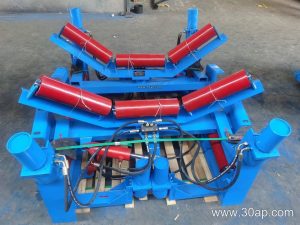
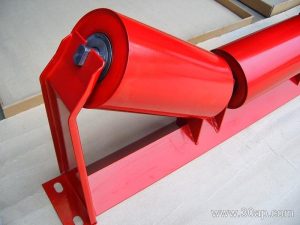
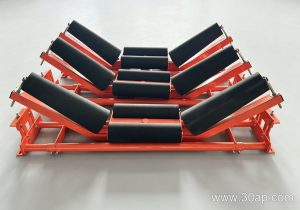
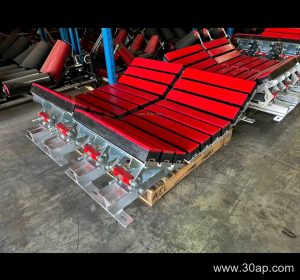
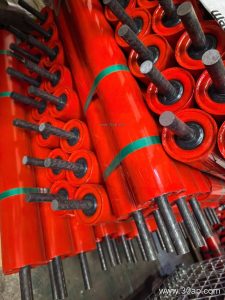
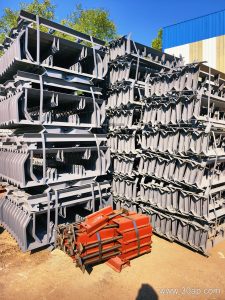
An aggregate conveyor belt is the load-carrying element of a bulk handling line, moving crushed stone, sand, gravel and screened material between a hopper, a crusher, a screen deck and a stockpile. In a quarry, sand and gravel plant, cement works or power station yard, the belt is the part that touches the material continuously, so its cover compound and carcass decide how long the line runs before a splice or replacement is needed. A conveyor belt of this kind works together with idler rollers that support the carrying run, a conveyor pulley at the head and tail, and a conveyor bracket that holds the frame and rollers in line.
Construction and Material Options
The belt body is a rubber or PVC-based composite: a carcass of fabric plies or steel cords, a top cover, a bottom cover, and often a breaker layer. For aggregate duty the common carcass choices are EP fabric (polyester warp, nylon weft) and NN nylon fabric, while steel cord construction is reserved for long, high-tension lines. Cover rubber is usually selected for abrasion resistance, since sharp, angular crushed rock is the main wear agent.
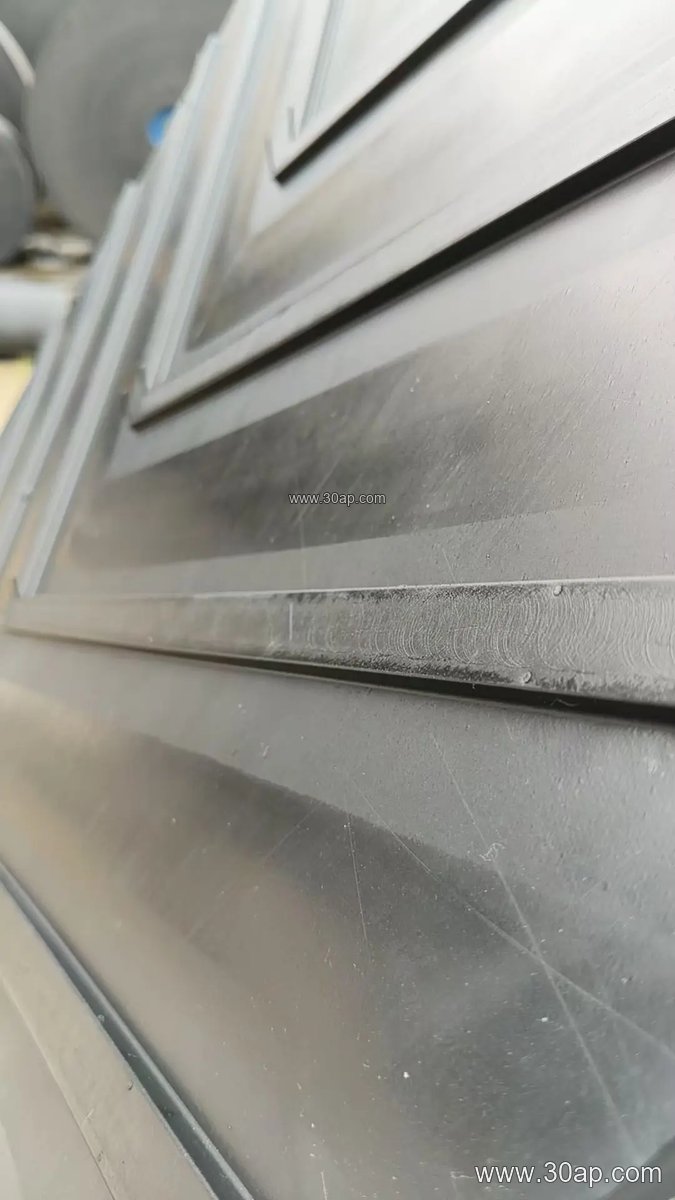
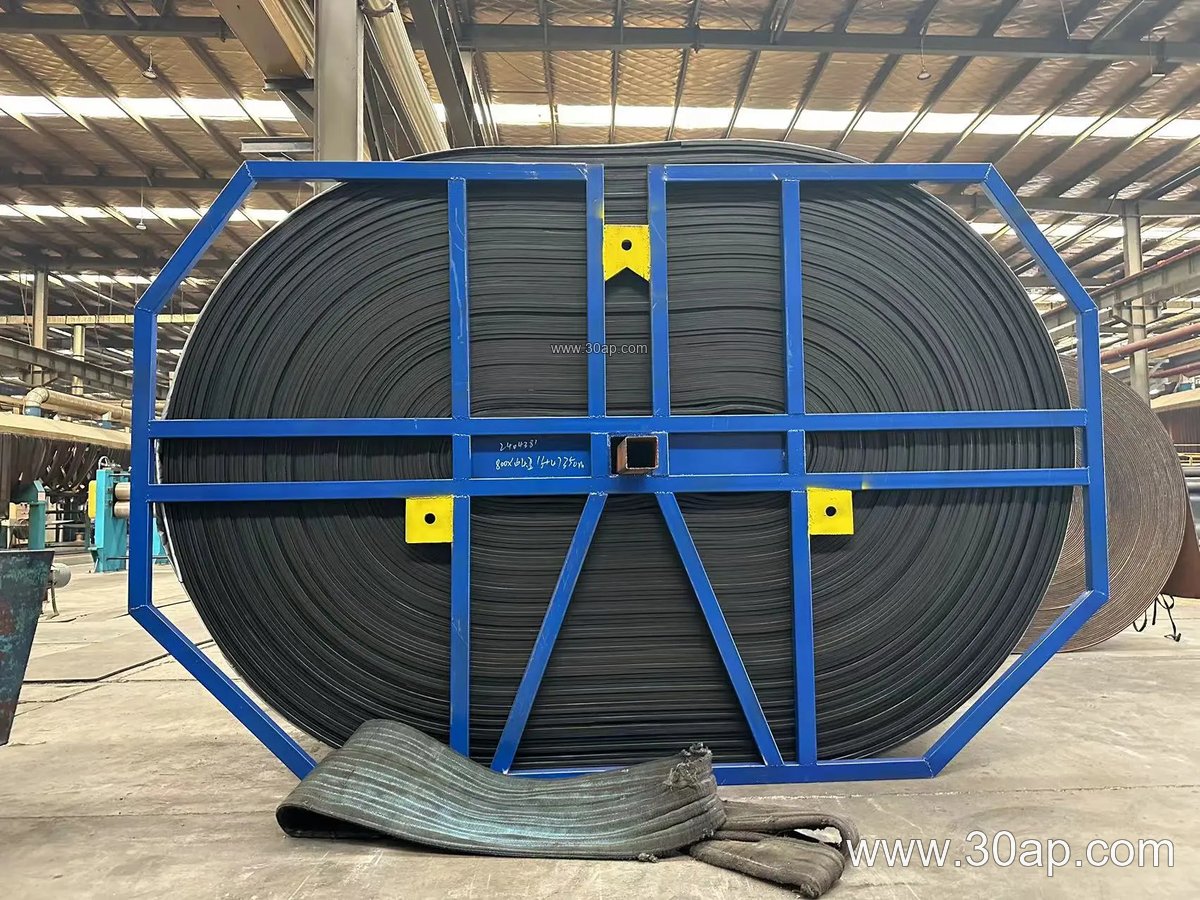
- EP fabric belt: good fatigue resistance and low stretch, widely used on plant and yard conveyors.
- NN nylon belt: high tensile strength and impact tolerance, useful after a primary crusher.
- Steel cord belt: for long overland runs and high tonnage where fabric plies would need too many layers.
- PVC or PVG belt: often chosen where fire resistance or oil resistance matters, for example in some coal handling areas.
Cover thickness is normally described as top plus bottom, for example 4+2 mm or 5+2 mm, and thicker covers such as 6+2 mm and 8+3 mm are used where the material is coarse and highly abrasive. Carcass ply counts commonly range from 2 to 6 layers depending on the duty.
Common Specifications and Reference Data
The table below shows typical reference values; actual selection should follow the conveyor design, material lump size and tonnage. These are not fixed pairings and not a supply promise.
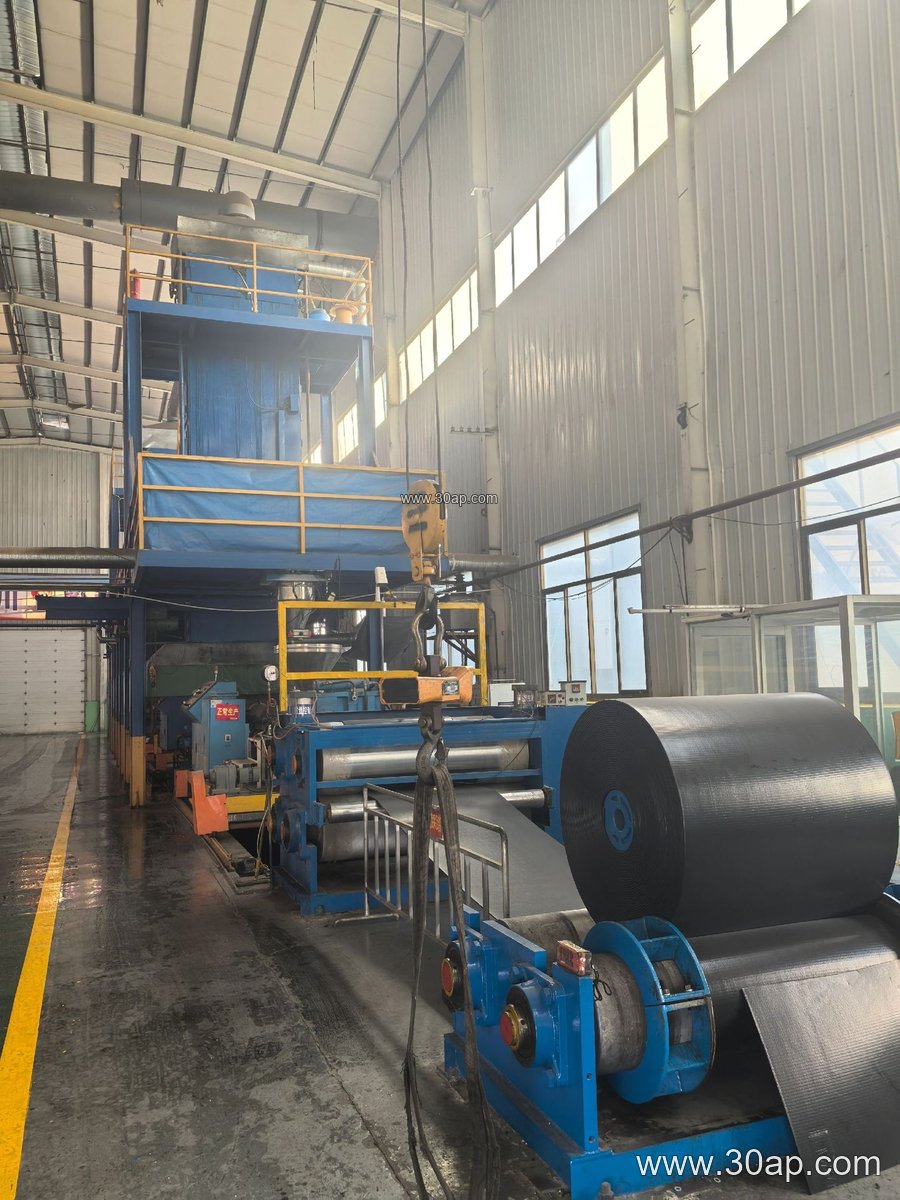
Belt Strength Grades (EP Series)
| Grade | Typical Use |
|---|---|
| EP200 | Light plant and transfer conveyors |
| EP315 / EP400 | Medium-duty screen feed and stockpile belts |
| EP500 / EP630 | General quarry and cement plant lines |
| EP800 / EP1000 | Heavier primary and secondary crushing circuits |
| EP1250 / EP1600 / EP2000 | High-tension main haulage belts |
Belt Width
| Width | Notes |
|---|---|
| B500 / B650 | Small transfer and sampling belts |
| B800 / B1000 | Common plant and screen feed widths |
| B1200 / B1400 | Main quarry and cement lines |
| B1600 / B1800 / B2000 | High-capacity primary haulage |
Width should be matched to the largest lump size and the required capacity, and it is set by the conveyor design rather than by a single standard rule. A wider belt does not automatically require a specific pulley diameter; the head, tail and bend pulleys are sized from belt tension, wrap angle and shaft load, and they are separate components with their own duties.
Surface Forms and Special Duties
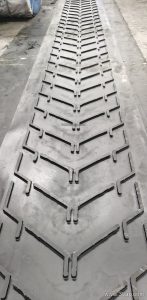
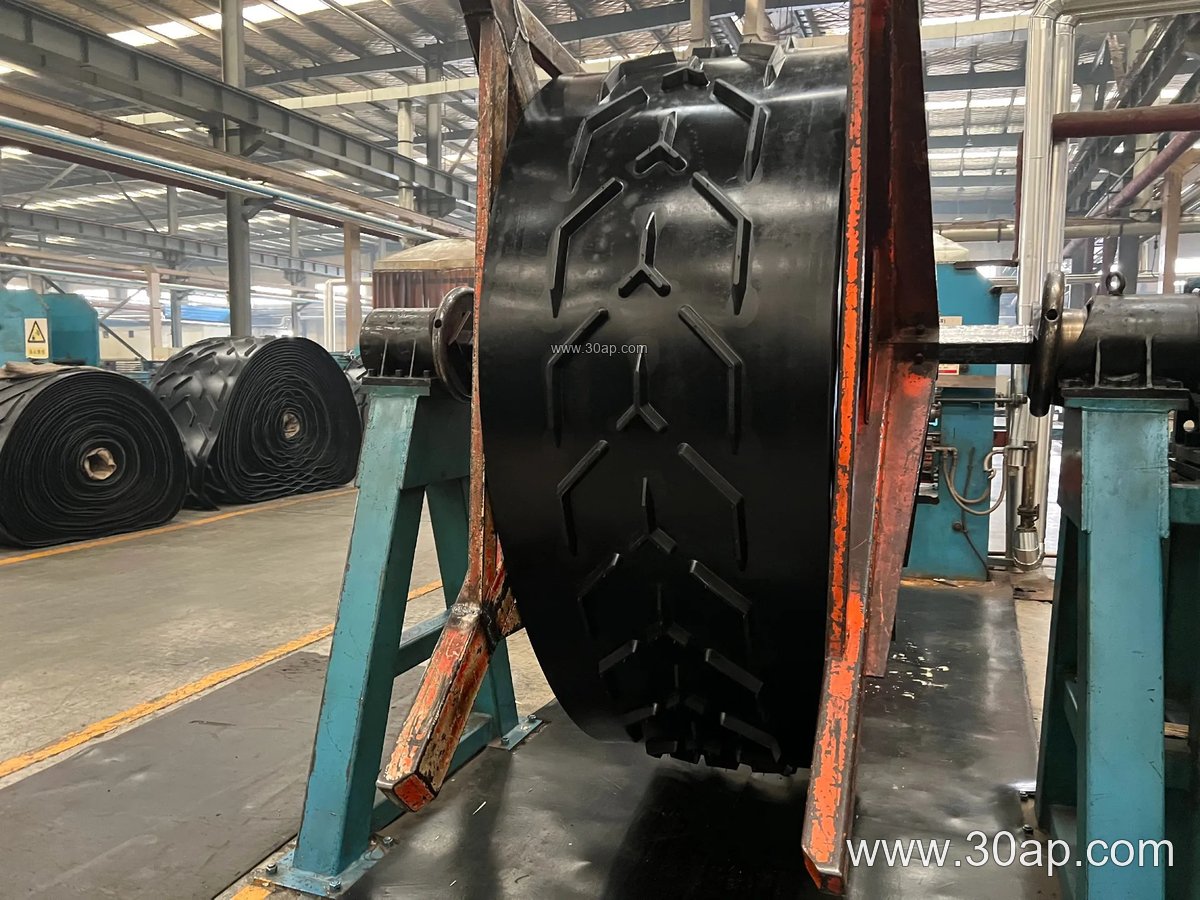
Plain smooth covers suit most horizontal and inclined aggregate runs. Where the incline is steep, a patterned belt with a chevron or herringbone profile can help hold material, and a corrugated sidewall belt is used for confined, steep lifts. Heat-resistant, oil-resistant, flame-retardant and antistatic grades are available for cement kiln areas, coal yards and similar environments; cold-resistant compounds are used in northern quarries and winter stockpiling.
Where It Is Used
Typical installations include limestone and granite quarries, sand and gravel washing plants, ready-mix aggregate yards, cement raw-material and clinker lines, coal preparation plants, and power station coal yards. In these sites the belt works beside idler rollers, head and tail pulleys, and support brackets, and the whole line is often enclosed or fitted with skirts and scrapers to control dust and spillage.
What a Buyer Should Check
- Material: rock type, lump size, moisture and temperature, which drive cover grade and thickness.
- Duty: tonnage per hour, belt speed and incline, which set the required tension grade and width.
- Carcass: EP or NN fabric versus steel cord, and the number of plies.
- Environment: dust, oil, fire risk and cold, which may call for a special compound.
- Interface: pulley diameters, trough angle of the idler rollers, and splice type, all confirmed with the conveyor designer.
- Maintenance: check cover wear, edge damage and splice condition regularly, and keep the belt tracking true on the idlers.
Ordering an aggregate conveyor belt is a design decision, not a catalogue pick. Give the supplier the full duty data and confirm the belt grade, cover thickness and width against the conveyor drawing before the belt is cut and spliced.