What an Ore Conveyor Pulley Does
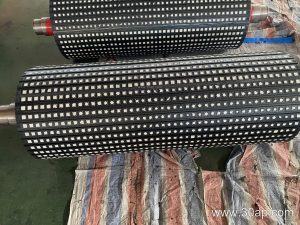
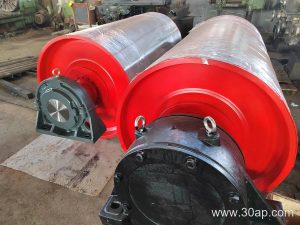
An ore conveyor pulley is the rotating drum at the ends of a belt conveyor that transmits motion, carries the belt return, or changes its direction. In hard-rock mining, quarrying, and ore dressing plants, these drums work under abrasive dust, heavy loads, and frequent starts. The pulley body is usually a welded steel shell with end discs, a shaft, bearing housings, and a lagging surface. The shaft transfers torque from the gearbox to the shell, while the lagging grips the conveyor belt so it does not slip.
Although the assembly looks simple, every part matters. A poorly balanced shell causes vibration; weak welds can crack under shock loading; and the wrong lagging wears quickly in wet or gritty conditions. Buyers should treat the ore conveyor pulley as a engineered component rather than a standard off-the-shelf item.
How the Drum Is Built
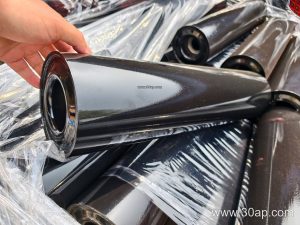
The shell is normally rolled from steel plate and machined at the ends to accept the discs. The shaft is keyed or shrink-fitted into the hub. Bearing housings are bolted to the end discs, and the whole drum is statically and dynamically balanced before delivery. Surface treatment may include painting, galvanizing, or rubber lagging.
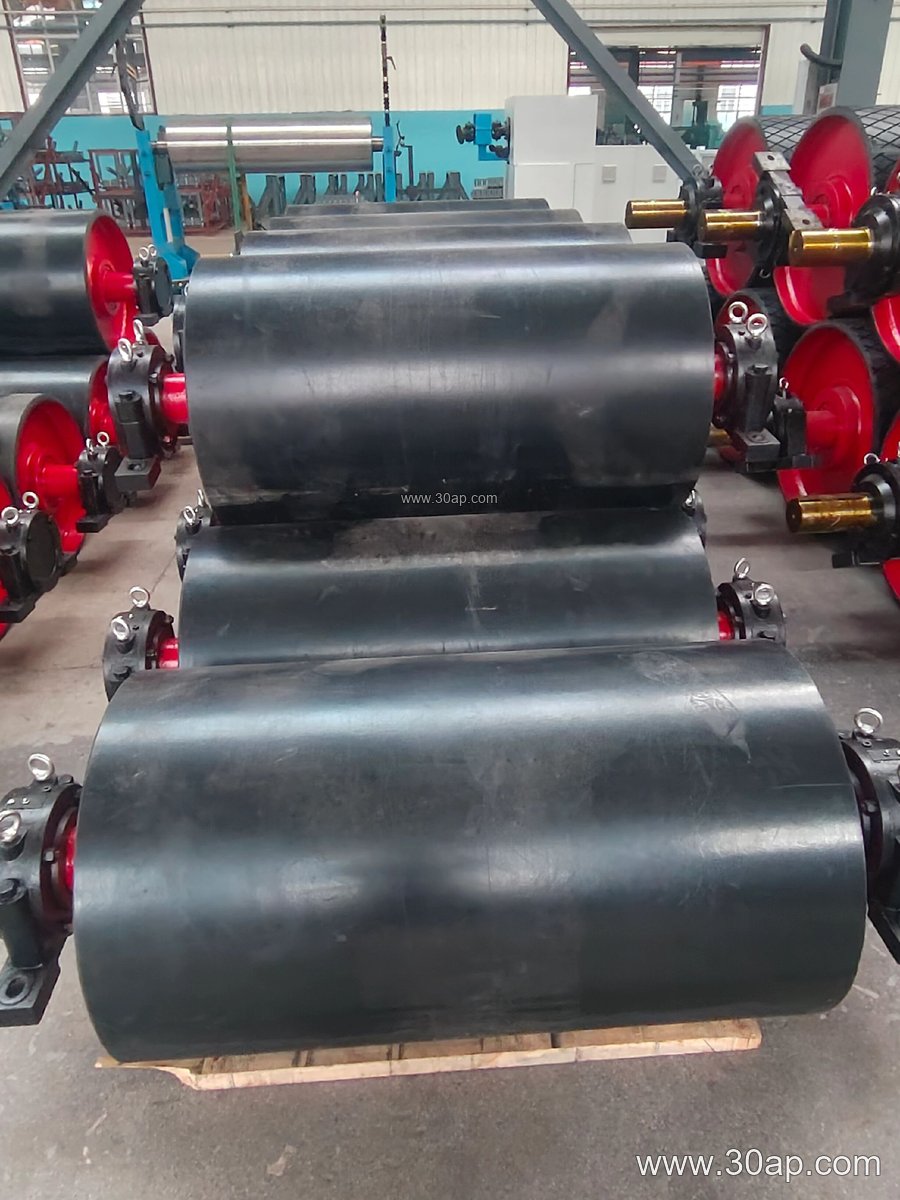
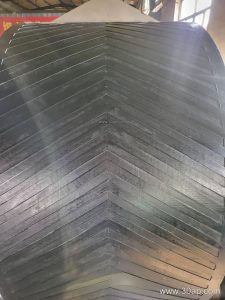
Lagging choices affect grip and wear life. Common forms include plain, cast rubber, cold-bonded rubber, hot-vulcanized rubber, diamond pattern, herringbone, ceramic, and flat rubber. Thickness is often 8, 10, 12, 15, or 20 mm, chosen according to belt tension, material moisture, and slip risk. For a coal washing plant or a wet ore transfer point, ceramic or grooved lagging may help drainage and traction.
Where It Fits in the Plant
Ore conveyors run from primary crushing to stockpiles, through screening plants, and into train or ship loading. The ore conveyor pulley appears at the head, tail, take-up, and bend positions. At the head, it drives or discharges; at the tail, it returns the belt; at a bend, it redirects the belt path. A drive pulley is not the same as a tail pulley, and a bend pulley should not be substituted for either. Each position has its own load profile, so the drum diameter, shaft, and lagging must be matched to that duty.
In a sand and gravel line, a B800 × Ø500 head drum with diamond lagging is a common sight, while a B1200 × Ø1000 drive drum may serve a primary iron ore conveyor. These are examples, not fixed rules. Belt width and pulley diameter are related through belt tension, wrap angle, and allowable surface pressure, not by a single formula.
Matching Diameter, Width, and Shaft
The shell face width is usually slightly wider than the belt. Typical reference values are shown below. Treat them as reference data, not universal specifications.
| Belt width | Typical face width | Example diameter range |
|---|---|---|
| B400 | approx. 500 mm | Ø200 to Ø400 |
| B650 | approx. 750 mm | Ø315 to Ø630 |
| B800 | approx. 950 mm | Ø400 to Ø800 |
| B1000 | approx. 1150 mm | Ø500 to Ø1000 |
| B1200 | approx. 1400 mm | Ø630 to Ø1250 |
| B1400 | approx. 1600 mm | Ø800 to Ø1400 |
| B1600 | approx. 1800 mm | Ø1000 to Ø1600 |
| B2000 | approx. 2200 mm | Ø1250 to Ø1800 |
Shaft diameter is determined by torque and radial load, not by belt width alone. Common shaft sizes include Ø50, Ø60, Ø70, Ø80, Ø90, Ø100, Ø120, Ø140, Ø160, Ø180, and Ø200. A wider belt does not automatically require a larger shaft; the drive power, wrap angle, and bearing span decide it.
Points for Buyers
- State the conveyor duty: tonnage, belt speed, material lump size, and whether the drum is at the head, tail, or a bend.
- Specify the required lagging type and thickness instead of leaving it to the supplier.
- Confirm the shaft diameter, bearing centers, and keyway details against the conveyor bracket and gearbox coupling.
- Ask for balancing records and weld inspection reports where the drum carries high tension.
- Plan maintenance: check lagging wear, bearing temperature, and shell runout during scheduled stops.
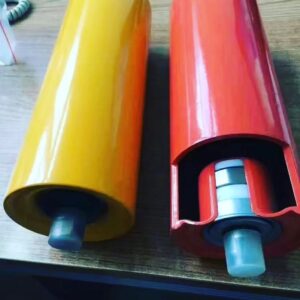
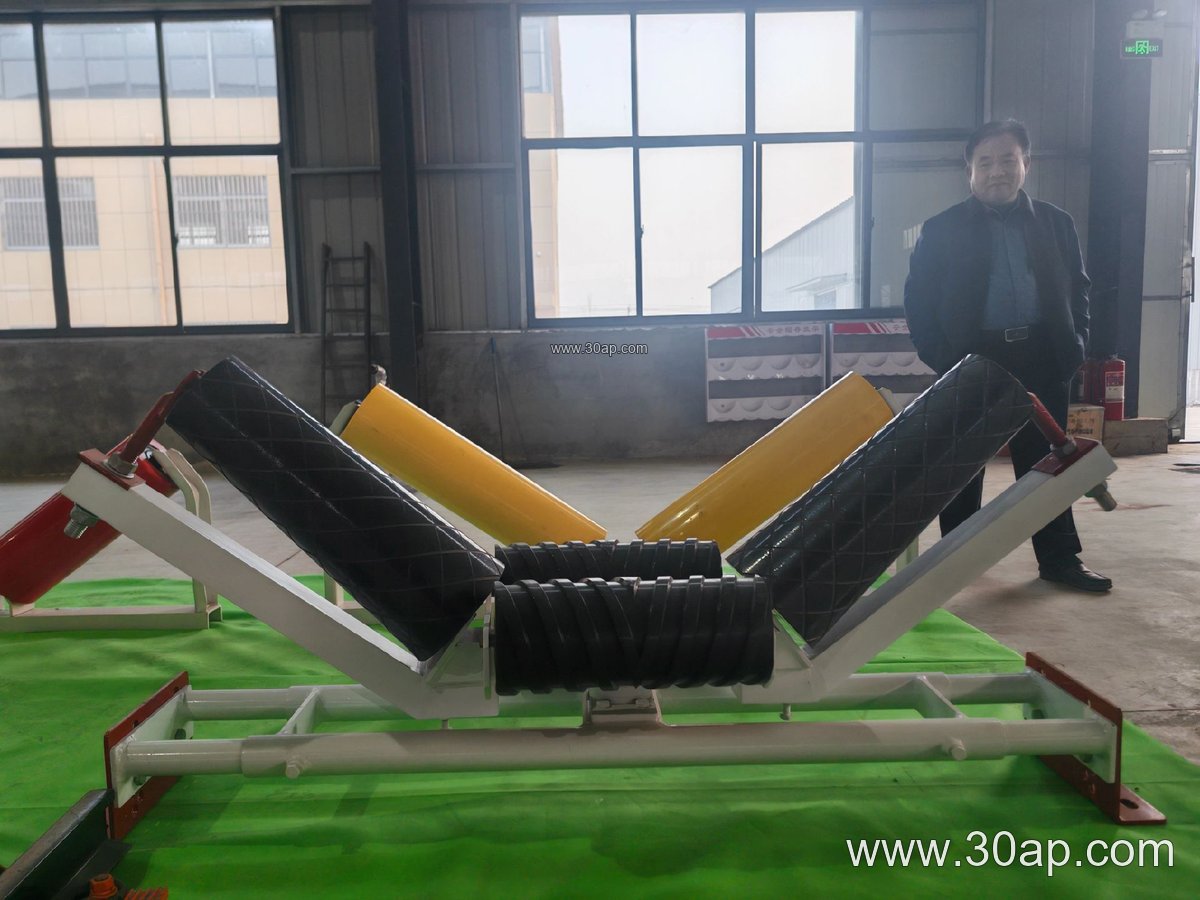
When replacing a worn drum, match the new ore conveyor pulley to the existing belt, idler roller profile, and conveyor bracket dimensions. A drum that is too small for the tension will slip; one that is too large may not fit the structure. Careful specification at the buying stage keeps the conveyor running in mines, cement plants, power stations, and aggregate yards.